
When washing baby bottles, pacifiers, and feeding utensils, selecting a safe dish detergent means avoiding harsh surfactants like Sodium Lauryl Sulfate (SLS), synthetic fragrances, artificial dyes, and strong preservatives such as parabens or formaldehyde-releasing agents. Because infants have developing digestive and immune systems, even tiny amounts of chemical residue left on silicone teats or plastic bottles can be ingested or cause skin irritation. Choosing a mild, fragrance-free, plant-derived cleanser ensures that feeding equipment is thoroughly cleaned without leaving behind unwanted chemical films.
Why Ingredient Awareness Matters for Baby Dish Detergent
An infant’s physiological system is significantly more sensitive than that of an adult. Their skin barrier is thinner and more permeable, and their digestive tract is still developing its protective lining and microbiome. While an adult can easily tolerate trace amounts of standard dishwashing surfactants, a baby may experience adverse reactions to the same chemical residues.
When baby bottles, pump parts, and weaning spoons are washed, the materials can retain microscopic films of detergent. Silicone teats and plastic bottles are particularly prone to absorbing scents and chemical residues over time. During feeding, these residues can mix with milk or formula, leading to direct ingestion of cleaning agents.
Products mentioned in this guide
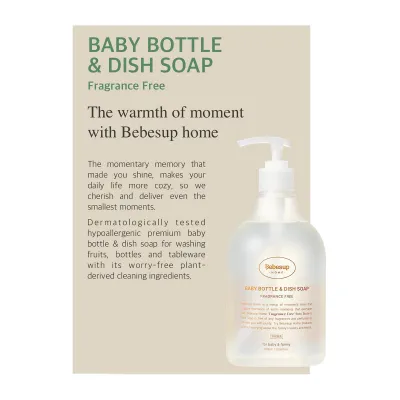
Prices are valid at publication and may change. Please refer to the product page for the latest price.
Over time, repeated exposure to harsh chemical residues can irritate a baby’s sensitive mouth and digestive tract. If you notice persistent skin redness around your baby’s mouth, unexplained digestive discomfort, or refusal to feed, it is wise to consult a pediatrician. A medical professional can help determine if these symptoms are linked to chemical sensitivities or other underlying factors.
Common Ingredient Categories to Evaluate on Labels
Navigating the baby care aisle can be overwhelming, especially with front-of-pack labels boasting claims like “natural,” “organic,” or “hypoallergenic.” These marketing terms are often unregulated and do not guarantee that a product is entirely free from irritating chemicals. To make an informed choice, you must turn the bottle over and scrutinize the actual ingredient list.

A transparent manufacturer will list every chemical compound used in the formulation, rather than relying on vague category names. Understanding the primary functional groups in dish detergents helps you identify which ingredients are necessary for cleaning and which ones are potential irritants.
Surfactants and Foaming Agents
Surfactants are the primary cleaning agents responsible for breaking down milk fats and proteins so they can be washed away. However, some surfactants are highly aggressive and difficult to rinse off completely. Sodium Lauryl Sulfate (SLS) and Sodium Laureth Sulfate (SLES) are common sulfates used to create a rich lather, but they can leave a persistent residue on silicone and plastic.
While a thick foam is visually satisfying, it does not necessarily equate to better cleaning power. In fact, high-foaming detergents often require significantly more water and effort to rinse clean, which can be challenging when managing a busy household. Residual sulfates left on bottle teats can cause mild mucosal irritation in a baby’s mouth.
For a gentler clean, look for non-ionic or amphoteric surfactants derived from plant sources, such as coco-glucoside, decyl glucoside, or lauryl glucoside. These alternatives effectively cut through greasy breast milk and formula residues while being much easier to rinse away completely, leaving no film behind.
Preservatives and Antimicrobials
Because liquid dish detergents are water-based, they require some form of preservation to prevent the growth of harmful bacteria, mold, and yeast. Without preservatives, a bottle of detergent sitting in a warm, humid kitchen environment could quickly become a breeding ground for pathogens.
However, the choice of preservative matters greatly. Traditional preservatives like methylisothiazolinone (MIT), methylchloroisothiazolinone (CMIT), and parabens are known skin sensitizers that can trigger allergic contact dermatitis. Formaldehyde donors, such as DMDM hydantoin, are also best avoided in products that come into contact with items your baby puts in their mouth.
When evaluating preservatives, look for milder food-grade options like potassium sorbate or sodium benzoate. If your baby develops unexpected skin rashes on their hands or face, check the detergent label and consult a pediatrician to identify potential chemical triggers.
Synthetic Fragrances and Dyes
Synthetic fragrances and artificial colorants serve no functional purpose in cleaning baby bottles; they are added solely for aesthetic appeal and marketing. The term “fragrance” or “parfum” on an ingredient list can represent a complex mixture of dozens of undisclosed chemical compounds, including phthalates, which are used to make scents last longer.
Even naturally derived essential oils can be highly irritating to an infant’s sensitive respiratory system and skin. Strong scents can also transfer to silicone bottle teats, altering the taste of milk and potentially causing a baby to reject the bottle.
Artificial dyes, often listed as color codes like CI 19140 or Blue 1, are similarly unnecessary and pose a risk of skin sensitization. Choosing a completely clear, unscented formulation is the most reliable way to minimize sensory and skin irritation for your baby.
How to Read and Verify Baby Dish Detergent Labels
To ensure you are choosing a truly mild product, always cross-reference the bold claims on the front of the packaging with the detailed ingredient list on the back. A product labeled “baby-safe” may still contain synthetic fragrances or harsh preservatives if you look closely at the fine print.
If a manufacturer does not list their full ingredients on the physical bottle, visit their official website to locate the Safety Data Sheet (SDS) or a complete ingredient disclosure page. If this information is not readily available, contacting their customer service department directly can help clarify what goes into the bottle. A brand that values transparency will readily provide this information to concerned parents.
You can also look for reputable third-party certifications to help verify safety claims. Organizations such as Ecocert, the Environmental Working Group (EWG), or USDA Certified Biobased provide independent assessments of ingredient safety and environmental impact. When reviewing these certifications, verify their specific scope, as some may focus purely on environmental biodegradability rather than dermatological safety.
Safer Alternatives and What to Look For
When building a shortlist of safe baby dish detergents, prioritize formulations that emphasize plant-derived ingredients and a pH-balanced profile. A mild, slightly acidic to neutral pH is gentler on your hands during frequent washing sessions and is less likely to leave harsh alkaline residues on feeding gear.
Excellent rinsability is a crucial feature to look for. A high-quality baby bottle cleanser should rinse away effortlessly with water, leaving the plastic and silicone squeaky clean without any lingering scent or slippery film. This is particularly important for silicone pump parts and teats, which tend to attract and hold onto chemical residues more than glass or standard plastic.
While you can use a highly rated, fragrance-free standard dish soap for the entire family, a dedicated baby bottle cleanser is often formulated specifically to target the tough fats and proteins found in breast milk and formula. Whichever route you choose, prioritizing simple, transparent ingredient lists will give you peace of mind with every wash.
Frequently Asked Questions (FAQ)
Can I use regular dish soap for baby bottles?
Yes, you can use regular dish soap, provided you select a formulation that is fragrance-free, dye-free, and free from harsh surfactants like SLS. Many standard household dish soaps contain strong degreasers and heavy perfumes designed to tackle heavy grease on adult cookware, which are too harsh for baby items. If you choose to use a family dish soap, ensure it has a mild, transparent ingredient list and that you rinse every bottle, teat, and pump part exceptionally thoroughly under running water to remove all traces of soap.
Do I need to rinse baby dish detergent with boiling water?
No, you do not need to rinse baby dish detergent with boiling water. Thoroughly rinsing feeding items under clean, running warm or cold water is highly effective for removing soap residue. Before using very hot or boiling water, always check the bottle manufacturer’s guidelines, as extreme temperatures can degrade certain plastics and silicone components over time. For sterilization purposes, use a dedicated steam sterilizer or follow the manufacturer’s instructions for boiling after the items have been thoroughly washed and rinsed.

Community discussion
Share your experience or ask a question. Comments are reviewed before publication.