
Selecting a safe baby clothes detergent is one of the first and most critical steps in protecting your newborn’s delicate health. Because a baby’s skin is significantly thinner and more permeable than adult skin, the chemical residues left behind on fabrics by standard laundry detergents can easily penetrate the skin barrier, leading to redness, dryness, and uncomfortable flare-ups. To keep your infant safe, you must learn to look past front-of-bottle marketing buzzwords and scrutinize the actual ingredient list on the back.
In Singapore’s warm, humid climate, babies sweat frequently, which can cause clothing fibers to rub more intensely against their skin. This friction, combined with trapped moisture and harsh chemical residues, creates the perfect environment for contact dermatitis or eczema flare-ups. Understanding exactly which ingredients to avoid in your baby clothes detergent allows you to make informed, proactive choices that safeguard your little one’s skin comfort and overall well-being.
Quick Answer: Top Ingredients to Avoid
When shopping for a baby clothes detergent, the most reliable way to protect your infant’s skin is to ignore vague front-label claims like “gentle,” “baby-safe,” or “natural” and turn the bottle over to read the actual ingredients. Many products marketed for infants still contain compounds that can trigger contact allergies or disrupt a developing skin barrier.
Products mentioned in this guide
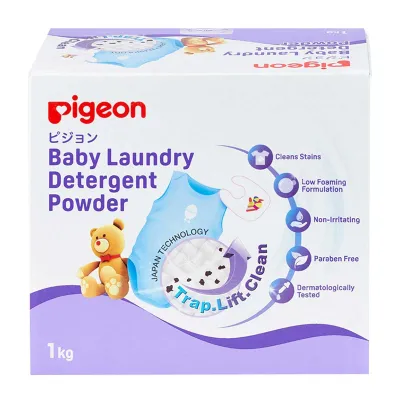
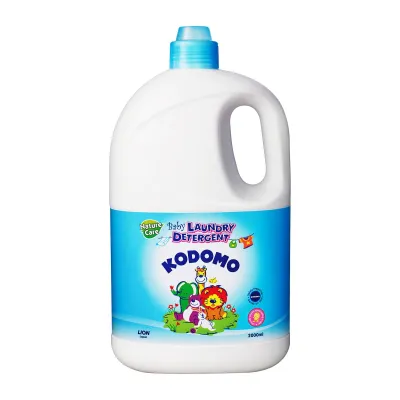
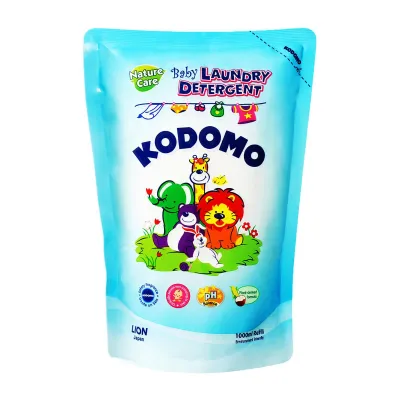
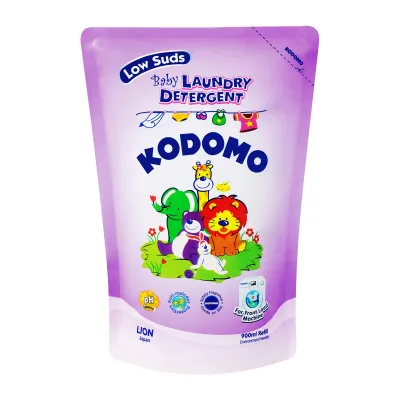
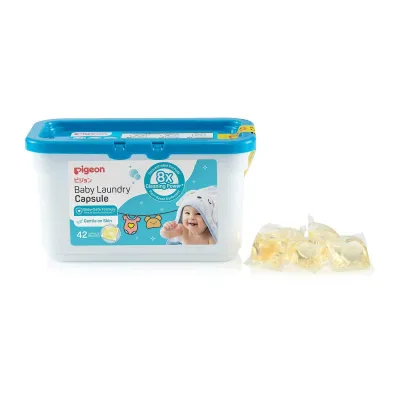
Prices are valid at publication and may change. Please refer to the product page for the latest price.
To simplify your shopping decisions, look for and actively avoid these five primary categories of irritating ingredients:
- Synthetic Fragrances (Parfum): Undisclosed chemical mixtures used to create pleasant scents, which are leading causes of skin allergies.
- Optical Brighteners: Chemical additives designed to remain on fabrics to reflect light, which frequently cause irritation upon direct skin contact.
- Harsh Sulfates (such as SLS and SLES): Aggressive cleansing agents that strip away the skin's protective natural oils.
- Isothiazolinone Preservatives (like Methylisothiazolinone): Strong synthetic preservatives added to liquid formulas that are known contact sensitizers.
- Artificial Dyes and Colorants: Aesthetic additives that serve no cleaning purpose but pose a high risk of triggering eczema.
Why Baby Skin Reacts Differently to Laundry Detergents
An infant’s skin is not simply a miniature version of adult skin; it is a developing organ with unique physiological characteristics. The outermost layer of the skin, known as the stratum corneum, is up to 30 percent thinner in babies than in adults. Additionally, the intercellular lipids that hold skin cells together are less tightly packed, resulting in a highly permeable skin barrier that absorbs external substances much more rapidly.

When clothes are washed, microscopic residues of detergent remain bound to the fabric fibers even after a standard rinse cycle. As your baby moves, these fibers rub against their skin, transferring the residual chemicals directly onto the skin surface. In areas where clothing fits tightly—such as around the thighs, waist, and neck—or where sweat accumulates, this chemical transfer is intensified, often triggering irritant contact dermatitis or allergic contact dermatitis.
Because skin irritation can sometimes mimic more serious medical conditions, parents must establish a clear safety boundary. If your baby develops a persistent rash, skin blistering, oozing, or any signs of a skin infection, stop using the suspected detergent immediately. Do not attempt to self-diagnose or rely solely on switching detergent brands; instead, consult a qualified pediatrician or dermatologist right away to ensure your baby receives appropriate medical care.
Specific Ingredients to Avoid in Baby Clothes Detergent
To make safe purchasing decisions, it is helpful to understand why specific chemical classes are formulated into standard detergents and how they interact negatively with a baby’s delicate skin.
Synthetic Fragrances and Phthalates
The clean, fresh scent of freshly washed laundry is highly sought after by many consumers, but it comes at a significant cost to infant skin health. On a detergent ingredient list, terms like “fragrance,” “parfum,” or “aroma” represent a major regulatory loophole. Manufacturers are legally permitted to group dozens of distinct chemical compounds under these single umbrella terms to protect proprietary scent formulas.
Among these hidden fragrance chemicals are phthalates, which are often used as solvents and stabilizers to make scents last longer on fabrics. Synthetic fragrances and their chemical carriers are among the most common triggers for allergic contact dermatitis in infants. Furthermore, the volatile organic compounds released by heavily scented laundry can irritate a baby’s sensitive respiratory tract, potentially triggering coughing or wheezing.
Optical Brighteners and Artificial Dyes
Optical brighteners are synthetic chemicals added to detergents to make fabrics appear cleaner and brighter than they actually are. They work by absorbing ultraviolet light and emitting a blue tint, which masks the natural yellowing of fabrics over time. These chemicals are designed to be highly substantive, meaning they are engineered to bind tightly to clothing fibers and resist being washed away during the rinse cycle.
Because optical brighteners are formulated to remain on the clothing, they stay in constant, direct contact with your baby’s skin throughout the day and night. For infants with eczema or highly sensitive skin, this persistent chemical exposure can cause severe localized irritation and flare-ups. Similarly, artificial dyes and colorants are purely aesthetic additives used to give detergents a blue, green, or pink hue; they provide absolutely zero cleaning utility while introducing unnecessary risks of skin sensitization.
Harsh Surfactants (SLS and SLES)
Surfactants are the primary active cleansing agents in laundry detergents, responsible for breaking down oils, lifting dirt, and suspending soil in the wash water so it can be rinsed away. However, the type of surfactant used matters immensely. Sodium Lauryl Sulfate (SLS) and Sodium Laureth Sulfate (SLES) are anionic surfactants widely used in conventional detergents because they are highly effective, inexpensive degreasers that produce abundant foam.
While SLS and SLES are excellent at removing heavy grease from industrial surfaces, they are far too aggressive for baby laundry. These harsh surfactants strip away the delicate lipids and natural moisturizing factors that make up the baby’s skin barrier. This stripping effect leaves the skin dry, compromised, and highly vulnerable to environmental allergens, making milder, non-ionic surfactants a much safer choice for washing infant clothing.
Certain Preservatives (e.g., Methylisothiazolinone)
Liquid laundry detergents contain water, which makes them highly susceptible to microbial contamination, mold, and bacterial growth over time. To ensure a reasonable shelf life and maintain product safety, manufacturers must include preservatives in their liquid formulas. However, some of the most effective synthetic preservatives are also highly allergenic.
Isothiazolinone compounds, specifically methylisothiazolinone (MI) and methylchloroisothiazolinone (MCI), are widely used preservatives that have been identified as potent contact allergens. When these preservatives remain as residues on baby clothes, they can trigger severe allergic skin reactions, even in very low concentrations. While preservation is necessary, parents should seek out detergents that utilize safer, food-grade, or highly tolerated preservative alternatives rather than these aggressive sensitizers.
How to Read Detergent Labels and Spot Hidden Irritants
Navigating the laundry aisle requires a healthy dose of skepticism, as front-of-bottle marketing claims are often poorly regulated and highly misleading. Terms such as “hypoallergenic,” “dermatologist-tested,” “natural,” or “gentle for baby” are frequently used as marketing tools rather than certified clinical guarantees. There is no universal regulatory standard defining what makes a product “hypoallergenic,” meaning a brand can use this label even if the formula contains known skin irritants.
One of the most common points of confusion for parents is the difference between “unscented” and “fragrance-free” products. An “unscented” detergent may still contain synthetic fragrances or neutralizing chemicals specifically added to mask the unpleasant natural odor of the raw ingredients. To ensure a product has no added scents, you must look for the term “fragrance-free” and verify that no perfumes, essential oils, or masking agents appear on the ingredient list.
Additionally, be cautious of detergents that claim to be safe because they contain “natural botanical extracts” or “essential oils.” While these ingredients sound gentle and wholesome, many essential oils contain naturally occurring volatile organic compounds—such as limonene, linalool, or geraniol—that are potent skin sensitizers. For a newborn or a baby with reactive skin, a simple, synthetically clean, fragrance-free formula is almost always safer than a complex botanical blend.
What to Look For: Safer Detergent Alternatives
When selecting a safe baby clothes detergent, look for formulas that prioritize ingredient transparency and utilize mild, skin-friendly components. Opt for detergents that clearly list all ingredients on the label rather than using generic terms like “surfactants” or “active cleansers.” Seek out products that are explicitly labeled as both fragrance-free and dye-free.
Instead of harsh anionic surfactants like SLS, look for plant-derived, non-ionic surfactants such as alkyl polyglucosides (for example, coco-glucoside, decyl glucoside, or lauryl glucoside). These plant-based cleansers are highly biodegradable and clean fabrics effectively by lifting dirt and oils without leaving behind harsh, skin-stripping chemical residues. Always check the manufacturer’s instructions on both the detergent bottle and your baby’s clothing labels to ensure proper dosage and washing temperatures.
Before washing your baby’s entire wardrobe with a new detergent, it is highly recommended to perform a simple home patch test. Wash a single, low-risk item—such as a cotton burp cloth or a single onesie—in the new detergent, and let your baby wear or use it. Monitor their skin closely for 24 to 48 hours for any signs of redness, bumps, or itching. If no reaction occurs, you can proceed with confidence to wash the rest of their clothing, bedding, and fabric toys.
Frequently Asked Questions (FAQ)
Is it safe to use regular adult detergent if I double-rinse the clothes?
While running an extra rinse cycle helps reduce the volume of detergent residue left in fabric fibers, it is rarely sufficient to make standard adult detergents safe for a newborn. Many chemical additives, particularly optical brighteners and heavy synthetic fragrances, are specifically engineered to bind tightly to fabric fibers so they survive multiple rinses. For the first few months of life, when your baby’s skin barrier is most vulnerable, it is highly recommended to use a dedicated, fragrance-free baby clothes detergent or a certified sensitive-skin formula.
Can natural essential oils in baby detergent cause allergies?
Yes, natural essential oils can absolutely cause skin allergies and irritation in babies. Although essential oils like lavender, chamomile, or citrus are derived from plants, they contain highly concentrated, volatile organic compounds that are known contact allergens. When these oils are heated in a dryer or rubbed against warm skin, they can trigger allergic contact dermatitis or respiratory sensitivity. For infants, especially those prone to eczema, a completely fragrance-free formula is always the safest and most reliable choice.

Community discussion
Share your experience or ask a question. Comments are reviewed before publication.