
Ensuring the safety of your newborn during vehicle travel is one of the most critical responsibilities you face as a parent. In Singapore, this responsibility is backed by strict traffic laws designed to protect young passengers from severe injury. Navigating these regulations requires a clear understanding of what the law demands, which safety standards are recognized, and how to choose a compliant car seat.
The fundamental legal requirement in Singapore is straightforward: anyone under 1.35 metres in height must be secured with an approved child restraint appropriate for their height and weight when travelling in a private vehicle. For newborns and young babies, this mandate translates directly to the compulsory use of a certified infant car seat. Failing to secure your child not only compromises their safety but also constitutes a serious traffic offence.
Singapore's Legal Mandates for Child Restraint Systems
The Land Transport Authority (LTA) enforces strict regulations regarding the transport of children in motor vehicles. Under the Road Traffic Act, the 1.35-metre height threshold serves as the dividing line between those who can safely use standard vehicle seatbelts and those who require specialized child restraint systems (CRS). Because adult seatbelts are designed for individuals at least 1.35 metres tall, they can cause severe abdominal or neck injuries to smaller children during a collision.
Products mentioned in this guide
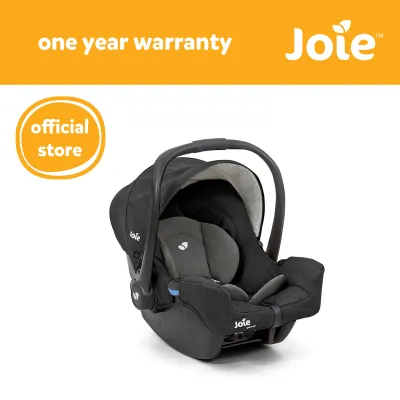
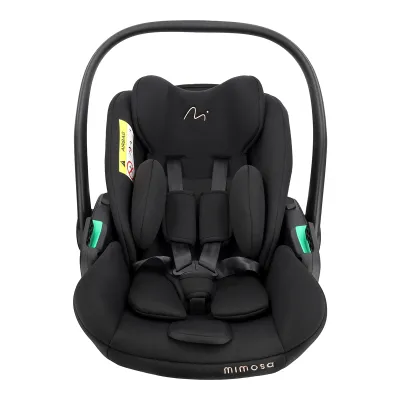
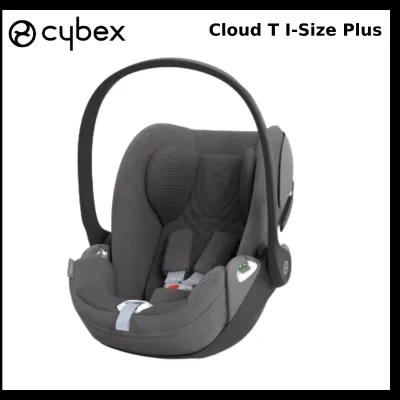
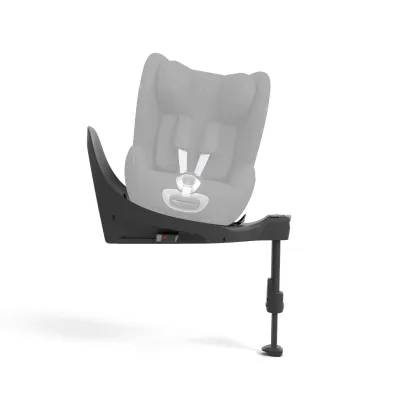
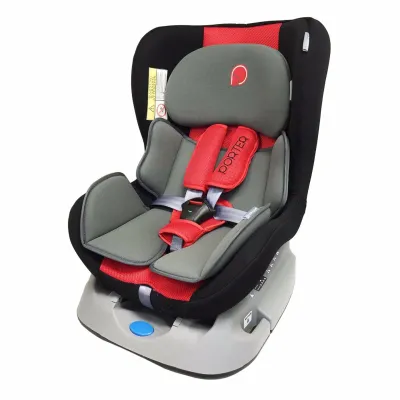
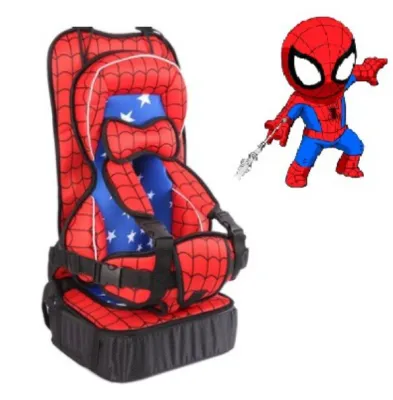
Prices are valid at publication and may change. Please refer to the product page for the latest price.
An infant car seat is the initial stage of the child restraint spectrum, specifically engineered to cradle a baby’s delicate body. Legally, a standard seatbelt alone is never an acceptable alternative for an infant. Parents must ensure that the restraint used matches the child’s physical development, beginning with a rear-facing infant seat and eventually transitioning to toddler seats and booster seats as the child grows.
Disregarding these laws carries strict legal consequences for drivers. If you are caught operating a vehicle with an unsecured passenger under the height threshold, you face immediate penalties. These penalties typically involve a combination of composition fines and demerit points. To review the exact, current fine amounts and demerit point structures, always consult the official Land Transport Authority website, as traffic penalty frameworks are subject to periodic adjustments.
The application of these laws varies significantly depending on the category of vehicle you are using. Private passenger cars, including family vehicles and rental cars, must comply fully with the child restraint mandate at all times. Taxis, on the other hand, have historically been granted certain exemptions due to their status as public transport, allowing children under 1.35 metres to travel in the rear seat using adult seatbelts. However, private hire cars (such as those booked via ride-hailing applications) do not share the same blanket exemptions as traditional street-hailed taxis. Parents should carefully verify the latest LTA guidelines regarding private hire vehicle requirements and consider utilizing specialized family-friendly ride tiers that provide pre-installed child seats.
Approved Safety Standards and Certification Labels
Not all car seats sold globally or online are legally recognized in Singapore. The LTA accepts specific international safety standards to ensure that any child restraint system used on the road offers adequate crash protection. The two most prominent and widely accepted standards are the United Nations Economic Commission for Europe (UN ECE) regulations: UN ECE R44/04 and the newer, more stringent UN ECE R129 (commonly known as i-Size).

The UN ECE R44/04 standard categorizes car seats based on the child’s weight, dividing them into specific weight groups. In contrast, the UN ECE R129 (i-Size) standard uses the child’s height as the primary classification metric, which safety experts generally find to be a more accurate indicator of proper fit. Additionally, i-Size certified seats must undergo mandatory side-impact collision testing, offering an extra layer of verified safety.
To verify that a car seat is legally compliant, you must locate the orange certification label permanently affixed to the seat’s shell. This orange sticker contains vital regulatory information, including the specific standard it meets (such as ECE R44/04 or R129), the approval country code (represented by an ‘E’ followed by a number in a circle), and the unique approval number. It also clearly states the weight or height range for which the seat is certified. If this label is missing, defaced, or illegible, the seat cannot be verified as legally compliant.
Parents must exercise extreme caution when sourcing infant car seats. Avoid purchasing seats from unverified online marketplaces that do not explicitly display these certification marks, as counterfeit or substandard seats are common. Furthermore, car seats have expiration dates—typically six to ten years from the date of manufacture—due to the natural degradation of plastic materials over time. Always check the manufacturing date stamped into the plastic shell and avoid products lacking a traceable retail history. Legal compliance is entirely dependent on using the seat strictly within the manufacturer’s specified physical limits; once your child exceeds the maximum weight or height limit, the seat is no longer legally compliant or safe for their use.
Installation Rules and Safety Boundaries
An approved car seat can only protect your child if it is installed correctly. Singapore’s legal and safety frameworks emphasize that infants must be secured in a rear-facing position. In a head-on collision, a rear-facing seat distributes the crash forces across the baby’s entire back, protecting their disproportionately heavy head and fragile neck from sudden, violent forward movement.
One of the most critical safety rules concerns the placement of rear-facing seats in relation to vehicle airbags. You must never install a rear-facing infant car seat in a passenger seat equipped with an active frontal airbag. If the airbag deploys during an accident, it will strike the back of the infant seat with immense force, potentially causing catastrophic injury to the child. If you must place the infant seat in the front passenger seat, you must manually deactivate the passenger airbag first, though safety experts strongly recommend using the rear passenger seats as the primary location.
When securing the seat to your vehicle, you will generally choose between two legally acceptable methods: ISOFIX anchors or the vehicle’s three-point seatbelt. ISOFIX is an international standard system that anchors the car seat directly to the vehicle’s chassis, significantly reducing the risk of installation errors. Seatbelt installation, when executed correctly, is equally safe and legally compliant, making it a highly versatile option for parents who frequently switch between different cars or use taxis.
Regardless of the method you choose, you must strictly follow both the car seat manufacturer’s instruction manual and your vehicle’s handbook. If you encounter conflicting instructions, find that parts are missing, or feel that the installed seat remains loose or insecure, do not risk your child’s safety. Stop the installation process immediately and consult a certified child restraint technician, the car seat manufacturer, or your vehicle dealer to resolve the issue before driving.
Pre-Purchase Compliance Checklist
To streamline your buying process and ensure complete legal and safety compliance, follow this step-by-step verification checklist before making your final purchase:
- Step 1: Verify the Certification Label. Physically inspect the car seat or request clear, high-resolution photos of the product listing to confirm the presence of a valid UN ECE R44/04 or UN ECE R129 (i-Size) orange label.
- Step 2: Match Physical Measurements. Check your infant's current weight and height against the limits printed on the certification label. Ensure the seat accommodates your child's immediate needs and allows reasonable room for growth.
- Step 3: Confirm Vehicle Compatibility. Verify whether your vehicle has dedicated ISOFIX anchor points or if the seatbelt length and routing path are compatible with the specific car seat model you intend to buy.
- Step 4: Buy from Authorized Sources. Purchase your infant car seat exclusively from authorized physical retailers, official brand stores, or reputable online malls. This guarantees that you receive an authentic product, a valid local warranty, and access to essential post-purchase support or recall notifications.
Frequently Asked Questions (FAQ)
Can I legally use a second-hand infant car seat in Singapore?
While using a second-hand infant car seat is not strictly illegal in Singapore—provided it carries a valid, recognized UN ECE certification label—it is highly discouraged by safety experts. Pre-owned seats carry significant hidden risks, such as invisible structural damage from a previous minor collision, degraded plastic shells from prolonged heat exposure, or missing instruction manuals and safety components. If you must use a second-hand seat, you must thoroughly verify its complete history, confirm it has never been involved in an accident, check that it is well within its manufacturer-specified lifespan, and ensure all original parts are present.
Are backless booster cushions legally accepted for young infants?
No, backless booster cushions are neither legally compliant nor safe for young infants. Booster cushions are designed solely for older children who have outgrown harnessed seats but still need extra height to fit the vehicle’s adult seatbelts safely. Infants and young toddlers require a dedicated, rear-facing infant car seat equipped with a built-in five-point harness system. This specialized design is essential to support their developing head, neck, and spine, ensuring they are legally protected and physically secure during travel.

Community discussion
Share your experience or ask a question. Comments are reviewed before publication.