
Direct Answer: Which Huggies XXXL or Premium Diaper Fits Your Toddler Best?
Finding the right diaper when your toddler reaches the XXXL size range is a common challenge for parents in Singapore. As children grow more active and their body shapes diversify, standard sizing often falls short. While many parents search for Huggies xxxl as a primary option, the ideal choice depends heavily on matching your child’s specific body shape, activity levels, and skin sensitivity to the diaper’s design philosophy.
Premium brands like Huggies, Pampers, and MamyPoko construct their XXXL lines with distinct structural priorities. A brand that worked perfectly during infancy may not provide the same benefits in the toddler years, as premium labels do not guarantee identical performance across different physical builds.
To make an informed decision, parents must look beyond brand loyalty and evaluate how each diaper manages anatomical fit, leak protection, moisture absorption, and material breathability. This guide compares these leading brands in the XXXL segment to help you identify the most cost-effective and comfortable solution for your toddler’s daily routine and overnight sleep.
Products mentioned in this guide
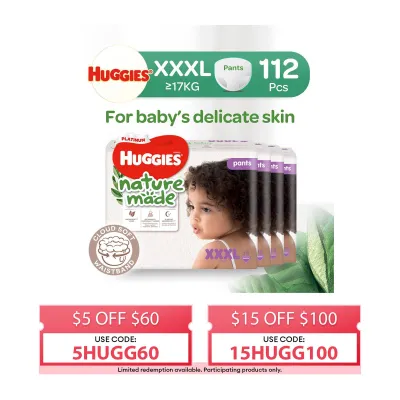
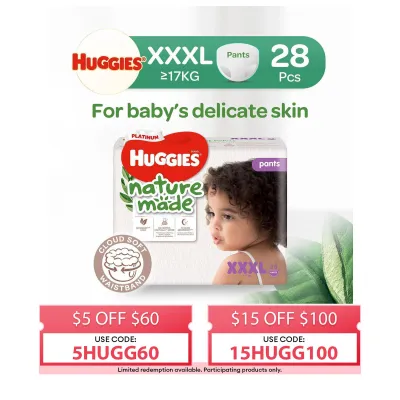
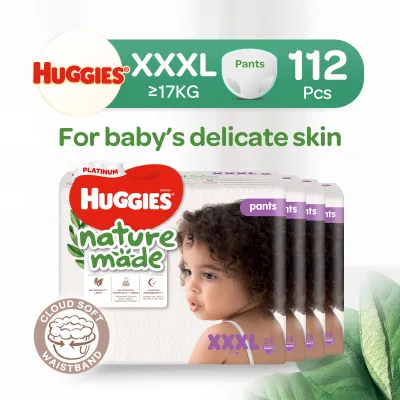
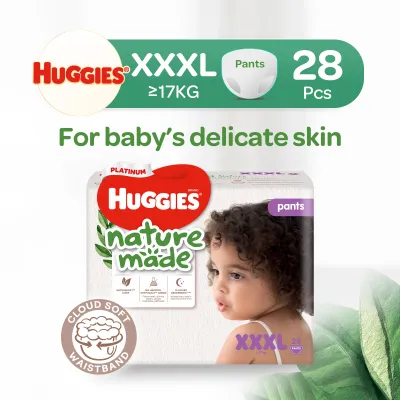
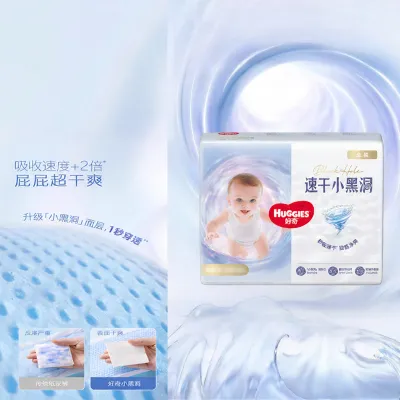
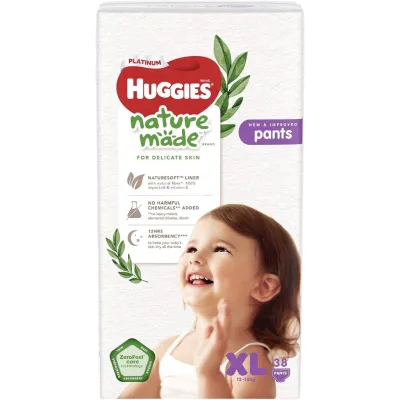
![[mkids] Huggies Platinum Naturemade Pants (M/L/XL/XXL/XXXL) [LOCAL SG DELIVERY]](https://img.lazcdn.com/g/p/4818ca882040ebd820c4e5299a5d5cb5.jpg_400x400q80.jpg_.webp)
Prices are valid at publication and may change. Please refer to the product page for the latest price.
Key Comparison Dimensions for XXXL Diapers
When evaluating diapers in the extra-extra-extra-large (XXXL) category, comparing brands on a generic level is rarely sufficient. Each manufacturer offers multiple product tiers, ranging from standard daily-use lines to premium overnight variants. To find the right match, parents should focus on the specific sub-brands or product lines available in Singapore, assessing how their technical features align with a growing toddler’s needs.

The transition to XXXL typically coincides with increased mobility, potty training phases, and higher single-void urine volumes. Consequently, a diaper’s performance must be evaluated across several critical dimensions: structural fit, absorbency capacity, skin-friendly materials, and overall long-term value. By examining these elements individually, you can avoid the trial-and-error process that often leads to leaks, skin rashes, or wasted household budget.
Fit and Leak Protection
A proper fit is the primary defense against leaks, especially for highly active toddlers who run, climb, and transition between sitting and standing throughout the day. At the XXXL size, diapers are predominantly designed as pull-up pants. The effectiveness of these pants depends heavily on the construction of the waistband and the leg gathers.
Huggies XXXL pants often feature a highly structured, elasticated waistband designed to sit securely around the toddler’s waist without sagging. This design is particularly beneficial for children with a leaner build, as it minimizes gaps at the back. In contrast, Pampers premium lines typically focus on a softer, more stretchable 360-degree waistband that prioritizes flexibility and a lightweight feel, reducing the likelihood of red friction marks on softer skin. MamyPoko often utilizes a deeper, more substantial rise and wider waistband design, which is highly effective for rounder toddlers who require extra coverage over the abdomen and hips.
Leg cuffs are equally critical for preventing side leaks. Parents should look for double-layered leg gathers that stand upright when the diaper is applied. While Huggies employs snug-fitting inner barriers to contain sudden liquid surges, MamyPoko is known for its wide, soft leg surrounds that distribute pressure evenly.
Because manufacturer sizing charts vary—where one brand’s XXXL covers 18 to 25 kilograms while another might target 15 to 22 kilograms—parents must measure their child’s current weight, waist, and thigh circumference. Always verify the specific size chart on the product packaging, as weight ranges are only general guidelines and do not account for unique body shapes.
Absorbency and Overnight Performance
As toddlers grow, their bladder capacity increases, resulting in larger, more rapid urine releases, particularly during overnight sleep. Managing this volume requires an advanced core design that can quickly draw moisture away from the skin and lock it deep within the diaper. Most premium brands utilize Superabsorbent Polymer (SAP) technology, but the distribution and layout of these polymers differ significantly.
Huggies premium lines often utilize a multi-channel absorption core that distributes liquid evenly along the length of the diaper, preventing the sagging and clumping that can restrict a toddler’s movement. Pampers premium variants frequently employ thin, high-density cores that prioritize low bulk while maintaining rapid absorption speed, making them highly suitable for daytime active wear. MamyPoko is widely recognized for its high-capacity cores, often preferred by parents for overnight use due to its ability to handle multiple voids over a ten-to-twelve-hour period.
When selecting a diaper for nighttime wear, look for specific “overnight,” “extra dry,” or “night” designations on the packaging. These specialized lines typically feature reinforced absorption zones and enhanced back-leak barriers.
However, actual overnight performance is highly subjective and depends on your child’s sleeping position, fluid intake before bed, and individual urine volume. If a toddler frequently experiences wet pajamas in the morning, switching to a dedicated overnight variant or verifying that the diaper is pulled up high enough at the back is often more effective than simply purchasing a larger size.
Comfort, Breathability, and Skin Sensitivity
Toddler skin remains delicate and susceptible to irritation, even as they grow older. The combination of friction from constant movement, heat, and trapped moisture can quickly lead to diaper dermatitis. Consequently, the breathability of the outer cover and the softness of the inner liner are critical factors in the premium diaper category.
Premium lines across all three brands generally feature micro-porous outer covers designed to let hot air escape while keeping liquid inside. Pampers Premium Care is frequently highlighted for its silky-soft materials and lotion-infused inner sheets, which aim to minimize friction against sensitive skin. Huggies Platinum lines emphasize hypoallergenic materials and cotton-like softness to reduce the risk of irritation. MamyPoko premium options also focus on breathable cotton-blend backsheets that help keep the skin cool in Singapore’s warm, humid climate.
Despite these premium features, no diaper is entirely immune to causing skin reactions, as individual sensitivities vary. Parents must carefully inspect product packaging for ingredient lists, fragrance-free labels, and dermatological test certifications.
If you notice persistent red marks around the waist or thighs, or if your toddler develops a localized rash, it is important to evaluate whether friction or moisture entrapment is the cause. In such cases, stop using the current diaper line, try a different brand or a larger size to reduce pressure, and consult a pediatrician if the irritation does not resolve within a few days.
Price and Value in Singapore
Raising a toddler in Singapore involves managing various household expenses, and diapering costs can accumulate quickly, particularly in the larger XXXL size where the count per pack is significantly lower than in smaller sizes. To determine the true value of a diaper brand, parents should look beyond the shelf price of a single pack and calculate the unit cost, or price per diaper.
Premium brands naturally carry a higher price point compared to standard or house-brand options. However, a slightly more expensive diaper that offers superior absorbency can sometimes be more economical in the long run. For instance, if a high-capacity diaper prevents overnight leaks, it reduces the frequency of diaper changes, laundry loads, and the need to replace stained bedding or sleepwear. Conversely, if a cheaper diaper requires frequent daytime changes due to minor leaking or sagging, the overall volume of diapers consumed will increase, offsetting any initial savings.
To optimize your diaper budget, compare unit prices across different retail channels. Bulk packaging, carton deals, and subscription services offered by local e-commerce platforms and major supermarket chains often provide the lowest cost per piece.
Additionally, keeping an eye out for seasonal baby fairs, promotional bundles, and loyalty program discounts can yield substantial savings. Always calculate the cost per diaper by dividing the total price of the carton or pack by the exact number of pieces inside to ensure a fair comparison.
How to Verify Specifications and Sizing
Selecting the right diaper is not just about choosing a brand; it requires active verification of the product’s physical specifications and how they align with your toddler’s current development. Because children grow at highly individual rates, relying solely on age or weight ranges printed on the front of the packaging can lead to poor fitment and performance issues.
To ensure you are selecting the correct size and model, follow these practical verification steps:
- Measure your toddler's physical dimensions: Use a soft measuring tape to check your child's waist and hip circumference, as well as the upper thigh area. Compare these measurements against the detailed size charts provided on the manufacturer's official website or the back of the packaging, as these are more precise than general weight brackets.
- Inspect the specific product line name: Brands like Huggies, Pampers, and MamyPoko sell multiple product tiers in Singapore. Ensure you are purchasing the exact line you intended (for example, distinguishing between Huggies Platinum Nature Care and Huggies Ultra), as the elastic design, materials, and absorbency levels differ dramatically between these lines.
- Check the packaging labels for material and safety details: Look for explicit indicators regarding fragrance-free status, elemental chlorine-free bleaching, and dermatological testing. If your child has highly sensitive skin, verifying these details on the label is essential before introducing a new diaper.
- Monitor the diaper in use: After putting the diaper on your toddler, run a finger along the inside of the waistband and leg cuffs to ensure they are snug but not tight. Check for any immediate red marks after removal.
If your child experiences persistent leaks, skin chafing, or red marks that do not fade within a few minutes of removal, the diaper may be incorrectly sized or structurally incompatible with your child’s build. Under these circumstances, stop using the product immediately. Manufacturer instructions and safety warnings printed on the packaging should always override general diapering advice. If skin irritation persists despite changing brands or sizes, consult a qualified healthcare professional.
Decision Framework: Choosing the Right Brand
To simplify your decision-making process, you can use a structured framework based on your toddler’s physical build, daily activity levels, and your household priorities. Since no single diaper is perfect for every child, matching these specific conditions will help you select the brand most likely to succeed.
- Choose Huggies XXXL if:
- Your toddler has a relatively lean or standard physical build.
- You require highly secure, structured leg cuffs to prevent side leaks during active play.
- You prefer a well-defined channel system that keeps the diaper core stable and prevents sagging when wet.
- You want a premium option that balances high absorbency with a competitive unit price in the Singapore market.
- Choose Pampers XXXL if:
- Your child has highly sensitive skin that reacts quickly to friction or heat.
- You prioritize a lightweight, ultra-thin diaper design that allows for maximum breathability during hot daytime hours.
- You prefer a highly flexible, 360-degree stretchable waistband that minimizes pressure marks around the abdomen.
- You are comfortable paying a higher premium for advanced dermatological testing and lotion-infused inner liners.
- Choose MamyPoko XXXL if:
- Your toddler is highly active, requiring a deep rise and a very secure waist fit that stays in place during climbing and running.
- You need maximum overnight absorbency to handle large urine volumes without leaking.
- Your child has a rounder, more robust physical build that benefits from the generous sizing and wide leg surrounds common in Asian-market diaper designs.
- You value a highly reliable, high-capacity utility diaper for long outings or overnight sleep.
- Verify first if:
- Your toddler is currently transitioning between sizes, as you may need to adjust the waistband tightness or try a trial pack before purchasing a full carton.
- Your child has pre-existing dermatological conditions, which require reviewing the full ingredient list on the packaging.
- Your household budget requires a strict cost-per-piece limit, in which case you should compare the standard lines of these brands rather than their ultra-premium variants.
Before committing to bulk purchases or online subscription cartons, purchasing smaller trial packs or requesting samples is the most reliable way to confirm the fit, comfort, and real-world performance of any XXXL diaper brand on your toddler.
Frequently Asked Questions (FAQ)
Can I switch from one XXXL brand to another without causing skin irritation?
Yes, switching between diaper brands in the XXXL size range is generally safe for most toddlers, but it should be done with care. Because different manufacturers use varying materials, elastic designs, and adhesive placements, a sudden change can occasionally trigger friction or mild skin reactions.
To minimize risks, introduce the new brand gradually during daytime hours when you can monitor your child’s skin frequently. If you notice any redness, itching, or rash, discontinue use of the new brand immediately, revert to the previous diaper, and consult a pediatrician if the irritation persists.
Does a higher price guarantee better absorbency in XXXL diapers?
A higher price tag does not automatically guarantee superior absorbency for every toddler. While premium pricing often reflects advanced core technologies, softer materials, organic cotton components, or expensive dermatological certifications, the actual performance depends on how well the diaper fits your child’s body.
An expensive diaper that is slightly too loose around the thighs will leak more easily than a cheaper, well-fitted option. Always review the product’s specific absorption technology and size chart rather than assuming that cost correlates directly with leak prevention.

Community discussion
Share your experience or ask a question. Comments are reviewed before publication.