
There is no single “best” premium diaper brand for every active toddler, as performance in the XXXL size category depends heavily on your child’s specific body shape, thigh thickness, and whether the diaper is used for high-mobility daytime play or long overnight sleep. While Huggies XXXL often emphasizes leak-guard barriers and structured fit, competitors like Pampers and MamyPoko focus on distinct core distributions and waistband elasticity in their largest available sizes. This guide breaks down the observable features, fit conditions, and specification checks you need to make a confident, condition-based choice for your toddler.
What to Look for in XXXL Diapers for Active Toddlers
As toddlers grow more active, their diapering needs shift from simple containment to dynamic fit and movement support. In the XXXL size category, children are typically walking, running, and climbing, which puts unique physical stress on diaper seams and absorbent cores. A diaper that fits perfectly when a child is lying down may gap or sag once they begin to run or squat.
When evaluating absorbency, look closely at how the core distributes liquid during movement. A high-quality core should lock moisture away without clumping, sagging, or breaking apart into heavy lumps between the toddler’s thighs. If the absorbent material shifts or bunches, it can restrict their natural stride and cause discomfort during play.
Products mentioned in this guide
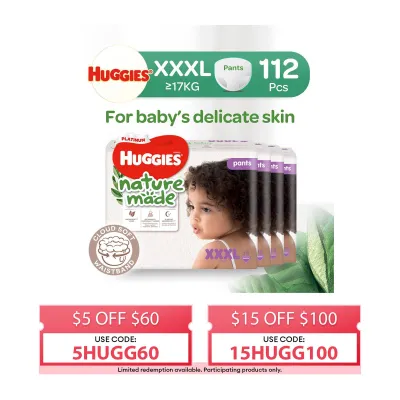
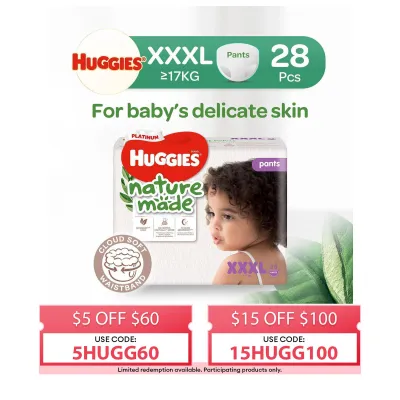
![[mkids] Huggies Platinum Naturemade Pants (M/L/XL/XXL/XXXL) [LOCAL SG DELIVERY]](https://img.lazcdn.com/g/p/209cdf5071cbbe8bb2888107c260df5a.jpg_400x400q80.jpg_.webp)
Prices are valid at publication and may change. Please refer to the product page for the latest price.
Fit and leak protection require a careful balance of elasticity and security. The leg cuffs must form a snug, double-layered seal around the thighs to prevent leaks during active play, yet they must remain soft enough to avoid leaving deep red indentations on sensitive skin. A well-designed waistband should stretch dynamically with the child’s breathing and movement.
Comfort and breathability are equally critical, especially in warm, humid climates. Check the outer and inner materials for a soft, cloth-like texture, and verify that the waistband allows sufficient airflow. Proper ventilation helps prevent heat buildup and sweat-induced skin irritation around the waist and hips, which is common in older, highly active toddlers.
Huggies XXXL: Fit, Absorbency, and Comfort Profile
Huggies XXXL diapers are designed with a focus on structured containment and a secure, anatomical fit. The waistband typically features a wide, elasticated band that sits snugly against the lower back, designed to minimize slipping when your toddler climbs, bends, or sits. This structured approach helps keep the diaper centered even during vigorous physical activity.

To evaluate the fit on your child, observe the leg gathers after they have been running. The double-layered leak guards should stand upright against the skin without folding inward, creating a secure barrier that channels liquid directly into the absorbent core. If the guards fold flat, it indicates that the size or cut may not align with your child’s thigh shape.
When checking absorbency, touch the inner liner during diaper changes to verify surface dryness. The core is engineered to distribute wetness evenly, but you should monitor whether the absorbent material holds its shape or sags excessively when fully saturated. A stable core prevents the diaper from pulling downward and loosening the waistband.
This profile is highly suitable for toddlers with an athletic or average build who require structured, form-fitting protection. If your child is highly active during daytime play and prone to side leaks from sudden movements, the structured barriers of Huggies XXXL provide a reliable defense.
Evaluating the Competitors: Pampers and MamyPoko
To find the right match, it is helpful to compare Huggies against other premium options in the market. Competitors like Pampers and MamyPoko approach the needs of older toddlers with different design philosophies, and their largest sizes may use varying naming conventions.
Pampers (Largest Available Size)
When looking for the largest Pampers options, parents should verify the packaging labels carefully. Pampers does not always use the “XXXL” designation in every product line, often labeling their largest sizes as Size 6, Size 7, or XXL depending on the specific sub-brand and regional packaging. Always check the weight guidelines on the pack rather than relying solely on the lettered size.
The brand is widely recognized for prioritizing a lightweight, flexible design with a focus on material softness. Parents should inspect the inner liner texture, which is designed to feel exceptionally gentle against sensitive skin, reducing friction during repetitive movements. The outer cover is also highly breathable, allowing heat to escape during active play.
This design is often ideal for toddlers who prefer a less bulky feel under their clothing or those with highly sensitive skin. It also serves well for children who sleep in positions where a thinner, highly flexible core provides more comfortable coverage without restricting movement or causing bulkiness.
MamyPoko XXXL
MamyPoko XXXL is designed with a focus on high-capacity absorption and generous sizing. The absorbent core features a dense distribution of superabsorbent polymers designed to lock away large volumes of liquid, making it a frequent choice for extended wear. This robust core design is built to handle multiple wettings without leaking.
The waistband design is highly stretchable and accommodating, offering a soft, gathered elastic that expands easily. This makes it particularly comfortable for toddlers with rounder bellies or thicker thighs, as it stretches to fit without digging into the skin or leaving harsh elastic marks.
These features make MamyPoko XXXL highly suitable for overnight use, where a high-capacity core is necessary to handle heavy wetting over several hours. It is also an excellent option for toddlers whose body proportions require a more forgiving, highly elastic waist and leg fit.
Feature and Specification Checklist for Parents
Before purchasing a large quantity of XXXL diapers, parents should perform a systematic check of both the packaging specifications and the physical fit on the child. This helps avoid the waste of buying bulk packs that do not suit your toddler’s current developmental stage.
Start by verifying the packaging details. Check the manufacturer’s stated weight range in kilograms, confirm the exact size label, and note the total piece count. Divide the package price by the number of diapers to calculate the exact cost per piece in S$, allowing for an accurate budget comparison across different brands.
When conducting a trial fit with a new brand, apply the two-finger rule: you should be able to slide two fingers comfortably between the waistband and your toddler’s tummy. Inspect the leg creases after a period of active play to ensure there are no deep red marks, and check that the absorbent core remains flat and centered.
Be alert to clear stop-use signals that indicate a need to change brands or sizes. If you experience frequent leaks despite correct application, notice deep, lasting skin indentations, or observe the absorbent core rupturing or clumping severely, it is time to transition to a different design or size.
Decision Framework: Which Brand Should You Choose?
Selecting the right diaper involves matching your toddler’s daily routine and physical build to the specific strengths of each brand. No single option fits every child perfectly, so a targeted approach based on observable needs is highly effective.
Choose Huggies XXXL if your toddler is highly active during the day and requires structured leg barriers to prevent side leaks during running, jumping, and climbing. The secure waistband and upright leak guards are designed to stay in place during high-mobility play.
Choose Pampers (Largest Size) if your primary concern is maintaining a soft, lightweight inner texture for sensitive skin, and your child fits comfortably within their specific maximum weight range. This option provides a flexible, low-bulk fit that minimizes skin friction.
Choose MamyPoko XXXL if you require extended overnight absorbency to handle heavy wetters and prefer a highly stretchable, accommodating waistband for a toddler with a rounder tummy or thicker thighs.
Regardless of which brand seems most suitable, always verify the fit first by purchasing a small trial pack. Testing a few pieces under real-world conditions allows you to evaluate actual absorbency and skin compatibility before committing to a bulk purchase.
Frequently Asked Questions (FAQ)
When should I transition my toddler to XXXL diapers?
You should consider transitioning to XXXL diapers when your toddler approaches the upper limit of their current size’s weight range, or when you notice consistent physical signs of poor fit. These signs include frequent leaks, the waistband fastening at the very edge of the tabs, or the diaper leaving deep red marks around the thighs and waist. If the diaper looks like a low-rise cut or fails to cover the backside fully during movement, it is time to size up.
Can I use XXXL diapers overnight for heavy wetters?
Yes, XXXL diapers can be highly effective for overnight use because their larger physical size naturally accommodates a larger absorbent core. To ensure they can handle heavy urine volume overnight, check that the diaper is fitted snugly around the waist and legs to prevent leaks when the child rolls over. If leaks persist, look for options specifically designed with high-capacity overnight cores or enhanced liquid-locking polymers.
What if my toddler is between sizes or has thick thighs?
If your toddler has unique proportions, such as thick thighs but a smaller waist, finding the right fit requires adjusting how you secure the diaper. Look for brands with highly elastic, adjustable waistbands that allow you to snug the waist while leaving ample room in the leg openings. If your child is between sizes, it is generally safer to size up to prevent chafing, provided you can achieve a secure, gap-free seal around the legs to prevent leaks.

Community discussion
Share your experience or ask a question. Comments are reviewed before publication.