
Finding the right diaper for an older, highly active toddler is a common challenge for parents navigating the transition between early toddlerhood and potty training. As toddlers grow larger and more mobile, standard diaper sizes often fall short, leading to red marks, restricted movement, or frequent leaks. Huggies XXXL pants are designed specifically to address the needs of this older age group, offering a larger cut and specialized stretch zones. However, determining whether they are the best fit for your child requires comparing their design, material softness, and waistband elasticity against other leading diaper brands available in the market. Because every toddler has a unique body shape and skin sensitivity, parents must evaluate these physical characteristics and check packaging specifications to find a diaper that ensures both comfort and reliable leak protection.
Key Fit and Comfort Dimensions for Older Toddlers
To select the most comfortable diaper for an older toddler, parents must look beyond simple weight recommendations and evaluate specific physical design elements. The first critical dimension is waistband elasticity and stretch recovery. Active toddlers constantly bend, squat, climb, and run, which puts continuous pressure on the diaper’s waist. A high-quality waistband must stretch easily to accommodate a full belly after meals, yet recover its original shape quickly to prevent the diaper from sagging as the toddler moves. If the elastic is too tight or lacks sufficient recovery, it can cause uncomfortable friction or leave deep red indentations on the toddler’s skin.
Another vital consideration is material softness and breathability, particularly in warm and humid climates like Singapore. The inner lining of the diaper is in direct contact with the toddler’s delicate skin for hours at a time. Parents should look for materials that feel soft to the touch and feature advanced breathability designs, such as micro-pores or dedicated ventilation zones. These features allow hot air and moisture to escape, reducing the risk of sweat rashes and diaper dermatitis. Finally, the overall cut and leg cuff design play a major role in leak prevention. Double-layered leg cuffs with gentle elasticity provide a secure secondary barrier against leaks, especially during active play, without pinching the toddler’s thighs.
Products mentioned in this guide
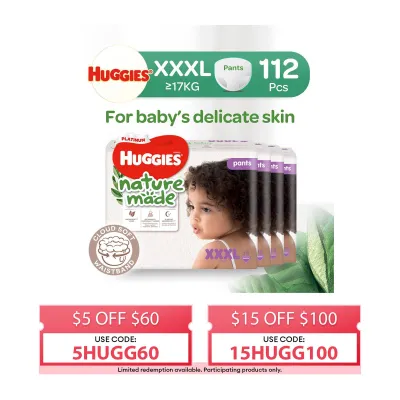
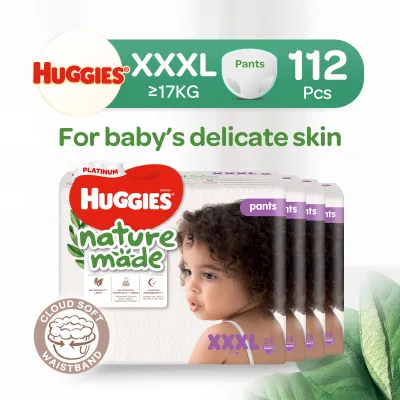
![[mkids] Huggies Platinum Naturemade Pants (M/L/XL/XXL/XXXL) [LOCAL SG DELIVERY]](https://img.lazcdn.com/g/p/209cdf5071cbbe8bb2888107c260df5a.jpg_400x400q80.jpg_.webp)
Prices are valid at publication and may change. Please refer to the product page for the latest price.
Huggies XXXL Pants: Design and Fit Profile
Huggies XXXL pants are engineered to accommodate larger toddlers who require a generous cut and reliable support during daily activities. When examining the waistband structure of these pants, you will notice a wide, highly stretchable elastic band that wraps comfortably around the toddler’s torso. This design is intended to distribute pressure evenly across the waist, minimizing the risk of localized digging or red marks. The pants feature a pull-up design with tear-away sides, allowing for quick and easy changes even when the toddler is standing or moving.

According to the manufacturer’s packaging, the materials used in Huggies XXXL pants are selected for their softness and gentle contact with the skin. The inner lining often incorporates textured patterns designed to channel wetness away quickly, keeping the surface dry. To verify these claims, parents can physically inspect the diaper’s interior, feeling for a plush, non-woven texture that remains soft even when compressed. The outer cover is designed to be breathable, allowing air circulation to help maintain a dry environment inside the diaper.
The specified weight range for Huggies XXXL pants typically targets toddlers weighing 18 kilograms and above, though parents should always verify the exact weight guidelines printed on the specific packaging pack they purchase. Because weight ranges often overlap between XXL and XXXL sizes, the manufacturer suggests using the weight guide as a starting point while paying close attention to the actual physical fit on the toddler’s body. If the current size is difficult to pull up or leaves marks, transitioning to the XXXL size can provide the necessary room and comfort.
How Leading Alternatives Compare in Practice
While Huggies is a prominent choice, several other leading diaper brands offer XXXL pants with distinct structural and material designs. Comparing these alternatives allows parents to identify which brand’s specific construction aligns best with their toddler’s unique shape and daily movement patterns.
Waistband Elasticity and Leak Protection
When comparing waistband designs across different brands, parents will encounter variations in height and elasticity. Some alternative brands feature a high-waist design that sits well above the toddler’s belly button. This style can be highly beneficial for toddlers with rounder bellies, as it prevents the waistband from rolling down during active play. Other brands utilize a standard-waist cut with highly concentrated elastic threads, which may offer a more snug fit but requires careful checking to ensure it does not pinch.
To evaluate waistband elasticity in practice, parents can perform a simple stretch test. Gently pull the waistband of the diaper to its maximum width and observe how quickly and smoothly it snaps back to its original shape. A high-quality waistband should stretch easily without requiring excessive force and should recover its shape without leaving gaps. Additionally, examine the leg cuffs of each brand. High, double-layered leg cuffs that sit comfortably in the groin crease offer the best protection against leaks. Ensure the elastic in the leg cuffs is soft and flexible, as stiff elastic can cause chafing during walking or running.
Material Softness and Breathability
The choice of materials varies significantly among leading diaper brands, directly impacting skin comfort and breathability. Some brands highlight the use of cotton-enhanced fabrics, while others may feature bamboo-blend fibers or advanced synthetic non-woven materials on their packaging. Parents should carefully read the ingredient and material labels on the packaging to identify any specific components that might suit or irritate their toddler’s skin.
Breathability is especially critical for active toddlers who perspire during outdoor play. Look for packaging claims that mention micro-pores, air-flow channels, or breathable outer sheets. A practical way to assess breathability is to observe the toddler’s skin during diaper changes. If the skin feels damp or shows signs of redness and heat rash, it may indicate that the diaper material is trapping moisture. If skin irritation or persistent redness occurs, parents should stop using the current brand immediately and consult a healthcare professional or pediatrician for guidance.
Comparison Matrix: What to Check on the Packaging
To make an informed decision, parents can systematically compare Huggies XXXL pants against alternative brands using a structured checklist. Because diaper formulations, sizing, and prices can change frequently, it is essential to verify these specifications directly on the product packaging or the manufacturer’s official website before making a purchase.
The following comparison framework outlines the key specifications parents should check when evaluating different XXXL diaper pants in the market:
| Specification Dimension | Huggies XXXL Pants (Verify on Packaging) | Alternative Brand A (Verify on Packaging) | Alternative Brand B (Verify on Packaging) |
|---|---|---|---|
| Stated Weight Range | Typically 18kg+ (Check pack for exact range) | Check packaging for specific weight limits | Check packaging for specific weight limits |
| Waistband Design | Wide, multi-thread elastic stretch zones | High-waist vs. standard-waist elastic structure | Seamless or gathered elastic waistband |
| Inner Lining Material | Textured non-woven fabric for dryness | Cotton-enhanced, bamboo, or synthetic fibers | Embossed or smooth dry-touch lining |
| Leg Cuff Structure | Double-layered leak guards | Single or double elastic leg barriers | High-rise leg cuffs with soft elastic |
| Estimated Price Range | Check local retailers (e.g., S$0.70 – S$0.95 per piece) | Check local retailers (e.g., S$0.65 – S$0.90 per piece) | Check local retailers (e.g., S$0.80 – S$1.10 per piece) |
When using this matrix, keep in mind that the price per diaper (expressed in S$) can vary based on pack sizes, promotional discounts, and retail outlets. Calculating the cost per single diaper sheet is a practical way to compare value, but it should always be balanced against the diaper’s performance in terms of fit and leak prevention.
Decision Framework: Choosing the Right XXXL Diaper
Selecting the ideal diaper involves matching the specific physical characteristics of the diaper to your toddler’s body shape, skin sensitivity, and activity level. Use the following condition-based guidelines to help guide your purchasing decision:
Choose Huggies XXXL if:
- Your toddler fits comfortably within the manufacturer's stated weight range (typically starting around 18kg) and has an active, average-to-sturdy build.
- You prefer a wide, highly elastic waistband that distributes pressure evenly and does not roll down during vigorous physical activity.
- The observed softness of the inner lining meets your standards for daily wear, and your toddler does not have known sensitivities to standard non-woven diaper materials.
Choose an alternative brand if:
- Your toddler has highly sensitive skin that requires specialized materials, such as organic cotton-enhanced or bamboo-blend fabrics, as indicated on the packaging.
- The cut of Huggies XXXL pants leaves persistent red marks around your toddler's thighs or waist, suggesting that a brand with a higher waist or softer leg cuff elastic would provide a better fit.
- You find that another brand's specific shape aligns better with your toddler's unique proportions, such as a slimmer waist combined with chunkier thighs.
Verify first if:
- Your toddler is currently transitioning between sizes (such as XXL and XXXL). In this scenario, it is highly recommended to purchase a small trial pack or request a sample before committing to a bulk purchase.
- You are unsure about the diaper's performance under specific conditions, such as long outings or nap times. Testing a single pack allows you to observe how the waistband and leg cuffs perform during real-world movement. Always monitor your toddler's skin closely during any transition, and consult a qualified professional if you notice persistent skin irritation.
Frequently Asked Questions (FAQ)
How do I know if my toddler needs to size up to XXXL?
There are several physical indicators that suggest it is time to transition your toddler to an XXXL diaper. First, check for visible red marks or deep indentations left by the waistband or leg cuffs on your toddler’s skin, which indicate the current diaper is too tight. Second, if you experience frequent leaks or blowouts despite proper diaper application, the absorbency or coverage may no longer be sufficient. Finally, if the diaper’s waistband sits significantly below the belly button or is difficult to pull up over the hips, check the manufacturer’s weight guidelines on the packaging to see if your toddler has reached the threshold for the next size up.
Are XXXL diapers suitable for overnight use?
While daytime diaper pants like Huggies XXXL focus heavily on stretch, flexibility, and breathability for active movement, overnight use presents different demands. During sleep, a diaper must handle larger volumes of liquid over an extended period without leaking. Some daytime pants may perform adequately overnight, but parents should check the packaging for specific overnight or high-absorbency claims. If you notice frequent leaks during the night, consider using a dedicated overnight diaper or a highly absorbent pant designed specifically for extended wear, ensuring your toddler remains dry and comfortable throughout the night.

Community discussion
Share your experience or ask a question. Comments are reviewed before publication.