
Quick Answer: Which Premium XXL Diaper is Best?
Selecting the ideal premium diaper for a toddler who has transitioned to XXL size in Singapore is rarely a matter of finding a single, universally superior brand. Every child features a completely unique physical build, a distinct level of daily activity, and a specific skin sensitivity profile that dictates how a diaper performs. Huggies XXL is widely recognized for its robust waistband elasticity and structured, secure design, which frequently suits highly active toddlers who require a snug fit around their lower back and hips to prevent shifting during play.
In contrast, premium competitors like Pampers or Drypers offer alternative advantages, such as ultra-thin core designs that minimize bulk under clothing or highly competitive bulk pricing options that appeal to budget-conscious households. Rather than relying solely on manufacturer marketing claims, parents should prioritize real-world, observable fit indicators like skin marks or leak patterns when evaluating these options. This comparison examines the three critical dimensions of fit, absorbency, and price-per-piece to help you determine which diaper best matches your toddler’s daily physical routine and your household’s financial budget.
Is Your Toddler Ready for XXL Diapers?
Transitioning your child to XXL diapers is a significant milestone that typically occurs during the active toddler years, but relying purely on age or general size charts can lead to fit issues. Most premium diaper brands design their XXL sizes for toddlers weighing approximately 15 to 25 kilograms, though you must always verify the exact weight range printed on the specific packaging of each brand, as these boundaries differ across manufacturers. Some brands may start their XXL range at 14 kilograms, while others might design theirs to accommodate children up to 28 kilograms, making a direct check of the packaging essential.
Products mentioned in this guide
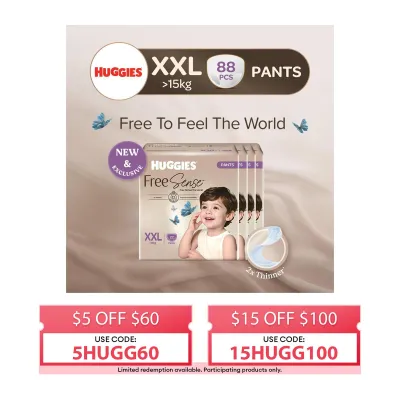
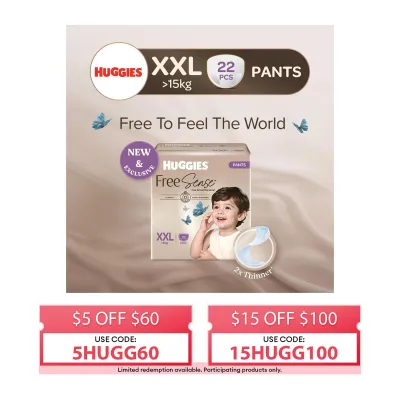
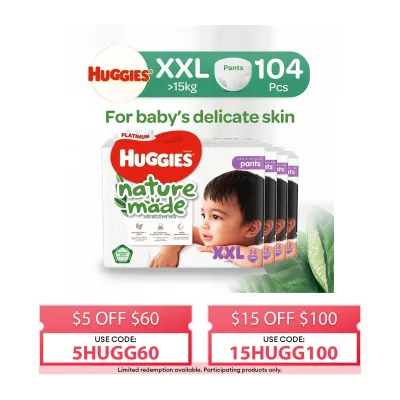
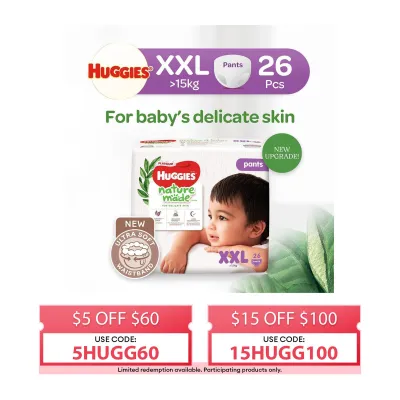
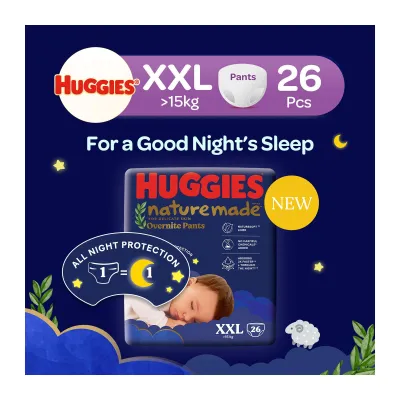
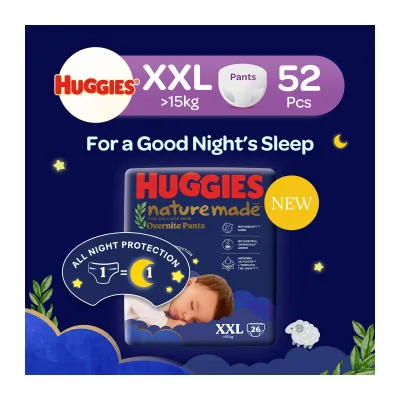
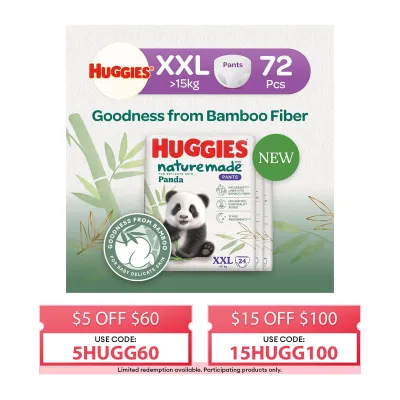
Prices are valid at publication and may change. Please refer to the product page for the latest price.

Physical indicators are often far more reliable than weight charts alone when deciding to transition your child to a larger size. If you notice deep, persistent red marks around your toddler’s thighs, waist, or hips after a few hours of wear, the diaper is likely too tight and restricting circulation or causing friction. Frequent side leaks or sudden back blowouts during normal daily activities are another clear sign that the current diaper’s absorbent core can no longer handle the volume or cover the necessary surface area. You might also find yourself struggling to fasten the adhesive tabs of tape diapers without overstretching the side panels, or noticing that pants-style diapers sit too low on the waist, failing to cover the navel.
A toddler’s mobility plays a massive role in diaper fit; as children begin running, climbing, and jumping, their physical movements cause diapers to shift and sag. An active toddler may require the structural security of an XXL diaper earlier than a less active peer of the same weight to prevent gaps from forming at the legs. When navigating this transition, avoid purchasing large bulk boxes immediately, as your toddler’s body shape changes rapidly during this growth phase. Instead, purchase smaller trial packs or single packs of XXL diapers to test the physical fit and performance over a few days before committing to a larger financial investment.
Comparing Huggies XXL Against Premium Competitors
Evaluating how Huggies XXL performs against other premium options in Singapore requires looking past brand names to examine physical design, materials, and structural engineering. This detailed breakdown focuses on the direct, observable differences in fit, absorbency, and overall cost efficiency that impact your daily caregiving routine.
Fit, Elasticity, and Leak Protection
The physical construction of an XXL diaper determines how well it stays in place while your toddler explores their environment. Huggies XXL pants and tape diapers typically emphasize a highly elastic, wide waistband design that aims to distribute pressure evenly around the toddler’s midsection, which can be highly beneficial for children with rounder bellies. This design philosophy contrasts with some competitors like Pampers, which often utilize a more contoured, streamlined chassis that focuses heavily on deep, double-layered leg cuffs to catch moisture before it escapes. Drypers frequently takes a balanced approach, offering a classic rectangular fit with reliable, standard elastication along the waist and legs to accommodate a wide variety of body shapes without excessive tightness.
To ensure you have achieved the correct fit during your daily routine, you should perform a quick three-step “fit check” after every change. First, slide two fingers easily under the waistband; if the fit is too tight to do this comfortably, the diaper is too small or fastened too snugly. Second, run your finger along the inner leg cuffs to ensure the elasticated leak guards are fully pulled outward rather than tucked inward, which is a common cause of leg leaks. Third, observe the diaper’s position after your toddler has spent fifteen minutes running or playing to see if the rear panel has sagged below the hips, indicating that the waistband lacks the necessary grip for your child’s body shape.
Stretchable side panels are vital for toddlers because their bellies expand naturally after meals and contract when they lie down or run. Fastening tabs on tape diapers must offer secure adhesion that can withstand multiple adjustments without losing grip when exposed to baby oil, sweat, or lotion. When shopping, examine the product label for specific mentions of ergonomic shaping, 360-degree stretch waistbands, or reinforced leg barriers to understand the structural features on offer.
Absorbency, Breathability, and Skin Comfort
An XXL diaper must be capable of rapidly drawing away large volumes of liquid while keeping the surface directly touching your toddler’s skin dry. Modern premium diapers rely on advanced core technologies, combining distribution layers that spread wetness evenly with superabsorbent polymers (SAP) that lock fluid into a gel. Huggies XXL utilizes a multi-channel absorbent core designed to prevent liquid from pooling in one spot, which helps maintain a thinner profile and reduces the risk of sagging. Pampers often highlights extremely thin core designs that remain remarkably compact even wet, while Drypers typically uses a slightly thicker, traditional pulp-and-polymer blend that provides a sturdy feel.
You can easily assess absorbency performance at home by checking the accuracy of the external wetness indicator line, which changes color as moisture builds up. Gently press a dry paper towel against the inside of a moderately wet diaper during a change; if the towel remains dry, the core is successfully locking away moisture. Observe whether the diaper sags excessively between the toddler’s legs when full, as a heavy, sagging core can pull the waistband down and cause gaps that lead to leaks.
Singapore’s warm, humid climate makes breathability a critical factor in preventing heat rash and diaper dermatitis. High-quality diapers feature micro-pores on the outer backsheet that allow warm air and moisture vapor to escape while keeping liquid trapped inside. You can verify breathability by feeling the outside of a wet diaper; a slightly damp or cool sensation on the outer cover often indicates that heat and vapor are successfully escaping.
Skin comfort also depends heavily on the materials used in the inner liner, especially for toddlers prone to eczema or sensitivity. Always check the product packaging for fragrance-free claims, dermatological testing certifications, and the complete absence of elemental chlorine or natural rubber latex. If your toddler has highly sensitive skin, prioritize diapers that explicitly state they are hypoallergenic and free from added lotions or botanical extracts that could trigger an allergic reaction.
Price-Per-Piece and Value Assessment
Evaluating the financial impact of diapering an active toddler requires looking beyond the shelf price of a single pack. Comparing pack prices is highly misleading because different brands and sub-lines pack vastly different quantities of diapers into their bags. To establish a true cost comparison, you must calculate the price-per-piece by dividing the total cost of the pack by the number of diapers inside. Be aware that as diaper sizes increase from Large to XL and XXL, the number of pieces per pack decreases significantly, which naturally drives up the cost per change. For example, a standard premium pack of XXL diapers may contain only thirty to forty pieces, compared to over fifty pieces in smaller sizes of the same line.
In Singapore, smart purchasing strategies can dramatically lower your overall diaper expenses over the course of a year. Compare prices across official brand stores on major online marketplaces, local supermarket chains, and specialty baby retailers to find the best deals. Many parents save money by utilizing subscription services offered by online retailers, which provide recurring discounts on scheduled deliveries. Major online shopping festivals and baby fairs in Singapore also offer excellent opportunities to purchase diapers at discounted rates.
However, avoid the temptation to buy a new brand or size in massive bulk during a sale before you have thoroughly tested a single pack on your child. An ill-fitting diaper that leaks constantly will ultimately cost you more in wasted pieces, extra laundry, and skin treatments than any initial discount is worth.
Decision Framework: Choosing the Right Brand for Your Child
Selecting the ideal premium diaper requires balancing your toddler’s physical needs with your household’s practical and financial considerations. This structured decision framework helps you determine which brand aligns best with your specific requirements.
- Choose Huggies XXL if: Your toddler has a rounder midsection or is highly active, requiring a wide, highly elastic waistband that distributes pressure evenly and stays secure during vigorous play, and your initial trial pack confirms no red marks around the waist.
- Choose Pampers if: Your priority is a highly streamlined, ultra-thin diaper core that minimizes bulk under clothing, and your home tests demonstrate that the liner keeps your toddler's skin exceptionally dry overnight.
- Choose Drypers if: You seek a dependable, classic fit with a robust absorbent core that offers a practical balance between performance and price-per-piece, fitting comfortably within your monthly household budget.
- Neither may fit if: Your toddler experiences persistent leaks, frequent blowouts, or localized skin irritation across all three brands, which suggests you may need to adjust the size, try a specialized hypoallergenic line, or seek a medical evaluation.
- Verify first if: Your toddler has a documented history of severe diaper rash, eczema, or contact allergies; in these cases, consult a pediatrician and carefully review the manufacturer's material disclosures before introducing a new brand.
Frequently Asked Questions (FAQ)
How long can an XXL diaper safely be worn overnight?
While many premium XXL diapers are engineered to support up to 10 to 12 hours of overnight protection, the safe duration depends heavily on your toddler’s fluid intake and skin sensitivity. Check the manufacturer’s packaging for specific overnight performance claims, but always change the diaper immediately upon waking to prevent prolonged exposure to moisture, which can compromise the skin barrier. If your child is a heavy nighttime wetter or wakes up with damp skin, consider changing them immediately before you go to sleep to ensure their skin remains dry.
Should I buy XXL diapers in bulk during online sales?
Exercising caution is highly recommended when purchasing XXL diapers in large quantities, as toddlers can outgrow this size or transition to toilet training much faster than infants. A practical approach is to purchase a one-to-two-month supply during major Singapore e-commerce sales events to secure a favorable price-per-piece. This strategy allows you to take advantage of promotional discounts without risking a large surplus of unused diapers if your child suddenly achieves potty-training readiness.

Community discussion
Share your experience or ask a question. Comments are reviewed before publication.