
Transitioning your toddler to size XL diapers is a significant milestone that usually coincides with increased mobility, larger fluid volumes, and longer sleep stretches. In Singapore’s warm and humid climate, finding the right diaper requires balancing reliable leak protection with excellent breathability to keep your child’s skin dry and healthy. Because every toddler has a unique body shape, activity level, and skin sensitivity, there is no single diaper brand that works perfectly for every household.
Instead of relying on generic marketing claims or subjective reviews, parents can make a more practical choice by systematically comparing Huggies XL against alternative brands. By evaluating manufacturer specifications, observable design features, and the true cost per use, you can identify the diaper that best matches your toddler’s daily routine and your family’s budget. This guide provides a structured framework to help you analyze your options and choose the most suitable diaper for your toddler’s needs.
Core Performance Criteria for XL Toddler Diapers
When comparing Huggies XL with other diaper brands on the market, focusing on specific, observable product features on the packaging will help you cut through the marketing jargon. The most critical performance areas to evaluate include absorbency, fit, and skin compatibility.
Products mentioned in this guide
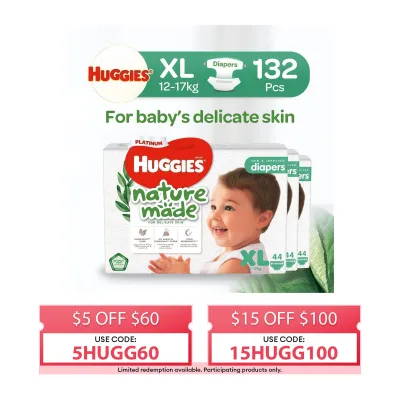
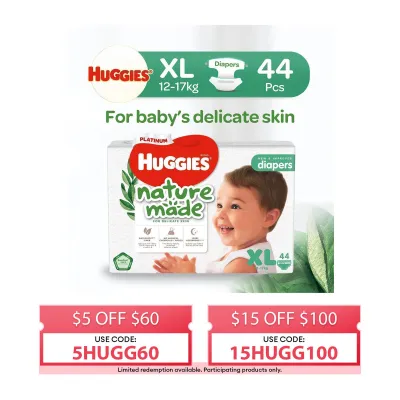
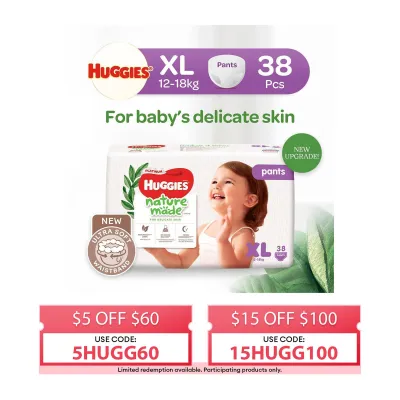
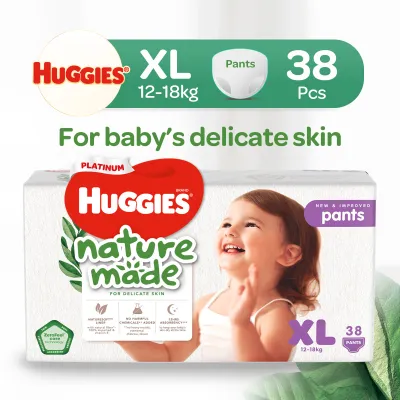
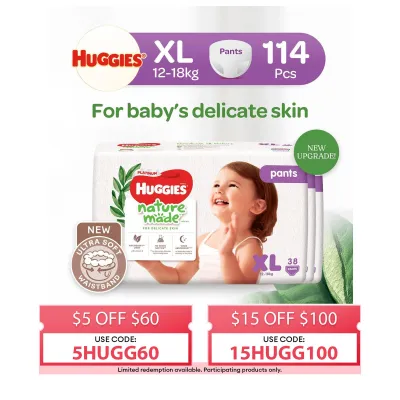
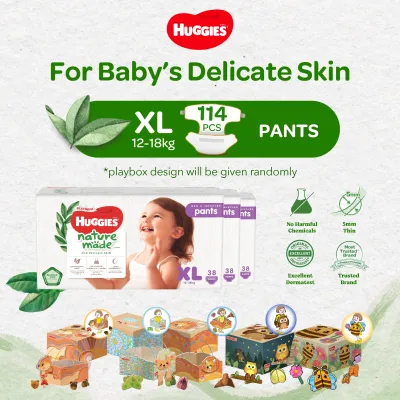
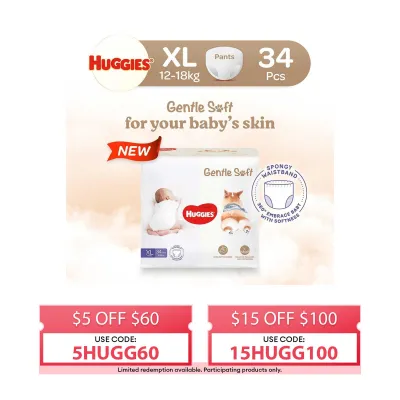
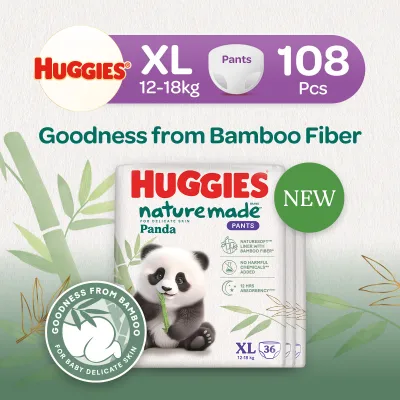
Prices are valid at publication and may change. Please refer to the product page for the latest price.
Absorbency and Leak Protection
At the XL size, toddlers produce a larger volume of urine, making advanced absorbency essential, especially for overnight wear. When examining diaper packaging, look for mentions of superabsorbent polymers (SAP) and specialized core distribution channels. These channels are designed to distribute liquid evenly throughout the diaper rather than letting it pool in one spot, which helps prevent sagging and leaks.
Additionally, check for the presence of a wetness indicator—a color-changing strip on the outside of the diaper. While experienced parents may not always need it, a wetness indicator is highly useful for quick checks during active play or before bedtime. You should also look for specific manufacturer claims regarding overnight capacity, which often indicate a thicker absorbent core or additional distribution layers designed to keep moisture away from the skin for extended periods.
Fit and Mobility
Toddlers wearing XL diapers are typically walking, running, climbing, and squatting throughout the day. A diaper must secure firmly while flexing with these constant movements. To evaluate fit, inspect the waistband and leg cuffs of the diaper. Look for wide, highly stretchy waistbands that sit comfortably above the hips without digging into the skin.
For leg cuffs, look for double elastic barriers or leak guards. These cuffs should fit snugly around your toddler’s thighs to prevent side leaks without leaving deep red marks. Always refer to the manufacturer’s specific sizing chart on the back of the pack. While XL is generally designed for toddlers weighing between 12 and 17 kilograms, actual fit can vary significantly between brands depending on whether the diaper is cut narrow or wide.
Skin Comfort and Breathability
Singapore’s high humidity makes diaper breathability a primary concern for preventing heat rash and diaper dermatitis. When comparing brands, look for diapers that feature a breathable outer cover or backsheet, which allows micro-vapors to escape while keeping liquid trapped inside.
To minimize the risk of skin irritation, check the packaging for hypoallergenic claims, dermatological testing labels, and explicit “fragrance-free” or “elemental chlorine-free” markings. Diapers that avoid added fragrances, lotions, and harsh bleaching agents are generally more suitable for toddlers with sensitive skin or a history of contact rashes.
How to Evaluate Huggies XL Against Alternatives
To make an objective comparison, it is helpful to organize the specifications of Huggies XL alongside alternative brands you are considering. Because diaper designs are updated frequently, always verify the details directly from the packaging of the specific product line you intend to buy.

| Evaluation Feature | Huggies XL (Pants/Tape) | Alternative Premium Brand | Alternative Budget Brand |
|---|---|---|---|
| Stated Weight Range | Verify on packaging (e.g., 12–17 kg) | Verify on packaging | Verify on packaging |
| Absorbent Core Tech | Check for channel design or gel core | Check for channel design or gel core | Check for channel design or gel core |
| Waistband Elasticity | Inspect stretch and softness | Inspect stretch and softness | Inspect stretch and softness |
| Breathability Features | Look for micro-pore backsheet claims | Look for micro-pore backsheet claims | Look for micro-pore backsheet claims |
| Fragrance & Additives | Check for fragrance-free labels | Check for fragrance-free labels | Check for fragrance-free labels |
| Country of Manufacture | Check back of pack | Check back of pack | Check back of pack |
Interpreting these manufacturer specifications requires looking closely at how the diaper is constructed. For example, a diaper with a high percentage of fluff pulp in the core may feel softer and thicker, but it might sag more when wet compared to a diaper that utilizes a thin, full-SAP core.
It is also important to distinguish between diaper pants (pull-ups) and traditional tape diapers. For highly active toddlers who resist lying down for changes, diaper pants are often the preferred choice in Singapore. However, tape diapers allow for a more customizable fit around the waist and thighs, which can be advantageous for toddlers who fall between standard size categories.
Always check the packaging for recent formulation or design updates. Manufacturers regularly update their diaper lines—sometimes changing the waistband material, altering the core technology, or updating the outer graphics. A brand that worked well for your child in size L might have a slightly different cut or material composition in its XL version, making a direct inspection of the physical diaper highly valuable.
Assessing Price and Value for XL Diapers
While performance is crucial, diapering a toddler is a significant ongoing expense. To find the most cost-effective option, you must calculate the true cost per diaper rather than simply comparing the retail price of individual packs.
To calculate the cost per diaper, use this simple formula:
$$\text{Cost per Diaper} = \frac{\text{Total Pack Price (S\$)}}{\text{Number of Diapers in the Pack}}$$
For example, if a pack of Huggies XL pants costs S$26.00 and contains 38 diapers, the cost per diaper is approximately S$0.68. If an alternative brand costs S$22.00 for a pack of 44 diapers, the cost per diaper is S$0.50.
When evaluating these numbers, consider how shopping habits influence your overall expenditure. Buying single packs at local convenience stores or neighborhood supermarkets is convenient but typically carries a higher unit cost. Purchasing in bulk—such as buying cartons of three or four packs from official brand stores on major ecommerce platforms—often unlocks significant discounts, free shipping, and promotional vouchers.
However, a lower cost per diaper does not always translate to better practical value. If a cheaper diaper has lower absorbency, you may find yourself changing your toddler more frequently throughout the day, or dealing with wet clothes and bedding after overnight sleep. In such cases, using a slightly more expensive, highly absorbent diaper that lasts longer can actually reduce your total daily diaper consumption and save you money in the long run.
Decision Framework: Choosing the Right Diaper for Your Toddler
To finalize your purchasing decision, match your toddler’s specific physical needs and daily routine against the observable features of Huggies XL and its competitors.
Choose Huggies XL if:
- Your toddler is highly active: The packaging highlights a highly flexible, secure waistband and leg elastic system designed to stay in place during vigorous movement.
- You prefer targeted absorbency zones: You are looking for a diaper that specifies gender-specific or targeted absorbency zones (such as more absorbency in the front for boys or the center for girls) to match your toddler's wetting patterns.
- You value brand consistency: Your toddler has successfully used smaller sizes of the same brand without experiencing leaks or skin irritation.
Choose alternative premium brands if:
- Your toddler has highly sensitive skin: You require verified fragrance-free materials, organic cotton components, or specific independent dermatological certifications that are clearly labeled on the alternative brand's packaging.
- You need maximum overnight capacity: Your toddler is a heavy wetter at night, and you find that alternative brands offer a thicker, dedicated overnight core that prevents morning leaks more effectively.
Choose budget or store brands if:
- You practice frequent daytime changes: You are potty training or prefer to change your toddler's diaper every few hours during the day, making a highly cost-effective daytime diaper more practical.
- Your toddler does not experience skin sensitivities: Your child has resilient skin that does not react to standard diaper materials, allowing you to prioritize cost savings.
Verify first if:
- Your toddler is on a weight boundary: If your toddler weighs around 12 kilograms, they are at the upper limit of size L and the lower limit of size XL. Check the fit around the waist and thighs; if the current size L is leaving red marks or leaking, it is time to transition to XL, even if your toddler is slightly below the recommended weight range.
- There is a history of contact rashes: Always inspect the ingredient list on the packaging of any new diaper brand. If your toddler has a history of skin reactions, introduce the new brand slowly during daytime hours so you can monitor their skin closely.
Frequently Asked Questions (FAQ)
When should I switch my toddler to XL diapers?
You should consider switching your toddler to XL diapers when they reach the lower weight threshold indicated on the manufacturer’s sizing chart, or when you observe physical signs of poor fit. Common signs include deep red elastic marks around your toddler’s thighs or waist, the waistband sitting too far below the belly button, or the diaper failing to cover their bottom fully. Additionally, if you experience sudden, frequent leaks or blowouts despite securing the diaper correctly, it is often a clear indication that the current size no longer has sufficient absorbent capacity to handle your toddler’s output.
What should I do if my toddler gets a rash from a new diaper brand?
If your toddler develops a rash after you switch to a new diaper brand, stop using that specific brand immediately and revert to a diaper that you know does not irritate their skin. Keep the affected area clean and dry, applying a thick barrier cream containing zinc oxide during changes, and allow for diaper-free time to let the skin breathe. If the rash persists for more than a few days, worsens, bleeds, or is accompanied by a fever, consult a qualified pediatrician or healthcare professional for a proper diagnosis and treatment plan. Before purchasing a different brand in the future, carefully check the packaging to ensure it is fragrance-free and hypoallergenic.

Community discussion
Share your experience or ask a question. Comments are reviewed before publication.