
Quick Answer: Which Diaper Pants Suit Active Toddlers?
Finding the ideal diaper pant among Huggies, Mamypoko, and Drypers depends entirely on your toddler’s unique body shape, movement style, and skin sensitivity. There is no single universal winner, as a diaper that fits one active child perfectly may cause leaks or discomfort on another.
Active toddlers who crawl, climb, and run require diaper pants that stretch dynamically with their movements. The key to preventing leaks is matching the diaper’s structural design to your child’s physical proportions.
Instead of relying solely on brand reputation, parents should evaluate specific product line features, such as waistband elasticity and leg cuff height. Observing how a diaper behaves during active play is the most reliable way to find the perfect match for your child.
Products mentioned in this guide
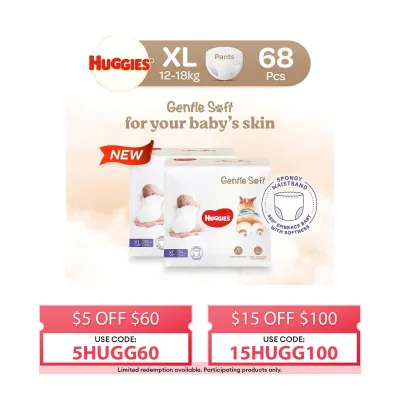
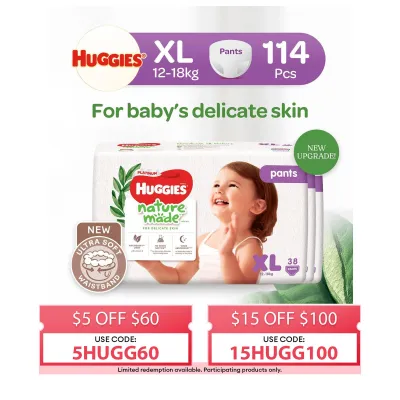
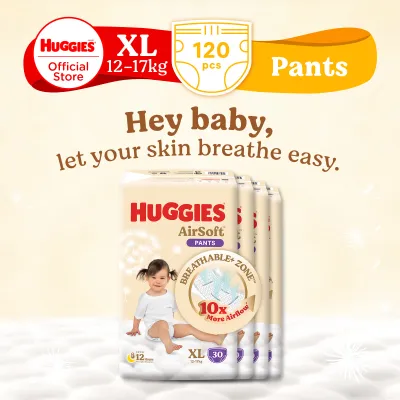
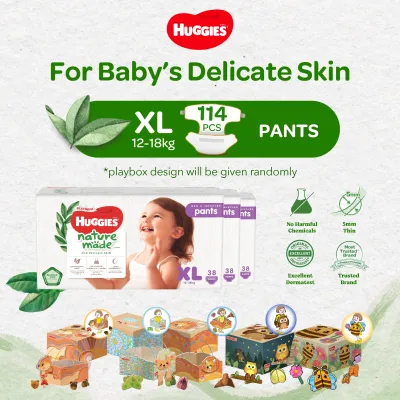
![[1 Carton] Huggies Airsoft Pants (M-XXL)](https://img.lazcdn.com/g/p/b4489ca1cd95954b2008e26eb45eba14.png_400x400q80.png_.webp)
Prices are valid at publication and may change. Please refer to the product page for the latest price.
Comparing Fit and Leak Protection for Active Movement
Active toddlers put diaper pants to the ultimate test. When a child transitions from sitting to running or climbing, the diaper must stretch and contract dynamically to maintain a secure seal.

To evaluate waistband elasticity, gently stretch the waistband of a fresh diaper pant. Look for a wide, multi-strand elastic band that distributes pressure evenly across the lower back and abdomen. A waistband that is too narrow or stiff can dig into the skin or slip down during play.
Leg cuffs are the primary defense against side leaks. Examine the double-layered leg gathers, often called standing leg cuffs, on the packaging or physical product. These should stand upright and wrap snugly around the thighs. When your toddler moves, these cuffs must remain flush against the skin without collapsing inward.
After a period of active play, inspect your toddler’s skin for physical indicators of fit. Red marks around the waist or thighs indicate that the elastic is too tight or the size is too small. Conversely, gaps between the diaper and the skin when the toddler bends over suggest the fit is too loose, which inevitably leads to leaks.
The placement and flexibility of the absorbent core also play a critical role. Some diaper pants feature a segmented or channeled core designed to distribute liquid evenly and prevent sagging. A sagging diaper pulls the waistband down, compromising the overall fit and increasing the risk of leaks during high-energy activities.
Observe how the diaper handles a full load while your toddler is upright. If the core bunches up between the thighs, it can restrict movement and cause the child to walk awkwardly. Look for designs that maintain their shape even when wet to ensure your toddler can move freely.
Breathability, Material, and Skin Comfort Checks
In Singapore’s warm and humid climate, breathability is essential for maintaining healthy skin. Active toddlers sweat more, and trapped moisture inside a diaper can quickly lead to diaper rash or heat rashes.
When comparing Huggies, Mamypoko, and Drypers, start by feeling the inner lining of the diaper. It should feel soft and cloth-like to the touch, minimizing friction against your toddler’s delicate skin during constant movement.
Check the product packaging for indicators of breathability, such as micro-pores, breathable outer covers, or vapor-release technology. These features allow hot air and moisture to escape while keeping liquid locked inside.
Monitor your toddler’s skin closely during diaper changes. If the skin feels damp, clammy, or unusually warm immediately after removing the diaper, the material may not be ventilating effectively. This trapped humidity creates an ideal environment for skin irritation.
Sensitive skin requires extra vigilance. Many premium lines within these brands offer fragrance-free, lotion-free, or hypoallergenic options. Check the ingredient list on the packaging to ensure there are no added scents or chemicals that could trigger an allergic reaction.
Pay attention to the waistband material as well. The elastic area is a common site for sweat accumulation. A breathable, ventilated waistband helps channel heat away from the torso, reducing the likelihood of localized heat rashes around the waistline.
Navigating XL Sizing and Weight Ranges
Choosing the correct size is often more important than choosing the brand itself. While weight ranges printed on diaper packs serve as a helpful starting point, they are only general guidelines.
A toddler weighing 12 kg might fit comfortably in a Large size of one brand but require an Extra Large (XL) in another. This discrepancy occurs because different brands design their diapers around different body proportions.
To determine if your toddler is ready for XL pants, cross-reference their current weight with the manufacturer’s weight chart. However, do not rely on weight alone; consider your child’s physical build. Toddlers with rounder bellies or thicker thighs often need to size up sooner to prevent the elastic from digging in.
Look for clear physical signs that your toddler has outgrown their current size. If the waistband sits significantly below the belly button, or if you struggle to pull the pants up over their hips, it is time to transition to a larger size.
Another telltale sign is frequent leaking, especially if the diaper is not completely saturated. This often indicates that the absorbent area is too small to cover the child’s wetness zone, or that the leg cuffs are stretched too thin to create an effective seal.
Keep in mind that even within a single brand, different product lines may have slightly different cuts and sizing tolerances. Always verify the specific dimensions and fit of a new pack before buying in bulk.
Decision Framework: Choosing the Right Brand for Your Toddler
To find the ideal diaper pant without wasting money, parents can use a structured, step-by-step decision framework based on observable toddler traits and practical purchasing habits.
First, assess your toddler’s physical build and movement patterns. For toddlers with chunky thighs, prioritize brands known for highly stretchable leg cuffs. For toddlers with slimmer builds who climb constantly, focus on waistbands with high-rise coverage and secure elastic tension.
Second, evaluate your child’s skin sensitivity and the local environment. If your home is not air-conditioned or if your toddler spends a lot of time outdoors in Singapore’s heat, prioritize maximum breathability and fragrance-free materials.
Third, consider your budget and purchasing convenience. Calculate the cost per piece in S$ rather than the price per pack, as pack counts vary significantly between brands and sizes. Check online marketplaces and local supermarkets for bulk discounts, but do not commit to large quantities initially.
Before purchasing a full carton, always buy small trial packs or request samples directly from the brand’s official website. Testing a small quantity allows you to observe how the diaper performs over a few days of active play and sleep.
Finally, establish a routine verification step. Every few months, re-evaluate the fit. Toddlers grow in spurts, and a brand that fit perfectly last month may suddenly start leaking as your child’s body shape changes.
Frequently Asked Questions (FAQ)
How do I know if the diaper pants are too tight or too loose?
A diaper pant is too tight if it leaves deep, persistent red marks on your toddler’s thighs or waist after use. You can verify the tension by performing the two-finger rule: slide two fingers comfortably under the waistband and around the leg cuffs. If you feel excessive resistance or cannot slide your fingers in easily, the diaper is too tight. Conversely, if the diaper sags significantly when empty, or if you can see visible gaps around the legs when your toddler stands, the fit is too loose and will likely leak.
Should I switch to tape diapers at night if pants leak?
If your toddler experiences frequent nighttime leaks with diaper pants, switching to tape diapers can sometimes resolve the issue. Tape diapers allow you to customize the fit around the waist and thighs independently, which is highly beneficial for toddlers who sleep in unusual positions. However, before making the switch, check if the current pants are simply saturated. If the diaper is full, you may need a dedicated overnight pant with higher absorbency rather than a change in style. If the diaper is dry but leaks occur, a tape diaper or a different size of pants may provide a better seal.

Community discussion
Share your experience or ask a question. Comments are reviewed before publication.