
Choosing between Huggies XXL and Pampers XXL diapers for your toddler in Singapore comes down to matching your child’s unique body shape, skin sensitivity, and daily activity levels with each brand’s specific design. While both brands offer high-quality options for larger toddlers, they differ in their physical cut, waistband stretch, and absorbency distribution. Instead of looking for a universal winner, parents can find the ideal option by observing how each diaper fits their child’s build and handles the humid Singapore climate.
As toddlers grow into the XXL size range, their physical activity increases significantly. This transition requires a diaper that not only holds a larger volume of liquid but also stays secure during running, climbing, and jumping. By focusing on observable fit indicators and practical performance checks, you can confidently select the brand that keeps your toddler dry and comfortable throughout the day and night.
Verifying the Right Size and Fit for Your Toddler
To determine if XXL is the correct size for your toddler, start by checking the manufacturer’s weight guidelines printed on the diaper packaging. While these weight ranges provide a helpful baseline, they are not absolute rules. Toddlers of the exact same weight can have vastly different body shapes, meaning a diaper that fits a tall, lean child well might be too tight on a shorter child with a rounder tummy or chubbier thighs.
Products mentioned in this guide
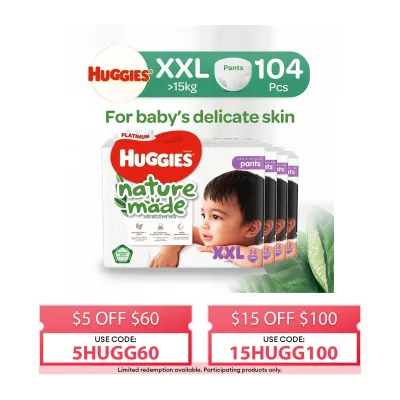
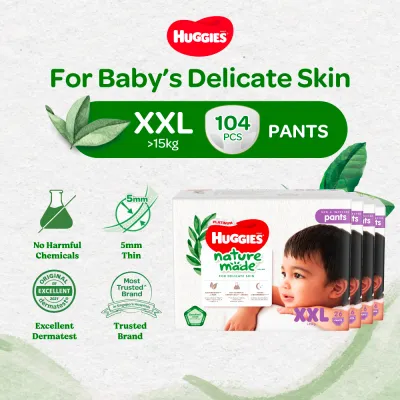
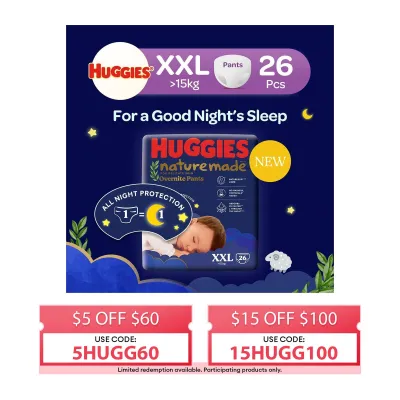
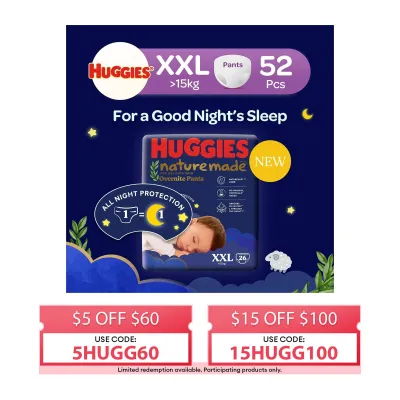
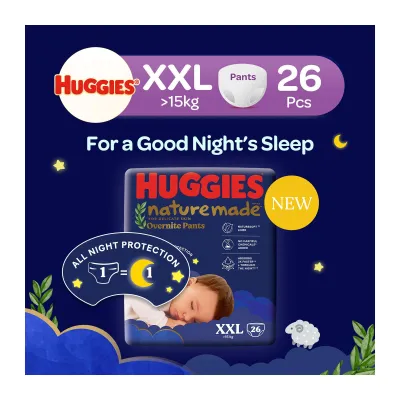
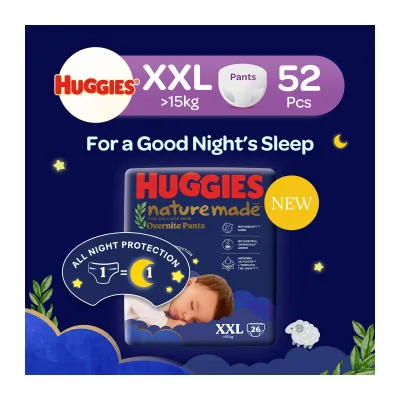
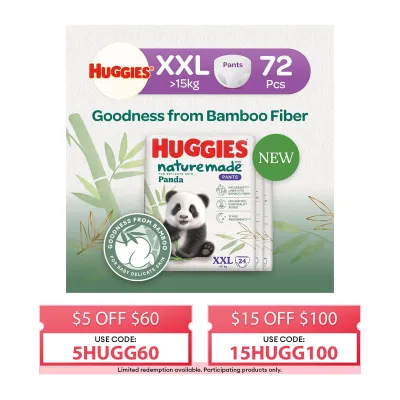
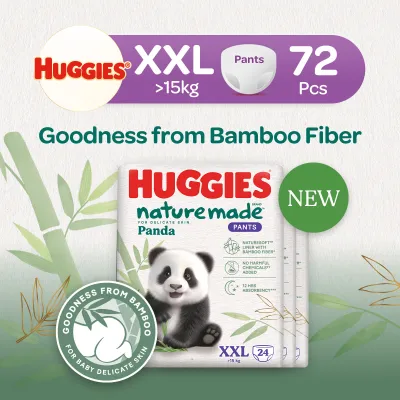
Prices are valid at publication and may change. Please refer to the product page for the latest price.
When evaluating the physical fit of Huggies or Pampers XXL diapers on your child, look for specific physical signs during and after wear. Run your finger along the waistband once the diaper is secured; you should easily fit two fingers between the diaper and your toddler’s skin. If you notice deep red marks or indentations on your child’s waist or inner thighs after removing the diaper, the fit is too tight, indicating it may be time to adjust the fastening or try a different cut.
Another critical area to inspect is the leg cuffs. Ensure the elastic barriers around the legs are fully flared outward rather than tucked inward, as tucked cuffs are a primary cause of side leaks. If you observe gaps between the diaper material and your toddler’s thighs when they bend or run, the diaper may be too loose, or the cut may not suit their leg shape.
The general cut and waistband design differ noticeably between these two brands. Huggies XXL diapers often feature a more structured, pocket-like waistband at the back, which is designed to catch up-the-back leaks and provide a secure, snug fit around the lower back. In contrast, Pampers XXL diapers frequently utilize a highly stretchable, thinner waist panel that wraps smoothly around the torso, offering a flexible feel that moves easily with highly active toddlers. Physically stretching the waistbands of both brands during a trial run will help you determine which style aligns better with your child’s build.
Evaluating Absorbency and Leak Protection Needs
Assessing absorbency requires looking closely at the diaper’s construction and monitoring how it performs under real-world conditions. Both brands print information on their packaging regarding their absorbent core technologies, such as specialized channels designed to distribute liquid evenly across the diaper. These channels help prevent the diaper from sagging or clumping in one spot, which can restrict your toddler’s movement and lead to premature leaks.

Wetness indicators are another standard feature to look for on the diaper exterior. These color-changing lines provide a quick visual cue to help you monitor wetness without having to undo the diaper. However, because older toddlers produce a larger volume of urine, you should also rely on physical touch and visual checks to determine when the absorbent core has reached its capacity.
Tracking the specific patterns of any leaks that occur can help you identify whether the diaper design matches your toddler’s habits. For instance, if leaks consistently occur at the front of the diaper, it may indicate that the absorbent core’s distribution is not aligned with your child’s sleeping position, such as tummy sleeping. Side leaks, on the other hand, often suggest that the diaper is shifting during active play or that the leg cuffs are not sealing properly against the skin.
In Singapore’s warm and humid climate, adjusting your changing routine is essential for maintaining dryness and skin health. Even if a diaper is rated for long-term wear, leaving a wet diaper on an active toddler for extended periods can cause discomfort. For daytime use, prioritize a diaper that offers a lightweight feel and flexible movement. For overnight use, verify if the packaging specifies extended dryness protection, and consider sizing up or choosing a dedicated overnight diaper if your toddler frequently wakes up wet.
Monitoring Breathability and Skin Compatibility
Maintaining healthy skin in a tropical climate requires careful attention to diaper breathability and material composition. Read the product packaging to check for breathability claims, such as micro-porous outer covers or breathable layers that allow hot air and moisture to escape. Minimizing trapped heat is crucial for preventing common skin issues like heat rash, which can develop quickly when active toddlers sweat under synthetic materials.
You should also check the packaging for disclosures regarding added lotions, fragrances, or specific manufacturing processes, such as elemental chlorine-free bleaching. Some toddlers have highly sensitive skin that reacts to synthetic fragrances or botanical additives, while others tolerate them without any issues. If your child has a history of skin sensitivity, opting for fragrance-free and hypoallergenic options is a practical starting point.
Regularly monitor your toddler’s skin in the diaper zone, paying close attention to the waistline, hips, and groin folds. Look for early signs of irritation, such as mild redness, dry patches, or small red bumps. Because friction from movement can exacerbate skin irritation, ensure the diaper material feels soft to the touch and does not rub harshly against your child’s skin during play.
Establish clear guidelines for managing skin reactions to ensure your toddler’s safety. If you observe persistent redness, diaper rash, or broken skin that does not improve with regular diaper changes and barrier creams, stop using the current diaper brand immediately. Keep the affected area clean, dry, and exposed to air when possible, and consult a pediatrician or qualified healthcare professional to address the issue safely.
Calculating Cost and Finding Reliable Retailers in Singapore
To manage your household budget effectively, calculate the cost per piece of the diapers rather than comparing the total price of the pack. Because XXL diapers contain fewer pieces per pack than smaller sizes, the price per individual diaper is significantly higher. Divide the total retail price in S$ by the number of diapers in the pack to find the true unit cost, allowing you to make an accurate financial comparison between Huggies and Pampers.
When purchasing diapers in Singapore, always buy from authorized retailers to ensure you are receiving authentic products. Official brand stores on major e-commerce platforms, established local supermarkets, and reputable baby specialty shops are reliable sources. Purchasing from unauthorized parallel importers carries the risk of receiving older stock or products that have been stored in poor conditions, which can compromise the diaper’s performance.
Proper storage is vital for maintaining the integrity of the diapers, especially when buying in bulk during promotional sales. Singapore’s high humidity can degrade the adhesive tapes and affect the absorbent polymers inside the diaper core over time. Store your bulk diaper packs in a cool, dry indoor area, keeping them sealed in their original packaging until they are ready for use. Check the manufacturing dates printed on the packaging to ensure you are using the oldest stock first.
Decision Framework: Choosing Between Huggies and Pampers XXL
To make your final decision, evaluate how your toddler’s specific needs align with the design characteristics of each brand. This structured approach helps you select the diaper that offers the optimal balance of fit, comfort, and performance for your daily routine.
Choose Huggies XXL if:
- Your toddler has a rounder, sturdier build and benefits from a structured, pocketed waistband that fits snugly around the lower back.
- You frequently experience leaks escaping from the back of the diaper during sitting, crawling, or rolling.
- You prefer a diaper with a slightly thicker, more substantial feel that provides a secure fit during active daytime play.
Choose Pampers XXL if:
- Your toddler is highly active, lean, and requires a thin, highly stretchable waist panel that conforms closely to their movements.
- You prefer a lightweight, low-bulk diaper design that fits easily under lightweight summer clothing.
- You find that the distribution of the absorbent channels aligns well with your toddler's wetness patterns, keeping them dry without sagging.
Verify first if:
- Your toddler is currently between sizes, in which case you may need to adjust the fastening tabs or try a pants-style diaper to find the right fit.
- Your child has highly sensitive skin, which requires testing a small pack first to monitor for any adverse reactions before purchasing in bulk.
- Leaks persist despite correct sizing, which may indicate the need to adjust your changing frequency or evaluate your toddler's fluid intake before bedtime.

Community discussion
Share your experience or ask a question. Comments are reviewed before publication.