
Quick Answer: Which Swimming Diaper Should You Choose?
Choosing the right swimming diaper in Singapore depends on your child’s body shape, your budget, and where you plan to swim. For active babies who need quick changes, Huggies Little Swimmers are highly regarded for their refastenable, stretchy side panels. If you prioritize a snug, swimwear-like fit with dual barriers to prevent leaks, Pampers Splashers offer an excellent pull-on design. For families who swim frequently in private condo pools or visit ActiveSG public pools and want to manage costs, store brands or supermarket house brands provide a highly economical alternative for bulk use.
Each option has distinct structural advantages. Premium brands focus on advanced elasticity and easy-tear sides, while store brands offer straightforward, functional containment at a lower price per unit. Before making a purchase, always verify the weight range on the packaging, check the fit around your child’s thighs, and review any specific pool-entry guidelines at your local swimming facility.
How Swimming Diapers Actually Work
To choose the right product, it is essential to understand that swimming diapers do not function like regular disposable diapers. Standard diapers are packed with superabsorbent polymers designed to lock in liquid. When submerged in a pool, these polymers absorb water instantly, causing the diaper to swell, become heavy, and sag. This waterlogging not only weighs down your baby, making swimming difficult and unsafe, but it can also cause the diaper material to burst and release gel into the pool.
Products mentioned in this guide
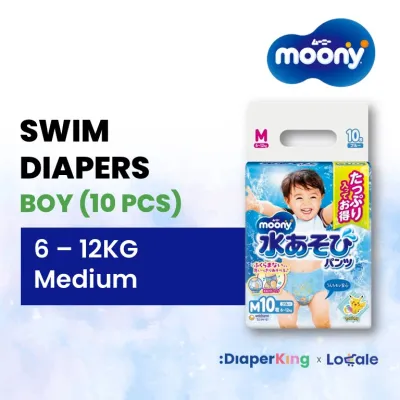
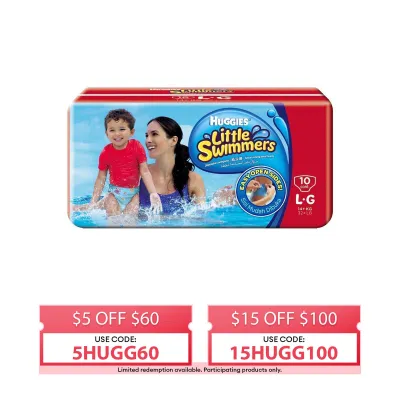
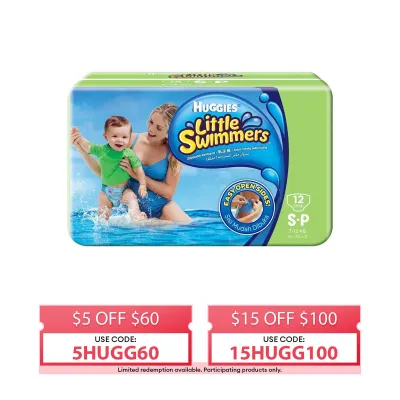
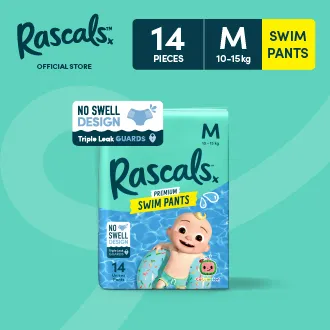
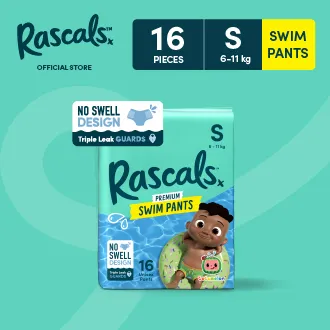
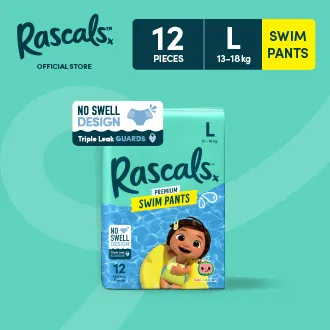
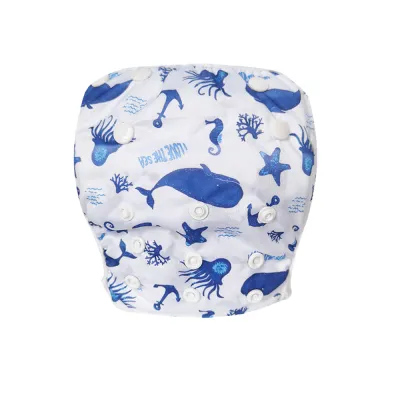
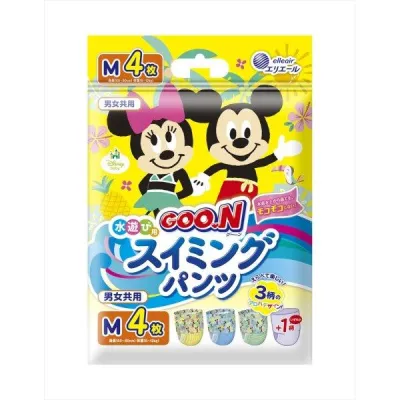
Prices are valid at publication and may change. Please refer to the product page for the latest price.

In contrast, swimming diapers are constructed from non-swelling materials that allow water to pass through freely. Their primary and crucial function is to contain solid waste, preventing immediate pool contamination. Because they do not absorb liquid, any urine will pass through the diaper into the water. This design is standard across all brands to maintain safety and buoyancy.
The true defense against pool contamination lies in the snugness of the leg and waist cuffs. A secure seal around these areas ensures that solid waste remains trapped inside the diaper until you can reach a changing station. Even a tiny gap can lead to a leak, which is why finding the correct fit for your child’s specific body shape is far more important than brand loyalty.
Comparing the Contenders: Huggies, Pampers, and Store Brands
Singapore’s tropical climate makes swimming a year-round activity, leading to a wide variety of disposable swimming diapers on the market. Parents can choose between globally recognized premium brands and budget-friendly supermarket house brands. Each category approaches fit, containment, and ease of removal with slightly different design philosophies.
Huggies Little Swimmers
Huggies Little Swimmers are widely recognized for their unique side closure design. Unlike standard pull-up styles, these diapers feature refastenable, stretchy side grips. This design allows caregivers to adjust the waistband fit slightly or open the diaper completely like a traditional diaper, which is incredibly helpful when changing a wet, squirming baby in a cramped public changing room.
The side panels are highly elastic, accommodating a wide range of movement as your baby splashes and kicks. This flexibility helps prevent red marks on sensitive skin while maintaining a secure hold. The material itself is designed to resist swelling, keeping the profile slim and lightweight throughout the swim session.
These diapers are particularly suited for babies with varying waist-to-thigh ratios, as the adjustable sides allow for a more customized fit. The ability to open the sides also means you do not have to slide a soiled diaper down your child’s legs during cleanup, significantly reducing the risk of a mess.
Pampers Splashers
Pampers Splashers are designed to fit like real swimwear, featuring a 360-degree stretchy waistband that pulls on easily. This seamless, elastic waistband provides a snug, uniform fit all the way around your baby’s torso. It minimizes gaps at the lower back, which is a common area for leaks when babies sit or bend in the water.
A standout feature of this design is the inclusion of dual leak-guard barriers around the legs. These double-layered elastic cuffs hug the thighs closely, providing an extra layer of defense against solid waste escapes. The snug fit is highly effective for active toddlers who are constantly running, jumping, and splashing.
For removal, Pampers Splashers feature easy-tear sides. While they cannot be refastened once torn, the seams rip smoothly from top to bottom, allowing for quick and hygienic disposal. This pull-on style is ideal for older toddlers who prefer stepping into their swim gear rather than lying down to be changed.
Store Brands and Supermarket Options
For families who swim multiple times a week, premium diaper costs can accumulate quickly. Store brands and supermarket house brands, available at major local retailers and online marketplaces, offer a practical, budget-friendly alternative. These options typically cost significantly less per diaper, making them highly attractive for casual or frequent use.
Structurally, store-brand swimming diapers focus on basic containment. They generally feature single elastic leg cuffs and a standard pull-on waistband. While they may lack the advanced dual-barrier systems or refastenable side tabs of premium brands, they are fully capable of holding solid waste if the fit is correct.
When opting for store brands, it is important to inspect the packaging for quality indicators. Look for clear sizing charts, weight recommendations, and confirmation of non-swelling materials. Because these brands may have slightly less stretch in their elastic panels, you may need to pay closer attention to the physical fit around your baby’s waist and thighs to ensure a proper seal.
Key Comparison Dimensions: Fit, Containment, and Value
When deciding between these options, parents should evaluate three primary dimensions: fit, containment design, and overall value. Sizing is the most critical factor because even the most expensive diaper will leak if it does not fit your child’s body shape. Always use the weight ranges on the packaging as a starting point, but prioritize thigh snugness; if your baby has chunky thighs, you may need to size up, whereas slender babies may require a smaller size to prevent gaps.
Containment design varies noticeably across the categories. Premium options offer specialized barriers—such as the dual-layer cuffs on Pampers or the adjustable side panels on Huggies—that provide extra security during vigorous activity. Store brands offer simpler, single-elastic barriers that work well for calmer water play but may require more frequent visual checks.
Value is not just about the lowest price tag; it is about cost per swim. If you only swim occasionally, a small pack of premium diapers may be the most convenient choice. However, for regular pool visits, integrating store brands can lead to substantial savings over time.
To help you compare these options at a glance, consider the following design characteristics:
| Brand / Type | Key Fit Feature | Containment Design | Typical Availability | What to Verify on Packaging |
|---|---|---|---|---|
| Huggies Little Swimmers | Refastenable, stretchy side tabs | Single elastic cuffs with adjustable waist | Major supermarkets & online platforms | Weight range and side tab integrity |
| Pampers Splashers | 360-degree pull-on elastic waistband | Dual leak-guard leg barriers | Major supermarkets & online platforms | Tear-away seam alignment and size |
| Store Brands | Standard pull-on elastic waistband | Single elastic leg cuffs | Local house-brand sections & online | Non-swelling material certification |
Before heading to the pool, always calculate the cost per unit in S$ based on current retail packages to find the most economical choice for your family’s swimming frequency.
Practical Tips for Using Swimming Diapers
To get the best performance out of any swimming diaper, timing is everything. Do not put the swimming diaper on your child before leaving the house or during the car ride to the pool. Because these diapers do not absorb urine, your child will likely wet their car seat or stroller before you even arrive. Instead, dress your child in a regular diaper for travel, and switch to the swimming diaper right before entering the water.
Once the swimming diaper is on, perform a quick physical check. Run your index finger along the inside of the leg cuffs and waistband. The elastic should feel snug against the skin without leaving deep red marks, and there should be no visible gaps when your child bends their knees or sits down. If you can easily fit two fingers into the leg cuff, the diaper is too large and may leak.
When it is time to leave the pool, head straight to the changing room. If you are using a pull-on style, tear the side seams rather than pulling the wet diaper down over your child’s legs, which can spread pool water and potential mess. Roll the diaper tightly from front to back, secure it, and dispose of it in a designated sanitary bin.
Frequently Asked Questions (FAQ)
Do swimming diapers hold pee?
No, swimming diapers do not hold urine. They are designed specifically to let water pass through while trapping solid waste. If they were designed to absorb liquid, they would instantly fill with pool water, become extremely heavy, and lose their ability to function. For hygiene and safety, this non-absorbing design is standard across all disposable and reusable swimming diaper brands.
Can I reuse a swimming diaper if it only got wet?
Disposable swimming diapers are designed for single-use only and should be discarded after each swim session. The materials and elastics degrade once submerged in chlorinated or salt water, and attempting to dry and reuse them can compromise their structural integrity, leading to fit failures and leaks. If you are looking for a reusable option, consider purchasing a dedicated cloth swim diaper, which is designed to be washed and worn multiple times.
What should I do if my child has a bowel movement in the pool?
If your child has a bowel movement, you must remove them from the pool immediately to prevent any potential contamination. Head directly to the changing room to clean your child and dispose of the soiled diaper safely. If any waste has escaped into the water, notify the pool lifeguards or facility management immediately so they can initiate standard water treatment protocols to ensure the safety of all swimmers.

Community discussion
Share your experience or ask a question. Comments are reviewed before publication.