
Quick Answer: Which Diaper Brand Suits Your Baby Best?
Finding the ideal diaper for your baby in Singapore’s tropical climate is a highly individual process. There is no single brand that serves as a universal solution for every infant. The best choice for your family depends on your baby’s unique skin sensitivity, physical build, activity level, and your household’s monthly diapering budget.
To help you establish baseline expectations, each of these three premium brands has designed its products with a distinct structural focus. Huggies is widely recognized for its secure, snug fit and robust leak protection, making it a popular choice for active babies. Pampers focuses on overall softness, a lightweight profile, and all-round comfort for daily wear. Merries is engineered with a strong emphasis on exceptional breathability and airflow, which is highly beneficial for preventing heat-related skin irritation in humid weather.
Because diaper performance is highly dependent on your baby’s body shape and skin chemistry, committing immediately to bulk cartons is rarely advisable. Testing a single, smaller retail pack allows you to observe how a specific design performs in real-world conditions. This trial period helps you verify fit, absorbency, and skin compatibility before you invest in large quantities.
Products mentioned in this guide
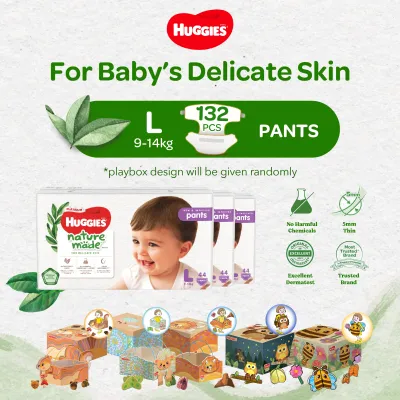
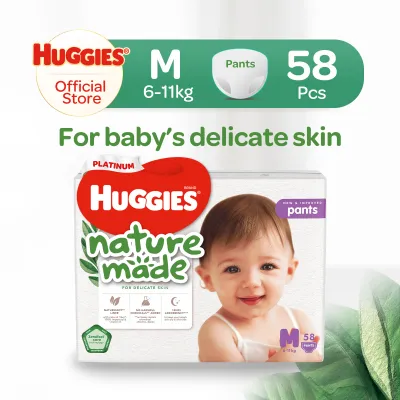
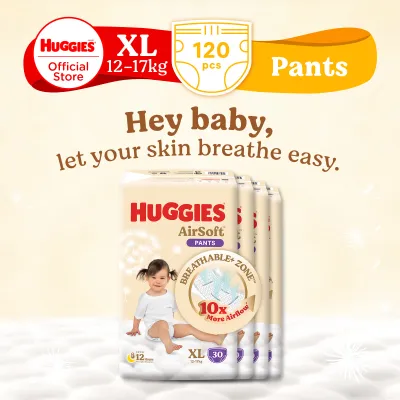
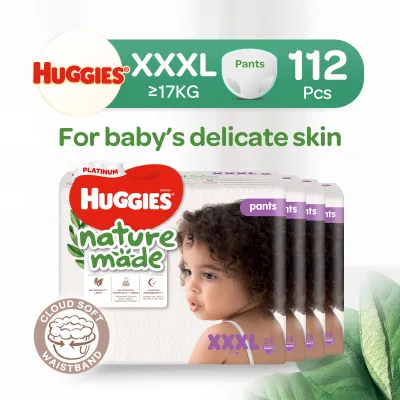
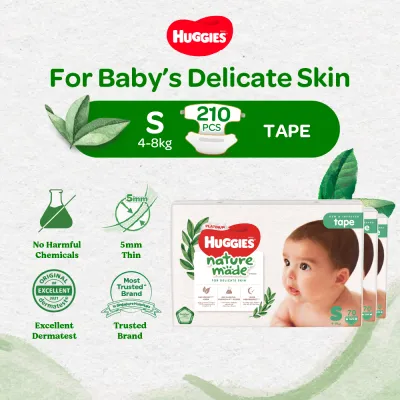
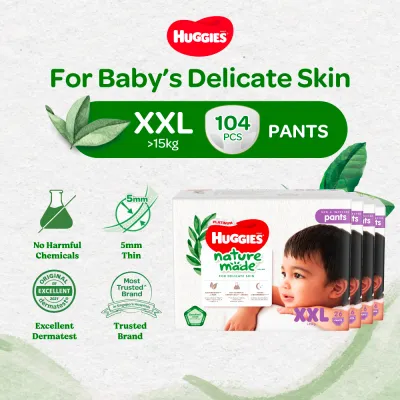
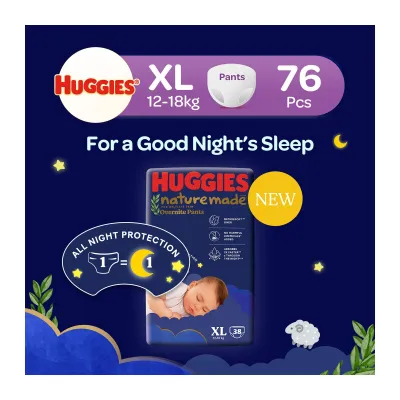
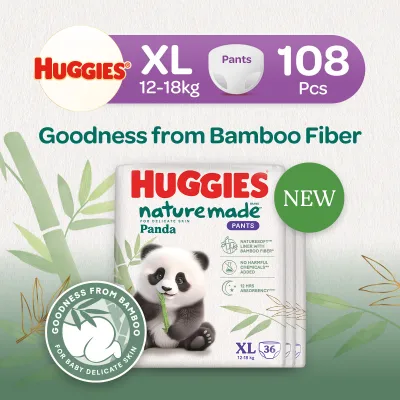
Prices are valid at publication and may change. Please refer to the product page for the latest price.
Meet the Contenders: Huggies, Pampers, and Merries
Understanding the design philosophies and primary product lines of these three brands is the first step toward making an informed choice. Each manufacturer structures its product lineup to target specific caregiver priorities, from basic daily protection to ultra-premium skin care.

Huggies offers several distinct lines in the local market, with Huggies Platinum and Huggies Natural being among the most prominent premium options. The brand typically prioritizes structured defense against leaks. Many of their designs feature pocketed waistbands and highly secure fastening systems intended to contain messes during active movement. Their materials are chosen to provide a sturdy, reliable barrier that holds its shape even when fully saturated.
Pampers approaches diapering with a focus on lightweight flexibility and softness. Their flagship premium lines, such as Pampers Premium Care and the Japanese-imported Pampers Ichiban, are designed to feel exceptionally thin and non-restrictive. The brand’s stated goal is to provide a bare-minimum feel that moves naturally with the baby. This design philosophy aims to reduce bulkiness between the thighs, promoting natural hip alignment and unrestricted movement.
Merries, a premium Japanese brand, centers its entire design concept on skin health and ventilation. Available in both tape and pants variants, Merries diapers are characterized by their unique, textured inner sheets and soft, pillowy waistbands. The manufacturer prioritizes minimizing the surface area of the diaper that directly touches the baby’s skin. This design is intended to facilitate continuous airflow, reducing the likelihood of moisture entrapment.
When evaluating these brands, remember that manufacturers frequently update their product lines, regional packaging, and material compositions. Always treat marketing terms like “hypoallergenic” or “dermatologically tested” as indicators of design intent rather than absolute guarantees. Reviewing the physical properties of the diaper yourself is the most reliable way to assess its suitability for your baby.
Core Comparison: Skin, Absorbency, and Fit
Singapore’s year-round high heat and humidity create a demanding environment for disposable diapers. Under these weather conditions, a diaper must not only contain waste but also manage the micro-climate surrounding your baby’s skin to prevent discomfort and irritation.
Skin Sensitivity and Breathability in Humid Weather
In a tropical climate, trapped moisture and sweat can quickly lead to diaper dermatitis, sweat rashes, and chafing. This makes the breathability of a diaper’s outer cover and inner lining a critical factor for daily comfort. A diaper that lacks adequate ventilation can trap warm, moist air, creating an environment where skin irritation can develop rapidly.
When inspecting diaper packaging, look for specific construction features that facilitate airflow. Many premium diapers incorporate micro-porous outer covers that allow water vapor to escape while keeping liquid water contained. Some designs utilize a wavy or dimpled inner sheet, which creates tiny air channels between the diaper material and your baby’s skin. This structural feature helps minimize friction and prevents the wet diaper from sticking to the skin.
Wetness indicators—typically yellow lines that turn blue or green when exposed to moisture—are valuable tools for maintaining skin health. They allow you to monitor the diaper’s status at a glance without disturbing your baby. For babies with highly sensitive skin, it is also wise to check the packaging for information regarding added lotions, fragrances, or botanical extracts. While some babies tolerate these additives well, others may experience contact sensitivity.
If your baby develops persistent redness, swelling, scaling, or a rash that does not improve within a few days of regular diaper changes, stop using the current brand immediately. Diaper rash can have multiple causes, including yeast infections or material allergies. Consult a pediatrician or qualified healthcare professional to obtain an accurate diagnosis and treatment plan rather than attempting to self-treat severe skin irritation.
Absorbency and Overnight Leak Protection
To keep your baby dry through the night and support uninterrupted sleep, a diaper must possess an efficient absorbent core. Modern disposable diapers rely on superabsorbent polymers (SAP) mixed with wood pulp or synthetic fibers to draw liquid away from the surface and lock it within the core.
Rather than relying on generic absorbency claims, look at the physical construction of the diaper’s core and barrier systems. A high-quality overnight diaper typically features distribution channels that spread liquid evenly along the length of the core, preventing it from pooling in one spot. This channel design helps prevent the diaper from sagging heavily, which can break the seal around your baby’s legs and lead to leaks.
Double-layered elastic leg cuffs, also known as leak guards, are essential for containing liquid and runny stool. When putting the diaper on, you should always run your finger along these cuffs to ensure they are fully flared outward rather than tucked inward. Additionally, check the elasticity of the back waistband; a secure, stretchy back barrier is highly effective at preventing up-the-back blowouts, especially when your baby is lying down.
Keep in mind that actual absorbency and leak protection are highly dependent on your baby’s individual liquid intake, sleeping position, and physical development. A diaper that remains perfectly dry overnight for one baby may leak for another who sleeps on their stomach or has a higher urine output. Regularly monitor the diaper for signs of external dampness, clumping of the core, or sagging, and adjust your changing frequency or diaper size accordingly.
Fit, Comfort, and Sizing Consistency
A diaper cannot perform effectively if it does not fit your baby’s specific body shape. Sizing is not standardized across different brands; a size Medium in one brand may have a completely different cut, waistband height, and leg opening circumference than a size Medium in another.
When choosing a size, always refer to the weight ranges printed on the manufacturer’s packaging as a starting point. However, use these ranges as guidelines rather than strict rules. If your baby is approaching the upper limit of a weight range, or if they have chubby thighs or a round belly, you may need to transition to the next size up earlier than expected to maintain a comfortable fit.
To evaluate the fit of a diaper on your baby, look for several key indicators during and after use:
- The Two-Finger Rule: You should be able to slide two fingers comfortably between the diaper waistband and your baby's stomach when they are sitting or crawling.
- Red Marks: Check your baby's thighs, hips, and lower back when changing the diaper. Persistent red indentations or friction marks indicate that the elastic is too tight or the diaper is too small.
- Waistband Positioning: The front of the diaper should sit approximately one inch below the belly button, and the back should rise high enough to cover the lower back securely.
- Symmetry: The fastening tabs should secure symmetrically on the landing zone. If the tabs are fastening near the outer edges of the diaper, it is time to size up.
Active babies who have started rolling, crawling, or pulling themselves up often benefit from pant-style diapers. Pants offer a highly flexible, 360-degree stretchy waistband that conforms to movement. Tape-style diapers, on the other hand, allow for precise adjustments around the waist and are generally easier to change when a young baby is lying flat.
Cost and Value: Budgeting for Daily Diaper Use
Diapering is a continuous, multi-year expense that represents a significant portion of a young family’s monthly budget. Because your baby will go through thousands of diaper changes before potty training is complete, understanding how to evaluate cost and value is essential.
In the local market, Huggies, Pampers, and Merries are generally positioned within the premium segment, but their pricing can vary based on the specific product line and country of manufacture. To determine the true financial impact, you must calculate the cost per individual diaper rather than comparing the shelf price of different packs. Pack sizes vary widely; premium lines often contain fewer diapers per pack than standard lines, even if the outer packaging is the same size.
To calculate the unit cost, use this simple formula:
$$\text{Cost per Diaper} = \frac{\text{Total Pack Price (S\$)}}{\text{Number of Diapers in the Pack}}$$
As your baby grows and transitions to larger sizes (such as Large or Extra Large), the number of diapers per pack decreases while the pack price often remains similar. This means the unit cost increases significantly as your baby gets older. Factor this progression into your long-term household budgeting.
There are several practical strategies you can use to manage diapering costs without compromising on your baby’s skin health:
- Utilize E-Commerce Sales: Major online marketplaces and e-commerce platforms frequently run promotional campaigns, flash sales, and bulk-purchase discounts. Buying diapers by the carton during these events can yield substantial savings.
- Explore Subscription Services: Some local retailers and online distributors offer subscription models that deliver diapers to your home at regular intervals in exchange for a percentage discount on each delivery.
- Adopt a Hybrid Diapering Strategy: Many parents choose to use a highly breathable, moderately priced diaper during the day when changes are frequent (typically every 2 to 3 hours), and reserve a premium, ultra-absorbent diaper specifically for overnight use. This approach maximizes comfort during sleep while keeping daytime costs manageable.
Always prioritize your baby’s skin comfort over marginal cost savings. If a cheaper diaper line causes persistent skin irritation, the cost of pediatric consultations and specialized barrier creams can quickly outweigh any savings on the diapers themselves.
Final Verdict: How to Choose the Right Brand
Selecting the right diaper brand involves matching your baby’s specific physical needs and your family’s daily routine to the unique strengths of each manufacturer. Use the following conditional framework to guide your final decision:
- Choose Huggies if: Your baby is highly active, crawling, or walking, and you require a structured diaper with excellent elastic tension to prevent leaks. This brand is particularly suitable if you prefer a secure, pocketed waistband design that provides strong containment against active movement and potential blowouts.
- Choose Pampers if: You prefer a very thin, flexible, and lightweight diaper that minimizes bulk under your baby's clothing. This option is ideal for parents who prioritize a soft, contoured fit that allows for natural, unrestricted movement during daily play.
- Choose Merries if: Your baby has highly sensitive skin, is prone to heat rash or sweat irritation, or if your living environment relies primarily on natural ventilation rather than continuous air conditioning. This brand is well-suited for parents who prioritize maximum breathability and are comfortable with a slightly higher unit cost.
Before committing to any brand in bulk, always verify if your baby has known material sensitivities, severe eczema, or allergies. If your baby has a diagnosed skin condition, consult your pediatrician or a dermatologist to discuss recommended materials and skin-barrier practices. Always read the safety warnings and usage instructions printed on the manufacturer’s packaging to ensure safe, proper application.
Frequently Asked Questions (FAQ)
How do I know if a diaper is causing a rash?
A diaper-related rash can present as localized redness, small bumps, or dry, chafed patches in areas that come into direct contact with the diaper. This irritation can be caused by physical friction from a tight fit, prolonged exposure to wetness, or a localized sensitivity to dyes, fragrances, or synthetic materials. To help prevent irritation, change diapers promptly when soiled, clean the area gently with alcohol-free wipes or warm water, and ensure the skin is completely dry before applying a new diaper. Applying a thin layer of a zinc-oxide-based barrier cream can protect vulnerable skin. If the redness worsens, spreads beyond the diaper area, or is accompanied by fever or broken skin, consult a pediatrician immediately.
Should I use different diaper brands for day and night?
Using different diaper brands for daytime and nighttime use is a highly practical strategy adopted by many parents in Singapore. During the day, when you are changing your baby frequently, a lightweight, highly breathable, and more cost-effective diaper is often sufficient to maintain hygiene and comfort. At night, when your baby is sleeping for longer stretches, switching to a premium diaper with a high-capacity absorbent core and robust leak guards can help prevent wetness-induced wakeups and leaks. This hybrid approach allows you to optimize your diapering budget while ensuring your baby remains dry and comfortable during their longest periods of sleep.

Community discussion
Share your experience or ask a question. Comments are reviewed before publication.