
Finding the right diaper for your baby in Singapore’s humid climate is a balancing act between skin comfort, leak protection, and value. While huggies is a household name trusted for its secure fit and active-wear design, competing brands like Pampers and Mamypoko offer distinct advantages that might suit your baby’s unique body shape and sleep habits better.
To make a quick decision, you can base your choice on your baby’s immediate developmental stage and daily routine:
- Choose Huggies if your baby is crawling, walking, or highly active, and you need a secure, elastic waistband that prevents sag and holds up during movement.
- Choose Pampers if your baby has highly sensitive skin or is a newborn, as the brand prioritizes feather-soft inner linings, lightweight profiles, and high breathability.
- Choose Mamypoko if you are struggling with heavy wetting or overnight leaks, as their high-capacity absorbent cores and wider coverage areas are designed for extended wear.
Because every baby has a unique physical build, skin sensitivity, and reaction to Singapore’s high humidity, there is no single “best” brand for everyone. Before committing to carton purchases, buying trial packs or small-count bags is the safest way to evaluate how a diaper performs on your child without risking skin irritation or wasting unused stock.
Products mentioned in this guide
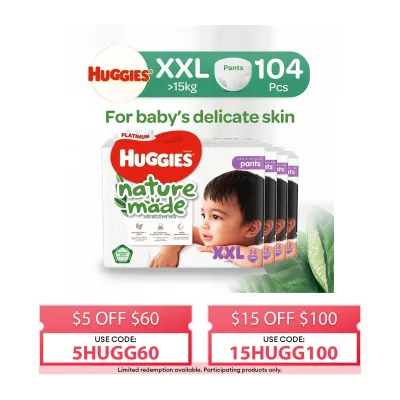
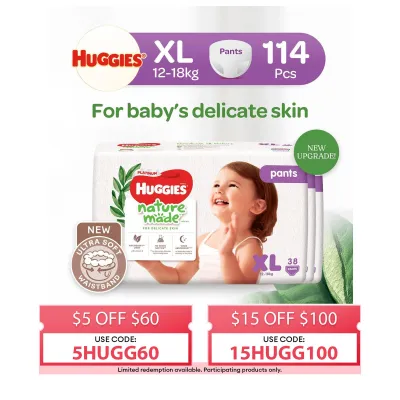
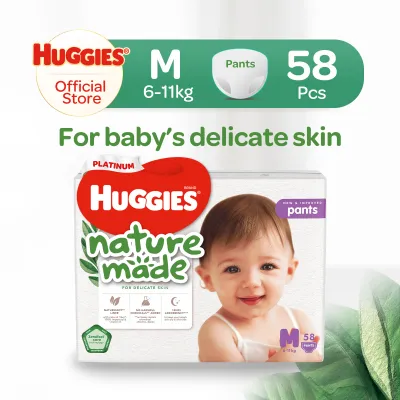
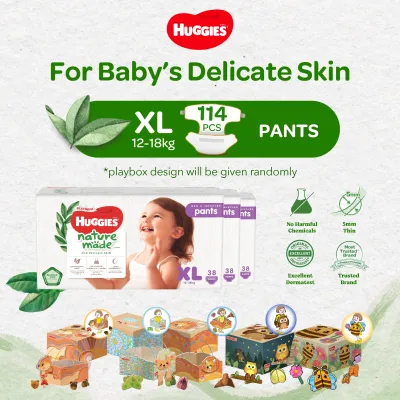
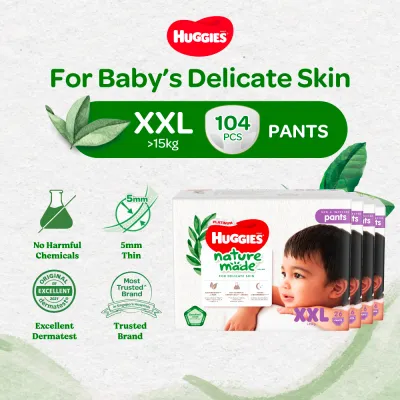
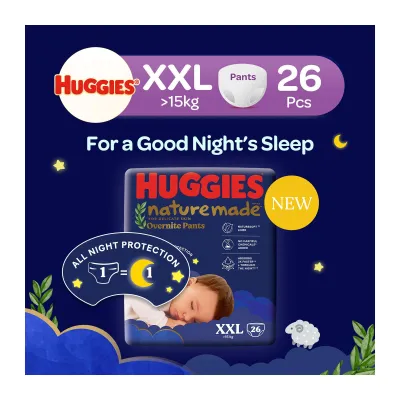
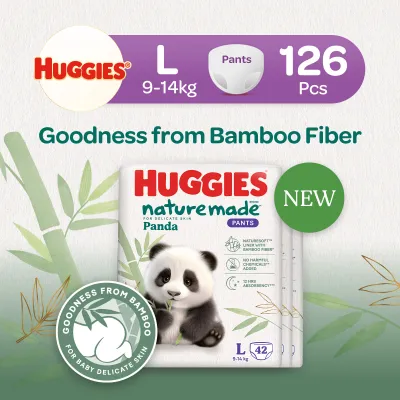
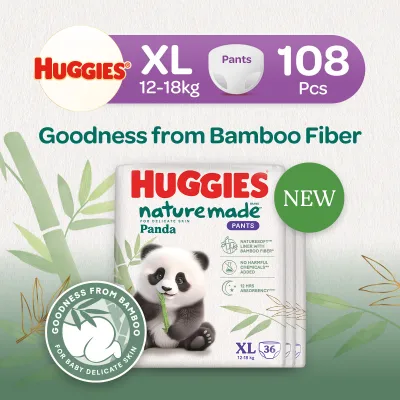
Prices are valid at publication and may change. Please refer to the product page for the latest price.
Evaluating Huggies and Competitors: Key Performance Dimensions
Evaluating disposable diapers requires looking past marketing claims and focusing on observable design features. By understanding how diaper construction impacts daily wear, parents can make informed comparisons between major brands.
Absorbency and Leak Protection A diaper’s main job is to draw moisture away from the skin quickly and lock it inside the core. When comparing options, look closely at the core distribution channels, which are designed to distribute liquid evenly rather than letting it pool in one spot.
You should also check the height of the inner leg guards—the elasticized barriers running along the leg openings—as taller guards provide a more reliable defense against sudden blowouts. Wetness indicators, which change color when damp, are highly useful for monitoring saturation without opening the diaper, especially during the newborn stage when frequent changes are essential.
Breathability and Skin Health In Singapore’s tropical heat, trapped moisture and heat are primary triggers for diaper rash and heat rash. Parents should examine the outer cover for micro-pores or air-flow materials that allow vapor to escape while keeping liquid contained.
If your baby has sensitive skin, look for explicit hypoallergenic labels and verify the ingredient lists on the packaging. Some diapers include added lotions or botanical extracts, while others are completely fragrance-free and chlorine-free. Knowing exactly what touches your baby’s skin is crucial for preventing contact dermatitis.
Fit and Flexibility A diaper must accommodate a baby’s constant movement and rapid growth spurts without causing friction or leaving deep red marks. Evaluate the elasticity of the waistband, looking for wide, stretchy back panels that adjust as the baby’s tummy expands after feeding.
The leg cuffs should be soft yet snug, offering enough stretch to seal around the thighs without pinching. A highly flexible diaper moves with the child, maintaining its protective seal whether they are sleeping, sitting, or running.
Brand Breakdown: Huggies vs Pampers vs Mamypoko
Understanding the design philosophies of each brand helps narrow down which diaper aligns best with your baby’s current developmental stage.

Huggies: Secure Fit and Active Movement
Huggies has built its reputation on engineering diapers that stay securely in place, making them a popular choice for infants who are hitting physical milestones. The brand’s signature design features wide, highly elastic waistbands and robust, double-layered leg cuffs designed to prevent back and leg leaks during vigorous movement.
Their leak-lock systems are structured to pull wetness deep into the core, keeping the surface layer dry even when the diaper is subjected to the pressure of a sitting or crawling child. These structural elements make huggies particularly well-suited for active babies, toddlers, and those prone to “up-the-back” blowouts.
The secure fit ensures the diaper does not shift or sag as your baby explores their environment. However, parents should note that comfort and material quality can differ across the brand’s product tiers. While the standard lines offer reliable, everyday utility, the premium or platinum ranges feature significantly softer, thinner materials and enhanced breathability, which may be preferable for infants with delicate skin.
Pampers: Softness and Breathability
Pampers focuses heavily on tactile comfort, utilizing ultra-soft, lightweight materials designed to mimic the feel of cloth against a baby’s skin. This brand is widely recognized for its thin profile and high breathability, which helps maintain a dry microclimate around the diaper area.
The inner linings are often designed with unique mesh textures that quickly absorb runny newborn stool, keeping it away from highly sensitive skin. Because of this emphasis on gentle materials, Pampers is frequently selected for newborns and infants who are highly susceptible to skin irritation.
When shopping, it is important to read the packaging carefully to distinguish between their standard lines and specialized sensitive skin variants, which are typically fragrance-free and dermatologically tested. While the lightweight, thin design is excellent for air circulation in warm climates, parents of heavy wetters should monitor the diaper closely, as thinner profiles may saturate faster and require more frequent changes to prevent leaks.
Mamypoko: High Absorbency and Overnight Use
Mamypoko is highly regarded for its robust, high-capacity absorption technology, making it a go-to brand for parents seeking long-lasting leak protection. The diapers feature a generous, wide-cut design and a thick absorbent core that can hold multiple wettings without leaking.
This structural design provides extensive coverage around the hips and bottom, which helps contain liquid even during long periods of lying down. These characteristics make Mamypoko an exceptional option for overnight wear, long outings, and babies who naturally pass large volumes of urine.
However, the high-capacity core comes with a distinct trade-off: the diaper is physically thicker than many of its competitors. In Singapore’s hot and humid climate, a thicker diaper can trap body heat and moisture more easily, which increases the risk of diaper rash if the diaper is left on too long during the day. To mitigate this, parents can look for the brand’s specific “air” or highly breathable product lines for daytime use, reserving the heavy-duty options for nighttime sleep.
Matching the Diaper to Your Baby's Specific Needs
Choosing the right diaper is rarely about finding a universally superior brand; instead, it is about matching a diaper’s specific design strengths to your baby’s physical needs, developmental stage, and daily routine.
For Overnight and Heavy Wetters To ensure uninterrupted sleep, a diaper must handle several hours of continuous wetting without leaking. High-capacity absorbent cores and wider outer gussets are critical here, as they provide the volume and surface area needed to manage liquid over eight to twelve hours.
When putting on an overnight diaper, ensure the front waistband is pulled slightly higher for front-sleeping boys, or that the back is fully extended for back-sleeping babies. Adjusting the inner leg guards so they stand completely upright around the thighs is also essential to prevent side leaks during sleep.
For Sensitive Skin and Newborns A newborn’s skin barrier is exceptionally thin and highly vulnerable to chemical irritants and friction. For this stage, prioritize diapers that offer minimal chemical exposure, choosing fragrance-free and lotion-free options to reduce the risk of contact allergies.
Regularly inspect your baby’s skin during diaper changes, paying close attention to the waist and thigh areas for any signs of redness or chafing. Keeping the skin dry by changing the diaper immediately after wetness is detected is the most effective way to protect the natural skin barrier.
For Active and Toddler Stage Babies Once your baby begins to crawl, pull up, or walk, their diaper must accommodate constant, dynamic movement. Look for diapers with highly stretchable side panels and secure, multi-track fastening tabs that resist peeling off when friction occurs.
Leg cuffs must remain snug during play to prevent messy blowouts, yet they must be flexible enough not to restrict circulation. Diaper pants are often highly practical at this stage, as they can be pulled on quickly while a toddler is standing or moving.
For Singapore’s Tropical Climate Managing diaper wear in Singapore requires constant attention to heat and humidity. A diaper that performs beautifully in cooler climates may trap too much sweat and moisture here, leading to painful heat rash or candidal diaper rash.
Parents must balance the need for absorbency with the necessity of air circulation. Opt for diapers with breathable outer covers, change diapers promptly after every bowel movement or heavy wetting, and allow the baby’s skin to air-dry completely before securing a fresh diaper.
Evaluating Price, Sizing, and Value in Singapore
Managing diaper expenses requires a strategic approach to purchasing and sizing, as costs can accumulate rapidly over the first few years of a baby’s life.
Calculating Cost Per Diaper When comparing diaper prices in Singapore, looking at the total price of a pack can be highly misleading, as pack sizes vary significantly between brands and product lines. To find the true value, always divide the total cost of the pack by the exact number of diapers inside to calculate the unit cost in S$ (SGD) per diaper.
This unit cost allows you to make accurate, direct comparisons across different brands and tiers, helping you identify where you are getting the most value for your budget.
Navigating Sizing Inconsistencies Diaper sizing is not standardized across the industry. A “Size M” diaper from huggies may have a completely different cut, waistband stretch, and thigh circumference than a “Size M” from Pampers or Mamypoko.
Instead of relying solely on the size label, always check the recommended weight range printed on the packaging as a starting guide. Additionally, observe how the diaper fits your baby’s body: if you notice deep red marks on their thighs or waist, experience frequent leaks, or find that the fastening tabs no longer reach the center zone, it is time to transition to the next size up, even if your baby falls within the official weight range.
Purchasing Channels Parents in Singapore have access to a wide variety of reliable retail channels. For immediate needs, local supermarkets and health and beauty pharmacies like Watsons or Guardian offer convenient, physical locations where you can inspect packaging and buy single packs.
For long-term savings, brand official stores and major e-commerce platforms often provide bulk-buy promotions, carton discounts, and subscription services that deliver diapers directly to your doorstep. Watching for these promotional events can significantly lower your overall diapering costs over time.
Frequently Asked Questions (FAQ)
Can I mix different diaper brands for day and night use?
Yes, mixing different diaper brands for daytime and nighttime use is an exceptionally common and highly practical strategy for many parents. Using a thinner, highly breathable diaper during the active daytime hours allows for better air circulation and easier movement in Singapore’s humid climate, while also encouraging more frequent changes.
At night, switching to a high-absorbency diaper with a thicker core and wider coverage ensures your baby remains dry and comfortable through long sleep stretches, reducing the risk of middle-of-the-night leaks and sleep disruptions.
How do I know if my baby is allergic to a specific diaper brand?
An allergic reaction, or contact dermatitis, typically presents as a distinct, red, irritated rash that conforms exactly to the areas where the diaper material directly touches the baby’s skin, such as along the elastic waistband, the adhesive tabs, or the leg cuffs. This differs from a standard diaper rash caused by moisture or friction, which usually concentrates in the skin folds and the diaper’s central wetness zone.
If you suspect an allergic reaction, stop using the current brand immediately and switch to a fragrance-free, hypoallergenic alternative. If the rash is severe, blisters, bleeds, or does not improve after a few days of using a different diaper and applying a protective barrier cream, consult a pediatrician or qualified healthcare professional for a proper diagnosis and treatment plan.

Community discussion
Share your experience or ask a question. Comments are reviewed before publication.