
Quick Answer: Which Diaper Brand Wins?
Finding the perfect diaper is a highly individualized journey. There is no single brand that fits every baby in Singapore, as diaper performance depends heavily on your child’s unique body shape, skin sensitivity, and developmental stage.
Generally, Huggies is highly favored for active babies and overnight leak protection due to its exceptionally secure fit, sturdy construction, and highly elastic waistband. Conversely, Pampers is frequently preferred for newborns and infants with highly sensitive skin, thanks to its ultra-soft, blanket-like top sheet and lightweight, flexible design. Your final decision should balance your baby’s specific physical proportions, skin reactivity, and your household budget.
Key Performance Factors to Compare
Selecting the right diaper in Singapore requires a solid understanding of how different design elements interact with our tropical environment. The combination of high heat and relative humidity, which regularly exceeds 80 percent, creates a unique set of challenges for infant skin care. When moisture is trapped against a baby’s skin, it weakens the natural skin barrier, making it far more susceptible to friction, heat rash, and diaper dermatitis. Therefore, evaluating diapers goes beyond simply looking at the price tag; it requires analyzing specific structural features.
Products mentioned in this guide
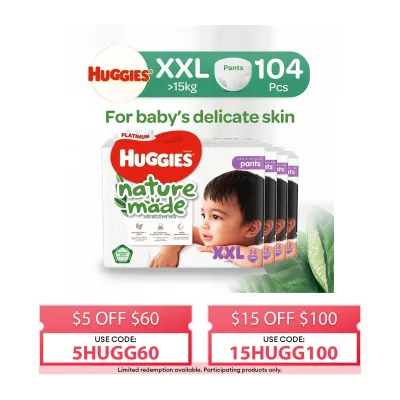
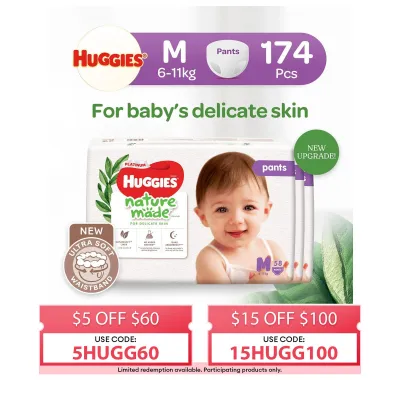
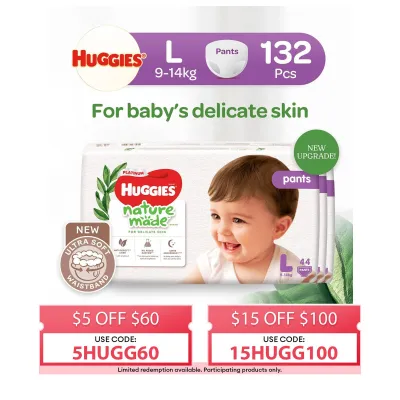
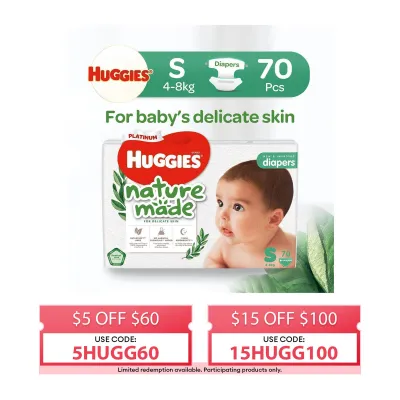
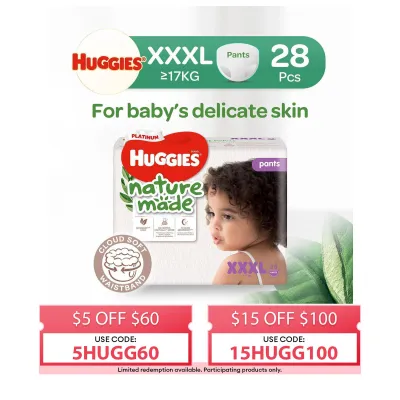
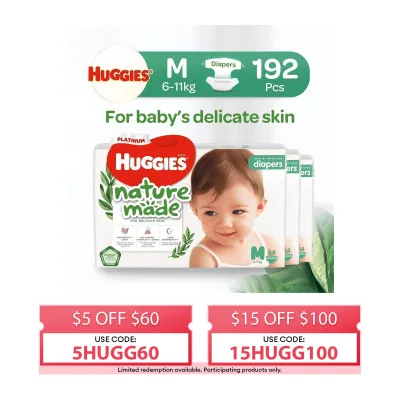
Prices are valid at publication and may change. Please refer to the product page for the latest price.

Absorbency and Leak Protection
A diaper’s primary job is to isolate wetness from your baby’s skin as quickly as possible. Modern disposable diapers achieve this using superabsorbent polymers embedded within a fibrous core. In Singapore’s humid climate, a diaper must manage both urine and localized sweat efficiently. If a diaper fails to absorb liquid rapidly, the pooling moisture mixes with skin bacteria, leading to rapid ammonia production and severe diaper rash. Furthermore, effective leak protection relies on robust leg cuffs and barriers that can contain sudden, high-volume liquid stools, which are common in breastfed infants.
Fit, Comfort, and Breathability
The physical shape of your baby dictates how well a diaper will perform. Babies with chunky thighs or rounder bellies require highly elastic waistbands and flexible leg gathers that stretch comfortably without digging into the skin or leaving deep red marks. On the other hand, babies with a slimmer build or narrower hips need a more tailored, snug fit to prevent gaps around the thighs, which are a primary cause of leaks. Breathability is equally critical; a high-quality diaper must feature a microporous back sheet that allows warm air and water vapor to escape while keeping liquid safely contained inside.
Skin Sensitivity and Materials
Infant skin is up to 30 percent thinner than adult skin, making it highly sensitive to friction and chemical additives. Many brands incorporate hypoallergenic materials, but parents must remain vigilant. It is essential to inspect the physical packaging of any diaper line to verify the exact ingredient list, as some manufacturers add botanical extracts like aloe vera, chamomile, or mild fragrances to mask odors. While these additives are well-tolerated by many infants, they can trigger contact allergies or worsen eczema in babies with highly reactive skin. Wetness indicators, which change color when damp, are also invaluable tools that help caregivers perform timely changes before irritation can begin.
Huggies Diapers: Fit, Feel, and Performance
Huggies has built a strong reputation in Singapore for its structured, highly secure diaper designs that cater exceptionally well to growing, active infants. The brand’s design philosophy centers on containment and stability, making it a staple for parents who want to minimize the risk of messy blowouts.
The standout feature of Huggies diapers is the signature elasticized waistband. This waistband is highly stretchable and often includes a pocketed back design specifically engineered to catch and contain runny stools before they can escape up the baby’s back. This secure, snug fit is particularly beneficial for active babies who are learning to roll, crawl, pull themselves up, or walk. The waistband moves dynamically with the baby’s torso, preventing the diaper from slipping down or shifting out of place during vigorous play.
Beneath the surface, Huggies utilizes an absorbent core designed to lock away heavy wetness. The core is engineered to distribute liquid efficiently and hold it deep within the superabsorbent layers, keeping the surface dry to the touch even after multiple wettings. This makes Huggies a highly recommended choice for overnight use, allowing both babies and parents to enjoy longer stretches of uninterrupted sleep. The leg cuffs are also notably sturdy, providing a reliable double barrier that hugs the thighs securely.
General Pros of Huggies:
- Highly secure waistband: The elasticized back and secure fastening tabs offer excellent containment, virtually eliminating back leaks.
- Superb overnight absorbency: The heavy-duty core locks away large volumes of liquid, making it ideal for long sleep stretches.
- Robust leg cuffs: Provides a strong physical barrier that accommodates active movement without gapping.
General Cons of Huggies:
- Sizing can run small: Because of the highly structured and snug fit, some parents find that Huggies diapers run slightly smaller than other brands, occasionally requiring them to size up earlier.
- Stiffer feel in standard lines: Some of the standard or entry-level Huggies lines can feel slightly thicker or stiffer compared to ultra-thin, premium alternatives.
Caregivers should always refer to the specific weight guidelines printed on the Huggies packaging, as fit can vary between product lines such as Huggies Platinum and Huggies Ultra.
Pampers Diapers: Fit, Feel, and Performance
Pampers takes a distinct approach to diaper design, prioritizing a lightweight, flexible, and exceptionally soft feel. This design philosophy makes Pampers a highly popular choice for newborns and infants with delicate, easily irritated skin.
The defining characteristic of Pampers diapers is their blanket-like softness. The top sheet, which comes into direct contact with the baby’s skin, is engineered to feel silky and smooth, minimizing friction during movement. This makes it highly comfortable for infants who spend a significant amount of time lying down or resting. Additionally, Pampers diapers are generally thinner and more flexible than many structured competitors, conforming naturally to the baby’s body without adding unnecessary bulk.
To manage wetness without adding thickness, Pampers utilizes advanced absorbent channel technology. Instead of a single solid absorbent pad, the core is divided into distinct channels that distribute liquid evenly across the entire surface of the diaper. This design prevents the diaper from sagging or clumping between the baby’s legs as it fills, which helps maintain natural leg positioning and mobility.
General Pros of Pampers:
- Ultra-soft materials: The exceptionally gentle top sheet minimizes friction and is highly comfortable for sensitive newborn skin.
- Lightweight and flexible: The thin profile conforms easily to the baby's movements, preventing a bulky, heavy feel.
- Excellent fit for slimmer builds: The flexible side panels accommodate babies with narrower hips and slimmer thighs beautifully.
General Cons of Pampers:
- Less elastic waistband: The back of the waistband generally features less built-in elasticity compared to competitors, which requires caregivers to be more precise when fastening the tabs to prevent gaps.
- Potential for added fragrance: Some Pampers lines contain mild lotions or subtle fragrances designed to maintain skin health and mask odors, which may not be suitable for babies with severe eczema or specific chemical sensitivities.
Before purchasing, parents should carefully inspect the product labels to verify the material composition, dermatological testing claims, and recommended weight ranges for their baby’s developmental stage.
Head-to-Head Comparison Matrix
To help you quickly visualize the primary design differences between these two leading diaper brands, the following matrix compares their core features. Remember that these are general brand characteristics, and performance can vary across different product tiers.
| Feature | Huggies | Pampers | What to Verify on the Package |
|---|---|---|---|
| Primary Fit Profile | Best suited for active babies and those with chunkier thighs or rounder tummies. | Best suited for newborns, younger infants, and babies with slimmer builds. | Check the size and weight chart on the back of the box; do not rely solely on age. |
| Waistband Elasticity | High elasticity with a stretchy back waistband and pocketed barrier. | Moderate elasticity; relies more on stretchy side tabs rather than an elastic back. | Ensure the waistband feels snug but allows you to slip two fingers comfortably inside. |
| Top Sheet Feel | Structured, durable, and designed to stay dry under heavy wetness. | Silky, blanket-like, and highly focused on minimizing friction. | Look for "hypoallergenic" or "dermatologically tested" labels if your baby has sensitive skin. |
| Absorbency Design | Deep-locking absorbent core optimized for heavy volume and overnight use. | Absorbent channels designed to distribute liquid evenly and prevent sagging. | Verify if the line is specifically marketed for day use, night use, or all-day wear. |
| Wetness Indicator | Available on almost all modern lines; changes color clearly when wet. | Available on almost all modern lines; changes color clearly when wet. | Confirm the presence of the indicator line, especially on larger sizes where it is sometimes omitted. |
While this matrix highlights the general design directions of Huggies and Pampers, individual fit is the ultimate test. A diaper that works beautifully for one baby may cause leaks or red marks on another due to subtle differences in body shape.
How to Evaluate Price and Value in Singapore
Navigating the cost of diapering in Singapore requires a strategic approach, as prices can vary significantly depending on where and how you shop. Because diaper sizes contain different quantities per pack—with smaller sizes having more diapers than larger sizes—comparing the total price of a pack is often misleading. Instead, parents should always calculate the cost per diaper by dividing the total price of the pack by the number of diapers inside.
When purchasing diapers in Singapore, safety and authenticity should be your top priorities. It is highly recommended to buy from reputable, authorized retailers. These include major local supermarkets (such as FairPrice, Cold Storage, and Giant), established physical and online pharmacies (such as Guardian and Watsons), official brand flagship stores on major e-commerce platforms, and dedicated mother-and-baby specialty shops. Avoid purchasing from unauthorized third-party sellers on online marketplaces, as counterfeit diapers are a real concern. Counterfeit products may look similar but often lack proper sanitary manufacturing standards, breathability, or safe, non-toxic materials, which can lead to severe skin reactions.
To maximize your diaper budget without compromising on quality, consider the following strategies:
- Buy in bulk during major sales: Look out for online shopping festivals, baby fairs, and supermarket clearance events to purchase diapers by the carton.
- Utilize subscription services: Many official online brand stores offer subscription models that deliver diapers to your doorstep on a recurring schedule, often unlocking discounts of 10 to 15 percent.
- Mix premium and standard lines: You do not have to use premium diapers exclusively. Many parents use standard, budget-friendly lines for high-frequency daytime changes when diapers are replaced every few hours, and save premium, highly absorbent lines specifically for overnight sleep or long outings.
Always monitor your baby’s growth curve before buying multiple cartons of a single size, as babies can grow rapidly and outgrow a size before you can finish your stock.
Final Verdict: How to Choose the Right Diaper
Making the final choice between Huggies and Pampers comes down to matching the diaper’s structural strengths with your baby’s physical needs and lifestyle.
Choose Huggies if:
- Your baby is highly active, crawling, or walking, and needs a highly elastic waistband that moves dynamically with them.
- Your baby has a rounder tummy or chunkier thighs that require stretchy, accommodating side panels and robust leg cuffs.
- You are experiencing frequent overnight leaks and need a heavy-duty, deep-locking absorbent core for long stretches of sleep.
Choose Pampers if:
- Your baby is a newborn or has a slimmer, longer build that fits better in a tailored, flexible diaper.
- You prioritize an ultra-soft, blanket-like texture that minimizes friction against delicate, easily irritated skin.
- You prefer a thin, lightweight diaper that distributes wetness evenly through channels to prevent sagging and maintain mobility.
Verify first if:
- Your baby has highly reactive skin, eczema, or persistent diaper rash. In these cases, look for fragrance-free, lotion-free, and hypoallergenic lines from either brand, and consult a pediatrician if skin irritation does not improve.
To avoid wasting money on a full carton that may not fit, always purchase small trial packs or request samples from the official brand websites first. Testing both brands on your baby’s unique body shape is the most reliable way to find the perfect match.
Frequently Asked Questions (FAQ)
Can I use Huggies and Pampers interchangeably?
Yes, it is entirely safe and common for parents to alternate between Huggies and Pampers. Many caregivers utilize a dual-brand strategy to optimize performance and cost. For instance, you might use Pampers during the day to take advantage of its lightweight, breathable, and flexible design, and switch to Huggies at night for its highly secure waistband and heavy-duty overnight absorbency. However, if you decide to switch between brands, monitor your baby’s skin closely for a few days to ensure they do not experience any adverse reactions to the different materials, lotions, or construction styles.
How do I know if a diaper is the wrong size or brand for my baby?
There are several clear physical indicators that a diaper is not fitting correctly or is the wrong match for your baby’s body shape. If you notice deep red marks or indentations around your baby’s thighs or waist, the diaper is too tight, and you should size up. Frequent blowouts up the back or leaks around the legs often indicate either a size that is too small or a shape mismatch where gaps are forming. Excessive sagging, even when the diaper is only slightly wet, suggests the size is too large. Remember that the weight ranges printed on diaper packaging are only general guidelines; your baby’s unique proportions and muscle tone play a much larger role in determining the correct fit.
Are premium diaper lines worth the extra cost?
Premium diaper lines often feature significantly softer materials, advanced breathability, and superior absorbency cores compared to standard lines. Whether they are worth the extra cost depends on your baby’s specific needs. If your baby has highly sensitive skin that is prone to diaper rash, or if they are a heavy wetter who wakes up due to dampness, investing in a premium line can make a noticeable difference in their comfort and sleep quality. However, if your baby has normal skin and is changed frequently throughout the day, standard diaper lines are often perfectly sufficient and highly cost-effective.
Community discussion
Share your experience or ask a question. Comments are reviewed before publication.