
Finding the right diaper for your baby in Singapore involves balancing performance, skin health, and household budget. There is no single universal winner among Huggies, Pampers, and Mamypoko, as the optimal choice depends heavily on your baby’s unique anatomy, mobility stage, and skin sensitivity. Huggies generally prioritises a secure, contouring fit and robust leak protection, making it a popular choice for highly active infants. Pampers focuses on exceptional softness and high breathability, which helps protect delicate skin in tropical climates. Mamypoko is highly regarded for its distinct absorbent pad designs and practical value, making it an efficient option for frequent daily changes. Because every baby’s shape and skin reaction differ, matching specific brand design features to your child’s developmental phase is the most reliable path to a leak-free, rash-free experience.
Key Evaluation Criteria for Singapore's Humid Climate
Singapore’s year-round high humidity and warm temperatures create a unique set of challenges for infant skin care. When moisture and heat are trapped inside a diaper, the risk of diaper rash and fungal infections increases significantly. Consequently, air circulation and breathability are paramount; a diaper must allow humid air to escape while keeping liquid locked securely inside. Parents should evaluate how effectively a diaper’s outer cover and inner lining promote airflow, as this microclimate directly impacts your baby’s comfort and skin integrity.
As your baby transitions from a newborn to an active crawler and eventually to a toddler, their physical requirements change. For a stationary infant, pure absorbency and gentle materials are the primary focus. However, once a baby begins to roll, crawl, or walk, the flexibility of the waistband, the elasticity of the leg cuffs, and the choice between tape and pants variants become critical. An ill-fitting diaper can cause friction against the skin, leading to painful chafing or frequent blowouts during movement.
Products mentioned in this guide
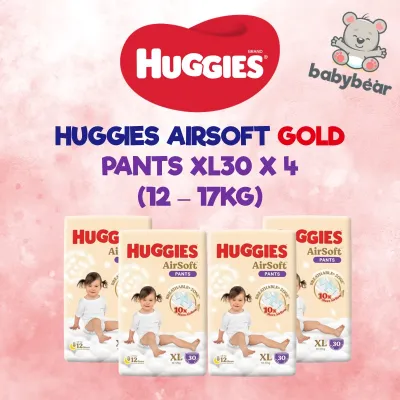
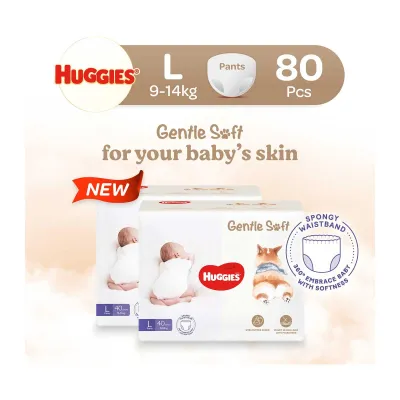
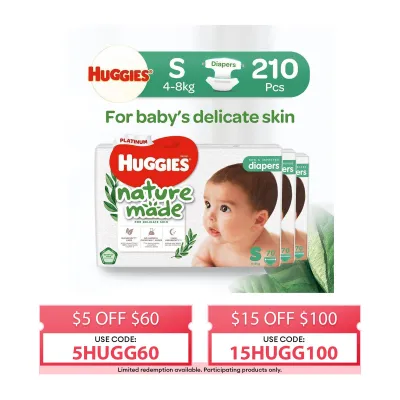
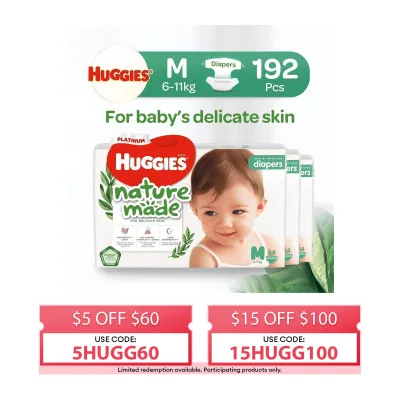
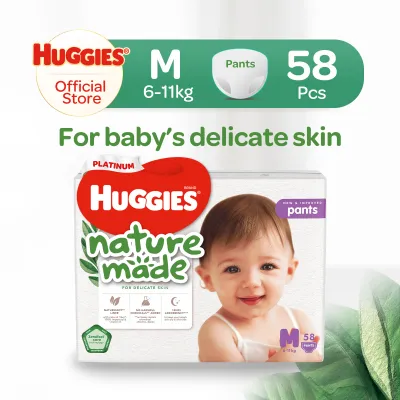
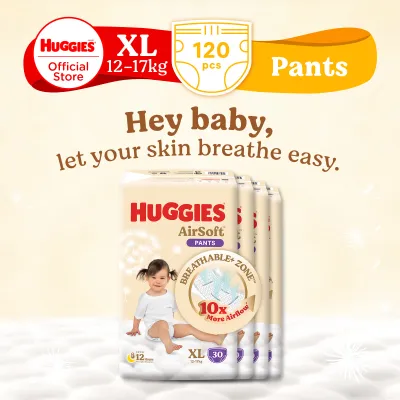
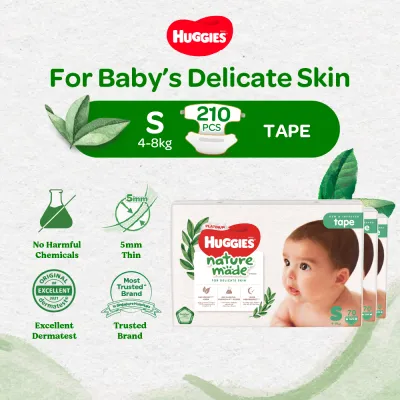
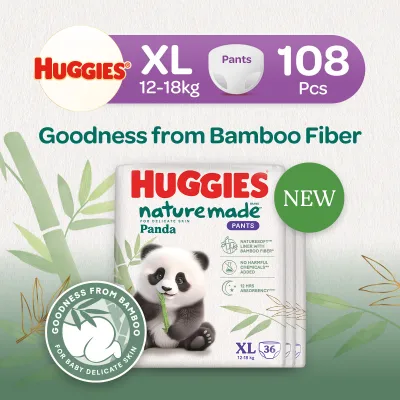
Prices are valid at publication and may change. Please refer to the product page for the latest price.
Evaluating the true value of a diaper brand requires looking beyond the initial retail price of a single pack. Parents should calculate the cost per successful diaper change rather than just comparing upfront costs. A cheaper diaper that leaks frequently, requires double-layering at night, or causes skin irritation that demands expensive barrier creams is ultimately less cost-effective than a premium diaper that performs reliably. By factoring in the frequency of changes, leak prevention, and skin health, you can determine the actual economic impact on your household budget.
Brand Profiles: Design Focus and Observable Features
To make an informed decision, it is essential to understand the distinct design philosophies and physical characteristics of each brand. Each manufacturer targets different priorities, from structural fit to material softness and advanced absorption patterns.

Huggies: Secure Fit and Leak Protection
Huggies designs its diapers with a strong emphasis on structural security and leak prevention. The brand is widely recognized for its robust elastic waistbands and deep pocket designs, which are engineered to contain liquid messes and prevent back blowouts. When examining Huggies packaging, particularly premium lines like Huggies Platinum or Huggies Ultra, you will observe specific features such as wetness indicators, dermatologically tested certifications, and textured inner liners designed to draw runny stool away from the skin.
The physical construction of a Huggies diaper features a snug, contoured shape that hugs the baby’s waist and thighs. This secure fit is highly beneficial for active infants who are constantly moving, crawling, or pulling themselves up. The double leg cuffs act as physical barriers against side leaks, providing peace of mind during playtime and naptime. Parents of babies with a highly active temperament or those prone to side leaks often find the structured fit of Huggies aligns well with their daily needs. To ensure suitability, always check the recommended weight range on the packaging, as the snug cut may require sizing up sooner than other brands if your baby has chubby thighs.
Pampers: Softness and Breathability
Pampers places a premium on material softness and air permeability, aiming to create a gentle barrier that mimics the feel of cloth. The inner linings are designed to feel exceptionally soft against delicate skin, reducing the mechanical friction that can trigger redness. For families living in Singapore’s humid climate, the breathability of the outer cover is a major design highlight. This structure allows micro-vapours to escape, keeping the microclimate inside the diaper cooler and drier.
When shopping for Pampers, look closely at the packaging descriptions to verify the specific material technology used, such as cotton-like softness or the presence of mild, skin-soothing lotions. Because diaper cuts vary across manufacturers, Pampers often features a slightly longer, narrower cut compared to some Asian-designed brands. This makes it vital to check the specific weight guidelines and thigh-fit recommendations on the box. If your baby has a leaner build, the Pampers cut may provide an excellent seal around the legs without leaving red pressure marks.
Mamypoko: Absorbent Pad Design and Value
Mamypoko, a prominent Japanese brand, is highly regarded for its advanced absorbent pad technology and practical value. The brand’s signature feature is its deep, structured absorbent core, which is engineered to distribute liquid evenly and lock it away from the surface. This design keeps the top sheet remarkably dry, reducing the duration of moisture contact with the baby’s skin. Mamypoko makes a clear distinction between its tape and pants variants, optimizing each for specific developmental milestones.
On Mamypoko packaging, parents should look for indicators of their proprietary pad technology, such as speed-wave sheets or crisscross absorbent tracks. These physical patterns are designed to channel urine quickly throughout the pad, preventing sagging and clumping. Mamypoko is often positioned as a highly cost-effective option, making it a favorite for parents who prefer to change diapers frequently during the day to maintain hygiene. Because the physical fit, thickness, and material texture of Mamypoko diapers differ from Western-designed brands, verifying the specific size and weight limits on the packaging is crucial to ensure a comfortable fit for your baby’s body shape.
Feature Comparison Matrix: What to Verify on the Packaging
To help you compare these brands directly, the following matrix outlines the key design specifications and features you should verify on the physical packaging before purchasing.
| Feature / Dimension | Huggies | Pampers | Mamypoko |
|---|---|---|---|
| Primary Design Focus | Snug fit, robust leak guards, and back pocket blowout protection. | Material softness, skin breathability, and gentle inner liners. | Advanced absorbent pad structure and high-capacity distribution channels. |
| Wetness Indicator | Available on most premium lines (verify on individual packaging). | Standard on premium ranges (verify on the specific box). | Included on most tape and pants variants (verify on the pack). |
| Tape vs. Pants Availability | Widely available in both formats across newborn to toddler sizes. | Comprehensive range of tape and pants options for all stages. | Broad selection, with a strong market presence for pants variants. |
| Breathability Features | Textured liners and breathable outer layers on premium lines. | Micro-pore outer covers designed for high air circulation. | Speed-wave sheet designs that promote airflow through channels. |
| Best Suited For | Highly active babies, crawlers, and infants prone to back blowouts. | Babies with sensitive skin requiring a soft, lightweight barrier. | Budget-conscious households, frequent daytime changes, and heavy wetters. |
Note: Actual absorbency, leak prevention, and skin compatibility will vary based on your baby’s individual body shape, urine volume, and the correctness of the size selected. Always refer to the manufacturer’s sizing guide on the package.
Decision Framework: Which Brand Fits Your Baby Best?
Choosing the right diaper is rarely about finding the “best” overall brand; instead, it is about identifying which brand’s design strengths align with your baby’s current physical needs and your family’s routine.
Choose Huggies if:
- Your baby is in an active developmental stage, such as crawling, rolling, or walking, and needs a diaper that stays securely in place.
- You frequently experience back blowouts or side leaks during active play.
- You prefer a highly structured diaper with robust elastic waistbands and deep protective leg cuffs.
Choose Pampers if:
- Your baby has highly sensitive skin that reacts quickly to friction or trapped moisture.
- You prioritize an ultra-soft, cotton-like texture that minimizes mechanical irritation.
- You want maximum breathability to combat the effects of Singapore's warm, humid weather.
Choose Mamypoko if:
- You are looking for an economical option that allows for frequent, worry-free daytime changes.
- Your baby is a heavy wetter and benefits from a structured, high-capacity absorbent pad that keeps moisture away from the skin surface.
- You are transitioning your toddler to pants-style diapers and prefer a brand with a strong focus on easy-to-wear pull-up designs.
Verify First Before Committing: Before purchasing large cartons or bulk diaper supplies, it is highly recommended to obtain small trial packs or request samples directly from the manufacturers’ official websites. Because every baby’s physical anatomy is unique—varying in thigh circumference, waist shape, and tummy roundness—a diaper that fits one baby perfectly may leak on another of the exact same weight. A physical trial with a single pack is the most reliable way to assess fit, absorbency, and skin compatibility before making a larger financial commitment.
Smart Purchasing Strategies to Maximize Value
Managing diaper costs in Singapore requires a strategic approach to shopping. Rather than comparing the upfront price of different diaper packs, always calculate the cost per individual diaper piece. Package counts vary significantly between brands, product tiers, and sizes, meaning a cheaper pack may contain fewer diapers, resulting in a higher cost per unit. Keep a simple spreadsheet or note on your phone to track the unit price (S$ per piece) to quickly identify true discounts.
To secure the best value, monitor major online marketplaces and authorized local grocery platforms during monthly shopping festivals (such as 9.9, 10.10, or 11.11) and seasonal baby fairs. These events frequently offer substantial bulk discounts, carton deals, and stackable vouchers. Subscribing to official brand stores or authorized supermarket chains can also unlock recurring delivery discounts and loyalty member perks, ensuring a steady supply of diapers is delivered directly to your doorstep at a lower cost.
Always exercise caution and avoid purchasing diapers from unauthorized third-party sellers. Counterfeit diapers or products stored in poor warehousing conditions can compromise your baby’s safety and hygiene. When your order arrives, verify the manufacturing date and expiry period printed on the packaging. Diapers contain superabsorbent polymers that can degrade or lose their effectiveness if stored in humid environments for too long. Storing your diaper stock in a cool, dry place inside sealed containers will help maintain their absorbent integrity and keep your baby comfortable.

Community discussion
Share your experience or ask a question. Comments are reviewed before publication.