
Finding the right disposable diaper for your baby in Singapore involves balancing performance, comfort, and cost. While Huggies, Pampers, and Mamypoko are household names, no single brand is universally superior for every infant. The ideal choice depends on your baby’s unique body shape, skin sensitivity, and your household budget. By evaluating how each brand handles absorbency, fits around the legs and waist, and fits into your monthly expenses, you can make an informed decision that keeps your baby dry and comfortable.
In Singapore’s warm and humid climate, diaper performance is closely tied to skin health. A diaper that performs well in a cooler environment might feel stuffy or cause friction here if it lacks adequate breathability or a proper fit. Parents often find themselves navigating a trial-and-error process, testing different options as their baby grows and transitions from milk to solid foods. Understanding the specific design elements of Huggies, Pampers, and Mamypoko allows you to narrow down the choices systematically rather than relying on guesswork.
Key Factors for Comparing Huggies, Pampers, and Mamypoko
To compare these three major brands objectively, you must establish clear evaluation criteria based on your baby’s daily routine and developmental stage. Diaper needs change rapidly from the newborn phase to active crawling and walking. By focusing on measurable features rather than marketing slogans, you can identify which brand aligns best with your parenting priorities.
Products mentioned in this guide
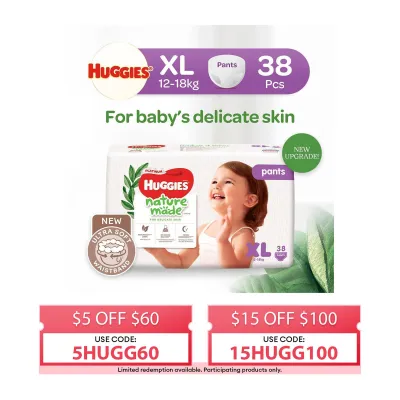
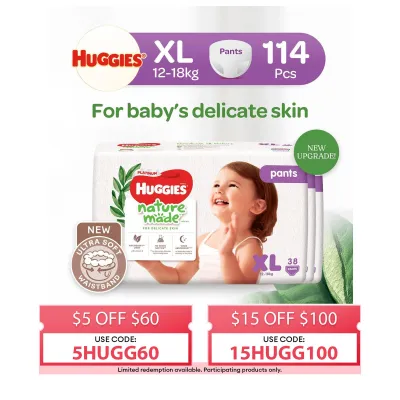
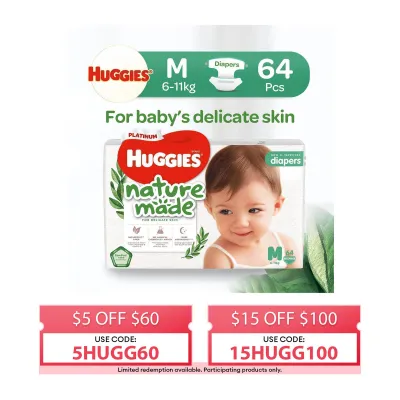
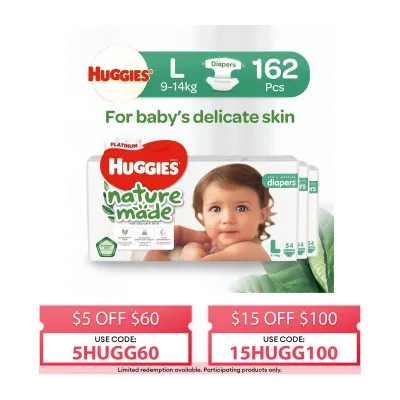
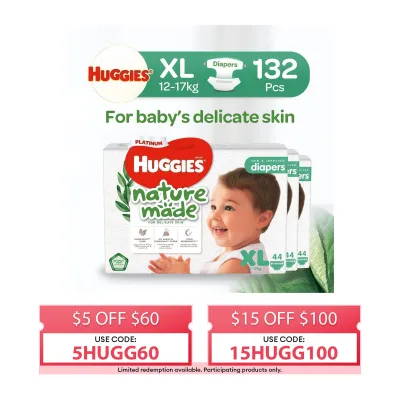
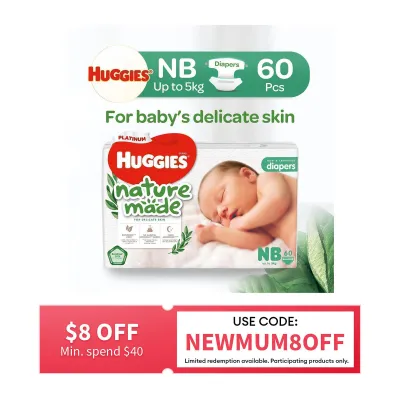
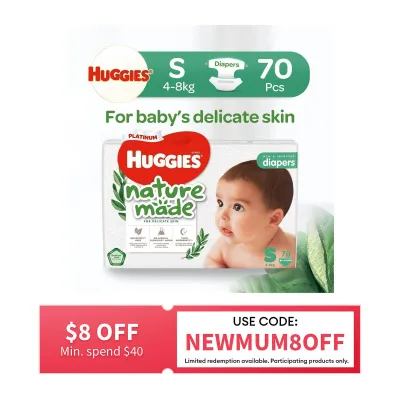
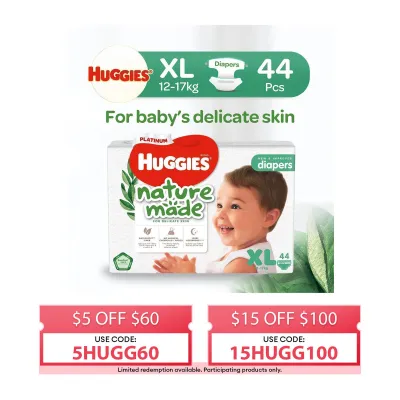
Prices are valid at publication and may change. Please refer to the product page for the latest price.
Absorbency is the primary defense against leaks and diaper rash. When evaluating absorbency, look closely at the packaging for specific core material claims, such as superabsorbent polymers or specialized distribution channels designed to draw moisture away from the skin. Many modern diapers also feature external wetness indicators—color-changing lines that signal when a change is due—which are highly useful for preventing prolonged exposure to moisture.
Fit is equally critical, as a poorly fitting diaper will leak regardless of its absorbency capacity. Key fit markers include the elasticity of the waistband, the design of the double leg cuffs, and how closely the brand’s size chart aligns with your baby’s actual weight and build. Because babies have different proportions—some have rounder bellies while others have chubbier thighs—a diaper that fits one baby perfectly might gap or pinch on another.
Finally, calculating the true value for money requires looking past the initial shelf price. Because pack sizes and diaper counts vary significantly between brands and sizes, the most reliable metric is the cost per diaper in S$. By tracking this unit cost across different retailers and packaging options, you can determine which brand offers the most sustainable long-term value for your family’s budget.
Evaluating Absorbency and Leak Protection
Absorbency is not just about how much liquid a diaper can hold, but how quickly it locks that moisture away from your baby’s delicate skin. When comparing Huggies, Pampers, and Mamypoko, start by checking the product packaging for stated absorbency technologies. Manufacturers often highlight features like channel technology, which distributes liquid evenly to prevent sagging, or embossed top sheets that minimize skin contact with wetness.

To assess actual performance, observe the diaper’s condition after periods of heavy use, such as overnight sleep or long outings. A high-performing diaper should feel relatively dry to the touch on the inside surface, even when fully loaded, and the outer shell should not feel damp or clammy. If you notice that the diaper clumps heavily in one spot or leaks from the sides despite being the correct size, the core material may not be distributing liquid effectively for your baby’s sleeping position.
It is important to remember that absorbency requirements are highly dynamic and depend on your baby’s age, feeding schedule, and urine output. Newborns require frequent changes due to loose stools, making rapid surface absorption a priority. Older infants who sleep through the night need a diaper with a higher overall capacity and robust barriers to prevent leaks during hours of continuous wear. Monitoring these patterns helps you decide whether you need a specialized overnight diaper or if a standard day diaper is sufficient.
Assessing Fit, Comfort, and Skin Sensitivity
A diaper’s fit directly impacts both leak prevention and your baby’s physical comfort. When comparing brands, pay close attention to the waistband stretch and the snugness of the leg cuffs. The waistband should be flexible enough to accommodate expansion after feedings without leaving deep red marks on the skin, while the leg cuffs should form a gentle, secure seal in the groin creases to contain blowouts. You can verify these features by checking product specifications or obtaining sample packs before committing to a full carton.
Skin sensitivity is another crucial factor, particularly in Singapore’s humid weather where sweat and friction can easily trigger irritation. Review the ingredient and material labels on the packaging to check for dermatological testing claims, hypoallergenic certifications, or the absence of added fragrances and latex. Some brands incorporate plant-based materials or organic cotton in their premium lines, which may be gentler on highly sensitive skin.
Regardless of the brand you choose, caregiver supervision is essential for monitoring skin health. If you observe persistent redness, chafing, or diaper rash, this is a clear signal to stop using that specific diaper model. Discontinue use immediately and consult a qualified pediatrician or healthcare professional to address the irritation and determine if a change in diaper material or sizing is necessary.
Calculating Value for Money and Sourcing
To find the most economical option without sacrificing quality, you must establish a consistent method for calculating value. The simplest way to do this is by dividing the total price of the pack in S$ by the number of diapers inside to find the cost per unit. For example, if a pack costs S$24.00 and contains 60 diapers, the cost per diaper is S$0.40. This unit cost allows you to make direct, accurate comparisons across different brands, sizes, and tiers.
Prices can fluctuate significantly depending on where and how you purchase your diapers. Compare the cost per diaper across official brand stores, local supermarkets, and authorized online malls in Singapore. While physical supermarkets offer immediate convenience, online marketplaces often provide bulk-buy discounts or subscription models that can lower the unit cost substantially over time.
When calculating the final cost, remember to factor in promotional bundles, seasonal sales, subscription discounts, and potential shipping fees. A slightly more expensive diaper pack might actually turn out to be more cost-effective if it qualifies for free delivery or comes with a high-value promotional gift. Keep a simple running log of your diaper expenses to track which sourcing method consistently delivers the best value for your household.
Decision Framework: Which Brand Fits Your Baby Best?
Choosing between Huggies, Pampers, and Mamypoko ultimately comes down to matching each brand’s specific design strengths with your baby’s physical needs and your lifestyle. Because every baby’s body shape is unique, a structured decision framework can help you narrow down the options based on your primary diapering goals.
Consider choosing Huggies if your baby has a build that aligns well with their specific fit features, such as their pocketed waistbands designed to contain runny messes, or if you prefer a brand with highly standardized, widely available sizing across local retail outlets. Huggies is often favored by parents who prioritize a snug, secure fit around the lower back to prevent upward leaks.
Opt for Pampers if you are looking for specific material claims, such as lightweight, thin cores designed for active movement, or if their local availability in your neighborhood stores matches your need for quick, convenient restocking. Pampers is frequently chosen by families who prefer a less bulky diaper profile that fits easily under snug baby clothing.
Select Mamypoko if you prefer their specific design options, such as their widely recognized pants-style diapers with deep, soft waistbands, or if their bulk pricing structures fit well into your long-term household budget. Mamypoko is a popular choice for parents transitioning active toddlers into pull-up pants who require easy diaper changes on the go.
Before committing to a bulk purchase or a recurring subscription, always verify the fit and skin compatibility by purchasing the smallest available pack or requesting a sample. Testing a small quantity first allows you to observe how the diaper performs in real-world conditions, ensuring you do not end up with a large supply of diapers that cause leaks or skin irritation.
Frequently Asked Questions (FAQ)
How often should I change my baby's diaper to prevent rashes?
Newborns generally require diaper changes every two to three hours, or immediately after any bowel movement, as their skin is exceptionally delicate. As your baby grows and their bladder capacity increases, the interval between changes can stretch, but you should still check the diaper regularly. Observable signs that an immediate change is needed include a fully colored wetness indicator, a heavy or sagging diaper core, or any fussiness from your baby that suggests discomfort.
Can I mix different diaper brands for day and night use?
Yes, mixing different diaper brands for day and night use is a highly practical strategy used by many parents to balance performance and cost. You might choose a highly absorbent, premium diaper with robust leak guards for overnight wear to ensure uninterrupted sleep, while using a lighter, more economical diaper during the day when changes are more frequent. When mixing brands, ensure that both options fit your baby securely and align with their current weight range to prevent unexpected leaks.

Community discussion
Share your experience or ask a question. Comments are reviewed before publication.