
Choosing between Huggies and Pampers Large pants for an active toddler is not about finding a universal winner, but about matching the diaper’s specific cut and construction to your child’s physical build and movement style. Both brands design their Large size pants to accommodate toddlers who are crawling, walking, and climbing, yet they employ different structural approaches to waistbands, leg cuffs, and absorbent cores.
The Large size, which typically covers a weight range of 9 to 14 kilograms depending on the specific product line, represents a critical transition phase. At this stage, toddlers become highly active, making traditional taped diapers prone to shifting, sagging, or unfastening. Pull-up pants offer a snugger, underwear-like fit, but differences in elasticity, rise, and leg openings mean one brand may fit a rounder toddler securely while causing leaks on a leaner, more active child. To make the right choice, parents must look beyond marketing claims and perform hands-on checks of the diaper’s physical features, monitor their child’s skin condition, and understand how to troubleshoot fit issues.
Understanding the Core Differences in Design and Fit
To evaluate how these diaper pants will fit your toddler, start by physically inspecting the waistband and leg cuffs of an unused diaper. Gently pull the waistband to its maximum limit to observe the resistance and elasticity. A highly elastic, gathered waistband provides a secure hold for toddlers with narrower waists but might leave red marks on a child with a rounder tummy. Conversely, a softer, wider waistband might offer more comfort but could sag if the toddler’s waist is lean and the diaper becomes heavy.
Products mentioned in this guide
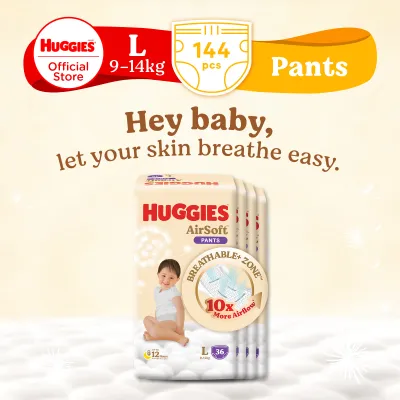
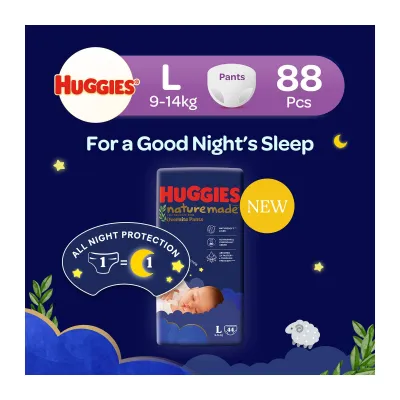
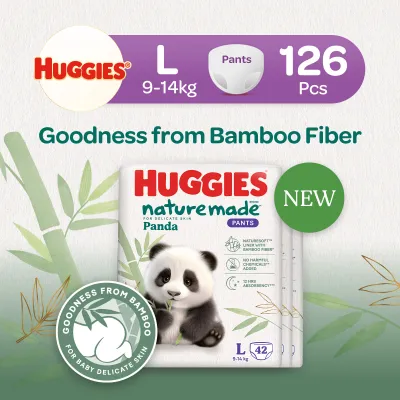
![HUGGIES DRY COMFORT BABY DIAPERS PANTS - SIZE M / L / XL / XXL [CARTON DEAL]](https://img.lazcdn.com/g/p/4cac326159704a11bf243b1fc69a5cc1.jpg_400x400q80.jpg_.webp)
Prices are valid at publication and may change. Please refer to the product page for the latest price.
Leg cuffs are the primary defense against blowout leaks, especially when a toddler is constantly on the move. Inspect the inner and outer leg gathers, which form the double-barrier system. Run a finger along the elastic bands to check their height and tension. For toddlers with thicker thighs, tight leg elastics can pinch and cause chafing, whereas loose elastics on a child with slender legs will inevitably lead to gaps and leaks during active play.
When verifying the fit on your child, ensure the waistband sits high enough on the lower back and tummy to prevent sagging. The leg cuffs must be fully flared outward rather than tucked inward; a tucked cuff is a common cause of immediate leaks. Always cross-reference the manufacturer’s weight and size charts on the packaging with your child’s current measurements. If your toddler is near the upper limit of the weight range or has a particularly solid build, transitioning to the next size up may prevent leaks and red marks even if they technically still fit the weight bracket.
Evaluating Absorbency and Leak Protection for Active Movement
To assess how both pull-up pants perform under high-activity conditions, examine the absorbent core distribution and channel designs. Open a diaper and hold it up to the light or feel the inner lining. Some designs distribute the absorbent polymer evenly throughout the core, while others concentrate it in specific zones. Look for channel designs—visible stitched lines running down the core—which help distribute liquid rapidly to prevent sagging and pooling in one spot.

Daytime play and nighttime sleep require different leak protection characteristics. Daytime high-mobility play demands a diaper that moves with the child without shifting or bunching. The core must absorb liquid quickly under pressure, such as when a toddler sits down heavily after wetting. Nighttime, however, demands extended capacity. During long hours of sleep, the diaper must handle multiple wettings without leaking from the sides or back, which often requires a thicker core or a more secure back waistband.
Create a framework for matching your toddler’s typical urine output volume and movement intensity with the appropriate absorbency level. If your toddler drinks large amounts of fluids or tends to flood the diaper quickly, look for packaging indicators that highlight rapid-absorption technology or overnight protection. For highly active toddlers who climb and run, prioritize a secure, non-slip waistband and high leg barriers over raw absorbency capacity to prevent structural shifting during movement.
Skin Sensitivity and Material Comfort Considerations
Prolonged wear of diaper pants must not compromise skin health, especially in warm, humid climates. Evaluate the inner lining texture and outer cover breathability through tactile checks. Feel the inner lining of the diaper with the back of your hand; it should feel soft and dry, not papery or stiff. The outer cover should also feel breathable; a plastic-like outer shell can trap heat and moisture, leading to discomfort and skin irritation.
For toddlers with easily irritated skin, look for labels indicating hypoallergenic materials, fragrance-free formulations, or elemental chlorine-free processing. Some product lines incorporate skin-soothing ingredients or specialized textured liners designed to minimize contact between the skin and wetness. Always verify these claims on the specific product packaging, as formulations and materials can change.
Regularly inspect your toddler’s skin during diaper changes for signs of friction or moisture buildup. Red lines around the thighs or waist indicate that the elastic is too tight or the size is too small. Dampness on the skin immediately after removing a diaper suggests poor breathability or slow absorption. If persistent redness, irritation, or a rash develops despite frequent changes, consider adjusting the size, changing the brand, or consulting a pediatrician.
Price, Value, and Purchasing Strategies in Singapore
To find the true value of diaper pants in Singapore, calculate the cost per piece by dividing the total price of the pack by the number of diapers inside. Prices can vary significantly between standard lines and premium organic lines. A lower price per piece might seem economical, but if it requires more frequent changes or causes leaks, it may cost more in the long run than a slightly more expensive, highly absorbent option.
Buying bulk boxes, often sold as carton deals, offers the lowest cost per piece, but it is risky if you are trying a brand for the first time. Start with a single pack or a trial size to verify the fit and skin compatibility before committing to a bulk purchase. This strategy minimizes waste if your toddler suddenly outgrows a size or experiences skin sensitivity.
Keep an eye on major sales events on local ecommerce platforms and online marketplaces, as well as weekend specials at physical supermarkets. Many brands offer subscription discounts or loyalty programs that provide additional savings. Additionally, look for official brand websites or parenting portals that offer free sample packs of Large pants, and check the return policies of local retailers to see if they allow exchanges for unopened diaper boxes.
How to Decide: A Conditional Framework for Parents
To make your final decision, use a condition-based guide tailored to your toddler’s specific physical and behavioral traits:
Choose Huggies if your toddler has a rounder, sturdier build where a highly secure, snug-fitting waistband and robust leg barriers are necessary to prevent sagging during vigorous climbing and running. This option is often suitable if you prefer a structured feel that holds its shape well under pressure.
Choose Pampers if your toddler is leaner or has highly sensitive skin that benefits from a softer, more flexible, and lightweight material. This choice is ideal if you prioritize a diaper that stretches easily with minimal friction and offers a highly breathable outer cover to combat heat and humidity.
Verify first or switch if you notice persistent leaking despite the diaper being dry in some areas, which indicates a fit mismatch rather than an absorbency issue. Switch sizes or brands immediately if you observe deep red marks that do not fade within a few minutes of removal, or if your toddler experiences sudden growth spurts that cause the waistband to sit too low.
Ultimately, the final decision must rely on real-world trial, observation, and your child’s individual comfort. Buy a small pack of each brand, observe how they perform over a three-day period of active play and sleep, and let your toddler’s skin comfort and freedom of movement guide your choice.
Frequently Asked Questions (FAQ)
When should I transition my toddler from taped diapers to pants?
Transition to pants when your toddler begins standing, walking, or actively resisting lying down during diaper changes. If your child wriggles, rolls over, or tries to escape while you are fastening tapes, pull-up pants allow for quick changes while they stand. Additionally, if your toddler is showing early signs of potty training readiness, such as trying to pull their own pants up and down, diaper pants support this developmental milestone by mimicking real underwear.
What should I do if the Large pants still leak despite a good fit?
First, perform a physical check: ensure the waistband is pulled up high enough and the inner leg cuffs are fully flared outward, not tucked inside. If the fit is correct but leaks persist, the diaper’s absorbency capacity may be overwhelmed by your toddler’s urine volume. Consider upgrading to the next size up, which contains more absorbent material, or switching to a specialized overnight diaper pant designed for extended wear.
Can I mix different brands of diapers for day and night use?
Yes, mixing brands is a highly practical strategy for many parents. You might choose a lighter, highly breathable, and flexible diaper pant for active daytime play to prevent overheating and chafing, and switch to a thicker, maximum-absorbency brand for overnight sleep. If you do this, monitor your toddler’s skin closely for any reactions, as alternating between different materials and adhesive formulations can sometimes trigger sensitivities in children with highly reactive skin.

Community discussion
Share your experience or ask a question. Comments are reviewed before publication.