
Choosing between Huggies and Pampers in Singapore’s warm, humid climate depends on matching your baby’s unique body shape, skin sensitivity, and movement patterns to each brand’s specific design features. There is no single diaper that works perfectly for every infant; instead, the right choice comes down to how well a diaper’s waistband, leg cuffs, and absorbent core perform for your baby during daily wear and overnight sleep. By understanding the structural differences and learning how to evaluate fit, parents can minimize leaks, prevent skin irritation, and manage their monthly household budget effectively.
Understanding the Core Product Lines and Sizing
Both Huggies and Pampers offer distinct product tiers designed to cater to different developmental stages, budgets, and usage scenarios. In Singapore, you will commonly find standard, premium, and specialized lines on retail shelves. Huggies typically structures its range around lines like Huggies Platinum, Huggies Naturemade, and standard Huggies Ultra, while Pampers offers options such as Pampers Premium Care and Pampers Baby Dry. These lines vary in their material composition, thickness, and targeted features, making it essential to read the packaging carefully to identify which series aligns with your current needs.
When browsing diaper packaging, pay close attention to the manufacturer’s target use cases. Premium lines often emphasize enhanced breathability and softer top sheets, which are highly beneficial for newborns with delicate skin. Standard lines are frequently marketed for daytime use, focusing on reliable absorbency at a more accessible price point. Specialized overnight variants, if available, are designed with higher concentrations of absorbent materials to handle extended wear without leaking.
Products mentioned in this guide
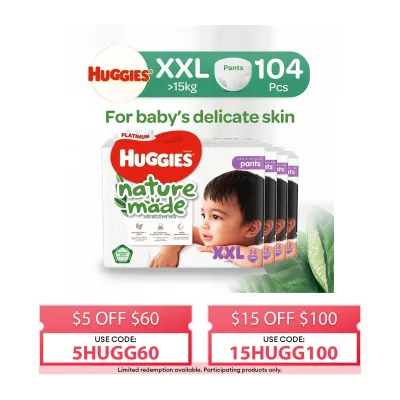
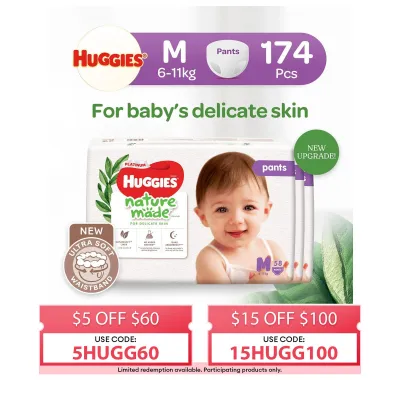
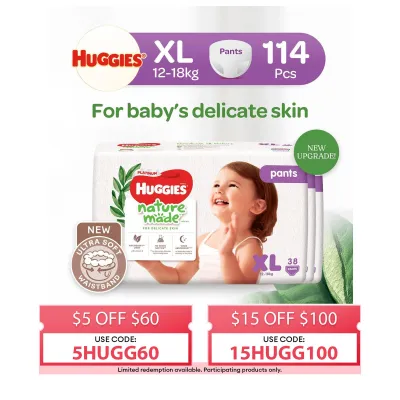
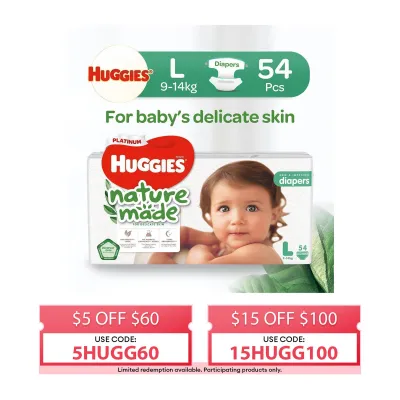
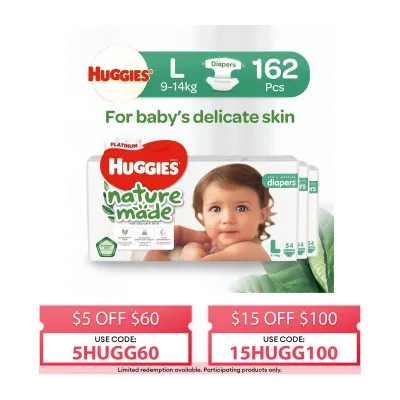
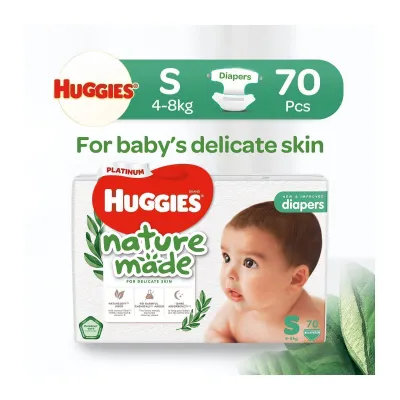
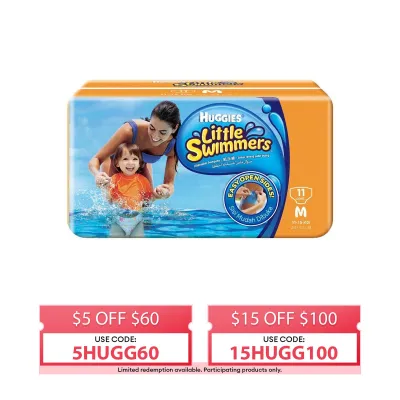
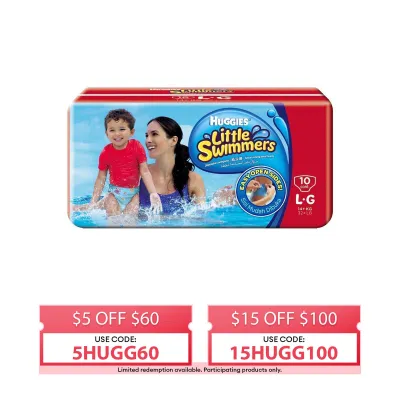
Prices are valid at publication and may change. Please refer to the product page for the latest price.
Selecting the correct size is the first step in preventing leaks and ensuring your baby’s comfort. Every diaper box displays an official size chart based on weight ranges, such as Size S for babies weighing 4 to 8 kilograms, or Size M for 6 to 11 kilograms. Because these weight ranges overlap significantly, you should use them as a starting guideline rather than an absolute rule. If your baby is approaching the upper limit of a weight range or has a rounder build, transitioning to the next size up often provides a more secure and comfortable fit.
Comparing Absorbency and Leak Protection Features
To manage moisture effectively and prevent messy cleanups, parents must look closely at the structural features and packaging indicators of each brand. Modern disposable diapers rely on a combination of cellulose pulp and superabsorbent polymers (SAP) to draw liquid away from the skin. When comparing Huggies and Pampers, look for packaging claims regarding absorbent channel designs. These channels are engineered to distribute liquid evenly across the core, preventing the diaper from sagging or clumping in a single spot as it fills.

Physical features visible during diaper changes provide valuable clues about leak protection. Most diapers include a wetness indicator—a pH-sensitive strip on the exterior that changes color from yellow to blue or green when exposed to moisture. Additionally, examine the leg cuff barriers and standing leak guards. These elasticized barriers should stand upright around your baby’s thighs to contain liquid. Huggies diapers often feature a unique elastic pocket at the back of the waistband, specifically designed to catch runny newborn stools and prevent back blowouts. Pampers, on the other hand, frequently utilizes a thinner, highly flexible core design that aims to distribute moisture quickly through specialized channels.
Tracking where and when leaks occur is the most practical way to evaluate a diaper’s performance for your baby. If you consistently notice leaks around the leg openings, the diaper may be too large, or the leg cuffs may have been accidentally tucked inward during fastening. If leaks occur primarily at the back during sleep, your baby may benefit from a design with a more robust rear waistband elastic or a dedicated blowout pocket. Observing these patterns allows you to adjust the fit or switch to a brand with a different structural layout.
Evaluating Fit, Comfort, and Skin Sensitivity
A diaper must conform comfortably to your baby’s body during active movement while protecting their skin from irritation. Singapore’s high humidity levels make breathability a critical factor, as trapped moisture and heat can quickly lead to diaper rash. When evaluating fit, check the elasticity of the waistband and the flexibility of the fastening tabs. The tabs should stretch easily and secure firmly to the landing zone on the front of the diaper without digging into your baby’s skin or restricting their natural movement.
Skin sensitivity is a primary concern for many parents, prompting brands to highlight various dermatological claims on their packaging. Look for labels indicating that the materials are hypoallergenic, fragrance-free, or dermatologically tested. Because “softness” is highly subjective, relying on these verified packaging labels and ingredient lists is a more reliable way to assess potential skin compatibility. Avoid diapers with added fragrances if your baby has sensitive skin, as artificial scents can sometimes trigger allergic reactions or irritation.
Regularly monitor your baby’s skin during diaper changes for any physical signs of discomfort or poor fit. Red marks or indentations around the thighs and waist indicate that the elastic is too tight, signaling that it is time to size up or try a brand with a wider, softer waistband. If you notice persistent redness, bumps, or diaper rash, the material may not be breathable enough for your baby’s skin, or the absorbent core may not be keeping the skin sufficiently dry. In such cases, adjusting the diaper change frequency or switching to a different product line is often necessary.
Calculating Price and Value per Diaper
Because diapers are a continuous household expense for several years, calculating the true cost per piece is essential for smart budgeting. Relying solely on the total price of a pack can be misleading, as different brands and product lines package varying quantities of diapers. To find the exact unit cost, use this simple formula: divide the total price of the pack by the number of diapers printed on the box. For example, a pack priced at S$24.00 containing 60 diapers results in a unit cost of S$0.40 per piece.
When purchasing diapers, consider the trade-offs between different packaging sizes. Bulk packs and carton deals typically offer the lowest price per diaper, making them highly economical for daily home use. However, they require adequate storage space in your home, which can be a consideration in cozy Singapore apartments. Smaller convenience packs are more expensive per piece but are highly practical for travel, short outings, or when you are testing a new size or brand before committing to a larger purchase.
To ensure product authenticity and get the best value, always purchase diapers through authorized retail channels. Official brand stores on reputable local ecommerce platforms, major supermarkets, and established baby specialty shops guarantee that the products are genuine and have been stored in clean, climate-controlled environments. Buying from unauthorized parallel importers may expose you to older product formulations, damaged packaging, or counterfeit goods that do not meet safety and quality standards. Keep an eye out for subscription services or loyalty programs offered by authorized retailers to save on recurring purchases.
How to Decide: Matching the Diaper to Your Baby's Needs
Choosing between Huggies and Pampers ultimately comes down to matching the specific physical characteristics of the diaper to your baby’s body shape and daily routine. There is no universal winner, as a diaper that works perfectly for one infant may cause leaks or discomfort for another. Use the following guidelines to help structure your decision-making process.
Choose Huggies if your baby has a rounder build with fuller thighs, or if you frequently experience leaks at the back of the diaper. The elasticized rear waistband and built-in pocket found in many Huggies designs are highly effective at containing runny stools and securing a snug fit around narrower waists. If your baby is highly active and benefits from a sturdier, more structured waistband that stays in place during crawling and walking, this brand’s design may align well with their movement patterns.
Choose Pampers if your baby has a more slender build, or if you prefer a diaper with a thinner, lighter profile that fits easily under snug clothing. The channel-based absorbent core in Pampers is designed to distribute liquid quickly and evenly, which can help keep the surface dry without adding unnecessary bulk. If your baby’s skin responds well to their specific top sheet materials and you prioritize a highly flexible fit that moves easily with a fast-growing infant, Pampers may be the more suitable option.
Neither brand may fit your baby if you experience persistent leaks, frequent blowouts, or ongoing skin irritation despite verifying that you are using the correct size. Every baby’s anatomy is unique, and sometimes the cut or material of a specific brand simply does not align with their body. If both Huggies and Pampers fail to provide a reliable fit, consider exploring alternative commercial diaper brands available in Singapore, or look into modern cloth diapering options as a customizable alternative.
Verify first with a qualified professional if your baby has a diagnosed skin condition, such as eczema or severe atopic dermatitis. While commercial packaging labels like “hypoallergenic” or “organic” provide helpful guidance, they do not guarantee that a product will not trigger a flare-up on highly sensitive skin. Consult a pediatrician or dermatologist to obtain personalized recommendations and guidance on managing your baby’s skin care routine before relying solely on retail diaper claims.
Frequently Asked Questions (FAQ)
How do I know if I need to size up my baby's diaper?
You should consider sizing up if you notice persistent red marks or elastic indentations around your baby’s thighs or waist, indicating the diaper is too tight. Frequent leaks or blowouts, even when the diaper is fastened correctly, are another clear sign that the current size’s absorbent capacity is being exceeded. Additionally, if you find it difficult to fasten the adhesive tabs comfortably within the designated landing zone on the front waistband, or if the diaper’s rise sits too far below your baby’s belly button, it is time to transition to the next weight range.
Can I use different diaper brands for daytime and nighttime?
Yes, alternating between different diaper brands or product lines for daytime and nighttime use is a highly practical strategy for many parents. During the day, you might opt for a thinner, more flexible diaper that allows for easy movement during active play and can be changed frequently. For overnight sleep, switching to a highly absorbent, premium variant designed for extended wear can help keep your baby dry and comfortable for up to twelve hours. Always monitor your baby’s skin to ensure that switching between different materials and designs does not cause localized irritation or sensitivity.

Community discussion
Share your experience or ask a question. Comments are reviewed before publication.