
Choosing between Huggies and other leading diaper brands in Singapore depends on your baby’s unique anatomy, skin sensitivity, and daily routines. Because there are no standardized, independent laboratory tests comparing every brand on the market, parents must rely on product label specifications, structural design features, and direct observation of their baby’s skin and leak frequency. While Huggies is a household name, other popular options might offer different fits or materials that better suit your child’s specific needs. By understanding how to evaluate absorbency, fit, and material safety, you can make an informed decision that keeps your baby dry and comfortable throughout the day and night.
Evaluating Absorbency and Leak Protection Features
When comparing diaper brands, absorbency is often the primary concern for parents. The core of a modern disposable diaper relies on a blend of cellulose wood pulp and Superabsorbent Polymers (SAP). SAP is designed to absorb many times its weight in liquid, locking moisture away in a gel form to prevent rewetting, which occurs when liquid is squeezed back onto the baby’s skin under pressure. When evaluating packaging, look for terms indicating a multi-layer core or specialized distribution channels. These channels help distribute urine evenly throughout the diaper, preventing the heavy sagging that can restrict a baby’s movement and lead to premature leaks.
Wetness indicators are another standard feature to look for on diaper packaging. These are typically pH-sensitive strips that run down the center of the diaper, changing color—usually from yellow to blue or green—when exposed to moisture. While highly convenient for quick checks, parents should not rely solely on these indicators. For babies with sensitive skin, even a small amount of trapped moisture can cause irritation, making regular physical checks and timely changes essential regardless of what the indicator shows.
Products mentioned in this guide
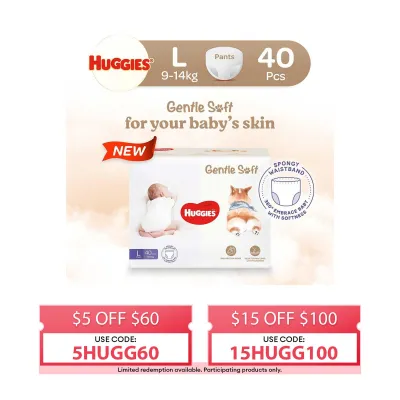
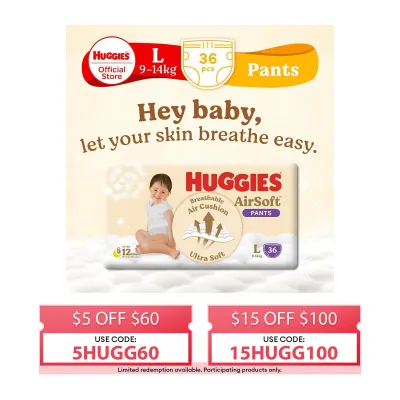
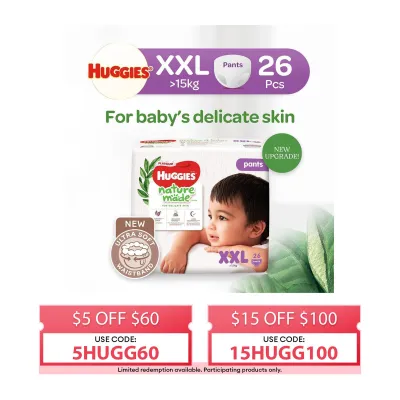
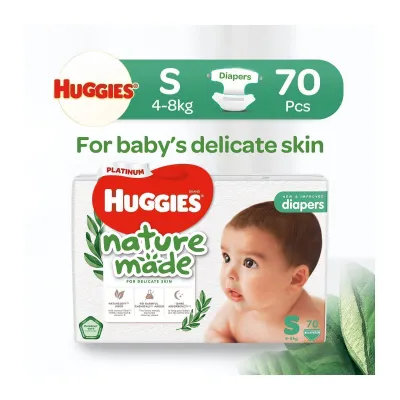
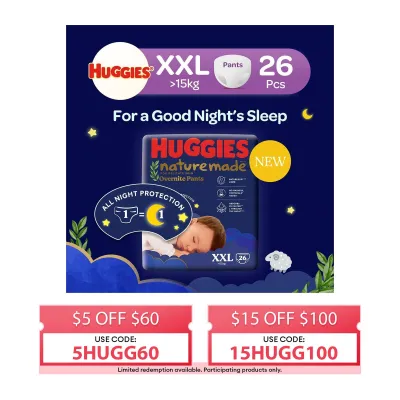
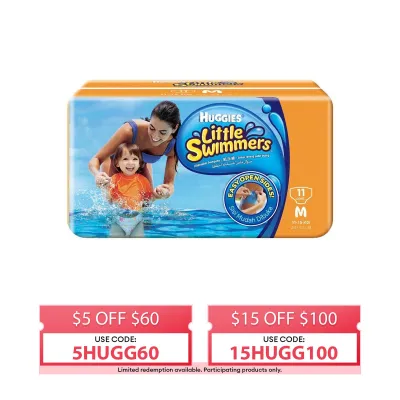
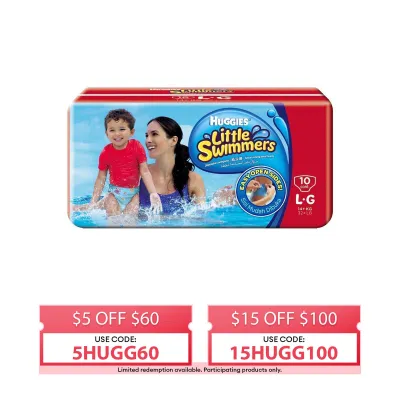
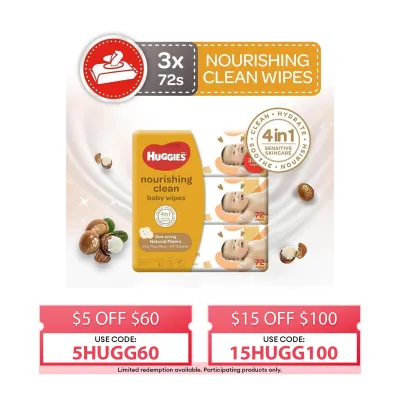
Prices are valid at publication and may change. Please refer to the product page for the latest price.
Physical leak prevention relies heavily on the diaper’s structural design, specifically the leg cuffs and waistband. High-quality diapers feature double-layered leg cuffs, often referred to as inner and outer barriers or gaskets. These cuffs must be flared outward during application to create an effective seal around the thighs. Additionally, an elastic waistband with a pocketed design at the back is crucial for trapping runny bowel movements, especially for younger infants who spend most of their time lying down. A diaper with poor waistband elasticity is significantly more prone to back blowouts.
The performance of these absorbency features is highly dependent on external conditions, such as the baby’s age, urine volume, and the time of day. During the day, when babies are active, crawling, or walking, they require a diaper that offers high flexibility and rapid absorption to handle sudden, large volumes of urine. Overnight, however, the priority shifts to long-term capacity and moisture distribution, as the diaper must keep the baby dry for up to twelve hours to support uninterrupted sleep. Many parents find that a diaper that performs excellently during the day may require a size upgrade or a dedicated overnight variant to prevent leaks during the night.
Assessing Comfort, Fit, and Skin-Friendliness
A diaper’s comfort and skin-friendliness are directly linked to its materials and how well it fits your baby’s body. The top sheet, which is the inner layer in direct contact with the baby’s skin, should be soft and textured. Many premium diaper brands use 3D embossed top sheets that minimize the surface area touching the skin, creating pockets that trap liquid and runny stool quickly. When reviewing packaging, look for labels indicating that the materials are hypoallergenic, fragrance-free, and elemental chlorine-free, as these factors significantly reduce the risk of skin irritation.

Breathability is another critical factor, particularly in Singapore’s hot and humid climate. Diapers with a breathable outer cover allow heat and moisture vapor to escape while keeping liquid safely contained inside. This air circulation is vital for maintaining a healthy skin barrier and preventing heat rash or diaper dermatitis. If a diaper feels clammy on the outside after use, it often indicates that the breathable membrane is functioning, allowing moisture vapor to pass through rather than trapping it against your baby’s skin.
Achieving a proper fit requires looking beyond the weight ranges printed on diaper packaging. Sizing charts provided by manufacturers are helpful guidelines, but they are based on average baby proportions. Because babies have different body shapes—some having rounder bellies while others have chubbier thighs—the weight range on the box should only be a starting point. If your baby is near the upper limit of a size range, or if you notice red marks around their thighs or waist, it is usually time to transition to the next size up, even if their weight suggests otherwise.
Regularly observing your baby’s skin is the most reliable way to assess a diaper’s comfort and safety. Check for signs of friction, such as chafing along the leg elastic, or localized redness that does not fade quickly after a diaper change. If your baby develops a persistent, bright red rash, skin peeling, or pustules, stop using the current diaper brand or variant immediately. These symptoms can indicate contact dermatitis or a yeast infection, both of which require a clean, dry environment and a consultation with a pediatrician to ensure proper treatment.
Decision Framework: Choosing the Right Brand for Your Baby
To choose the right diaper brand, parents can use a conditional decision framework based on observable outcomes and their baby’s specific physical needs. When researching diaper options like Huggies (often searched online under variations like higgies), you should choose this brand if its specific fit features, material textures, or absorbent channel layouts align well with your baby’s body shape and skin tolerance. For instance, if your baby has a rounder build and benefits from a highly elastic, pocketed waistband that prevents back leaks, a brand with these structural characteristics is highly suitable.
Conversely, you should choose alternative leading brands if they offer distinct structural advantages that better suit your baby’s mobility and comfort. For example, some alternative brands feature an ultra-thin profile that reduces bulk between the thighs, which can be highly beneficial for older infants who are learning to walk. Other brands may use different waistband styles, such as tape designs with more adjustable positioning, or pant-style diapers with softer, more stretchable side panels that do not leave red marks on highly active toddlers.
There are situations where neither Huggies nor alternative popular brands will provide a satisfactory fit or performance. If your baby shows persistent signs of contact dermatitis, develops deep red marks that do not fade, or experiences frequent leaks despite correct sizing and proper application, the issue may not be the brand itself. In these cases, the baby’s skin may be reacting to a specific adhesive, fragrance, or material used across multiple disposable brands, or the baby’s unique body shape may require a complete shift in diaper style, such as transitioning from tape to pants.
Before deciding to switch brands entirely, it is important to verify several operational factors that can mimic diaper failure. First, check if your baby is transitioning between sizes; a diaper that is too small will leak because its absorbent capacity is exceeded, while a diaper that is too large will leak due to gaps around the legs. Second, ensure you are using the correct variant for the time of day, as daytime diapers may lack the capacity needed for overnight use. Finally, consider if recent dietary changes, such as introducing solid foods, have altered your baby’s waste consistency, which can temporarily affect how well any diaper performs.
Purchasing Guidelines and Authenticity Verification
To ensure your baby’s safety and comfort, it is essential to source diapers from authorized and reputable channels. In Singapore, purchasing directly from brand official stores on major e-commerce platforms, established physical supermarkets, and reputable pharmacies guarantees that you are receiving genuine products. These authorized sellers adhere to strict storage and transport standards, ensuring that the diapers are not exposed to excessive heat or humidity, which can degrade the adhesives and absorbent materials before you even open the package.
Purchasing from unauthorized third-party sellers on general online marketplaces carries significant risks. These products may be parallel imports intended for other markets with different quality standards, or they may have been stored in substandard conditions that compromise their hygiene and performance. In worst-case scenarios, unauthorized listings can feature counterfeit diapers. Counterfeit products often bypass safety regulations, utilizing low-grade materials, harsh chemical bleaching agents, or synthetic fragrances that can cause severe allergic reactions and skin infections on a baby’s delicate skin.
To protect your baby, always verify product authenticity before use. Inspect the packaging carefully for high-quality printing, clear and legible text, and intact seals; blurry graphics or misspelled words are strong indicators of a counterfeit. Check for a printed batch code and manufacturing date on the pack, which authorized distributors can use to verify the product’s origin. If you suspect a product is counterfeit or compromised, do not use it; instead, contact the manufacturer’s official customer service channel or the retailer where you made the purchase to report the issue.
Frequently Asked Questions (FAQ)
How often should I change my baby's diaper to prevent rashes?
To maintain healthy skin and prevent diaper rash, you should change your baby’s diaper every two to three hours, or immediately after they have a bowel movement. Newborns have highly sensitive skin and urinate frequently, requiring more diligent monitoring. Even if a diaper claims long-lasting dryness, leaving a wet diaper on for extended periods allows ammonia from urine to irritate the skin barrier, increasing the risk of diaper dermatitis.
Can I mix different diaper brands for daytime and nighttime use?
Yes, mixing different diaper brands or variants for daytime and nighttime use is a highly practical and common strategy. Many parents choose a lighter, thinner, and more flexible diaper brand for active daytime play to maximize comfort and mobility. For overnight use, they switch to a highly absorbent, heavy-duty diaper—often a specific overnight variant or one size larger than their daytime diaper—to ensure maximum leak protection and a dry sleep environment.

Community discussion
Share your experience or ask a question. Comments are reviewed before publication.