
Finding the right diaper for your newborn is one of the first major decisions you will face as a parent in Singapore. With a variety of options lining the shelves, comparing Huggies tape diapers with other popular brands is a practical way to find the best match for your infant. Because every baby is built differently, there is no single diaper that works perfectly for every infant. The ideal choice depends on your baby’s unique body shape, skin sensitivity, and your family’s budget. By establishing a clear framework to evaluate fit, absorbency, and value, you can confidently navigate the diaper aisle and keep your baby dry and comfortable.
Key Factors to Evaluate When Choosing Newborn Tape Diapers
When evaluating tape diapers for a newborn, several design features require close inspection to ensure comfort and skin health. For early newborns, an umbilical cord cut-out is a critical feature to look for. This specialized design curves downward at the front waistband, preventing the diaper from rubbing against the healing umbilical stump and reducing the risk of irritation during the first few weeks of life. Parents should check product packaging to verify if a brand includes this cut-out in its newborn sizes.
Another essential feature is the wetness indicator, typically a colored line running down the center of the diaper that changes color when exposed to moisture. To verify its reliability, observe how quickly the line changes color after your baby urinates and whether it remains visible under different lighting conditions. In Singapore’s humid climate, a highly responsive indicator helps prevent prolonged exposure to wetness, which is a primary cause of diaper rash.
Products mentioned in this guide
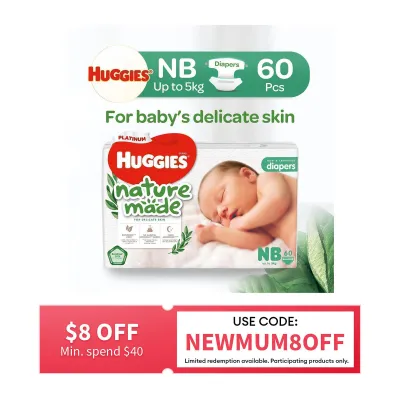
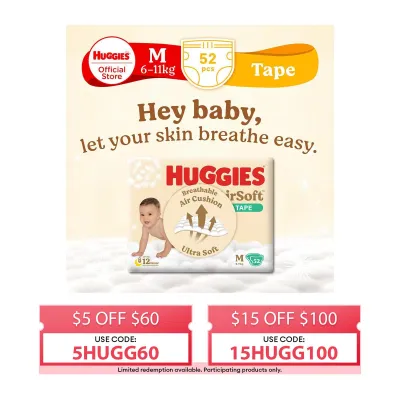
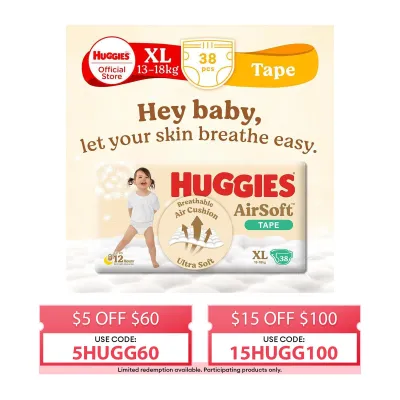
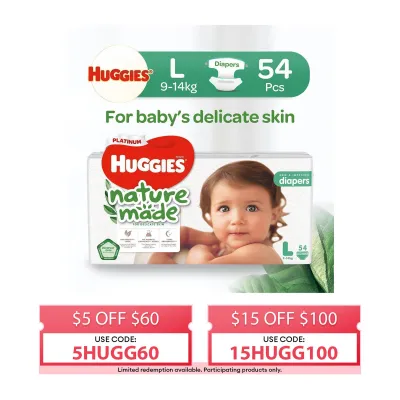
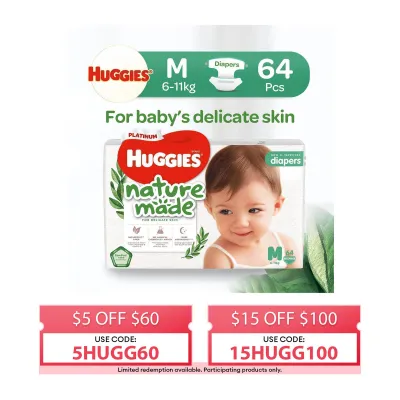
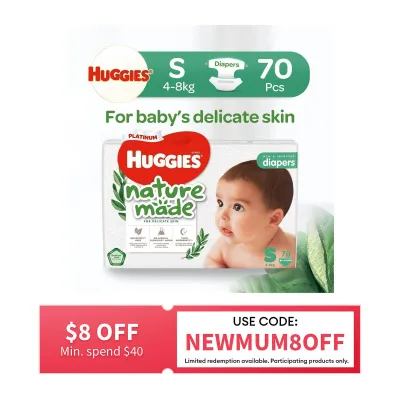
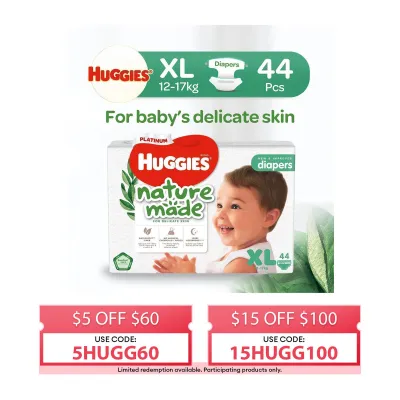
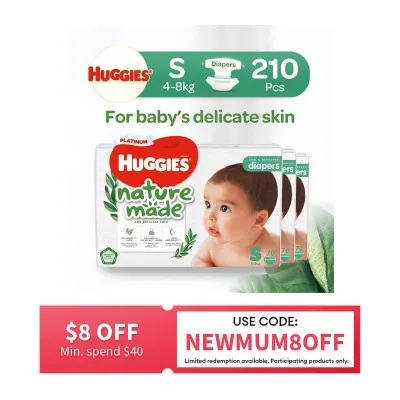
Prices are valid at publication and may change. Please refer to the product page for the latest price.
Material breathability is equally vital for maintaining healthy skin. High humidity can trap heat and moisture inside the diaper, leading to discomfort and heat rash. When comparing brands, inspect the outer cover and inner lining for a soft, micro-porous texture that allows air to circulate. You can monitor your baby’s skin during changes; if the skin feels damp or shows signs of redness, the diaper may lack sufficient breathability.
Finally, evaluate the strength and adjustability of the fastening tapes. The tapes must secure firmly to the landing zone and allow for multiple adjustments without losing their grip during late-night changes. Check if the tapes have rounded edges to prevent them from scratching your baby’s delicate skin if they accidentally come into contact with the thighs.
Comparing Fit and Comfort: Huggies vs. Other Popular Brands
Achieving a proper fit is the most effective way to prevent leaks and ensure your baby’s comfort. Huggies tape diapers are known for their snug fit, but how they compare to other brands depends heavily on your baby’s physical build. Start by evaluating the waistband elasticity. A high-quality diaper should feature a stretchy, wide waistband at the back to accommodate your baby’s tummy expansion after feeding. Some brands offer highly elastic waistbands, while others rely on a flatter design that may require tighter fastening to stay secure.

Leg cuff design is another critical area of comparison. Double-layered leg cuffs, or gather guards, provide a physical barrier against leaks and should fit snugly around your baby’s thighs without digging into the skin. When changing your baby, check for red marks around the waist and thighs, which indicate that the diaper is too tight or that the elastic is too harsh. Conversely, gaps between the diaper and your baby’s skin are a clear sign that the diaper is too loose, which often leads to messy blowouts.
Sizing variations between diaper brands can be significant, even when they target the same weight range. For example, a size S diaper from Huggies may fit differently than a size S from a Japanese or European brand. Some brands are cut narrower and longer, making them suitable for taller, leaner babies, while others are wider and accommodate rounder babies better. If you notice frequent leaks despite securing the diaper correctly, or if the diaper sits too low on your baby’s waist, consider transitioning to the next size up.
Additionally, observe the diaper’s bulkiness and flexibility when your baby moves. A bulky diaper can restrict natural leg movement and may feel uncomfortable under clothing. Look for diapers that maintain a slim profile even when wet, allowing your baby to kick and wiggle freely. Comparing the thickness of dry diapers from different brands can give you a good indication of which options offer a more flexible, lightweight fit.
Absorbency and Leak Protection: What to Look For
Absorbency is the core function of any diaper, and evaluating how well a brand performs involves looking for specific physical signs. After your baby has worn a diaper for a few hours, check for sagging, clumping, or gel leakage. High-quality diapers use superabsorbent polymers distributed evenly throughout the core to lock away moisture. If the diaper clumps into heavy balls or sags significantly between your baby’s legs, the absorbent core may not be distributing wetness effectively, which can cause discomfort and skin irritation.
Overnight leak protection requires a diaper that can handle multiple wettings over an extended period. Your baby’s sleeping position plays a major role in where leaks are most likely to occur. For back sleepers, look for diapers with a pocketed waistband or an extended absorbent core at the back to catch liquid. For side sleepers, double leg cuffs are essential to prevent side leakage. Inspect the inner lining of the diaper during morning changes; it should feel relatively dry to the touch, indicating that the moisture has been successfully drawn away from your baby’s skin.
To maximize leak protection, proper application is just as important as the diaper’s design. When fastening the tape diapers, ensure the tapes are symmetrical on the landing zone to keep the diaper centered. Run your finger along the inner leg cuffs to flare them outward; tucked-in cuffs are a common cause of immediate leaks. If you consistently experience leaks at the back or sides, try adjusting the angle of the tapes downward or upward to customize the fit around your baby’s specific waist-to-hip ratio.
Assessing Value: Price Per Diaper and Purchasing Strategies
Managing diapering costs is a priority for most families in Singapore, especially given the high frequency of changes required for newborns. To assess the true value of Huggies tape diapers compared to other brands, you must calculate the price per piece rather than comparing the total price of a pack. To do this, divide the retail price of the pack by the number of diapers inside. For example, a pack costing S$24.00 containing 80 diapers results in a price per piece of S$0.30. Keeping a simple log of these calculations helps you identify which brands offer the best value.
Many diaper brands offer both standard and premium product lines. Premium lines often feature softer materials, organic cotton components, or advanced channel designs for faster absorption, but they come at a higher price per piece. Standard lines are typically more budget-friendly and may be perfectly suitable for daytime use when changes are more frequent. Evaluate whether the premium features are necessary for your baby’s skin tolerance, or if a standard line provides sufficient comfort and protection.
Leveraging purchasing strategies can significantly lower your diapering expenses. Online retail platforms and ecommerce marketplaces frequently offer subscription discounts, bundle deals, and bulk-buy promotions. Purchasing diapers in bulk cartons rather than single packs usually reduces the price per piece. However, be cautious when stocking up on newborn sizes, as babies grow rapidly and may outgrow a size before you can finish a large bulk order.
Given that newborns can require 10 to 12 diaper changes a day, balancing cost with performance is essential. A slightly cheaper diaper that leaks frequently may end up costing more in the long run due to the increased volume of diapers used and the extra laundry generated. Finding a reliable diaper that fits well and prevents leaks, even if it costs slightly more per piece, often provides better overall value.
How to Decide: A Conditional Selection Guide
Choosing between Huggies tape diapers and alternative brands comes down to matching your baby’s specific needs with the diaper’s design strengths. You should consider choosing Huggies tape diapers if your baby has a rounder build that benefits from a snug, elastic waistband, and if you prefer a highly visible wetness indicator and strong, adjustable fastening tapes. Huggies is also a strong candidate if you want a widely available brand that offers a reliable balance of absorbency and fit across both standard and premium tiers in Singapore.
On the other hand, alternative brands may be more suitable if your baby is exceptionally lean and requires a narrower cut to prevent leg gaps. You might also look to other brands if you prioritize ultra-slim profiles for maximum flexibility, or if you are seeking specific eco-friendly materials, such as unbleached bamboo fibers or completely chlorine-free processing. Always verify if your baby has known skin sensitivities or conditions like eczema; in such cases, consult a pediatrician for specific material recommendations before committing to a brand.
Keep in mind that neither Huggies nor any other brand may fit perfectly if your baby is currently between sizes. If you experience sudden, unexplained leaks or find that the tapes barely reach the landing zone, your baby may be outgrowing their current size. Additionally, as your baby becomes more active, rolls over, or resists lying down during changes, it may be time to transition from tape diapers to diaper pants, regardless of the brand you choose.
Frequently Asked Questions (FAQ)
When should I switch my baby from tape diapers to diaper pants?
The transition from tape diapers to diaper pants is typically driven by your baby’s developmental milestones rather than age alone. When your baby starts rolling over, crawling, or actively resisting lying down during diaper changes, fastening tape diapers can become a daily struggle. Diaper pants can be pulled on quickly while your baby is standing or moving, making the process much easier for caregivers. Another sign to watch for is if your baby learns to unfasten the tapes themselves, which can lead to unexpected messes. Always check the manufacturer’s weight guidelines, as diaper pants often have different sizing and weight ranges compared to tape diapers.
Can I mix different diaper brands for day and night use?
Yes, mixing different diaper brands for day and night use is a highly practical and cost-effective strategy used by many parents in Singapore. During the day, when you change your baby’s diaper frequently, you can use a more budget-friendly brand that offers standard absorbency. For overnight use, when your baby sleeps for longer stretches, you can switch to a premium brand or a specific overnight line that features enhanced absorbency and superior moisture-wicking properties. If you choose to mix brands, monitor your baby’s skin closely to ensure they tolerate both inner linings without developing sensitivity or redness. Managing a dual inventory requires a bit of organization, but the long-term cost savings can be substantial.

Community discussion
Share your experience or ask a question. Comments are reviewed before publication.