
Finding the right newborn diaper is one of the first practical challenges parents face when bringing a baby home. Because every newborn has a unique body shape, weight, and level of physical activity, there is no single diaper brand that serves as a universal solution. A brand that fits one baby perfectly might cause frequent leaks or skin irritation for another. Instead of searching for a generic “best” brand, parents can achieve reliable leak protection and a comfortable fit by evaluating specific, observable design features on the product packaging.
In Singapore’s warm and highly humid climate, selecting a diaper with the right combination of breathability, absorbency, and structural fit is particularly important. Trapped moisture and friction can quickly lead to skin discomfort or diaper rash. By understanding how to assess key diaper components—such as umbilical cord cutouts, absorbent core technologies, and elastic leg barriers—caregivers can make informed decisions that keep their babies dry and comfortable.
Key Performance Metrics for Newborn Diapers
To evaluate different diaper options effectively, caregivers should look past marketing slogans and focus on the physical specifications detailed on product packaging. The first critical feature for a newborn is umbilical cord protection. A newborn’s umbilical cord stump typically takes one to three weeks to dry and fall off. During this period, the area must be kept clean, dry, and free from friction to prevent irritation. Many specialized newborn diapers feature a curved cutout at the front waistband designed to sit safely below the navel. If a diaper lacks this cutout, it must have an ultra-soft, highly flexible waistband that can be easily folded downward without bunching or creating pressure on the healing stump.
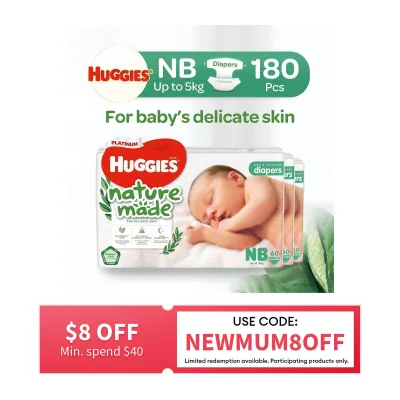
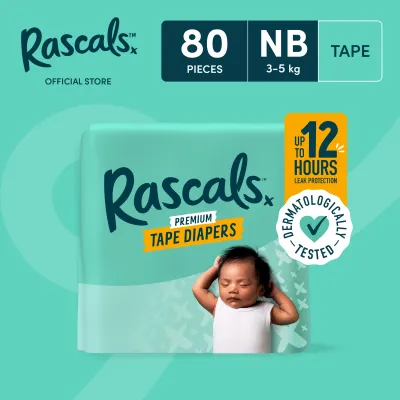
Products mentioned in this guide
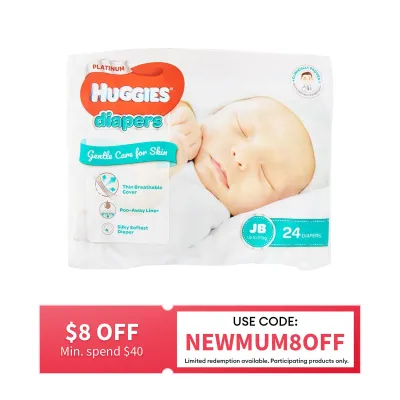
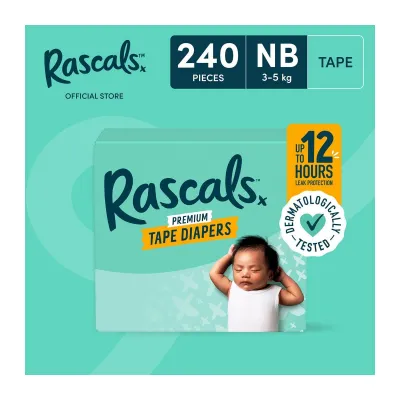
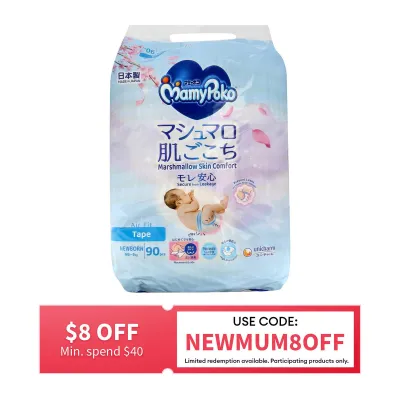
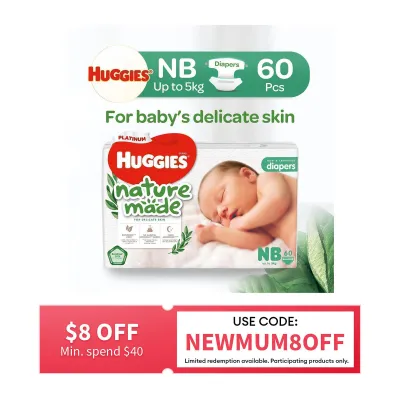
![Mamypoko Airfit Japan Tape & Pants [Carton Sales] - NB to XXL sizes](https://img.lazcdn.com/g/p/c0b1edea94375e8da7368b87443b1644.jpg_400x400q80.jpg_.webp)
Prices are valid at publication and may change. Please refer to the product page for the latest price.
Absorbency is another primary metric, which relies heavily on the materials used in the diaper’s core. Modern disposable diapers generally use a blend of fluff pulp and Superabsorbent Polymers (SAP). SAP consists of tiny spheres that can absorb many times their weight in liquid, locking moisture away from the baby’s skin and turning it into a gel. When comparing brands, parents should check the packaging for details on core construction, such as channel designs that distribute liquid evenly to prevent sagging. Additionally, a reliable wetness indicator—typically a line on the outside of the diaper that changes color when exposed to moisture—is an invaluable feature for caregivers to monitor when a change is needed without disturbing the baby.
Leak prevention is achieved through a combination of physical barriers and material design. High-quality newborn diapers feature dual elastic leg cuffs, consisting of an inner barrier that hugs the baby’s thighs and an outer ruffle that provides a secondary line of defense. These cuffs must be stretchy enough to form a secure seal without leaving deep red marks on the skin. Furthermore, a breathable back sheet—the outermost layer of the diaper—is essential. This layer should feature microscopic pores that allow heat and water vapor to escape while keeping liquid contained, which is vital for maintaining skin health in humid tropical environments.
How to Evaluate Fit and Prevent Leaks in Practice
Even the most advanced diaper will leak if it is not fitted correctly on the baby’s body. To ensure a proper fit, caregivers can use the simple “two-finger rule” during every diaper change. After fastening the adhesive tabs, there should be enough space to slide two fingers comfortably between the diaper’s waistband and the baby’s stomach. If the space is tighter than this, the diaper may restrict breathing or digestion; if it is looser, liquid can easily escape from the back or front when the baby lies down. The tabs should also be fastened symmetrically on the front landing zone to keep the diaper centered.

After securing the waist, caregivers must check the leg cuffs. It is common for the outer ruffles of the leg cuffs to fold inward during a diaper change, which bypasses the leak barrier and leads to immediate side leaks. To prevent this, run a finger along the inside of the leg bands to flare the ruffles outward, ensuring they sit snugly in the crease of the baby’s groin. Observing where leaks occur can help diagnose fit issues. For example, front leaks often indicate that the diaper is too loose at the waist or, for baby boys, that the penis was pointing upward rather than downward inside the diaper. Back leaks, often referred to as blowouts, typically happen when the diaper’s waistband sits too low or lacks a rear pocket to catch liquid stools.
Caregivers must also monitor the baby’s skin for physical reactions to the diaper’s fit and materials. Red marks, deep indentations, or chafing around the thighs and waist are clear indicators that the diaper is either fastened too tightly or that the baby has outgrown the current size. If redness or a bumpy rash develops across the diaper area, it may be a reaction to trapped moisture, friction, or specific materials. In such cases, parents should ensure the skin is completely dry before putting on a new diaper and consider switching to a more breathable or fragrance-free option. If skin irritation persists, worsens, or shows signs of infection such as blisters or pus, stop using the product and consult a qualified pediatrician or healthcare professional immediately.
Comparing Diaper Materials and Sizing Specifications
Navigating diaper sizes can be confusing because there is no industry-wide standardization for “Newborn” (NB) sizing. One brand’s newborn size may be designed for babies weighing up to 3 kilograms, while another brand’s version may accommodate babies up to 5 kilograms. Consequently, caregivers must always check the specific weight ranges printed on the manufacturer’s packaging rather than relying solely on the size label. Sizing weight ranges also overlap significantly; for instance, a newborn size might cover 3 to 5 kilograms, while Size 1 covers 4 to 8 kilograms.
When a baby’s weight falls within an overlap zone, physical proportions should dictate the choice. Babies with rounder thighs or longer torsos often require a larger size sooner than babies with slender builds, even if their weight is well below the maximum limit of the smaller size. If you notice frequent leaks, difficulty fastening the tabs near the center of the landing zone, or the diaper sitting far below the belly button, it is generally time to transition to the next size up. When comparing the long-term value of different brands in Singapore, calculating the cost per piece in S$ can help you budget effectively, but fit and skin compatibility should always remain the primary considerations.
Material transparency is another critical factor to verify on product packaging. Because newborn skin is exceptionally thin and sensitive, many parents prefer diapers that minimize potential irritants. When comparing brands, look for clear labels indicating that the product is fragrance-free, elemental chlorine-free (ECF), or totally chlorine-free (TCF). Some brands also highlight dermatological testing or certifications from independent organizations. Because these certifications and ingredient formulations can change over time, caregivers should inspect the physical packaging of each batch to verify these claims rather than relying on historical reviews.
Decision Framework: Selecting the Right Brand for Your Baby
To simplify the selection process, caregivers can use a conditional decision framework based on their baby’s specific physical needs and daily routines. This approach ensures that you select a diaper with features tailored to your situation rather than relying on a one-size-fits-all recommendation.
First, assess the status of your baby’s umbilical cord. If the cord stump is still attached and highly sensitive, prioritize diaper brands that feature a deep, pre-cut umbilical cutout. This design minimizes physical contact and allows air to circulate around the area, promoting faster drying. If your preferred brand does not have this feature, ensure the front waistband is thin and pliable enough to fold down easily without creating a bulky, uncomfortable ridge against the baby’s abdomen.
Second, consider your baby’s wetting patterns and sleep habits. If your newborn is a heavy wetter or is starting to sleep for longer stretches between feeds, look for diapers that emphasize a high-capacity absorbent core with advanced SAP technology and dual-layered elastic leg guards. These features help lock away larger volumes of liquid quickly, reducing the risk of wetness-induced waking and side leaks.
Third, evaluate your baby’s skin sensitivity. If your baby has highly reactive skin or a family history of eczema, look for diapers with explicit fragrance-free and chlorine-free labels on the packaging. Verify that the inner liner is made of ultra-soft, hypoallergenic materials designed to minimize friction.
Finally, avoid buying newborn diapers in bulk before your baby arrives. Because newborn growth is rapid and individual fit is highly unpredictable, committing to large cartons can lead to wasted products. Instead, purchase small trial packs of two or three different brands. This allows you to test the physical fit, observe how the materials interact with your baby’s skin, and verify leak protection in real-world conditions before investing in larger quantities.
Frequently Asked Questions (FAQ)
When should I transition my baby from newborn to size 1 diapers?
The transition from newborn to size 1 diapers should be guided by physical fit and performance rather than weight limits alone. While weight ranges on packaging provide a helpful starting point, babies of the same weight can have vastly different body shapes. Clear signs that it is time to size up include frequent leaks, blowout occurrences, and the diaper sitting too low on the waist (well below the belly button). You should also look for physical indicators such as red elastic marks around your baby’s thighs or waist, and check if the fastening tabs must be secured at the very outer edges of the landing zone to close the diaper. If any of these signs are present, transitioning to a larger size will provide better coverage, higher absorbency, and a more secure seal.
Is it safe to use diapers without an umbilical cord cutout?
Yes, it is safe to use diapers without a built-in umbilical cord cutout, provided you take steps to protect the healing stump from friction and moisture. If your chosen diaper has a standard straight waistband, simply fold the front edge of the diaper outward and downward before fastening the tabs. This adjustment ensures the waistband sits securely below the navel, leaving the umbilical stump exposed to the air so it can dry naturally. It is crucial to keep the area clean and dry to prevent irritation. Caregivers should regularly monitor the umbilical stump for signs of redness, swelling, foul-smelling discharge, or active bleeding. If you observe any of these symptoms, or if the baby cries when the area is touched, consult a qualified pediatrician or healthcare professional immediately.
Community discussion
Share your experience or ask a question. Comments are reviewed before publication.