
When preparing for a day at the pool or beach, choosing the right swim diaper is essential for a stress-free experience. Both Huggies and Pampers offer popular disposable swim diapers designed specifically for water use. The most critical detail to understand upfront is that neither of these products is designed to absorb liquid waste like regular diapers do. Instead, their primary purpose is to contain solid bowel movements while allowing water to pass through, preventing pool contamination.
Your choice between Huggies and Pampers swim diapers ultimately depends on your baby’s unique body shape, local pool regulations, and how often you plan to swim. Huggies swim diapers are often noted for their specific waistband elasticity and side-fastening designs, while Pampers Little Swimmers are frequently recognized for their leg cuff construction and tear-away sides. To make the best choice, parents should compare the printed size charts on the packaging against their baby’s current weight and physical thigh measurements, ensuring a snug, gap-free fit before entering the water.
Design and Fit Features to Verify
Waistband Elasticity
Look closely at the packaging of both brands to evaluate their waistband claims. A high-quality swim diaper requires a waistband that stretches comfortably to accommodate movement while maintaining a secure seal against the lower back and stomach. When unboxing the diapers, physically test the stretch and recovery of the waistband. It should spring back into shape quickly without feeling overly stiff or restrictive. A waistband that loses its elasticity when wet can sag, increasing the risk of gaps where waste could escape.
Products mentioned in this guide
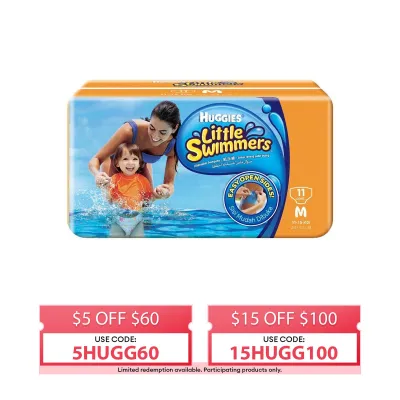
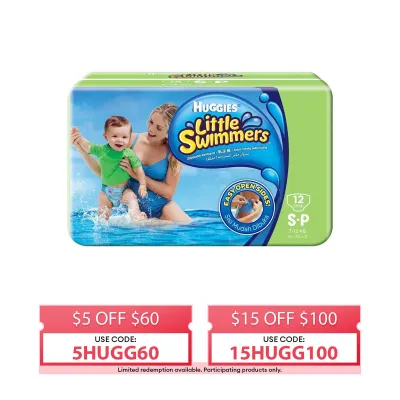
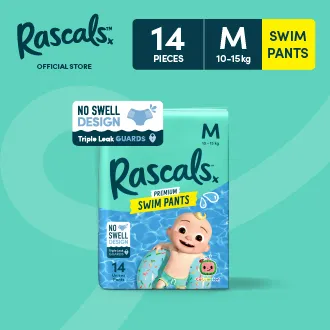
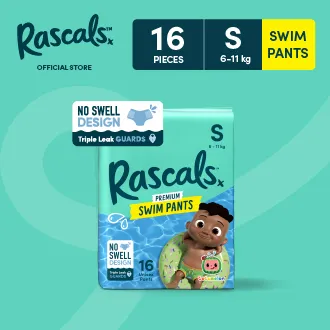
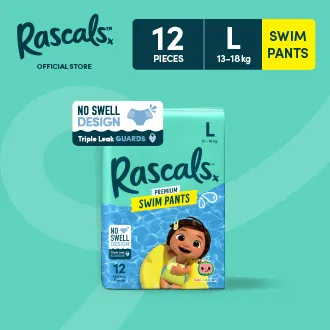
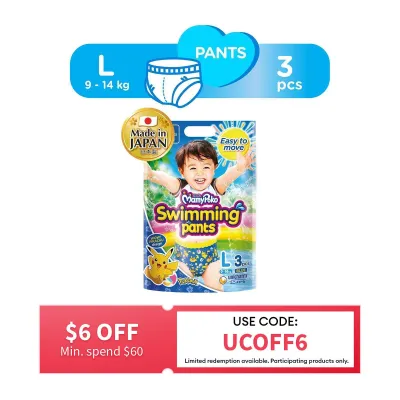
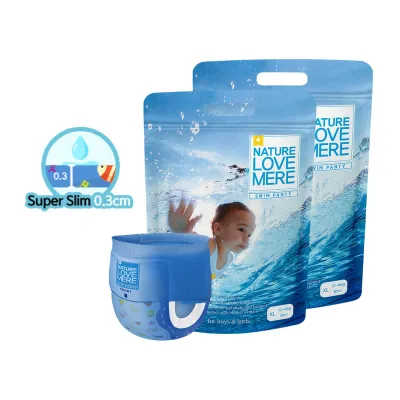
Prices are valid at publication and may change. Please refer to the product page for the latest price.
Leg Cuff Construction
The leg openings are the most common failure points for swim diapers. When comparing Huggies and Pampers, inspect the leg cuff design. Look for double-barrier leak guards, which feature an inner and outer elastic band to hug the baby’s thighs. Some designs use a single elastic band, which may be sufficient for babies with rounder thighs but could leave gaps on leaner infants. Run your finger along the inside of the leg cuffs to check for softness and flexibility, ensuring the material will not chafe your baby’s delicate skin during active kicking and splashing.
Fastening and Removal Mechanisms
Poolside diaper changes can be challenging, especially when dealing with a wet, squirming baby. Examine the sides of the swim diapers to understand how they open and close. Some models feature refastenable tabs, similar to standard diapers, which allow you to adjust the fit or check for soil without destroying the diaper. Other models utilize tear-away sides, which are designed to be ripped open quickly at the seams for rapid removal. Consider your changing environment—such as a cramped public changing room or a sandy beach towel—to decide which mechanism fits your routine better.
Size Chart Alignment
Do not rely solely on your baby’s standard diaper size when purchasing swim diapers. Swim diapers must fit more snugly than regular diapers to function correctly. Before buying, check the specific weight ranges printed on the packaging of both Huggies and Pampers. Because babies of the same weight can have vastly different thigh and waist circumferences, physically measure your baby’s thighs and compare them to the diaper’s leg openings. If your baby is at the lower end of a weight range but has slender legs, sizing down may be necessary to prevent leaks.
Containment and Leak Prevention Standards
Core Function
It is a common misconception that swim diapers function like standard disposable diapers. Standard diapers are packed with superabsorbent polymers that swell up and become heavy when exposed to water. Swim diapers are constructed without these swelling materials. Because they do not absorb urine, they will not weigh your baby down in the water. However, this also means they will not keep your baby dry on the car ride to the pool; you should only put the swim diaper on right before your baby enters the water.

Material and Lining
To ensure effective containment, inspect the inner lining of the diaper. Look for labels indicating a mesh or pocket-style lining. These specialized textures are designed to trap solid waste securely against the baby’s body while allowing water to filter through freely. A flat, smooth lining may allow solids to slide around, increasing the likelihood of a leak through the leg openings. Check the product packaging for any material certifications or hypoallergenic claims if your baby has sensitive skin, and consult a medical professional if you notice persistent skin irritation.
Fit Verification
Before your baby takes their first splash, perform a thorough physical fit check. Use the two-finger rule: you should be able to slide two fingers comfortably under the waistband and the leg cuffs. If you can fit more than two fingers, the diaper is too loose and will likely leak. If you cannot fit two fingers, or if the elastic leaves deep red marks on your baby’s skin, the diaper is too tight and could cause discomfort or restrict circulation. Observe your baby as they crawl or walk to ensure the diaper stays in place during movement.
Facility Rules
Always verify the specific rules of the swimming facility, water park, or beach club you plan to visit. Many public pools and swim schools enforce strict hygiene policies to prevent recreational water illnesses. Some facilities mandate a double-diapering policy, which requires babies to wear a reusable swim diaper cover over a disposable swim diaper. Checking these guidelines in advance ensures you have the correct gear and avoids any disappointment at the gate.
Value, Packaging, and Purchasing Considerations
Cost per Diaper
To determine the true value of Huggies versus Pampers swim diapers, look beyond the retail price of the package. Calculate the unit price by dividing the total cost of the pack by the number of diapers inside (for example, dividing the total package price in S$ by the diaper count). Because swim diapers are specialized products, their unit cost is typically higher than that of daily disposable diapers. Comparing the cost per unit across different local supermarkets, pharmacies, and online marketplaces will help you find the most economical option.
Pack Size Options
Consider your family’s swimming frequency when choosing a pack size. If you are planning a single weekend beach trip, look for small trial packs containing fewer diapers to avoid leftover stock that your baby will outgrow. Conversely, if your baby is enrolled in weekly swim lessons, purchasing bulk boxes is generally more cost-effective and ensures you always have a spare diaper on hand. Keep in mind that packaging sizes and diaper counts per pack can vary significantly between Huggies and Pampers.
Expiration and Storage
While disposable diapers do not have a strict expiration date, the elastic materials and adhesives used in swim diapers can degrade over time. This is particularly true in warm, humid climates. Store any unused swim diapers in a cool, dry place away from direct sunlight and moisture. Avoid leaving them in hot car trunks or damp pool bags for extended periods, as extreme heat can weaken the elastic leg cuffs and waistbands, compromising their ability to contain waste during future swim sessions.
Decision Framework: Making Your Final Choice
- Choose Huggies swim diapers if: Your physical verification of the Huggies size chart indicates a better match for your baby's current weight and waist measurements; you prefer a waistband design that offers specific stretch characteristics and recovery during active water play; or the available pack sizes and unit pricing at your preferred local retailer or online marketplace align with your budget and swimming frequency.
- Choose Pampers Little Swimmers if: Your baby's thigh measurements align closely with the Pampers leg cuff construction, providing a snug, gap-free seal; you prioritize quick and easy poolside changes using their specific side-tear or fastening features; or the packaging options and availability in your local area make them the more convenient choice for your schedule.
- Verify first if: Your baby is currently between sizes, in which case you should purchase a small pack of both brands to physically test the fit at home; your baby has highly sensitive skin, requiring you to carefully read the ingredient and material labels on the packaging; or the swimming facility you are visiting requires a secondary reusable swim cover, which may affect the thickness and fit of the disposable diaper you choose.
Frequently Asked Questions (FAQ)
Do I need to put a regular diaper under a swim diaper?
No, you should never put a regular diaper under a swim diaper. Regular disposable diapers are designed to absorb as much liquid as possible. If worn in a pool, they will instantly absorb the pool water, swelling to a massive size and becoming extremely heavy. This not only sags the diaper and pulls it down, but it also poses a serious safety hazard by weighing your baby down in the water. Always place the disposable swim diaper directly against your baby’s skin. If the public pool or swim school has strict hygiene standards, you may need to layer a snug-fitting, reusable swim diaper cover over the disposable swim diaper, but never a regular diaper.
How often should I change a disposable swim diaper?
You must change a disposable swim diaper immediately if your baby has a solid bowel movement. Because swim diapers do not absorb liquids, leaving a soiled diaper on in the water increases the risk of waste leaking out and contaminating the pool. Even if there is no solid waste, you should change the diaper after your swimming session is finished. If your baby is playing poolside or on the beach for an extended period, check the diaper regularly. If the physical fit becomes loose or saggy when wet, replace it with a fresh one. When disposing of the diaper, roll it up tightly and place it in a trash bin. Never flush swim diapers down the toilet, as they are not biodegradable and will clog plumbing systems.

Community discussion
Share your experience or ask a question. Comments are reviewed before publication.