
Choosing between Huggies Silver Pants and Huggies Gold Pants for everyday use comes down to balancing your baby’s skin sensitivity, your daily changing routine, and your household budget. While Huggies Gold Pants offer premium features designed for enhanced comfort and longer wear, Huggies Silver Pants serve as a highly practical, cost-effective option for frequent daytime changes. There is no single “better” diaper for every household; instead, the ideal choice depends on whether your baby requires the advanced moisture-wicking properties of a premium line or if your routine allows for regular, timely changes using a standard, budget-friendly alternative. In Singapore’s warm and humid climate, managing moisture and heat buildup is a primary concern for parents, making it essential to evaluate how each product line aligns with your baby’s comfort and your daily diapering strategy.
Core Differences in Design and Materials
To understand what sets these two lines apart, start by examining the physical construction and material specifications printed on the product packaging. When comparing Huggies Silver Pants and Huggies Gold Pants, the first point of differentiation lies in the top sheet—the layer that comes into direct contact with your baby’s skin. Parents should check the packaging for specific material claims, such as textured liners or embossed patterns. Premium lines like Huggies Gold often highlight specialized, soft-textured top sheets designed to minimize friction and quickly draw wetness away from the surface, whereas standard lines like Huggies Silver typically utilize a simpler, flatter top sheet that focuses on reliable, straightforward absorption.
The waistband and fastening systems also differ structurally. When handling the diapers, observe the thickness and elasticity of the waistband. A premium diaper often features a wider, more pillowy waistband with multi-strand elastic to distribute pressure evenly around the baby’s waist. In contrast, standard utility pants may feature a slightly narrower waistband that, while secure, offers a more basic level of stretch. Additionally, examine the overall profile of the diaper; premium designs frequently aim for a slimmer, less bulky silhouette under clothing, even when fully loaded, whereas standard pants might feel slightly thicker or stiffer to the touch due to different fiber densities in their construction.
Products mentioned in this guide
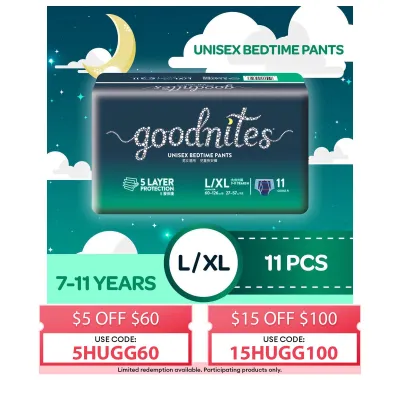
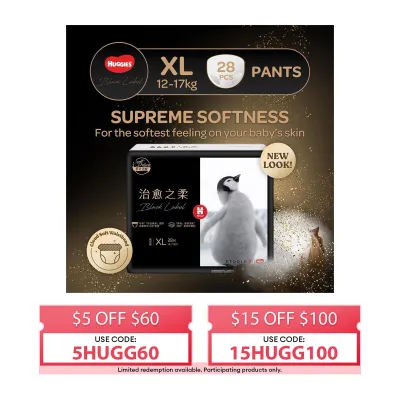
Prices are valid at publication and may change. Please refer to the product page for the latest price.
Finally, look closely at the outer cover of each diaper. The outer layer’s breathability is a crucial factor, especially in tropical climates where trapped heat can lead to discomfort. Check the packaging for terms like “breathable outer cover” or “micro-pores.” While both lines generally incorporate breathable materials to allow air circulation, premium lines often boast advanced ventilation technologies or higher pore densities to facilitate faster heat dissipation. Feeling the outer cover can also reveal differences: the premium line typically feels more cloth-like and fabric-soft, while the standard line may have a slightly more synthetic, paper-like texture.
Absorbency and Leak Protection for Daily Use
Absorbency is the core function of any disposable diaper, and understanding how each line manages liquid is key to preventing leaks during active daytime play. When evaluating these two options, look at the packaging for details regarding the absorbent core technology. Manufacturers often use proprietary names for their channel designs or superabsorbent polymer (SAP) distributions. Premium diapers generally feature advanced core structures designed to distribute liquid evenly across the entire length of the diaper, preventing sagging and clumping. Standard diapers, on the other hand, may rely on a more traditional core design that absorbs liquid locally, which can sometimes lead to a heavy, concentrated wet zone.

Another critical feature to inspect is the wetness indicator. While many modern diapers include this convenient color-changing strip, it is always wise to verify its presence on the specific packaging size you are purchasing. Beyond the core, leak guard barriers around the thighs play a vital role in containing messes, particularly for active babies who are crawling, cruising, or walking. Examine the double-layered leg cuffs on both lines; premium options often feature taller, softer, and more elasticized barriers that hug the thighs gently without digging in, providing extra security against side leaks during sudden movements.
Ultimately, real-world performance depends heavily on your baby’s individual hydration levels and urination patterns. Rather than relying solely on packaging claims of “up to twelve hours” of dryness, parents should monitor their baby’s physical saturation limits. During the first few days of using either line, perform regular touch-tests during changes to see if the inner lining feels damp. If you notice that the standard Huggies Silver Pants reach capacity quickly or feel wet to the touch after a couple of hours, it indicates a need for more frequent changes or a transition to the higher absorbency of the Gold line for longer stretches of wear.
Comfort, Fit, and Skin Sensitivity
A baby’s skin is incredibly delicate, making comfort and fit primary considerations for daily wear. When choosing between these two diaper lines, start by reviewing the packaging for dermatological certifications, hypoallergenic claims, or fragrance-free declarations. Premium diapers are frequently formulated with extra care for sensitive skin, often excluding potential irritants and incorporating soothing elements or pH-balanced top sheets. If your baby is prone to diaper rash or has eczema, these packaging details and certifications are crucial indicators of which line is safer for their skin barrier.
The physical fit of the diaper is just as important as its chemical composition. A poorly fitting diaper can cause friction, leading to painful red marks and chafing. Compare the stretchiness and softness of the leg cuffs and waistbands of both Huggies Silver and Gold Pants. The premium line is typically engineered with highly flexible, ultra-soft elastics that expand and contract smoothly with your baby’s tummy movements after meals. Standard pants may have slightly tighter or less forgiving elastics, which can sometimes leave temporary red impressions on chubby thighs or waistlines if the fit is not perfectly dialed in.
To ensure long-term comfort, establish a routine of observing your baby’s skin during changes. Look for signs of moisture buildup, which can soften the skin and make it highly vulnerable to irritation. If you notice persistent redness around the waistband or leg openings, or if the diaper area feels unusually warm and damp upon removal, it may be a sign that the current diaper’s breathability or fit is not matching your baby’s needs. In such cases, upgrading to a premium diaper with superior airflow and softer materials can help maintain a dry, healthy skin environment. If skin irritation or diaper rash persists despite changing diaper brands or adjusting fit, consult a qualified pediatrician or dermatologist for professional guidance.
Price and Value Assessment for Everyday Changes
Managing a household budget requires a clear understanding of the ongoing costs associated with daily diapering. Because babies require multiple changes a day, comparing the retail price of a pack is not enough; you must calculate the exact cost per piece. To do this, use the following simple formula:
Cost per piece = Total Pack Price (S$) / Number of Diapers in the Pack
Because pack sizes and diaper counts vary significantly between Huggies Silver and Gold Pants—and across different size brackets (M, L, XL)—this calculation provides the only accurate basis for financial comparison.
While Huggies Gold Pants carry a higher price point per piece due to their premium materials, smart shopping strategies can help narrow this price gap. Parents can leverage bulk buying, multi-pack bundle deals, and subscription models offered on major e-commerce platforms and online marketplaces. Purchasing diapers in carton quantities during promotional events often reduces the cost per piece of the premium line, sometimes bringing it closer to the regular retail price of the standard line.
When balancing your diaper budget, consider your baby’s age and daily routine. Newborns and younger infants require very frequent changes regardless of the diaper’s absorbency, making the cost-effective Huggies Silver Pants highly practical for daytime use. As babies grow older and their urination patterns stabilize, they may wear diapers for longer stretches, where the superior absorbency and comfort of Huggies Gold Pants can reduce the total number of changes needed per day. Weighing the daily cost against the frequency of changes will help you determine which line offers the best overall value for your household.
How to Choose the Right Huggies Pants for Your Baby
To finalize your decision, use a conditional framework that aligns with your baby’s physical needs and your financial preferences.
You should choose Huggies Silver Pants if:
- Managing your monthly diapering budget is your primary household priority.
- Your baby has resilient, non-sensitive skin that does not easily react to moisture.
- Your daily routine allows you to change your baby's diaper frequently, ensuring they do not sit in a wet diaper for extended periods.
You should choose Huggies Gold Pants if:
- Your baby has highly sensitive skin, is prone to diaper rash, or requires extra protection against friction.
- You need a diaper that can handle extended wear, such as during long outings or when frequent changes are impractical.
- Your household budget comfortably accommodates a premium daily expense in exchange for enhanced softness and potentially fewer daily changes.
Before committing to a bulk purchase of either line, always verify the fit. Check if your baby’s current weight falls near the upper limit of a size bracket, as you may need to adjust the size upward to prevent leaks and ensure comfort. Purchasing a single small pack of both Huggies Silver and Gold Pants to conduct a physical fit and skin compatibility check is a highly recommended step before investing in carton quantities.
Frequently Asked Questions (FAQ)
Can I use Huggies Silver Pants for overnight sleep?
Huggies Silver Pants are primarily designed for daytime use, where changes are more frequent. During overnight sleep, a baby’s urine output accumulates over several hours, requiring a diaper with maximum absorbency and superior moisture-wicking capabilities. While some babies with lower nighttime output may sleep comfortably in Huggies Silver Pants without issues, parents should check the diaper’s physical saturation in the morning. If you frequently encounter morning leaks, damp pajamas, or skin redness, it is highly advisable to transition to a dedicated overnight diaper or use the premium Huggies Gold Pants for nighttime sleep to ensure uninterrupted rest and dry skin.
Do Huggies Gold and Silver Pants use the same sizing chart?
While both Huggies Gold and Silver Pants generally follow standard weight recommendations printed on their packaging, they do not always fit identically. Premium lines like Huggies Gold often feature a slightly different cut, more generous padding distribution, and highly elasticized waistbands that can alter how the diaper sits on your baby’s body. A baby who fits perfectly in a size Large Huggies Silver Pant might find the Huggies Gold Pant in the same size slightly looser or more snug depending on their body shape, such as having chubby thighs or a rounder tummy. Always check the weight ranges on the specific pack and perform a physical fit check—ensuring you can easily slide two fingers under the waistband—when switching between these two lines.

Community discussion
Share your experience or ask a question. Comments are reviewed before publication.