
Selecting the right diaper for your baby is one of the most frequent decisions you will make as a parent in Singapore. With a wide array of options lining supermarket shelves and online marketplaces, finding a brand that balances performance, comfort, and cost can feel overwhelming. Huggies Penguin has emerged as a popular choice among local caregivers, primarily known for its lightweight construction and slim profile. However, determining how it truly compares to other leading diaper brands requires a systematic evaluation of real-world performance rather than relying solely on marketing claims.
Every baby has a unique body shape, activity level, and skin sensitivity, meaning a diaper that works perfectly for one infant might lead to frequent leaks or rashes for another. To make an informed choice, parents must look past brand names and focus on objective, observable criteria. By comparing Huggies Penguin against other popular brands across key performance pillars—such as absorbency, fit, breathability, and overall value—you can identify the diapering solution that best supports your baby’s daily comfort and your household budget.
Understanding Huggies Penguin's Core Design and Features
To establish a clear baseline for comparison, it is essential to understand the design philosophy and physical specifications of Huggies Penguin. This diaper line is specifically engineered to offer a lightweight, low-bulk alternative to traditional, thicker disposable diapers. When evaluating this product, the first step is to consult the manufacturer’s official packaging to identify the target weight ranges and sizing guidelines. Because sizing standards can vary significantly between diaper brands, relying on weight brackets rather than age is crucial for ensuring a proper fit.
Products mentioned in this guide
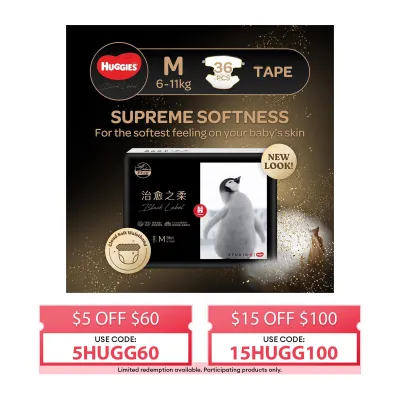
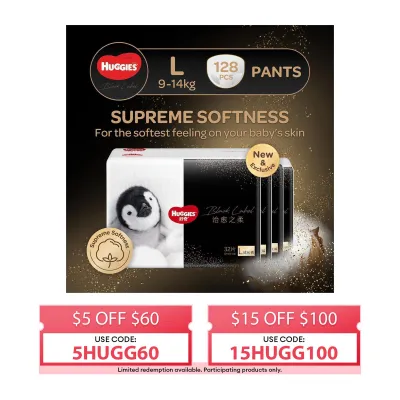
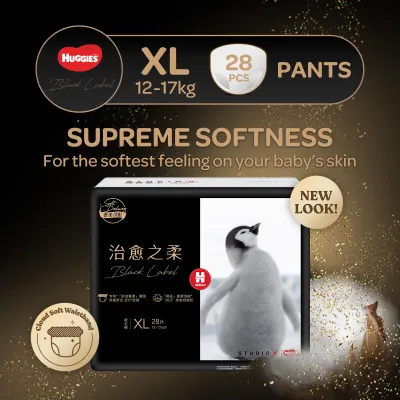
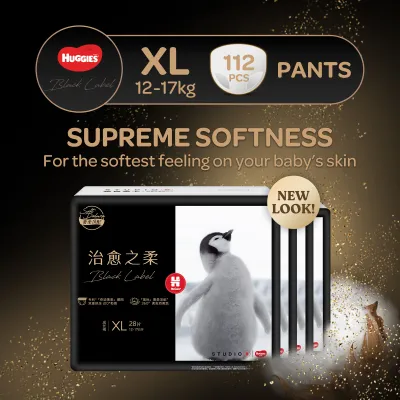
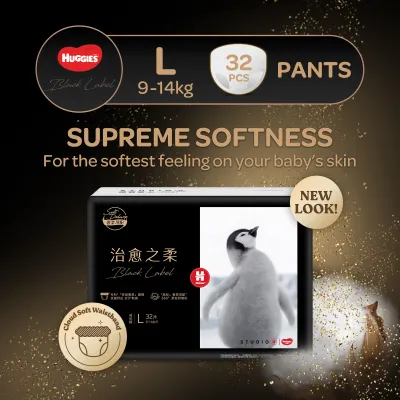
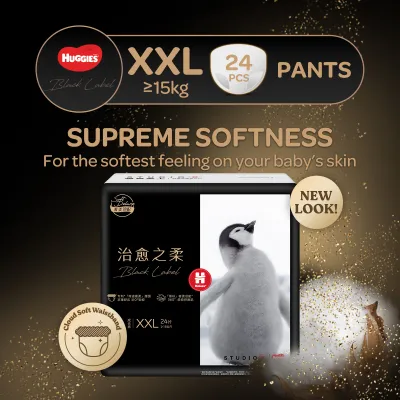
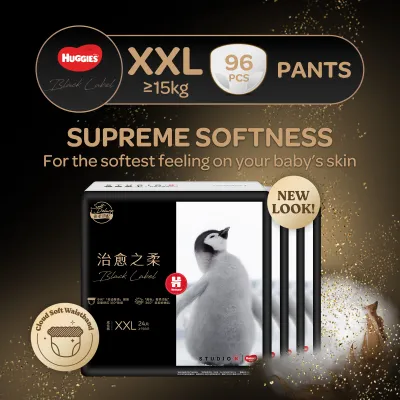
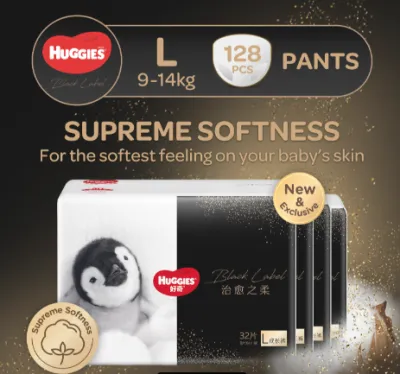
Prices are valid at publication and may change. Please refer to the product page for the latest price.
The material composition of Huggies Penguin focuses heavily on minimizing thickness without sacrificing structural integrity. The diaper features a thin absorbent core designed to distribute liquid evenly, preventing the heavy, sagging clump that often occurs with older diaper designs. Its topsheet—the layer that comes into direct contact with your baby’s skin—is designed with a soft, textured surface intended to channel moisture away quickly. Additionally, the outer cover incorporates micro-pores to facilitate airflow, which is a critical feature for babies living in warm, tropical climates.
In terms of functional design elements, Huggies Penguin includes standard convenience features that parents rely on for daily baby care. A prominent wetness indicator strip runs along the outer center of the diaper, changing color to signal when a change is needed. The diaper also features a wide, elastic waistband and double-layered leg cuffs designed to provide a secure barrier against leaks. Understanding these baseline features allows you to compare how other popular brands structure their diaper designs, whether they opt for thicker, high-capacity cores or different elastic configurations.
Evaluating Absorbency and Leak Protection
Absorbency is the primary function of any disposable diaper, but how a diaper manages moisture can vary depending on the time of day and your baby’s activity level. When comparing Huggies Penguin to other brands, it is helpful to divide your evaluation into daytime use and overnight performance. During the day, babies are active, crawling, and playing, which requires a diaper that can absorb frequent, smaller volumes of liquid quickly while remaining flexible. For daytime wear, a thinner diaper like Huggies Penguin often provides excellent mobility, provided it is changed at regular intervals.

Overnight wetting presents a completely different challenge. During long hours of sleep, a diaper must hold a much larger volume of liquid without leaking or causing discomfort. To test if Huggies Penguin or a competing brand is suitable for overnight use, perform regular checks immediately after your baby wakes up. Inspect the double leg cuffs and the back waistband for any signs of dampness or escape. If you notice consistent leaks during the night, it may indicate that your baby’s output exceeds the maximum capacity of a slim-profile diaper, suggesting that a dedicated high-capacity overnight diaper from another brand might be necessary.
Another critical aspect of absorbency is skin dryness, which is distinct from how dry the outside of the diaper feels. To assess this, perform a simple touch test during your next diaper change. Immediately after removing a wet diaper, gently press your clean fingers against your baby’s skin in the diaper area. If the skin feels damp, cool, or clammy, the diaper’s core is not successfully locking moisture away from the surface. A high-performing diaper should leave the baby’s skin feeling dry to the touch, minimizing the prolonged moisture exposure that can lead to skin irritation.
Assessing Fit, Comfort, and Skin Sensitivity
A diaper can have excellent absorbency, but if the fit is incorrect, leaks and skin irritation are inevitable. Because babies come in all shapes and sizes—some with rounder tummies, others with chubbier thighs—a diaper’s cut is just as important as its size. To evaluate the fit of Huggies Penguin against other brands, use the reliable two-finger check. Once the diaper is fastened, you should be able to easily slide two fingers under the waistband and around each leg cuff. If the fit is too tight, you will notice deep red marks or indentations on your baby’s skin, indicating that you need to size up or try a brand with a wider cut.
Skin sensitivity is a major concern for parents, particularly in Singapore’s hot and humid weather. Friction from a poorly fitting diaper combined with trapped moisture can quickly lead to diaper rash or chafing. Monitor your baby’s skin closely during transitions between brands. Look for early signs of irritation, such as mild redness in the leg creases or along the waistband. If your baby develops persistent redness, raised bumps, or broken skin, stop using the diaper immediately. In such cases, revert to a known safe brand and consult a pediatrician or qualified healthcare professional for guidance on managing the rash.
Breathability plays a vital role in maintaining skin health in tropical climates. You can evaluate a diaper’s breathability through simple observation. During warm days, feel the outside of your baby’s diaper after they have worn it for an hour or two. A highly breathable diaper will often feel slightly warm or damp on the exterior. This is actually a positive sign, indicating that the outer cover is successfully allowing warm air and moisture vapor to escape from the inside, keeping the microclimate next to your baby’s skin cooler and drier. If the outside feels completely dry and stiff while the inside is hot and sweaty, the diaper may lack adequate ventilation.
Comparing Value and Purchasing Considerations
When managing household expenses, calculating the true cost of diapering requires looking beyond the price tag on a single pack. Because different brands and sizes pack varying numbers of diapers into a bag, comparing the total pack price can be highly misleading. To establish an accurate comparison, calculate the cost per diaper. Divide the retail price in Singapore dollars (S$) by the exact number of diapers in the pack. For example, if a pack costs S$24.00 and contains 48 diapers, the cost per diaper is S$0.50. Performing this quick calculation allows you to compare Huggies Penguin directly with other brands on a level playing field.
Before committing to a bulk purchase of any diaper brand, it is highly recommended to utilize trial packs or samples. Many manufacturers and authorized distributors offer small travel packs or individual sample packs. Testing a small quantity first allows you to evaluate the fit, absorbency, and skin compatibility on your baby without the financial risk of buying a large box that may go unused. This step is particularly important when transitioning between sizes, as a baby’s body proportions change rapidly during their first year.
To ensure the safety and quality of the diapers you buy, always verify your purchasing channels. Prioritize official brand stores, authorized physical supermarkets, and reputable online marketplaces. Purchasing from unauthorized parallel importers or unverified third-party sellers carries the risk of receiving counterfeit products, older stock that has degraded in storage, or items that do not meet local safety standards. Ensuring your diapers come from trusted sources guarantees that the materials and manufacturing processes align with the brand’s official quality controls.
Decision Framework: When to Choose Huggies Penguin
To help streamline your decision-making process, you can use a simple conditional framework to determine if Huggies Penguin is the right choice for your household. This diaper line is often an excellent fit if your baby has a body shape that aligns well with its specific cut, and your primary requirement is a lightweight, highly flexible diaper for daytime wear. Its thin design supports active movement and provides comfortable wear during the warmest hours of the day, making it a strong candidate for regular daytime rotations where changes occur every three to four hours.
Conversely, you should consider exploring alternative diaper brands if your baby frequently experiences overnight leaks with this specific model, or if you notice signs of skin sensitivity to its materials. If your baby has unique body proportions—such as exceptionally chunky thighs or a very high waist—the cut of Huggies Penguin might not provide the optimal seal, necessitating a brand with different elastic properties or a more generous cut. Always remember that no single diaper brand is universally perfect; the best diaper is the one that matches your baby’s current developmental stage, body shape, and skin needs.
Frequently Asked Questions (FAQ)
How to safely transition your baby to a new diaper brand?
Transitioning your baby to a new diaper brand should always be done gradually to minimize the risk of sudden skin irritation or unexpected leaks. Start by purchasing a small trial pack of the new brand rather than committing to a bulk box. Introduce the new diaper during the day when you can easily monitor your baby’s comfort and check for leaks at regular intervals.
During the first few days of the transition, alternate between the old diaper brand and the new one. This gradual introduction allows your baby’s skin to adjust to the new materials and textures. Pay close attention to the waistband and leg areas, checking for any signs of friction, redness, or chafing. If you observe any persistent skin irritation or a sudden increase in leaks, stop the transition immediately and revert to your previous brand. If the skin irritation does not resolve within a few days of switching back, consult a qualified medical professional for advice.

Community discussion
Share your experience or ask a question. Comments are reviewed before publication.