
Finding the right diaper pants for a larger toddler can be a challenging task for parents in Singapore, where the hot and humid climate demands both high breathability and a secure fit. As toddlers grow more active, standard diaper sizes no longer provide the coverage or comfort needed for daily play and overnight sleep. Huggies Pants XXXL is a widely recognized option in this category, but determining how it compares to other major brands requires a careful look at physical design, material features, and overall cost efficiency. Rather than relying on generic marketing claims, parents must evaluate these products based on observable fit, packaging specifications, and unit pricing.
This comparative guide establishes a practical framework to help you assess Huggies Pants XXXL alongside competing brands. By focusing on verifiable details—such as weight ranges, waistband elasticity, absorbency structures, and cost-per-piece calculations—you can make an informed decision that keeps your toddler dry, comfortable, and free from skin irritation.
Understanding the XXXL Size Range and Fit for Larger Toddlers
When transitioning your toddler to the largest available diaper size, it is essential to recognize that “XXXL” is not a standardized industry measurement. Different manufacturers design their diaper pants to accommodate different body shapes and weight limits, meaning one brand’s XXXL might fit a toddler significantly differently than another’s. Parents should always begin by checking the specific weight ranges printed on the packaging. While Huggies Pants XXXL is tailored for a particular weight bracket, competing brands may have overlapping or slightly different limits, such as starting at a lower minimum weight or extending to a higher maximum capacity. Relying solely on the letter size can lead to purchasing diapers that are either too tight or excessively loose.
Products mentioned in this guide
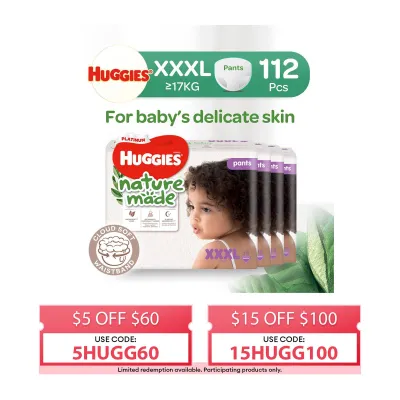
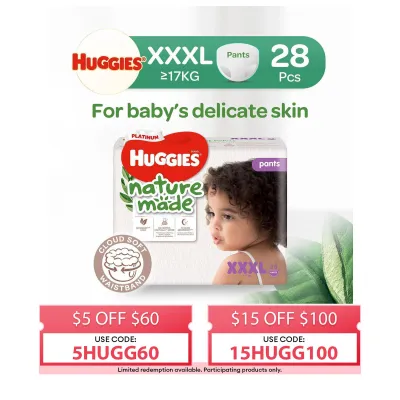
![[mkids] Huggies Platinum Naturemade Pants (M/L/XL/XXL/XXXL) [LOCAL SG DELIVERY]](https://img.lazcdn.com/g/p/209cdf5071cbbe8bb2888107c260df5a.jpg_400x400q80.jpg_.webp)
Prices are valid at publication and may change. Please refer to the product page for the latest price.
Evaluating the physical fit of the diaper pants during active wear is the most reliable way to ensure your toddler’s comfort. In Singapore’s tropical climate, a diaper that fits too tightly can trap heat and sweat, leading to chafing and painful heat rashes around the waist and thighs. After your toddler has worn the diaper pants for a few hours, carefully observe the waistband and leg cuffs. Look for deep red marks or indentations on their skin, which indicate that the elastic is digging in and that you may need a brand with a wider, more flexible waistband. Conversely, check for loose gaps around the legs when your toddler runs, climbs, or sits, as these gaps are primary pathways for leaks.
Signs of a poor physical fit often manifest as frequent side leaks or a diaper that sags heavily even when it is only minimally wet. If you notice that the diaper pants slide down your toddler’s hips during play, the waistband may lack the necessary tension or the cut may be too long for their torso. Different brands cater to different toddler builds; some are cut narrower for taller, slimmer children, while others feature a wider design to accommodate rounder tummies and chunkier thighs. Observing how the diaper behaves under the weight of active movement will help you determine whether Huggies or a competing brand offers the optimal shape for your child’s unique proportions.
Comparing Absorbency and Leak Protection Features
Absorbency is a critical factor when comparing diaper pants, especially for overnight use or long outings where frequent changes are not always possible. When evaluating Huggies Pants XXXL against other brands, look closely at the packaging for verifiable absorbency claims and structural descriptions. Manufacturers often detail their specific core technologies, such as the number of absorbent layers, the presence of specialized distribution channels, or the use of advanced superabsorbent polymers. Rather than assuming one brand is inherently more absorbent, compare these technical specifications to understand how each diaper manages moisture and keeps it away from your toddler’s skin.

The presence and placement of a wetness indicator is another practical feature to verify on the packaging. A clear, color-changing line on the exterior of the diaper pants allows caregivers to assess wetness at a glance without having to pull at the waistband or disturb a sleeping child. While most modern diaper pants include this feature, the visibility and sensitivity of the indicator can vary between brands. Checking for a reliable wetness indicator is particularly helpful for babysitters or alternative caregivers, ensuring timely changes that prevent prolonged exposure to wetness.
In a warm and humid environment, breathability is just as important as absorbency for maintaining healthy skin. You can evaluate breathability claims by physically feeling the outer cover of the diaper pants. High-quality diaper pants typically feature a soft, cloth-like outer material with micro-perforations that allow heat and moisture vapor to escape while keeping liquid contained. If the outer backing feels stiff, crinkly, or plastic-like, it is more likely to trap humidity inside the diaper, increasing the risk of diaper rash. Monitoring your toddler’s skin for dampness or redness immediately after removing a wet diaper will give you a clear indication of how well the brand’s ventilation features perform in real-world conditions.
Evaluating Value: Price Per Diaper and Pack Sizes
Because XXXL diaper pants are the largest size available, they generally contain the fewest pieces per pack, making them the most expensive size on a per-unit basis. To determine the true value of Huggies Pants XXXL compared to other brands, you must calculate the cost per diaper rather than comparing the shelf price of the packs. Divide the total price of the pack in S$ by the exact number of diapers inside. This simple calculation often reveals that a pack that appears cheaper upfront actually costs more per piece because it contains significantly fewer diapers than a slightly more expensive competitor.
When trying a new brand or size, it is wise to weigh the trade-offs between buying bulk boxes and purchasing smaller trial packs. E-commerce platforms and online marketplaces frequently offer attractive carton deals that lower the unit price of XXXL diaper pants. However, purchasing a large bulk order before verifying the fit and skin compatibility of a new brand carries financial risk. If the diaper pants cause skin irritation or do not fit your toddler’s body shape, you may be left with an unusable carton. Starting with a single, smaller pack allows you to test the diaper’s performance under daily conditions before committing to a larger, more cost-effective bulk purchase.
To maximize your savings, monitor online retailers and e-commerce platforms for promotional events, bundle deals, and subscription discounts. In Singapore’s competitive online retail market, prices for premium diaper brands fluctuate regularly. Many parents find that setting up a recurring subscription on their preferred online marketplace provides a consistent discount that makes premium brands more affordable. Additionally, keeping an eye out for seasonal sales or brand-specific promotions can help you stock up on your preferred XXXL diaper pants at a lower cost per piece, shifting the value advantage in favor of the brand that best meets your budget and performance needs.
Decision Framework: Which Brand Fits Your Toddler's Needs?
Choosing the right diaper pants ultimately depends on matching the specific features of each brand to your toddler’s physical build and daily routine. You should choose Huggies Pants XXXL if your toddler’s weight falls comfortably within the brand’s specified range and you find that its particular waistband stretch and core thickness provide a secure, comfortable fit. If the diaper stays in place during active play, shows no signs of sagging, and keeps your toddler dry overnight without causing skin marks, it is a highly suitable option for your family’s needs.
On the other hand, you should consider trying a competing brand if your toddler experiences persistent leg gaps, red marks around the waist, or frequent side leaks while wearing Huggies. These issues are clear indicators that the specific cut of the diaper does not align with your toddler’s body shape. A toddler with a rounder tummy might benefit from a brand that features a more generous waistband stretch, while a toddler with slimmer legs might require a brand with tighter, double-layered leg cuffs to prevent liquid from escaping.
Regardless of which brand you choose, always prioritize your toddler’s skin health by verifying the materials and ingredients listed on the packaging. Because different manufacturers use different lotions, fragrances, and synthetic fibers, a diaper that works perfectly for one child might trigger sensitivity in another. When introducing any new brand of XXXL diaper pants, start with a small pack and monitor your toddler’s skin closely for any signs of redness, bumps, or irritation. If you observe persistent skin issues or suspect an allergic reaction, stop using the diaper pants immediately and consult a pediatrician or qualified healthcare professional for guidance.
Frequently Asked Questions (FAQ)
When should I transition my toddler out of XXXL diapers?
Transitioning your toddler out of XXXL diaper pants should be guided by their physical and developmental readiness rather than simply reaching the upper weight limit of the diaper. Look for key developmental signs, such as your toddler staying dry for longer periods during the day, expressing a clear interest in using the toilet, or verbally communicating when they need to go. These behaviors indicate that their bladder control and awareness are developing, making them prime candidates for potty training rather than moving to a larger diaper size.
Another clear signal to transition is the state of the diaper when your toddler wakes up in the morning. If you notice that the diaper pants are consistently dry after a full night’s sleep, it suggests that your toddler is physically capable of holding their bladder overnight. At this stage, you can begin introducing lighter nighttime training pants or regular cotton underwear, which are designed to be easily pulled up and down, fostering independence during the potty training process.
Finally, you should stop using diaper pants and consult a pediatrician if your toddler expresses ongoing discomfort or if the largest available XXXL size no longer fits securely without leaving deep, painful marks on their skin. When a toddler outgrows the physical dimensions of XXXL diapers, continuing to use them can cause skin chafing, restricted movement, and hygiene issues. A healthcare professional can provide personalized advice on managing the transition to potty training or recommend specialized training pants designed for older children.

Community discussion
Share your experience or ask a question. Comments are reviewed before publication.