
Choosing the right diaper pants for an active baby is a major milestone for parents in Singapore. As infants grow into toddlers, diaper changes often turn into wrestling matches, making the quick pull-up design of diaper pants highly appealing. Among the most popular options on the market are Huggies Pants and Pampers Pants. Both brands are widely available in local supermarkets, baby specialty stores, and online marketplaces, but they feature distinct differences in design, cut, absorbency, and material feel.
Rather than searching for a single “best” diaper, parents should focus on finding the brand that matches their baby’s unique body shape, skin sensitivity, and daily activity levels. A diaper that works perfectly for a slim, highly active crawler might cause leaks or red marks on a baby with chunkier thighs. By understanding the structural differences between Huggies and Pampers, you can make an informed decision that keeps your baby dry, comfortable, and free from diaper rash.
Comparing Fit, Cut, and Sizing
The physical cut of a diaper pant is the most critical factor in preventing leaks and ensuring your baby can move freely. Huggies Pants and Pampers Pants approach fit and elasticity with slightly different design philosophies. Huggies diaper pants are widely recognized for their sturdy, snug waistband construction. The waistband often features a wider, more structured elastic band that sits firmly around the baby’s lower back and abdomen. This design is highly effective at preventing the diaper from sagging when it becomes wet, making it an excellent option for babies with rounder bellies or chunkier thighs who need a secure anchor.
Products mentioned in this guide
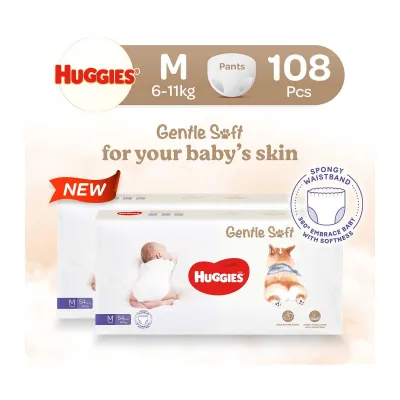
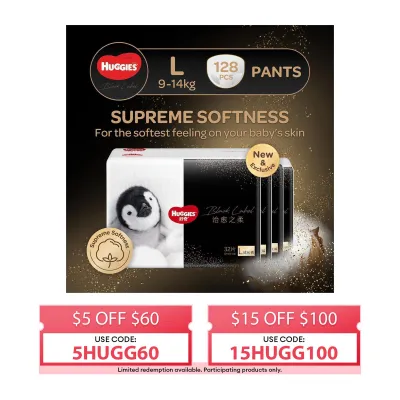
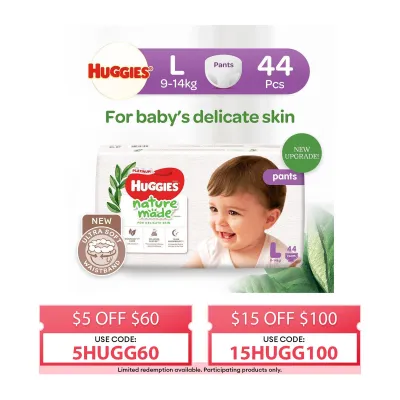
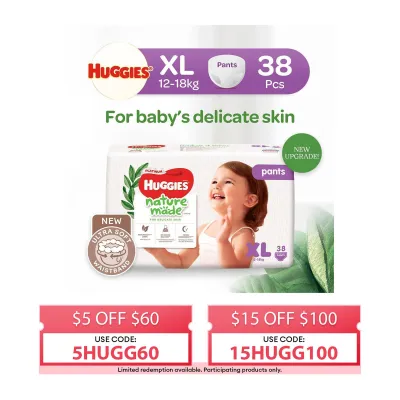
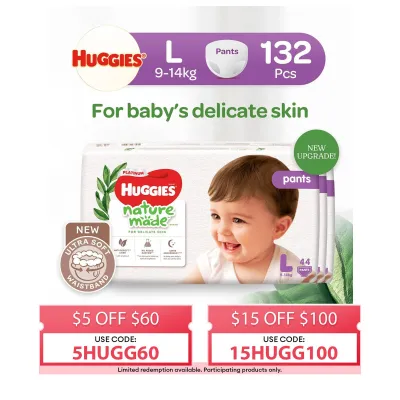
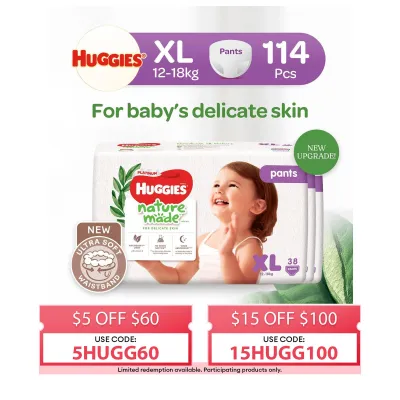
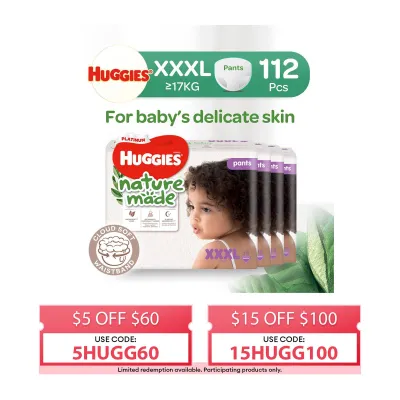
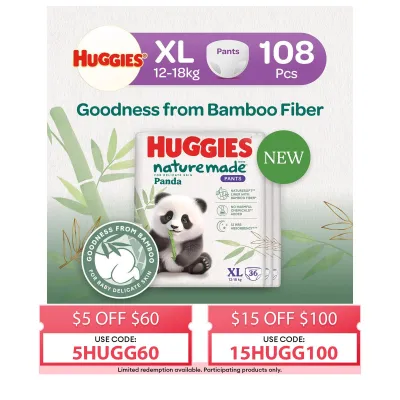
Prices are valid at publication and may change. Please refer to the product page for the latest price.
In contrast, Pampers Pants typically feature a highly flexible, 360-degree stretchy waistband that mimics the feel of real underwear. This design offers a softer, more compliant stretch that conforms easily to a variety of body shapes. The cut of Pampers pants is generally perceived as slightly narrower and longer compared to the wider, more square cut of Huggies. If your baby has a long, slim build, the narrower cut of Pampers may provide a more contoured fit around the hips and groin, reducing the risk of gaps.
To ensure a proper fit, parents must always check the weight range printed on the diaper packaging rather than relying solely on age recommendations. Sizing can vary significantly between different product lines within the same brand, such as premium ranges versus standard dry ranges. Because babies grow at different rates, a baby who falls in the middle of a size range on paper might actually require a size up or down depending on their specific proportions.
Parents should actively monitor their baby’s skin for observable signs of a poor fit. If you notice deep red marks or indentations around your baby’s thighs or waist after removing the diaper, the elastic is too tight, indicating it is time to transition to the next size up. Conversely, if the diaper pants frequently slip down when your baby crawls or walks, or if you notice visible gaps around the leg cuffs, the diaper is too large or the cut is too wide for your baby’s current frame.
Evaluating Absorbency and Leak Protection
Keeping your baby dry is the primary job of any diaper, especially during long overnight stretches or active daytime play. Both Huggies and Pampers utilize advanced absorbent technologies to draw moisture away from the skin quickly, but they distribute and lock away wetness differently. Pampers Pants often highlight their proprietary channel designs, which are engineered to distribute liquid evenly across the absorbent core rather than letting it pool in one spot. This technology helps keep the diaper thin and flexible even when wet, reducing bulkiness between the baby’s legs.

Huggies Pants focus heavily on rapid absorption zones, often featuring a specialized liner designed to pull liquid into a highly absorbent core almost instantly. Many Huggies designs also include a wetness indicator strip on the outside of the diaper that changes color when wet, allowing parents to perform a quick visual check without needing to pull the waistband open. While both brands offer excellent daytime protection, their performance overnight can vary depending on your baby’s sleeping habits.
Instead of relying on unverified manufacturer claims regarding maximum fluid capacity, parents should use observable checks to evaluate absorbency. After several hours of wear, feel the outside of the diaper; it should remain dry to the touch. If the outer cover feels damp or cold, or if the inner lining feels wet when you press a dry tissue against it, the diaper’s moisture-wicking capability may not be sufficient for your baby’s urine volume. Additionally, check if the absorbent material clumps together or sags excessively, as this can pull the diaper away from the body and create leak paths.
External factors play a massive role in real-world leak protection. For instance, if your baby is a tummy sleeper, they will require more absorbent material concentrated at the front of the diaper. Back sleepers, on the other hand, need reliable protection along the rear waistband. Active toddlers who twist, climb, and jump require highly resilient double leg cuffs that stay flush against the skin during extreme movement. If you experience frequent leaks, observe your baby’s sleeping position and movement patterns to determine if a different cut or a more targeted absorption zone is needed.
Material Comfort and Skin Sensitivity Checks
A baby’s skin is incredibly delicate and thin, making it highly susceptible to irritation, friction, and diaper rash. The materials used in the inner lining of diaper pants can make a significant difference in daily comfort. Pampers Pants are known for their soft, cloth-like texture and often incorporate a mild, skin-conditioning lotion or a touch of aloe vera on the inner sheet to help protect the skin barrier from moisture. While many parents appreciate this added layer of protection, others prefer to avoid added fragrances or lotions.
Huggies Pants often emphasize hypoallergenic, unscented materials in their premium lines, focusing on a highly breathable outer cover that allows air to circulate freely. The inner sheets of Huggies diapers frequently feature textured patterns designed to minimize direct contact between the baby’s skin and wetness. When choosing between these two brands, parents should carefully inspect the ingredient list and product specifications on the packaging to identify any potential allergens, especially if their baby has a history of eczema or sensitive skin.
Because every baby’s skin chemistry is unique, a diaper that is perfectly soothing for one infant might cause a localized reaction in another. Parents should perform regular skin checks during diaper changes, looking for early signs of irritation such as mild redness or dry patches. To minimize the risk of diaper rash, ensure the diaper area is completely clean and dry before putting on a new pair of diaper pants, and consider applying a thin layer of barrier cream if your baby is prone to irritation.
If your baby develops a persistent, bright red rash, small bumps, or raw patches that do not improve with regular diaper changes and barrier creams, stop using the current diaper brand immediately. This could indicate an allergic reaction to a specific material, lotion, or adhesive used in the diaper’s construction. In such cases, switch to a plain, unscented alternative and consult a pediatrician or qualified healthcare professional for proper diagnosis and treatment.
Calculating Price and Value per Diaper
Diapering is a continuous expense that can add up significantly over your baby’s first few years. To manage your household budget effectively, it is essential to look past the retail price of a single pack and calculate the true cost per diaper. To find this value, use a simple formula: divide the total price of the pack in S$ by the exact number of diapers inside. For example, if a pack costs S$22.00 and contains 44 diapers, the cost per piece is S$0.50.
When comparing Huggies and Pampers, you will find that standard pack sizes and diaper counts vary depending on the specific product line (such as premium versus economy tiers) and the diaper size. As your baby grows and moves into larger sizes (from M to L, XL, and XXL), the number of diapers per pack decreases while the pack price often remains the same, which steadily increases the cost per piece.
To secure the best value, consider purchasing bulk boxes or jumbo packs rather than individual standard packs. These larger quantities are typically available through official brand stores on major e-commerce platforms or during baby fairs in Singapore. Buying in bulk often reduces the cost per diaper significantly. However, because diaper prices fluctuate frequently due to promotional events, seasonal sales, and bundle discounts, always verify the current listings and calculate the cost per piece before finalizing your checkout.
Final Verdict: How to Choose the Right Diaper
Choosing between Huggies Pants and Pampers Pants ultimately comes down to matching the diaper’s specific design features with your baby’s physical build and your daily routine. Neither brand is universally superior, but each excels in different scenarios.
Choose Huggies Pants if your baby has a rounder build, chunkier thighs, or a prominent belly. The wider cut and structured, secure waistband of Huggies provide excellent support that prevents sagging, making it ideal for active babies who need a sturdy diaper that stays firmly in place during heavy movement.
Choose Pampers Pants if your baby has a longer, slimmer torso or a narrower frame. The highly flexible, 360-degree stretchy waistband and contoured cut of Pampers offer a snug, underwear-like fit that minimizes gaps around the legs, while the thin, channel-based absorbent core keeps bulk to a minimum.
Verify first if your baby has highly sensitive skin or a history of allergies. Before committing to a large bulk purchase or a jumbo box, it is highly recommended to buy a single standard pack or obtain small trial packs. This allows you to test the fit, observe how the materials interact with your baby’s skin, and ensure there are no adverse reactions before integrating the brand into your long-term diapering routine.
Frequently Asked Questions (FAQ)
When should I switch from taped diapers to diaper pants?
You should consider switching to diaper pants when your baby reaches major mobility milestones, such as rolling over during diaper changes, crawling, pulling themselves up to stand, or walking. Active babies often resist lying flat on their backs, making traditional taped diapers difficult and frustrating to secure properly. Diaper pants can be pulled on quickly while your baby is standing or moving, significantly simplifying the changing process. They also offer a more secure, wrap-around fit that accommodates the constant twisting and bending of an active toddler.
Can I use Huggies and Pampers pants interchangeably?
Yes, you can generally use Huggies and Pampers pants interchangeably, and many parents choose to do so based on availability, sales, or specific times of the day. For example, you might find that one brand’s cut works better for active daytime play, while the other brand provides better overnight leak protection for your baby’s sleeping position. If you decide to mix brands, simply monitor your baby’s skin for any signs of friction or sensitivity, and ensure that both brands are sized correctly to prevent leaks.

Community discussion
Share your experience or ask a question. Comments are reviewed before publication.