
When comparing Huggies Overnites with other overnight diapers available in Singapore, there is no single universal winner for leak protection, as performance depends heavily on your baby’s unique body shape, sleep position, and urination volume. Instead of relying on unverified marketing claims, parents can determine the best option by evaluating absorbent core structures, leg cuff elasticity, and proper sizing. This guide provides a practical framework to compare Huggies Overnites against competing brands, helping you make a condition-based decision for dry, comfortable nights.
Key Factors That Determine Overnight Leak Protection
Overnight diapers rely on a high concentration of superabsorbent polymers (SAP) mixed with wood pulp to lock away moisture over twelve hours. The distribution of these polymers and the presence of channels within the core determine how quickly liquid is drawn away from the skin and spread evenly across the diaper, preventing pooling in a single spot.
Channels help guide fluid along the length of the diaper rather than letting it accumulate in the center. This is particularly important for babies who sleep on their stomachs or backs, as gravity pulls the liquid to specific zones. Without effective distribution channels, a diaper can sag and leak even if parts of the core remain completely dry.
Products mentioned in this guide




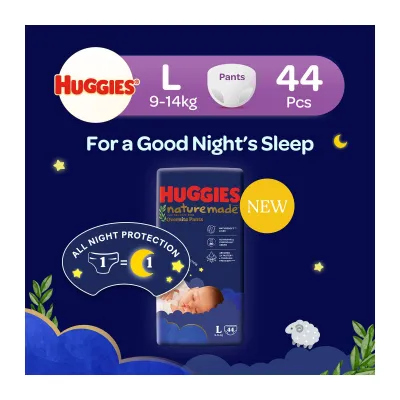


Prices are valid at publication and may change. Please refer to the product page for the latest price.
Physical barriers are just as critical as the absorbent core. Double-layered leg cuffs with high elasticity act as a seal against sudden, high-volume urination. A flexible, snug waistband prevents leaks from escaping through the back when a baby is lying flat, especially during active sleep cycles.
Increasing the absorbency of a diaper often requires a thicker core, which can restrict airflow. A diaper that lacks breathability can trap heat and moisture against the baby’s skin, increasing the risk of diaper rash. Parents must balance the need for maximum fluid capacity with a breathable outer cover that allows vapor to escape while keeping liquid contained.
Evaluating Huggies Overnites for Nighttime Use
When considering Huggies Overnites, parents should start by checking the product packaging for specific details regarding their overnight construction. Look for indications of specialized absorbency zones, which are designed to handle prolonged wetness compared to standard daytime options. These specifications vary by size and manufacturing batch, so verifying the details on the physical pack is essential.

Diaper sizing is based on weight ranges, but these ranges often overlap. For overnight use, a baby who is near the upper limit of a size bracket, or who is a heavy wetter, may benefit from sizing up. A larger diaper provides a larger absorbent core and higher containment walls, which can prevent overflow leaks during long stretches of sleep.
Active sleepers who roll, crawl, or change positions frequently during the night require a secure fit that moves with them. When putting on a Huggies Overnite diaper, observe how the fastening tabs sit on the waistband. The tabs should fasten symmetrically and securely without pulling the skin, ensuring the diaper remains centered even during vigorous movement.
Before putting your baby to bed, run your finger along the inner leg cuffs of the diaper to ensure they are fully extended and pointing outward. If the cuffs are tucked inward, they cannot perform their barrier function, which often leads to immediate leaks along the thighs when the baby urinates.
Comparing Huggies Overnites With Alternative Overnight Diapers
To make an informed choice between Huggies Overnites and alternative overnight diapers in Singapore, parents should establish a systematic comparison method. This involves looking beyond brand names and focusing on physical attributes, material composition, and cost efficiency. By comparing these factors directly, you can identify which diaper matches your baby’s specific nighttime patterns.
Examine the packaging of alternative brands to identify their specific overnight technologies. Some brands emphasize plant-based materials, while others focus on ultra-thin cores or specialized moisture-wicking liners. Note whether the alternative diaper specifies a twelve-hour dryness guarantee or if it uses a different configuration of absorbent channels compared to Huggies.
Cost is a practical consideration for daily use. To compare prices accurately across different pack sizes and retail channels, calculate the price-per-diaper by dividing the total pack price by the number of diapers inside. For example, comparing a pack that costs S$0.50 per diaper against one that costs S$0.70 per diaper helps you evaluate whether the leak protection justifies the cost difference over a month.
A physical inspection of the diapers can reveal differences that are not apparent on the packaging. Compare the bulkiness and flexibility of Huggies Overnites with alternative options. A stiffer, bulkier diaper might offer high absorbency but could restrict movement or cause discomfort, whereas a highly flexible diaper might offer better contouring around your baby’s legs and waist.
Examine the waistband construction of each diaper. Some brands feature a fully elasticized waistband that stretches all the way around, while others rely on elastic tabs or a gathered back panel. The right design depends on your baby’s torso shape; a rounder belly might benefit from highly stretchable side panels, while a leaner baby might get a better seal from a structured, snug back waistband.
How to Choose the Right Overnight Diaper for Your Baby
Selecting the right overnight diaper is a process of matching a diaper’s physical characteristics to your baby’s unique anatomy and sleep habits. There is no single diaper that fits every baby perfectly, so parents should observe how each option performs over a trial period of several nights.
Huggies Overnites may be the right choice if their specific core shape and fastening system align well with your baby’s sleep position. For instance, if your baby sleeps primarily on their back or stomach and you find that the front and rear absorbency zones of Huggies prevent leaks effectively without causing sagging, this design is likely a good match for their wetting patterns.
You might want to consider alternative overnight diapers if you notice red marks, chafing, or gaps around your baby’s thighs or waist when using Huggies. Different brands use distinct cuts and elastic materials; a baby with chunkier thighs might require a brand with softer, wider leg cuffs, while a baby with a highly active sleep style might need a different waistband elasticity to prevent shifting.
Before committing to a specific brand, verify how your baby’s skin reacts to the materials. If your baby has sensitive skin or a history of diaper rash, look for diapers that are free from fragrances, elemental chlorine, and latex. If persistent redness or irritation occurs despite frequent changes and proper fit, or if your baby exhibits unusually high nighttime urination volumes, consult a pediatrician for professional guidance.
Practical Tips to Maximize Diaper Leak Protection
Even the most absorbent overnight diaper can leak if it is not applied correctly. Developing a consistent bedtime diapering routine can significantly reduce the likelihood of middle-of-the-night leaks, regardless of the brand you choose.
After fastening the diaper, perform a quick physical check to ensure a proper fit. You should be able to slide two fingers comfortably between the diaper waistband and your baby’s stomach. This ensures the diaper is snug enough to prevent leaks but loose enough to allow comfortable breathing and movement. Repeat this check around the leg openings to verify that the elastic is sitting flat against the skin.
For baby boys, a common cause of front and waistband leaks is improper positioning. Ensure that his penis is pointed downward before fastening the diaper tabs. If it points upward or to the side, liquid will be directed toward the edges of the diaper, bypassing the main absorbent core and causing immediate leaks.
Pay close attention to the physical signs that indicate your baby has outgrown their current diaper size. If you notice frequent leaks, red marks on the thighs or waist, or if the diaper looks visibly small or sits too low on the hips, it is time to transition to the next weight tier. Sizing up is often the simplest and most effective solution to persistent overnight leaks.
Frequently Asked Questions (FAQ)
Are overnight diapers safe for babies with sensitive skin?
Overnight diapers are generally designed to be safe for extended wear, but babies with sensitive skin require careful monitoring. Because these diapers are worn for up to twelve hours, any moisture or friction can exacerbate skin irritation. Parents should check the ingredient list on the packaging to ensure the diaper is free from added fragrances, lotions, and dyes, which are common triggers for contact dermatitis.
To maintain skin health, apply a barrier cream before putting on the overnight diaper to protect the skin from prolonged contact with moisture. If you notice persistent redness, bumps, or a worsening rash, stop using the diaper immediately and consult a pediatrician to rule out yeast infections or other dermatological conditions.
Can I use regular daytime diapers with booster pads at night?
While some parents consider using daytime diapers combined with diaper booster pads to increase absorbency, this approach requires caution. It is important to check the manufacturer’s guidelines for both the diaper and the booster pad to ensure they are compatible and safe for overnight use. Adding an insert can alter the physical fit of the diaper, potentially creating gaps around the legs and waist.
An improperly fitted diaper with an added pad can lead to compression leaks, where liquid is squeezed out of the diaper when the baby rolls over or sits up. If you choose to use booster pads, ensure they do not compromise the seal of the leg cuffs or cause discomfort. If leaks persist, transitioning to a dedicated overnight diaper is usually a more reliable and secure option.

Community discussion
Share your experience or ask a question. Comments are reviewed before publication.