
When navigating the diaper aisle in Singapore, parents often wonder if premium overnight options like Huggies OverNites truly outperform standard or competing overnight diapers. The right choice depends heavily on your baby’s unique sleep position, wetting volume, and skin sensitivity. Rather than a single universal option, the most suitable overnight diaper is the one that maintains a secure fit and adequate absorbency for your child’s specific 10-to-12-hour sleep window. This guide breaks down the design features of Huggies OverNites, compares them against alternative overnight options, and provides a practical framework to help you choose the most reliable leak protection for your baby.
Key Criteria for Evaluating Overnight Diapers
When evaluating any overnight diaper, the primary factor to consider is the core absorbency structure. Standard daytime diapers are designed for frequent changes, meaning their absorbent cores are thinner and optimized for quick liquid distribution. Overnight diapers, by contrast, feature denser concentrations of superabsorbent polymers (SAP) designed to lock away multiple rounds of wetting over several hours. Look for packaging indicators that specify extended wear, such as “up to 12 hours of protection” or “overnight absorbency,” which signal a higher SAP-to-pulp ratio.
Beyond raw absorbency, the physical fit and leak guard mechanisms are critical to preventing morning messes. A diaper can have a highly absorbent core, but if the leg cuffs or waistband do not seal properly against your baby’s skin, leaks will occur. Examine the elasticity of the leg gathers; they should feature double-layered barriers that sit snugly in the groin creases. The waistband should offer significant stretch to accommodate a baby’s expanding tummy after evening feeds while maintaining a secure seal at the back to prevent blowouts.
Products mentioned in this guide




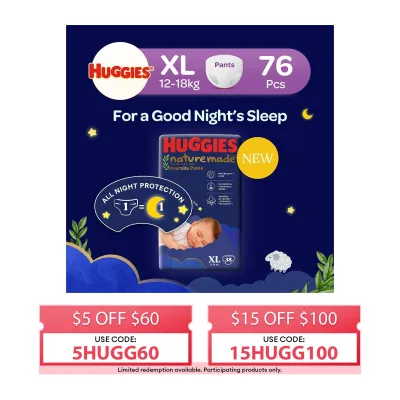
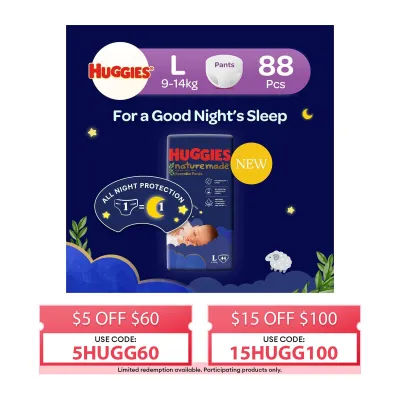
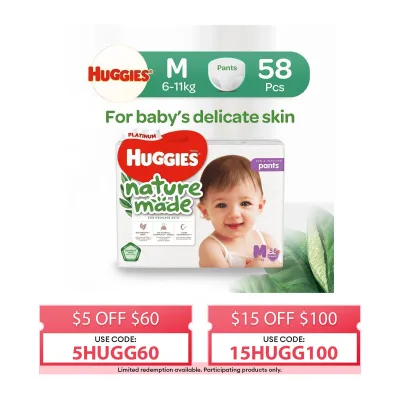
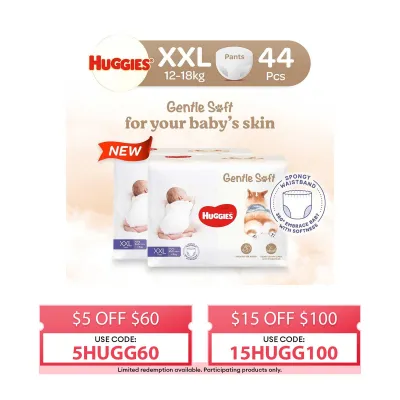
Prices are valid at publication and may change. Please refer to the product page for the latest price.
Skin health is another essential criterion, as prolonged exposure to moisture can lead to diaper rash and irritation. High-quality overnight diapers incorporate breathable outer covers that allow heat and vapor to escape while keeping liquid contained. When comparing options, check the product labels for hypoallergenic claims, fragrance-free formulations, and dermatological testing. Wetness indicators, which change color when the diaper is saturated, are also helpful for checking the diaper’s status without disturbing a sleeping baby.
Understanding Huggies OverNites Design and Fit
Huggies OverNites are specifically engineered to address the challenges of extended nighttime wear. The core technology relies on a heavy-duty absorbent layer designed to distribute moisture evenly throughout the diaper, preventing sagging and pooling. According to manufacturer specifications, these diapers are designed to provide up to 12 hours of leak protection. This makes them a popular choice for parents whose babies sleep through the night or experience heavy wetting during their longest sleep stretch.

The fit profile of Huggies OverNites is characterized by a contoured shape and a highly elastic waistband. The brand utilizes a secure fastening system with double grip strips that keep the diaper firmly in place, even when your baby rolls, crawls, or shifts positions in their sleep. This snug fit is particularly beneficial for active sleepers who tend to break the seals of less secure diapers. The sizing typically starts at Size 3, reflecting the developmental stage where babies begin sleeping for longer stretches and producing larger volumes of urine.
For babies with sensitive skin, verifying the material composition of Huggies OverNites is important. The inner liner is designed to be soft against the skin, drawing moisture away quickly to minimize wetness contact. The product packaging indicates that these diapers are fragrance-free, lotion-free, and elemental chlorine-free, which helps reduce the risk of allergic reactions. However, parents should always check the specific packaging of the pack they purchase, as formulations and material specifications can vary by region and manufacturing batch.
Comparing Huggies OverNites Against Alternative Overnight Diapers
To determine if Huggies OverNites are the right choice for your household, it is helpful to compare their structural design and material properties against other premium and standard overnight options available on local shelves and online marketplaces.
Absorbency and Leak Guard Mechanisms
Different diaper brands approach extended wear through distinct core padding distributions. While Huggies OverNites focus on a balanced, high-capacity core that runs from front to back, some alternative brands offer targeted padding zones. For example, certain Japanese-style pull-up pants or overnight diapers feature front-heavy absorption zones designed specifically for boys, or middle-heavy zones optimized for girls. Understanding your baby’s sleep position—such as whether they sleep on their stomach or their back—can help you decide if a uniform core or a targeted zone diaper is more appropriate.
The design of the leg cuffs and waistbands also varies significantly across brands. Huggies OverNites are known for their wide, stretchy waistband and robust double leg gathers. In comparison, some alternative premium brands utilize taller, softer leg barriers that exert less pressure on the skin but may be more prone to folding inward if not pulled out manually during diaper changes. Additionally, some standard overnight diapers lack the elastic back waistband found in Huggies, which can lead to gaps when a baby curls up or sleeps on their side.
Comfort, Breathability, and Skin Care
Material softness and breathability play a major role in keeping your baby comfortable throughout a 12-hour sleep cycle. Premium alternative diapers, particularly those utilizing organic cotton or plant-based fibers, often feel noticeably softer to the touch than standard synthetic options. When comparing these materials, look for independent certifications on the packaging, such as OEKO-TEX Standard 100 or FSC certification, which verify that the materials have been tested for harmful substances and sourced responsibly.
Breathability is achieved through microscopic pores in the outer cover of the diaper. While Huggies OverNites feature a breathable outer layer to help keep skin dry, some premium eco-friendly brands prioritize highly breathable, plant-derived films that claim to reduce skin temperature and humidity even further. Additionally, consider the noise level of the diaper; some budget-friendly overnight options use stiffer, plastic-like outer covers that crinkle loudly when the baby moves, which can potentially disturb light sleepers. Wetness indicators are standard on Huggies OverNites, but some alternative overnight brands omit them in larger sizes, requiring parents to rely on touch and weight to assess fullness.
Decision Framework: Which Overnight Diaper Should You Choose?
Selecting the right overnight diaper does not require trial and error if you match the diaper’s specific strengths to your baby’s physical needs and sleeping habits.
You should choose Huggies OverNites if your baby is a heavy wetter who frequently wakes up damp in standard diapers, or if they are an active sleeper who rolls and shifts positions throughout the night. The combination of a high-capacity core, double grip strips, and a stretchy waistband makes this option highly effective at maintaining a secure seal and absorbing large volumes of liquid without sagging or shifting.
Consider alternative premium overnight brands if your baby has highly sensitive skin that reacts to standard synthetic materials. Brands that feature organic cotton, bamboo-derived fibers, or explicit chlorine-free and fragrance-free certifications may provide a gentler option for babies prone to eczema or severe diaper rash. These alternative options often prioritize material purity and softness over maximum structural elasticity.
You may opt for standard daytime diapers paired with a separate booster pad if your baby is a moderate to light wetter, or if you are managing a strict household budget. This combination allows you to utilize your existing daytime diaper stock while adding targeted absorbency only when needed, avoiding the higher per-diaper cost of dedicated overnight products. However, this approach requires careful placement of the booster pad to prevent shifting during the night.
Before making any brand switch, always verify if your baby is approaching the upper weight limit of their current diaper size. Sizing up is one of the most effective ways to resolve overnight leaks, as a larger diaper naturally contains more absorbent material and offers a higher rise at the waist and thighs. If your baby is within two kilograms of the next size up, transitioning to the larger size for nighttime use can often resolve leaking issues without requiring a change in brand.
Practical Tips to Maximize Nighttime Leak Protection
Regardless of the diaper brand you choose, implementing a few simple adjustments to your bedtime routine can significantly reduce the risk of leaks and protect your baby’s skin.
First, perform a thorough fit check immediately after fastening the diaper. Use the two-finger rule: you should be able to slide two fingers comfortably between the diaper waistband and your baby’s tummy. Ensure the front of the diaper sits just below the belly button and the back is pulled up high enough to cover the lower back completely. This positioning ensures that the absorbent core is aligned correctly with the areas most likely to receive moisture.
Second, always check the leg cuffs before putting your baby to bed. Run your finger around the elastic gathers on both thighs to ensure they are fully flared outward and not tucked inside the diaper. Tucked leg cuffs are one of the most common causes of immediate leaks, as they create an easy pathway for liquid to escape before it can reach the absorbent core.
Finally, manage your baby’s fluid intake and skin protection strategically. If appropriate for your baby’s age and feeding schedule, try to offer the last major feed of the evening slightly earlier to allow for a diaper change right before sleep. Before fastening the final diaper of the night, apply a thick, even layer of a zinc oxide-based barrier cream. This cream acts as a physical shield, protecting your baby’s skin from prolonged contact with wetness and preventing ammonia irritation over the course of the night.
Frequently Asked Questions (FAQ)
Can I use regular daytime diapers with a booster pad instead of buying overnight diapers?
Yes, using a regular daytime diaper with an added diaper booster pad is a viable alternative, particularly for moderate wetters or when you want to use up your current daytime inventory. Booster pads are adhesive-backed pads that insert directly into the diaper to increase overall absorbency. However, this method carries a risk of the pad shifting if your baby is highly active during sleep. For heavy wetters, a dedicated overnight diaper like Huggies OverNites is generally more reliable because the extra absorbent material is integrated seamlessly into the core, preventing shifting and ensuring uniform liquid distribution.
How do I know if my baby needs to size up in their overnight diaper?
Your baby likely needs to size up if you notice frequent morning leaks despite proper diaper application, or if the diaper feels completely saturated and heavy to the touch by morning. Physical signs of a poor fit include red, indented marks left by the elastic bands on your baby’s thighs or waist, indicating the diaper is too tight. Additionally, if the diaper’s waistband sits significantly below the belly button or if the fastening tabs are stretching to the very edges of the landing zone, it is time to transition to the next size up to ensure adequate coverage and absorbency.

Community discussion
Share your experience or ask a question. Comments are reviewed before publication.