
Quick Answer: Is Huggies NatureMade XL the Right Choice?
Choosing the ideal premium pull-up diaper for your toddler in Singapore requires balancing skin health, absorbency, and freedom of movement. When evaluating huggies naturemade pants xl against other premium options, there is no single diaper that fits every child perfectly. Instead, the best choice depends on your toddler’s daily activity levels, skin sensitivity, and urination patterns.
For parents who prioritize plant-based materials and a gentle, low-friction top sheet, Huggies NatureMade Pants XL is a highly compelling option. It is engineered to minimize skin irritation, making it excellent for active daytime wear in hot, humid weather. However, if your primary concern is maximum 12-hour overnight absorbency for an exceptionally heavy wetter, or if you prefer an ultra-thin profile under lightweight clothing, you may need to weigh this diaper against other specialized premium lines.
Before committing to a bulk purchase, consider how your child’s physical build and daily routine align with these design priorities. A diaper that excels during a highly active afternoon at an outdoor playground may perform differently during a long, uninterrupted night of sleep.
Products mentioned in this guide
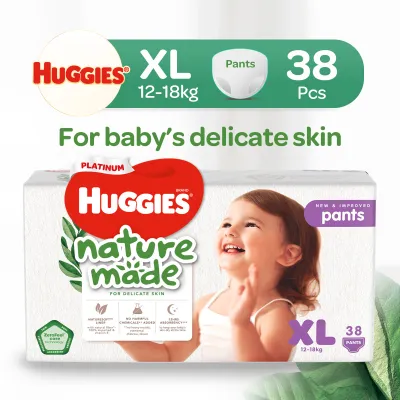
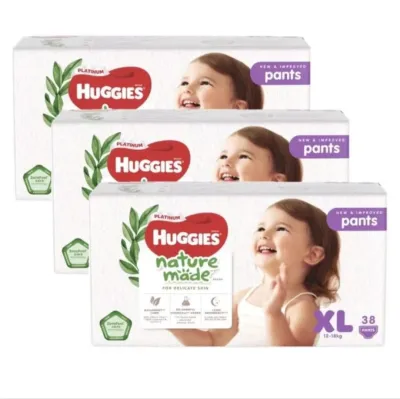
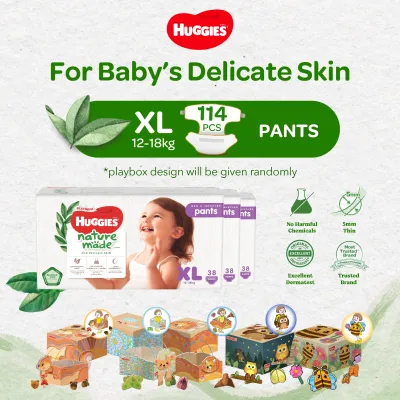
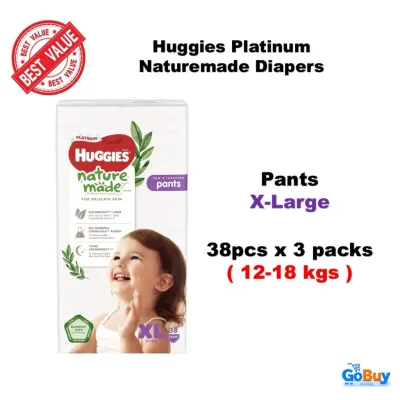
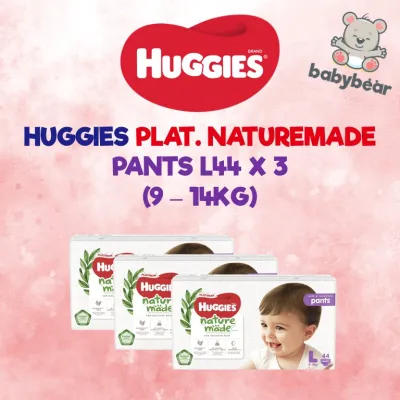
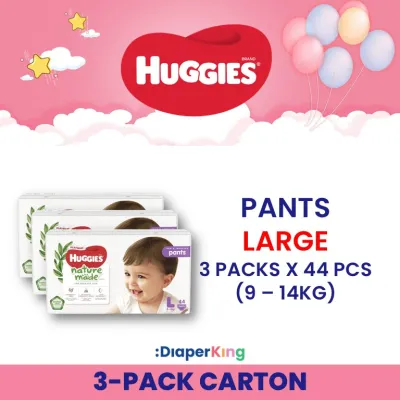
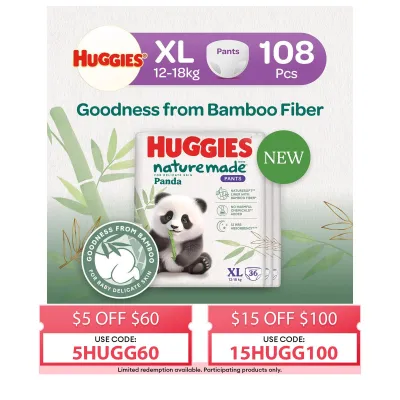
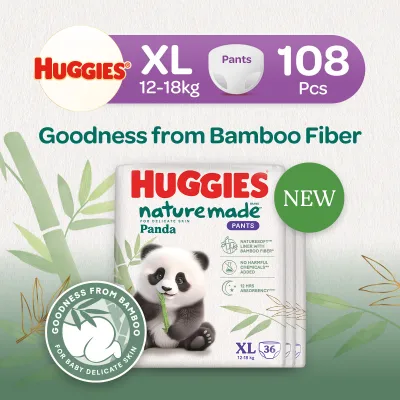
Prices are valid at publication and may change. Please refer to the product page for the latest price.
Huggies NatureMade Pants XL: Core Features and Design
The Huggies NatureMade premium line is designed to address the growing demand for natural, skin-friendly diapering materials. At the heart of the huggies naturemade pants xl design is a top sheet that incorporates plant-based fibers, which are selected to provide a soft, cushiony barrier between your toddler’s skin and the absorbent core. This focus on natural materials aims to reduce the presence of synthetic plastics directly touching delicate skin, thereby lowering the risk of friction-induced chafing.

The XL size is carefully tailored for active toddlers who are transitioning out of traditional tape diapers. Typically designed for children in the weight range of 12 to 17 kilograms, this size accommodates the developmental stage of confident walkers, runners, and early potty trainers. Because toddlers at this stage are constantly on the move, the diaper features a highly flexible, 360-degree elastic waistband. This design allows the pants to stretch smoothly over chubby thighs and tummies, mimicking real underwear and allowing toddlers to practice pulling them up and down independently.
In addition to the elastic waist, these pants feature easy-tear sides. This allows caregivers to remove a soiled diaper quickly and hygienically without having to slide it down the child’s legs. A convenient roll-up tape on the back simplifies disposal, keeping the discarded diaper compact and sealed.
While the brand emphasizes its gentle material composition and dermatological testing, caregivers should always verify specific material percentages, hypoallergenic certifications, and exact weight recommendations directly on the product packaging. Manufacturers periodically update their formulations and sourcing, so checking the physical pack ensures you have the most current information regarding skin compatibility and safety standards.
Key Comparison Dimensions for Premium Pull-Ups
Singapore’s tropical climate presents unique diapering challenges. With relative humidity often exceeding 80% and temperatures regularly climbing above 30°C, a diaper must perform exceptionally well to prevent heat rash, sweating, and diaper dermatitis. To make an informed comparison between premium brands, you must evaluate three critical dimensions: absorbency, breathability, and fit.
Absorbency and Leak Protection for Heavy Wetters
An effective premium pull-up must handle rapid, high-volume urination without leaking or sagging. This performance relies heavily on the diaper’s core technology, which typically combines Superabsorbent Polymers (SAP) with wood pulp fibers. When liquid enters the diaper, the SAP must quickly lock it away into a gel, preventing “rewet”—the phenomenon where moisture is squeezed back onto the skin when the toddler sits down or rolls over.
Many premium lines utilize advanced channel designs that distribute liquid evenly along the length of the core. This prevents the diaper from pooling in the center, which can restrict a toddler’s movement and cause the diaper to sag. To assess leak protection, examine the height and elasticity of the inner double-leak guards. These hydrophobic barriers should stand upright along the groin crease to catch liquid before it escapes through the leg openings. Always check the packaging for specific absorbency claims, such as overnight protection or designated dry-hour ratings, to understand the intended use case of the diaper.
Breathability and Skin Comfort
In a warm, humid environment, trapped heat and moisture quickly compromise the skin’s natural barrier, leading to irritation and painful rashes. Premium pull-ups address this by incorporating highly breathable materials in both the inner liner and the outer backsheet. The backsheet should feature microscopic pores that allow hot air and vapor to escape while keeping liquid water securely contained.
To maximize skin comfort, look for top sheets with embossed, 3D, or honeycombed textures. These patterns raise the diaper’s surface slightly, reducing the total area of material in direct contact with the skin. This design creates pathways for air to circulate, keeping the skin dry and cool. When comparing brands, look for independent dermatological approvals or hypoallergenic labels on the packaging, which indicate that the materials have undergone testing to minimize the risk of allergic reactions.
Fit, Elasticity, and Mobility
A pull-up diaper must accommodate a toddler’s constant physical exploration without shifting out of place or digging into the skin. The waistband needs to offer a delicate balance: it must be tight enough to support a wet, heavy diaper, yet flexible enough to expand comfortably when the toddler sits down or eats a full meal. If the elastic is too stiff, it can leave deep red friction marks around the waist and hips.
Leg cuffs require similar scrutiny. They should wrap snugly around the thighs without pinching or restricting circulation. When putting a pull-up on your child, always run a finger along the inside of the leg gathers to ensure they are flared outward rather than folded inward. Gathers that sit flat against the skin create a reliable seal, whereas folded gathers are a primary cause of compression leaks during active play.
Huggies NatureMade XL vs. Other Premium Alternatives
When comparing Huggies NatureMade Pants XL to other premium diaper lines available in Singapore, the primary distinction lies in the product’s design philosophy. Huggies NatureMade prioritizes a natural, skin-first approach by integrating plant-based fibers into the top sheet. This contrasts with other premium segments that focus primarily on achieving the slimmest possible profile or maximizing synthetic absorbency for overnight use.
Ultra-thin premium diapers, for instance, often utilize a fully synthetic, pulp-free core. These diapers are incredibly lightweight and discreet under clothing, making them popular for outings. However, because they lack the cushiony loft of wood pulp and natural fibers, they may feel less soft to the touch and can sometimes feel damp more quickly if the SAP does not absorb liquid instantly. If your child has highly sensitive skin, the synthetic materials used in ultra-thin diapers may occasionally cause mild friction irritation compared to the plant-based top sheet of the NatureMade line.
Conversely, heavy-duty overnight diapers are engineered with thick, high-capacity absorbent cores designed to withstand multiple wettings over a 12-hour period. While highly reliable for sleep, these diapers are inherently bulkier and can trap more heat during active daytime play in Singapore’s climate. The trade-off with a plant-focused diaper like Huggies NatureMade is that while it offers superior skin comfort and excellent daytime breathability, it may not have the massive, heavy-duty storage capacity of a dedicated overnight synthetic diaper.
To make an objective comparison, read the ingredient and material lists on the packaging of competing brands, including popular Japanese imports and global premium lines. Look closely at whether the natural or organic claims apply to the entire diaper or only to specific components, such as the outer cover. Understanding these distinctions helps you determine whether a brand’s “premium” designation aligns with your specific goals for material purity or technical performance.
Evaluating Value: Cost Per Diaper and Sizing Up
Premium pull-up diapers represent a significant, ongoing household expense. To manage your budget effectively, always calculate the cost per individual diaper rather than comparing pack prices directly. Because larger sizes contain fewer diapers per pack, the cost per piece rises as your child grows. For example, if a pack of premium XL pull-ups costs S$26 and contains 38 pieces, the cost per diaper is approximately S$0.68. Comparing this unit rate across different brands and pack sizes allows you to identify the true value of each option.
Sizing logistics also play a major role in cost efficiency. While weight guidelines on the packaging serve as a helpful starting point, they should not be your only metric. A toddler’s unique physical proportions—such as a round tummy or wider thighs—often necessitate sizing up before they reach the maximum weight limit of their current size. Key indicators that it is time to transition from XL to XXL include:
- Frequent leaks: Experiencing leaks despite proper diaper application and alignment.
- Red marks: Persistent red elastic marks around the waist or thighs that do not fade within ten minutes of diaper removal.
- Inadequate coverage: The waistband sitting significantly below the belly button, or the diaper failing to cover the buttocks fully.
To optimize your spending, monitor prices and purchase in bulk during major promotional events at local baby fairs or through online marketplaces. Buying by the carton often yields a lower cost per piece. However, avoid over-stocking a single size when your child is near the upper weight limit or showing signs of a growth spurt. A sudden physical transition can quickly render a large stockpile of XL diapers unusable.
Decision Framework: Which Premium Pull-Up Should You Buy?
To finalize your purchasing decision, match your toddler’s specific needs to the strengths of each premium diaper category:
- Choose Huggies NatureMade Pants XL if: You prioritize plant-based materials touching your baby's skin, your toddler has sensitive skin prone to chafing, and you want a soft, highly flexible pull-up that supports active daytime movement and early potty training.
- Choose a specialized overnight premium diaper if: Your toddler is an exceptionally heavy wetter who drinks large amounts of fluids before bedtime, sleeps for long, uninterrupted stretches, and requires maximum synthetic locking power to prevent leaks and wetness-induced waking.
- Choose an ultra-slim premium brand if: You prefer a highly discreet, low-profile diaper that fits easily under tailored or lightweight clothing, and your child does not experience skin sensitivity or adverse reactions to synthetic materials.
- Verify first if: Your child has a diagnosed skin condition, such as eczema or severe allergic contact dermatitis. In these cases, always consult a pediatrician or pediatric dermatologist before introducing a new diaper brand. Carefully inspect the packaging to confirm the product is free from added fragrances, natural rubber latex, and elemental chlorine bleaching to ensure a safe, irritation-free diapering experience.

Community discussion
Share your experience or ask a question. Comments are reviewed before publication.