
Finding the right premium diaper for your growing toddler in Singapore’s warm and humid climate requires balancing skin comfort, absorbency, and fit. While Huggies NatureMade XL is widely positioned as a top-tier option, there is no single “best” diaper for every baby. The ideal choice depends on your child’s unique body shape, skin sensitivity, and how well a diaper’s verified specifications match your daily routine. Because individual skin reactions and physical fits vary, parents should always evaluate manufacturer claims directly on the packaging and start with a small trial pack before committing to bulk purchases.
Core Dimensions for Comparing Premium Diapers
To make an objective comparison between premium diaper options, parents must look past marketing buzzwords and focus on verifiable design elements.
Material and Top Sheet
The inner lining, or top sheet, is in direct contact with your baby’s skin. When evaluating premium diapers, check the packaging for specific material compositions, such as plant-derived fibers or organic cotton blends. Feel the material yourself if sample diapers are available; it should feel soft, smooth, and highly breathable to prevent heat rash in warm weather. Avoid materials that feel synthetic or stiff, as these can cause friction against a toddler’s delicate skin during active play. You can also perform a simple touch test at home by pressing a dry tissue against the inner lining of a slightly wet diaper to see if any moisture transfers back, which helps verify its dryness.
Products mentioned in this guide
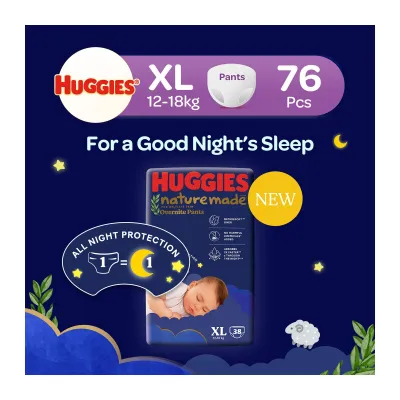
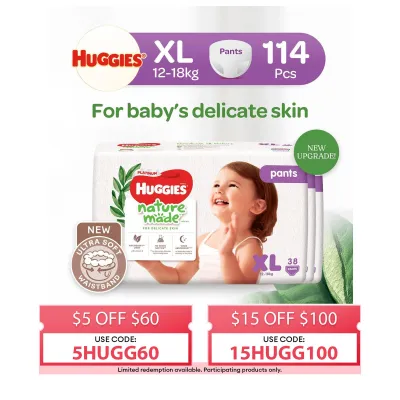
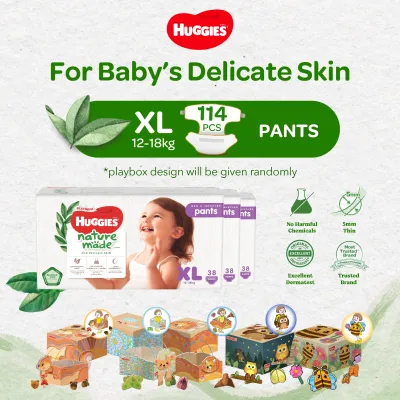
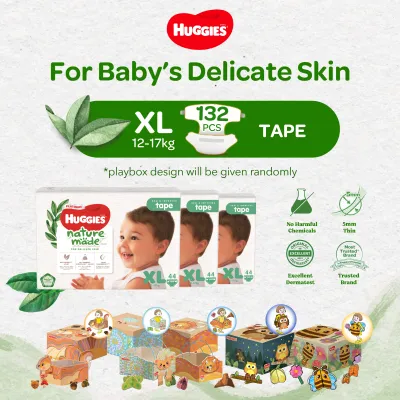
![[1 Carton] Huggies Platinum Naturemade Pants XL](https://img.lazcdn.com/g/p/25db34c74dfee3ddd5bb68fd0da86a6c.jpg_400x400q80.jpg_.webp)
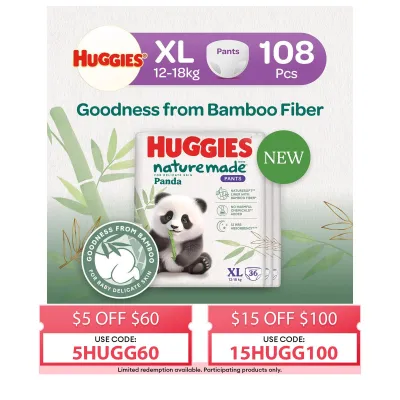
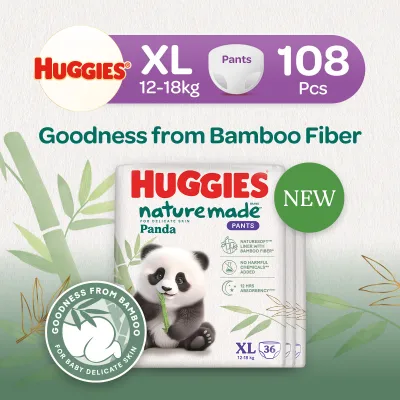
Prices are valid at publication and may change. Please refer to the product page for the latest price.
Absorbency and Leak Protection
A premium diaper’s core technology determines how quickly it draws moisture away from the skin. Look for physical indicators of advanced absorption, such as structured distribution channels that prevent sagging and double-layered leg gussets that act as physical barriers against leaks. A reliable wetness indicator on the exterior is also a standard feature to help you monitor when a change is needed. The core should distribute liquid evenly rather than letting it pool in one spot, which is crucial for preventing leaks during long naps. In Singapore’s humid climate, rapid absorption is particularly important to prevent sweat and urine from combining to irritate the skin.
Fit and Sizing (XL Specifics)
As babies grow into the extra-large (XL) size, their mobility increases significantly. They are often walking, running, and climbing, which puts extra stress on the diaper’s seams and waistbands. Verify the recommended weight range printed on the box, as sizing standards vary between brands. Look for highly elastic waistbands and stretchy side panels that accommodate active movement without leaving deep red marks or restricting breathing. A well-designed XL diaper should provide full coverage over the baby’s bottom while maintaining a snug, gap-free seal around the thighs. If you notice the diaper sagging excessively even when empty, or if you struggle to fasten the tabs securely, it may indicate a mismatch in fit.
Skin Safety Claims
Premium diapers often highlight their suitability for sensitive skin. Rather than relying on general claims, look for recognized dermatological testing logos, hypoallergenic certifications, or independent safety seals printed directly on the packaging. These indicators show that the materials have undergone standardized testing protocols. If your baby is prone to eczema or contact dermatitis, verifying these certifications on the packaging is an essential step before introducing a new brand.
Evaluating Huggies NatureMade XL: Label and Spec Checklist
When examining Huggies NatureMade XL, parents should systematically verify the product specifications to understand what sets this line apart from standard options.

NatureMade Line Claims
The NatureMade packaging highlights specific material choices, such as the inclusion of plant-based components in the liner. Check the back of the box for the exact percentage of natural fibers and any specific certifications regarding elemental chlorine-free bleaching or the absence of added fragrances and parabens. These details help you verify whether the diaper meets your standards for natural skin care.
XL Size Specifications
The XL variant is designed for toddlers who are transitioning into higher weight brackets. Locate the weight guide on the side of the pack—typically covering a range such as 12 to 17 kilograms, though you must verify the exact range on your specific pack. Ensure your baby’s current weight sits comfortably within the middle of this range to allow for growth and movement. If your baby is near the upper limit, it may be time to consider sizing up to prevent leaks.
Design and Functional Features
Inspect the physical diaper for its structural layout. Note the presence of a wetness indicator line that changes color when wet, the thickness of the core, and the strength of the fastening tabs. A premium diaper should maintain its structural integrity even when fully saturated, preventing the core from clumping or shifting. The fastening tabs should be secure yet easy to adjust, allowing for a customized fit around the waist.
Manufacturing and Expiry
To ensure you are using fresh, high-quality products, locate the production date and batch code, which are usually stamped on the bottom or side of the plastic packaging. Verify the country of origin and check that the packaging is fully sealed, protecting the diapers from moisture and dust during transit and storage. Diapers stored in humid environments for extended periods can lose their adhesive strength and absorbency, making fresh batches preferable.
Comparing Competing Premium Brands: What to Verify
Comparing Huggies NatureMade XL with other premium brands requires a structured, side-by-side evaluation of physical attributes and real-world performance.
Identifying True Premium Competitors
Distinguish premium lines from standard or budget tiers by looking at the price per piece, the complexity of the materials used, and the presence of specialized skin-protection features. Premium lines generally prioritize breathability, advanced core technologies, and certified skin-safe materials. If a brand does not clearly state its material composition or safety certifications, it may not offer the premium performance your baby needs.
Side-by-Side Label Check
Create a simple checklist to compare key specifications across brands. Note the weight limits, the presence of natural fibers, the country of manufacture, and any specific dermatological certifications. This helps you identify which brand offers the most transparent and verified features for your budget. Keeping a record of these details allows you to make informed comparisons rather than relying on memory.
Observing Physical Differences
Place a Huggies NatureMade XL diaper side-by-side with a competitor’s XL diaper. Compare the overall thickness, the stretchiness of the waistband, the height of the leg cuffs, and the texture of the inner sheet. A thinner diaper with high absorbency is often preferred for daytime wear, while a thicker, highly padded core might be chosen for overnight use. Pay close attention to the softness of the leg cuffs, as stiff edges can cause chafing.
Tracking Baby's Response
The ultimate test of any diaper is how your baby’s skin and body respond to it. Monitor your child over a three-to-five-day trial period. Check for any signs of redness around the waist and thighs, observe whether leaks occur during naps or active play, and watch for any skin irritation or diaper rash. If you notice persistent redness or leaks, it may indicate that the diaper’s shape or material is not compatible with your baby’s body.
Decision Framework: Choosing the Right Premium Diaper
To simplify your choice, use this structured decision framework based on your specific observations and priorities.
Choose Huggies NatureMade XL if:
- Your baby's skin responds exceptionally well to its specific plant-based liner.
- The physical fit matches their body shape without leaving red marks or causing gaps.
- You prioritize a diaper with verified gentle material claims that align with your preferences.
Choose a Competing Premium Brand if:
- Your baby has a unique body shape that requires a different waistband elasticity or leg cuff height.
- You require a diaper with a higher capacity or different core structure for overnight use.
- You prefer a brand that carries specific independent safety certifications not found on the NatureMade packaging.
Neither May Fit if:
- Your baby experiences persistent diaper rash, contact dermatitis, or frequent leaks regardless of the brand or size used. In such cases, stop using the diapers immediately, ensure the area is kept clean and dry, and consult a pediatrician or qualified healthcare professional for guidance.
Verify First if:
- You are transitioning from standard diapers to premium options. Always purchase a single, small pack or request sample pieces to test the fit and skin compatibility before investing in bulk cartons.
Verifying Price, Stock, and Authenticity in Singapore
Navigating the retail landscape in Singapore requires careful attention to sourcing to ensure you receive genuine, high-quality diapers at the best value.
Checking Authorized Retailers
Purchase your diapers from official brand stores, established local supermarkets, or authorized distributors on major online marketplaces. This minimizes the risk of buying counterfeit or poorly stored products that may have lost their absorbency or hygiene standards. Reputable retailers are also more likely to store their inventory in climate-controlled warehouses, protecting the diapers from Singapore’s high humidity.
Calculating Cost Per Diaper
To find the true value of a diaper pack, do not rely solely on the retail price of the box. Use this simple formula:
Cost Per Diaper = Total Pack Price (S$) / Number of Diapers in the Pack
Compare this unit cost across different pack sizes and retailers to identify genuine savings. Often, larger carton boxes offer a lower cost per diaper, but only commit to these once you have verified that the diaper fits your baby perfectly.
Spotting Counterfeits
Inspect the packaging carefully upon delivery. Genuine premium diapers feature sharp, clear printing, consistent batch code stamps, and secure, tamper-evident seals. If the packaging looks faded, has spelling errors, or feels unusually thin, contact the retailer or manufacturer to verify its authenticity. Using counterfeit diapers can expose your baby to unverified materials and potential skin irritation.
Monitoring Promotions
Keep track of official brand channels, local supermarket mailers, and authorized online stores for seasonal sales or subscription discounts. Setting up price alerts on reputable shopping platforms can help you secure genuine premium diapers at a lower cost per piece without compromising on quality. Be cautious of deals that seem too good to be true, as they may involve near-expiry stock or unauthorized parallel imports.

Community discussion
Share your experience or ask a question. Comments are reviewed before publication.