
Evaluating Huggies NatureMade tape diapers against other plant-based or “natural” options in Singapore requires looking past marketing buzzwords to evaluate specific material compositions, fit, and cost-effectiveness. Because “natural” is a broad marketing term rather than a single regulated standard, there is no universal winner. Instead of relying on packaging claims alone, this guide helps you compare Huggies NatureMade tape with competing brands by focusing on verifiable material specifications, observable performance, and practical fit, allowing you to make a confident, condition-based decision for your baby.
In Singapore’s warm and humid climate, choosing the right diaper is crucial for maintaining your baby’s skin health. High humidity can trap moisture against delicate skin, making breathability and effective moisture absorption top priorities for parents. While many brands label their products as eco-friendly or organic, the actual materials used can vary significantly, impacting both performance and skin compatibility.
By understanding how to analyze diaper construction and monitor real-world performance, you can identify which diaper aligns best with your baby’s needs and your family’s environmental values. This systematic approach ensures you pay for verifiable features rather than vague marketing promises.
Products mentioned in this guide
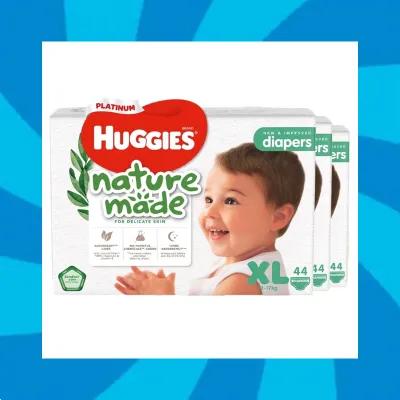
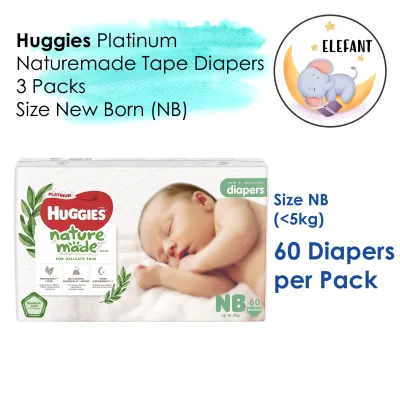
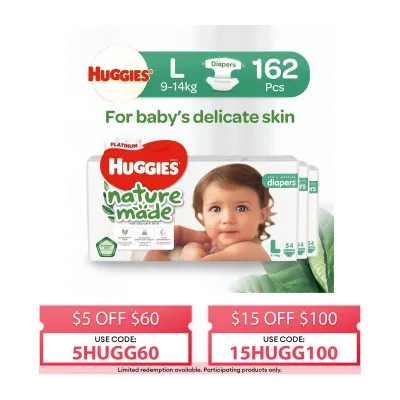
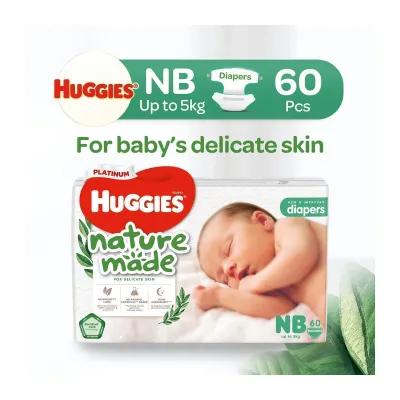
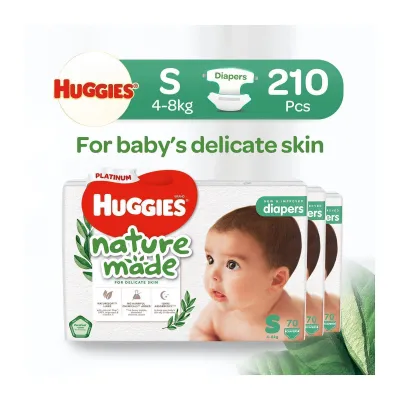
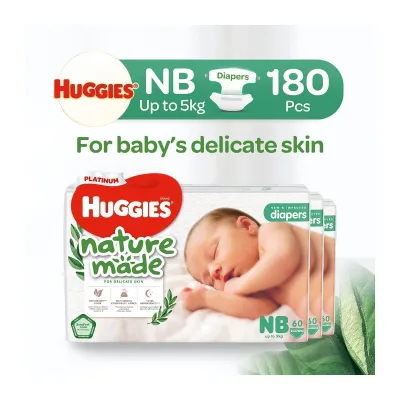
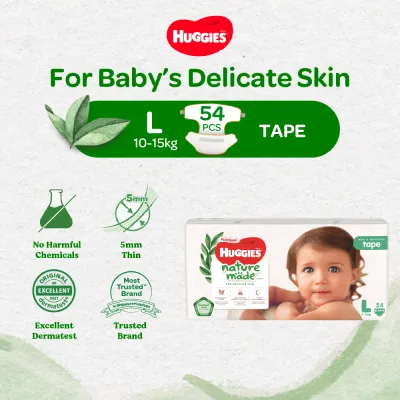
Prices are valid at publication and may change. Please refer to the product page for the latest price.
Understanding "Natural" and Plant-Based Diaper Claims
When comparing diapers, the term “natural” can refer to several different aspects of production and material composition. To make an accurate comparison, you must look closely at the specific components of each diaper. The most critical areas to examine are the top sheet, the absorbent core, and the bleaching process used during manufacturing.
The top sheet is the layer that directly touches your baby’s skin. In natural diapers, this layer often incorporates plant-derived materials, such as viscose made from bamboo, cornstarch-based PLA, or organic cotton. Huggies NatureMade tape, for instance, features a liner that contains natural fibers. When comparing this to other brands, check the exact percentage of plant-based materials in the liner, as some brands use a blend of synthetic and natural fibers, while others use fully plant-derived materials.
The absorbent core typically consists of wood fluff pulp mixed with superabsorbent polymers (SAP). Look for certifications indicating that the wood pulp is sustainably sourced, such as the Forest Stewardship Council (FSC) certification. This ensures the materials come from responsibly managed forests. Additionally, investigate the bleaching process. Diapers bleached without chlorine are preferred for sensitive skin. Look for labels specifying “Totally Chlorine Free” (TCF) rather than “Elemental Chlorine Free” (ECF), as TCF processes avoid chlorine compounds entirely.
To verify these claims, do not rely solely on front-of-pack marketing. Turn the packaging over to read the detailed material breakdown and ingredient lists. You can also verify third-party eco-labels and dermatological certifications, such as Dermatest or OEKO-TEX, by looking up the manufacturer’s certification numbers on the official registry databases of these organizations. This step ensures the safety and environmental claims are fully validated.
Core Comparison Dimensions for Huggies NatureMade Tape
To systematically compare Huggies NatureMade tape with other natural diapers, you should focus on four physical and functional dimensions: absorbency, breathability, fit, and fastening.

Absorbency and Core Structure
Evaluate the diaper’s thickness and core distribution. A thinner diaper is not necessarily less absorbent, as modern core designs use advanced channel systems to distribute wetness evenly. When examining Huggies NatureMade tape alongside competitors, check for the presence of wetness indicators—lines that change color when wet—which help you monitor when a change is needed without opening the diaper. Physically inspect a dry diaper by feeling the core; it should feel smooth and uniform, without clumps or thin spots.
Breathability and Skin Contact
In Singapore’s humid environment, a diaper’s breathability is essential for preventing heat rash and diaper dermatitis. Evaluate the texture of the inner lining by running your fingers over it to assess its softness. Check the manufacturer’s specifications for details on the outer cover’s breathability. A breathable outer cover allows moisture vapor to escape while keeping liquid contained, which helps keep your baby’s skin dry and cool.
Fit and Fastening
The design of the waistband, leg cuffs, and tape tabs determines how well the diaper prevents leaks and blowouts. Look for a diaper with a highly elastic waistband that conforms to your baby’s back, especially when they are sitting or crawling. The leg cuffs should feature double-layered barriers that are flexible yet snug. The tape tabs must be strong and reusable, allowing you to adjust the fit multiple times without losing grip.
| Evaluation Dimension | Huggies NatureMade Tape Verification Points | Alternative Natural Brand A Verification Points | Alternative Natural Brand B Verification Points |
|---|---|---|---|
| Liner Material | Verify presence of natural fibers in the skin-contact layer. | Check if liner is 100% plant-based or a synthetic blend. | Check for organic cotton or bamboo viscose content. |
| Bleaching Method | Confirm chlorine-free status on packaging. | Verify if labeled as TCF (Totally Chlorine Free). | Verify if labeled as TCF or ECF. |
| Wetness Indicator | Check for external color-changing strip. | Confirm presence of wetness indicator. | Confirm presence of wetness indicator. |
| Waistband & Cuffs | Inspect elasticity of back waistband and leg barriers. | Evaluate stretchability and softness of leg cuffs. | Check for pocketed waistband to prevent back leaks. |
Monitoring Performance and Skin Reactions
No matter how high-quality a diaper’s materials are on paper, its real-world performance on your baby’s skin is the ultimate deciding factor. You should actively monitor how the diaper performs during daily use, paying close attention to moisture management and skin compatibility.
To test moisture lock-in, perform a simple tissue check. After your baby has worn the diaper for a few hours, gently press a dry, clean tissue against the inner lining of the diaper immediately after removal. If the tissue remains dry, the diaper’s core is effectively locking moisture away from the skin. If the tissue dampens, the diaper may be leaving your baby’s skin exposed to wetness, which can lead to irritation. Also, observe if the diaper sags excessively or clumps when wet, as this can restrict your baby’s movement and cause friction.
Regularly inspect your baby’s skin during diaper changes. Look for signs of redness, chafing, or localized irritation. Pay close attention to the areas where the diaper fits tightly, such as around the tape tabs, the waistband, and the inner thigh leg cuffs. Friction in these areas can indicate that the material is too stiff or that the fit is incorrect.
If you observe persistent redness, swelling, broken skin, or suspected allergic reactions, stop using the diaper immediately. Switch to a plain, fragrance-free alternative and consult a qualified pediatrician. Do not attempt to self-diagnose severe skin conditions, as persistent rashes may require medical treatment rather than a simple brand change.
Calculating Value and Selecting the Right Size
Natural diapers often carry a price premium compared to conventional options. To manage your household budget effectively, you must calculate the true cost-effectiveness of each brand and ensure you are using the correct size to prevent wasteful leaks.
To find the true cost, calculate the price per diaper rather than comparing the total pack price. Use the following formula:
Cost per Diaper = Total Pack Price in S$ / Number of Diapers in the Pack
When shopping on local e-commerce platforms or at supermarkets in Singapore, look for bulk purchase discounts, subscription options, or carton deals, which can significantly lower the cost per piece. Keep in mind that larger sizes typically contain fewer diapers per pack, which increases the cost per diaper as your baby grows.
Proper sizing is critical for both comfort and leak prevention. Do not rely solely on the age of your baby; instead, match your baby’s current weight and physical build to the manufacturer’s specific size chart. Sizing can vary significantly between brands; a “Medium” in Huggies NatureMade tape may fit differently than a “Medium” in another natural brand. If your baby is near the upper weight limit of a size, or if they have chubby thighs, consider sizing up to prevent leaks and red marks.
When fastening tape diapers, apply the tape symmetrically to the designated landing zone. Ensure you can comfortably fit two fingers between the diaper waistband and your baby’s tummy. Always run your fingers around the leg cuffs to flare them outward; tucked-in cuffs are a primary cause of side leaks.
Decision Framework: Choosing the Right Natural Diaper
To finalize your choice, use this conditional framework to match a diaper’s features with your family’s specific priorities and your baby’s physical needs.
Choose Huggies NatureMade Tape if:
- You prefer a diaper with a liner containing natural fibers that has been dermatologically tested.
- The tape fastening system fits your baby's specific body shape securely without leaving red marks.
- The price per diaper fits comfortably within your monthly baby-care budget when purchased through local retail channels or bulk online deals.
Explore Other Natural Brands if:
- You require specific third-party environmental certifications, such as fully compostable packaging or 100% biodegradable diaper components.
- Your baby's body shape requires a different waistband elasticity or leg cuff height to prevent leaks.
- You prefer a completely chlorine-free (TCF) diaper and find that alternative brands offer a lower cost per piece in your required size.
Verify First if:
- Your baby has a history of severe contact dermatitis, eczema, or known allergies. Always cross-check the full ingredient list of any diaper—including adhesives, lotions, and botanical extracts—with your pediatrician before introducing a new brand.
Frequently Asked Questions (FAQ)
Are plant-based diapers completely biodegradable?
While many natural diapers incorporate biodegradable materials like wood fluff pulp or plant-derived PLA in their top sheets, they are rarely 100% biodegradable. Most still contain synthetic components, such as superabsorbent polymers (SAP) in the core, elastic elastics in the leg cuffs, and polyurethane adhesives to hold the layers together. You should check the manufacturer’s packaging for specific disposal instructions and consult your local municipal waste guidelines in Singapore, as standard disposable diapers must be disposed of in general waste for incineration.
Do natural diapers need to be changed more frequently?
The frequency of diaper changes depends on the specific brand’s absorbency technology and your baby’s individual output, rather than whether the diaper is natural or conventional. To maintain optimal skin health and prevent diaper rash, you should check the wetness indicator regularly and change the diaper promptly when soiled. Standard pediatric advice recommends changing a newborn’s diaper every two to three hours, or immediately after a bowel movement, regardless of the diaper type.

Community discussion
Share your experience or ask a question. Comments are reviewed before publication.