
Finding the right diaper for a growing toddler in Singapore involves balancing several practical factors, including skin sensitivity, movement, and household budget. As toddlers transition into larger sizes, standard options may no longer provide the coverage or absorbency required for active days and long nights. Huggies Nature Made XXXL is a prominent option in the premium segment, frequently sought after by parents who prioritize natural materials and gentle skin contact.
To determine how this specific diaper compares to other premium alternatives available in Singapore, parents must look beyond brand names and evaluate physical design elements. This comparison requires a close look at how different brands handle moisture distribution, maintain structural integrity when wet, and fit the unique proportions of a larger toddler. By understanding these performance dimensions, you can make an informed choice that keeps your child comfortable and leak-free.
Understanding the XXXL Size Category and Fit
Toddlers grow at highly individual rates, meaning age milestones are rarely reliable indicators for diaper sizing. Instead, parents should consult the manufacturer’s weight guidelines printed on the packaging, which for the XXXL category typically start around 17kg and can extend beyond 25kg depending on the brand. Relying on these weight ranges helps ensure the diaper’s elastic components are engineered to support your child’s current physical build.
Products mentioned in this guide
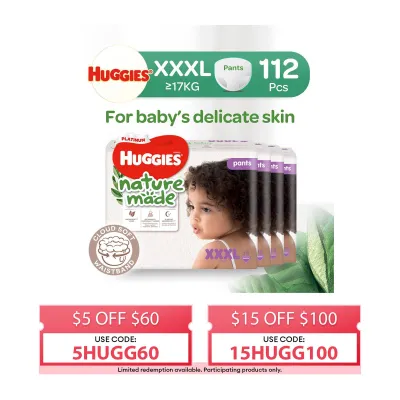
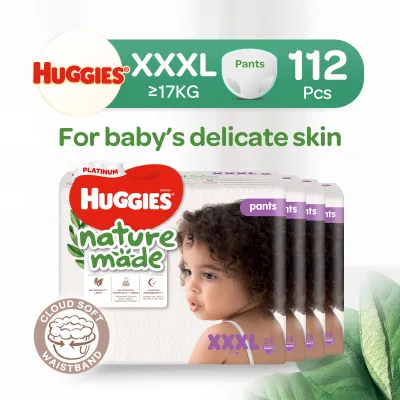
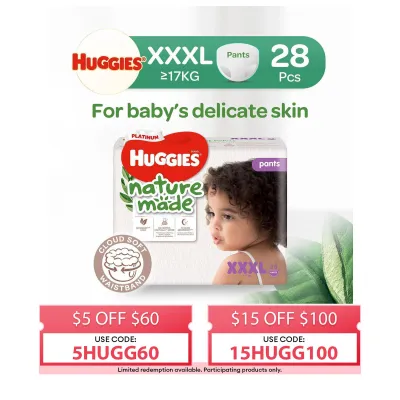
Prices are valid at publication and may change. Please refer to the product page for the latest price.
Physical cues often signal the need to size up long before a toddler reaches the maximum weight limit of their current diaper. Look for persistent red marks around the thighs or waist, which indicate the elastic is under too much tension and could cause chafing in Singapore’s humid climate. Frequent leaks at the waistband or leg cuffs, especially during active play or sleep, also suggest the diaper’s capacity and coverage area are no longer sufficient.
Active toddlers also require a diaper that accommodates rapid changes in posture. When a child transitions from standing to sitting or crawling, their abdominal and thigh measurements change significantly. A well-designed XXXL diaper should feature highly flexible side panels that expand and contract dynamically, preventing the material from digging into the skin during active play.
When evaluating the cut and rise of Huggies Nature Made XXXL against other premium options, pay close attention to how high the waistband sits. A diaper with a higher rise provides more secure coverage for active toddlers who are constantly bending, climbing, and running. Different brands utilize varying cuts, with some offering a wider hip area and others focusing on a narrower, more contoured fit that may suit different body shapes.
Comparing Core Performance Dimensions
Absorbency and Overnight Leak Protection
To compare the overnight performance of premium diapers, start by examining the core technology described on the packaging. Many premium options, including the Huggies Nature Made range, feature specialized channel designs or multi-layer absorbent structures designed to distribute liquid evenly and prevent pooling. This technology is essential for keeping moisture away from the skin over a ten-to-twelve-hour period.

Observe the diaper’s condition after a long night of sleep to assess how well the core maintains its integrity. A high-quality core should lock moisture away without excessive sagging, clumping, or allowing superabsorbent polymer gel particles to escape onto your toddler’s skin. If the diaper sags heavily between the legs, it can restrict movement and increase the likelihood of leaks.
Many premium diapers also feature external wetness indicators that change color when exposed to moisture. While highly convenient for infants, these indicators remain useful in XXXL sizes to help caregivers quickly assess wetness without opening the diaper, especially during busy outdoor outings in Singapore. However, parents should rely on physical touch and the overall weight of the diaper as the primary gauge, as indicators can sometimes react to high ambient humidity.
Additionally, measure the physical height and elasticity of the inner leg cuffs and the rear waistband barrier. For larger, highly mobile toddlers who change positions frequently in their sleep, these physical barriers are the primary defense against messy leaks. A taller, double-layered leg cuff generally offers better containment during side-sleeping.
Comfort, Breathability, and Material Feel
The tactile feel of a diaper is a direct indicator of daily comfort, especially for toddlers who wear them for extended periods. Parents can physically compare the softness of the inner lining and the outer cover by running their hands over the materials of different premium brands. Huggies Nature Made is distinguished by its use of natural fiber blends in the liner, which often feels noticeably soft to the touch compared to fully synthetic alternatives.
Breathability is crucial for preventing diaper rash in Singapore’s warm, humid climate. Check the packaging for micro-pore or breathable outer cover claims, and observe the diaper after a few hours of wear; a breathable diaper may feel slightly cool or damp on the outside, indicating that heat and moisture vapor are successfully escaping. If the outer cover feels completely dry and hot, heat may be trapped inside.
The waistband construction is another critical area where premium diapers differ. Look for wide, multi-strand elastic bands that distribute pressure evenly across the abdomen rather than concentrating tension in a narrow strip. A breathable, fabric-like waistband helps channel sweat away from the lower back, reducing the likelihood of heat rash in Singapore’s tropical climate.
For toddlers with sensitive skin, carefully inspect the packaging for certifications and ingredient lists. Look for explicit labels indicating the product is fragrance-free, elemental chlorine-free, or dermatologically tested to minimize the risk of contact dermatitis. Avoiding added fragrances and harsh chemicals is often the first step in managing skin redness.
Fit, Elasticity, and Mobility
Active toddlers require a diaper that moves with them without slipping or restricting circulation. Test the elasticity of the waistband and leg gathers by stretching them fully and observing how quickly and smoothly they recover their original shape. The elastic should feel supportive yet gentle enough to avoid leaving deep indentations on the skin after a few hours of active play.
Consider the overall profile and bulkiness of the diaper when it is fully expanded. A bulky diaper can restrict a toddler’s natural stride or make clothing fit awkwardly, whereas a slim, high-density core allows for greater freedom of movement. Premium brands often compete on creating thinner cores that do not sacrifice total absorbent capacity.
Observe how the diaper behaves when your toddler is in a seated position. A diaper with poor elasticity may gap at the back when the child sits, creating an opening for leaks. Conversely, a high-quality premium diaper maintains a snug seal against the lower back and thighs regardless of the child’s posture, ensuring continuous protection during both active play and quiet rest.
While most XXXL diapers are pants-style, if you are evaluating tape-style options, test the strength and repositionability of the fastening tabs. High-quality tabs should grip securely even after being peeled back and adjusted multiple times, resisting the tugging of an active child. For pants-style diapers, check how easily the side seams tear during changes, as clean, effortless tearing saves time and minimizes mess.
Evaluating Value and Cost per Diaper
Evaluating the financial impact of premium diapering requires looking beyond the shelf price of a single pack. Because diaper manufacturers pack fewer pieces into larger size bags, the cost per diaper in S$ rises significantly when transitioning to the XXXL category. Parents should divide the total pack price by the number of diapers inside to establish a clear baseline for comparison across different brands.
A higher cost per diaper can sometimes be offset by superior performance. For instance, if a highly absorbent premium diaper successfully prevents overnight leaks, it reduces the need for mid-night changes, extra clothing laundry, and bedsheet washing, saving both time and utility costs. A cheaper diaper that requires twice as many changes may ultimately cost more over a month.
To optimize your budget, compare prices across official brand stores and major e-commerce platforms in Singapore. Keep an eye out for bulk purchase discounts, subscription models, or seasonal sales, but remain mindful of storage space and potential stock limits for specialized sizes like XXXL. Because this size is less common than medium or large, stock levels can fluctuate, making it wise to plan purchases in advance.
Decision Framework: Choosing the Right Premium Diaper
To make an informed choice, align your purchase with your toddler’s specific physical needs and daily routine rather than relying on brand popularity alone.
Consider Huggies Nature Made XXXL if your primary goal is to provide a soft, natural-fiber lining against your child’s skin and your toddler does not experience extreme overnight wetting that exceeds standard premium capacities. This option balances premium material comfort with reliable daytime protection, making it highly suitable for toddlers prone to mild skin irritation.
Alternatively, look toward competing premium brands if your toddler is an exceptionally heavy wetter who requires specialized ultra-absorbent overnight cores, if your child has highly specific allergies requiring independent dermatological certifications, or if their body shape requires a significantly wider or narrower cut to prevent gaps. Testing single packs of different brands can help identify the ideal fit before committing to bulk purchases.
Before purchasing a large supply of XXXL diapers, verify whether your toddler is ready to transition to potty training. If they are showing signs of readiness, transitioning directly to dedicated pull-up style training pants with tear-away sides may be more practical and cost-effective than continuing with standard maximum-size diapers.
Frequently Asked Questions (FAQ)
When should I switch my toddler to XXXL diapers?
You should consider switching when your toddler approaches or exceeds the manufacturer’s weight guidelines, which typically start around 17kg for the XXXL size. Physical indicators are equally important: if the leg cuffs leave deep red marks, the waistband sits well below the belly button, or you experience frequent leaks and blowouts despite proper application, it is time to size up.
Are XXXL diapers available in both tape and pants styles?
In the XXXL size category, diapers are predominantly manufactured in pants (pull-up) style to accommodate the high mobility and potty-training stages of older toddlers. While some brands may offer tape styles in this size, they are relatively rare in standard retail and are often designated for specific medical or supportive care needs, so you should check individual brand listings carefully if tape is a strict requirement.

Community discussion
Share your experience or ask a question. Comments are reviewed before publication.