
Choosing the right diaper for an active baby involves more than just picking a familiar brand. Because every baby has a unique body shape, movement style, and skin sensitivity, there is no single universal winner among Huggies, Pampers, and Mamypoko Size L pants. The best choice depends on how each brand’s specific cut, elasticity, and absorbent core interact with your baby’s thighs and waist during crawling, rolling, or walking. This guide provides a structured framework to help you compare the physical design elements, verify fit, and calculate the true value of each option available in Singapore, allowing you to make a confident, condition-based decision.
Active babies present a unique challenge for diaper design. As infants transition from sitting to crawling and walking, their physical dimensions change, and their movements become more dynamic. A diaper that performed perfectly during the newborn or infant stage may suddenly begin to leak or cause red marks once your baby is constantly on the move. By understanding how Huggies, Pampers, and Mamypoko approach the design of their Size L pants, you can select a diaper that supports your baby’s development while keeping them dry and comfortable.
Checking Size L Fit and Weight Guidelines
Before comparing specific features, it is essential to verify if Size L is the correct starting point for your baby’s current weight and body shape across these three brands. Each manufacturer prints weight guidelines on their packaging, which typically cover a range such as 9 to 14 kilograms for Size L pants. However, these ranges are broad and frequently overlap with both Size M and Size XL. This overlap exists because weight alone does not account for the diverse body shapes of growing babies.
Products mentioned in this guide
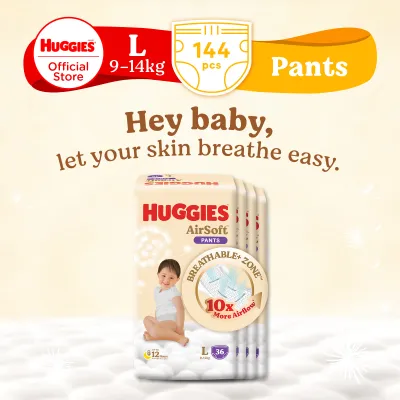
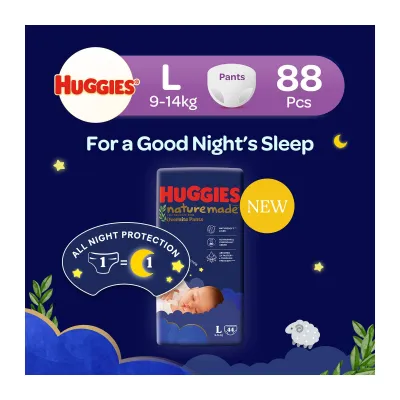
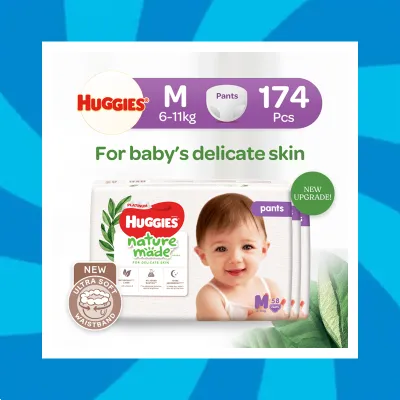
![[1 Carton] Huggies Platinum Naturemade Pants](https://img.lazcdn.com/g/p/24f017e4526d20cada55cffc39a424f6.png_400x400q80.png_.webp)
![[1 Carton] Huggies Platinum Naturemade Pants M](https://img.lazcdn.com/g/p/a10e8960e3dee19ee933958cea6d0dff.jpg_400x400q80.jpg_.webp)
![HUGGIES DRY COMFORT BABY DIAPERS PANTS - SIZE M / L / XL / XXL [CARTON DEAL]](https://img.lazcdn.com/g/p/4cac326159704a11bf243b1fc69a5cc1.jpg_400x400q80.jpg_.webp)
Prices are valid at publication and may change. Please refer to the product page for the latest price.
When evaluating Huggies, Pampers, and Mamypoko, you must observe how the diaper’s physical stretch limits align with your baby’s actual waist and thigh measurements. A baby with a rounder tummy or chunkier thighs may experience a tight fit in a diaper that technically matches their weight category. Conversely, a taller, leaner baby of the same weight might experience gaps around the legs, leading to frequent leaks.
Prioritizing your baby’s actual body shape over the exact weight number on the packaging is key to finding the right fit. If you notice the waistband rolling down, deep red marks on the skin, or the diaper sitting too low on the waist, these are clear indicators that it is time to size up, even if your baby’s weight is well within the printed guidelines. Conversely, if the leg cuffs gape or the diaper sags significantly when empty, a smaller size or a brand with a narrower cut may be more appropriate.
Inspecting Leak Protection Designs for Active Movement
Active movement requires a diaper that can flex and stretch without losing its seal against the skin. When comparing Huggies, Pampers, and Mamypoko Size L pants, the first physical design element to inspect is the leg cuff and gather system. These cuffs act as the primary barrier against leaks, especially when your baby is crawling or sitting. Look for double-layered leg gathers that sit flush against the inner thighs. The elastic tension should be firm enough to maintain contact during wide leg movements but gentle enough to avoid leaving deep indentations.

The waistband design is equally critical for active babies. Pants diapers rely on a 360-degree elastic waistband to keep the diaper secure. Inspect the elasticity by stretching the waistband fully; it should offer a smooth, springy resistance and return to its original shape without bunching. A high-waisted design is often beneficial for active babies, as it prevents the diaper from sliding down during bending, climbing, or tummy expansion after feeding.
Additionally, examine how each brand distributes its absorbent core. Active babies wet diapers in different areas depending on whether they are crawling, standing, or sleeping. Some brands design their cores with specific channels to distribute liquid evenly, preventing the diaper from sagging in one spot. Check the packaging for claims regarding core distribution and look for wetness indicators, which change color to help you monitor wetness levels without disrupting your baby’s play.
Evaluating Comfort and Breathability for Active Play
In Singapore’s hot and humid climate, comfort and breathability are paramount for preventing skin irritation and ensuring your baby can play without distraction. The inner lining of the diaper is in direct contact with your baby’s skin, making its texture a vital consideration. Feel the inner lining of each brand; some feature a smooth, cloth-like sheet, while others utilize a textured, quilted, or embossed pattern. Textured linings can help minimize the surface area in contact with the skin, which may reduce friction and help channel wetness away more quickly.
The overall bulkiness and thickness of the dry diaper also play a role in your baby’s comfort. A bulky diaper can restrict leg movement, potentially affecting crawling mechanics or early walking steps. Modern diaper technology often utilizes superabsorbent polymers (SAP) to keep the diaper thin while maintaining absorbency. Comparing the thickness of Huggies, Pampers, and Mamypoko pants when dry can give you an idea of which brand offers the most streamlined fit for active play.
Finally, review the backsheet material and any stated breathability features. A breathable outer cover allows heat and moisture vapor to escape while keeping liquid contained. This ventilation is crucial in a tropical environment to manage the microclimate inside the diaper, helping to keep your baby’s skin dry and reducing the risk of diaper rash. Look for packaging details that specify micro-pores or air-circulation channels in the outer cover.
Calculating Price and Value Across Retailers
While performance is critical, managing the ongoing cost of diapers is a practical reality for parents in Singapore. To compare the true cost of Huggies, Pampers, and Mamypoko Size L pants, you must calculate the cost per piece in S$. Pack sizes vary significantly between brands and even between different product lines within the same brand, such as premium versus standard ranges. Divide the total price of the pack by the exact number of diapers inside to establish a baseline for comparison.
Once you have calculated the cost per piece, explore the purchasing options available through local supermarkets and major e-commerce platforms. Buying in bulk, utilizing subscription services, or waiting for promotional bundle deals can significantly lower the cost per diaper. Many retailers offer discounts when you purchase a carton rather than individual packs, which is highly cost-effective once you have settled on a brand that works for your baby.
However, the cheapest diaper on paper is not always the most economical choice in practice. If a lower-priced diaper suffers from frequent leaks, you will find yourself changing your baby more often, leading to higher diaper consumption. Additionally, the hidden costs of frequent leaks—such as increased laundry loads, wasted clothing, and potential sleep disruptions—can quickly outweigh the savings of a cheaper product. A slightly pricier, highly reliable diaper that keeps your baby dry for longer periods may ultimately offer better overall value.
Building a Practical Testing Strategy
Because every baby’s body shape and movement patterns are unique, the most reliable way to find the perfect diaper is through systematic real-world testing. Before committing to large bulk purchases or carton deals, purchase small trial packs or request samples of Huggies, Pampers, and Mamypoko Size L pants. This allows you to test each brand’s compatibility with your baby’s skin and movements without a significant financial commitment.
During the trial period, monitor your baby closely for specific signs of fit or performance issues. Check for red marks around the waist and thighs immediately after removing a diaper, which indicates the elastic is too tight or the cut is too narrow. Observe how the diaper behaves when wet; severe sagging or shifting to one side suggests the waistband or core design is not supporting the weight of the liquid during active play. Keep a log of any leaks, noting the time of day, your baby’s activity, and where the leak occurred.
Use these observations to guide your sizing and brand decisions. If you experience consistent leaks at the legs despite a snug waistband, the leg cuffs may be too loose, or the brand’s cut may not suit your baby’s thigh shape. Do not hesitate to adjust the sizing up or down, or switch to a different brand’s product line, based on these real-world results rather than strictly adhering to the weight charts printed on the packaging.
Frequently Asked Questions (FAQ)
When should I switch from tape diapers to pants?
You should consider transitioning from tape diapers to pants when your baby becomes highly mobile and resists lying still during changes. Signs such as rolling over, crawling away, or attempting to stand up during diaper changes make fastening tape diapers difficult and frustrating. Pants diapers are designed to be pulled up quickly on a standing or moving baby, significantly reducing the time and effort required for changes while providing a secure fit that moves with your active child.
Can I mix different diaper brands for day and night use?
Yes, mixing different diaper brands for day and night use is a highly practical strategy adopted by many parents. For daytime active play, you might choose a thinner, highly flexible brand that maximizes your baby’s freedom of movement and comfort. For overnight use, you can switch to a thicker, highly absorbent diaper designed specifically for extended wear, ensuring your baby remains dry and comfortable throughout the night without the need for disruptive diaper changes.

Community discussion
Share your experience or ask a question. Comments are reviewed before publication.