
Choosing the right diaper for a newborn is one of the first major decisions you will face as a parent. With a newborn’s delicate skin, frequent feeding schedule, and unpredictable digestive patterns, finding a diaper that balances reliable leak protection, exceptional softness, and a secure fit is essential for both your baby’s comfort and your peace of mind.
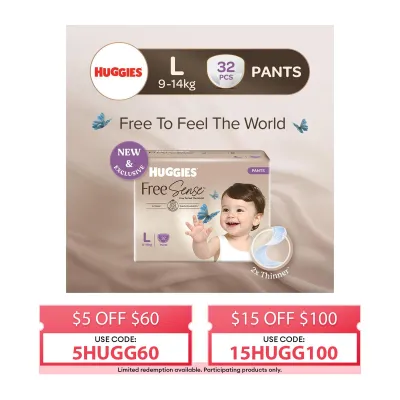
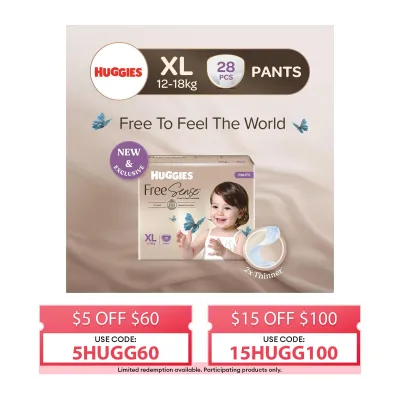
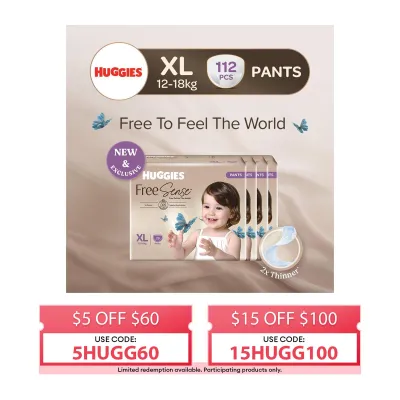
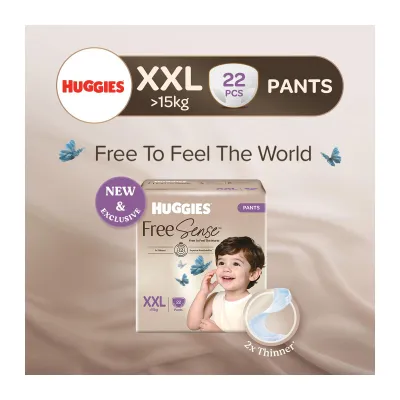
There is no single “best” diaper that fits every infant perfectly; the ideal choice depends on your baby’s unique body shape, skin sensitivity, and your household’s daily priorities. Huggies Free Sense is widely recognized for its secure, blowout-resistant fit and highly visible wetness indicator. Pampers is celebrated for its soft, skin-conditioning topsheet that helps maintain dry skin, while Merries is highly favored for its outstanding breathability and gentle, cloth-like texture.
Because newborns grow and change rapidly during their first few weeks, committing to bulk purchases immediately can lead to wasted stock. The most practical approach is to purchase a single, small pack of each brand to evaluate the fit, absorbency, and skin compatibility on your baby before buying in larger quantities.
Products mentioned in this guide
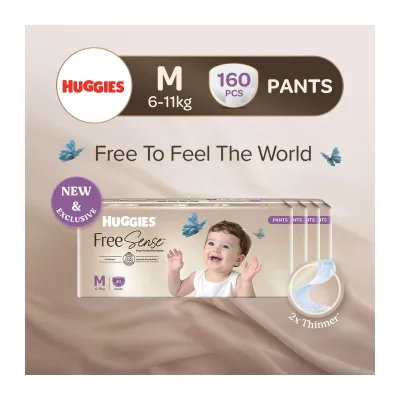
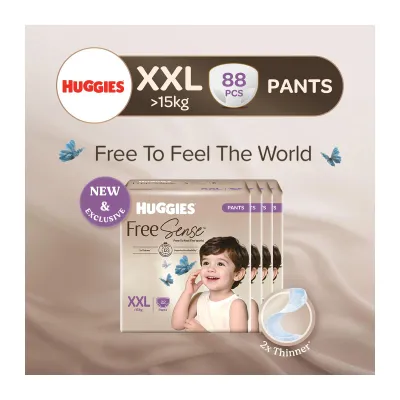
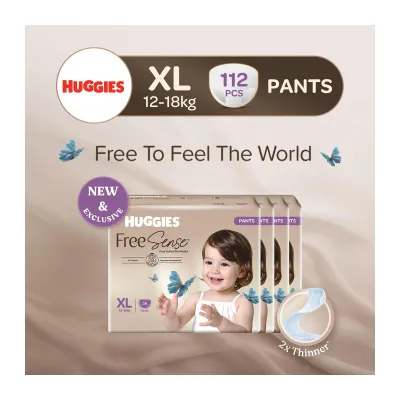
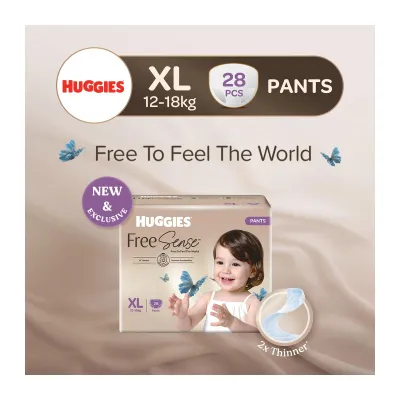
Prices are valid at publication and may change. Please refer to the product page for the latest price.
Absorbency and Leak Protection: Handling Newborn Messes
Newborn waste presents a unique challenge for any diaper because it is highly frequent, watery, and unpredictable. Rapid absorption is critical during the first few weeks of life because prolonged exposure to wetness can quickly break down the delicate infant skin barrier, leading to irritation, redness, or painful diaper rash. A high-performing diaper must not only draw liquid away from the surface instantly but also lock it securely within its inner core to prevent back-flow when the baby moves.
Huggies Free Sense addresses this demanding task with a specialized absorbent core design and robust leak guards. The core is engineered to quickly capture liquid and distribute it efficiently, reducing the risk of pooling. The outer cover features a clear, color-changing wetness indicator strip that transitions from yellow to blue, allowing new parents to identify exactly when a change is needed without having to unfasten the diaper or guess based on bulkiness.
Pampers utilizes a core technology designed to distribute moisture evenly across the diaper rather than letting it accumulate in a single spot. This even distribution helps prevent the diaper from sagging heavily between the baby’s thighs, which can pull the waistband down and cause gaps. By keeping the moisture spread thin and locked away, the inner topsheet remains relatively dry to the touch, minimizing the time wet material sits directly against your newborn’s skin.
Merries relies on an advanced absorbent polymer structure that rapidly locks in liquid while maintaining a thin, flexible profile. The polymers are highly efficient at trapping moisture, ensuring that the diaper does not become excessively bulky or heavy even when reaching its capacity. This helps preserve natural leg movement and ensures that the diaper remains comfortable and non-restrictive during sleep or quiet alert times.
To ensure these absorbency technologies perform as intended, caregivers must verify proper application during every change. Always run a finger around the leg cuffs after fastening the diaper to ensure the outer ruffles are pulled completely outward rather than tucked inside, as tucked cuffs are a primary cause of leg leaks. If you notice frequent leaks despite correct positioning and a snug application, it is typically an indication that your baby is ready to size up rather than a sign of a defective brand.
Softness and Skin Comfort: Protecting Delicate Newborn Skin
A newborn’s skin is incredibly fragile, measuring up to 30% thinner than adult skin, which makes it highly susceptible to friction, chafing, and contact dermatitis. The microclimate inside a diaper—characterized by high humidity and warmth—can exacerbate skin sensitivity if the materials are rough or lack adequate ventilation. Choosing a diaper with gentle, breathable materials is essential for maintaining skin integrity and preventing heat-related rashes.

Huggies Free Sense is designed with a soft inner lining that feels gentle against highly sensitive skin. The brand emphasizes breathable materials throughout the diaper’s outer cover, which allows air to circulate freely and helps dissipate heat and moisture buildup during long naps. This continuous airflow is particularly beneficial in warm, tropical climates where trapped heat can quickly lead to discomfort.
Pampers focuses heavily on the tactile softness of its inner topsheet, utilizing smooth materials designed to minimize friction against the skin during movement. Depending on the specific newborn variant available in your local store, the topsheet may incorporate mild skin-care elements or lotion-infused layers to help create a protective barrier on the skin; caregivers should check the packaging ingredients to verify compatibility if their baby has known sensitivities.
Merries is widely recognized for its “air-through” ventilation technology, featuring a textured, wavy inner sheet that minimizes direct skin contact. This wavy surface creates tiny air channels between the skin and the diaper, allowing moisture to escape easily while preventing the material from sticking to the baby’s bottom. Combined with an exceptionally soft, non-woven fabric that mimics the feel of fine cotton, this design is highly favored for minimizing redness and keeping skin dry.
Because every infant has a unique skin profile, parents should physically feel the inner lining of a diaper before use to assess its softness. Monitor your baby’s waistband and thigh areas closely after removal for any signs of friction marks, redness, or allergic reactions. If your baby shows signs of persistent skin irritation, stop using the diaper and consult a qualified healthcare professional to determine if a specialized hypoallergenic alternative is required.
Fit and Newborn Features: Umbilical Care and Leg Cuffs
Umbilical Cord Cut-Out and Waistband
During the first two to three weeks of life, a newborn’s healing umbilical cord stump must be kept clean, dry, and free from friction to prevent irritation or infection. A dedicated navel cut-out in Newborn (NB) sizes ensures that the diaper’s waistband dips below the belly button, keeping the sensitive stump exposed to the air.
While some diaper brands design their newborn sizes with a contoured front waistband specifically for umbilical care, other options feature a standard straight waistband. If the specific diaper pack you purchase does not have a built-in cut-out, you can easily accommodate the cord stump by folding down the front waistband outward before securing the adhesive tapes. This simple adjustment prevents the diaper edge from rubbing against the healing tissue.
Leg Cuffs and Body Contour
The elasticity and structure of the leg gathers and waistband dictate how well a diaper conforms to a baby’s movements. Huggies Free Sense is generally structured to provide a snug, secure fit around the thighs and waist, which is highly effective at containing explosive liquid stools and preventing back blowouts.
In contrast, Merries tends to offer a softer, slightly looser contour that prioritizes a gentle, non-restrictive feel, making it an excellent option for babies with rounder thighs or tummies. Pampers provides a balanced, flexible stretch that adapts well to a variety of body shapes, offering reliable security without feeling overly tight.
To verify a proper fit, you should be able to slide two fingers comfortably under the fastened waistband. After removing the diaper, inspect the skin around the thighs and waist; if you notice deep red marks or indentations, the diaper is either fastened too tightly or your baby has outgrown the current size and is ready for a larger fit.
At-a-Glance Comparison: Newborn Diaper Features
To help you compare these options quickly, the table below outlines the key features of each brand’s newborn tape diaper available in the local market.
| Brand/Model | Primary Strength | Wetness Indicator | Umbilical Cord Cut-Out | Key Breathability Feature |
|---|---|---|---|---|
| Huggies Free Sense (NB) | Snug, blowout-resistant fit | Yes, color-changing strip | Check packaging for contour | Breathable outer cover |
| Pampers (Premium Care / Baby Dry NB) | Moisture distribution and soft topsheet | Yes, color-changing strip | Check packaging for contour | Micro-pores for air circulation |
| Merries (Tape NB) | Exceptional softness and ventilation | Yes, color-changing strip | Check packaging for contour | Wavy "air-through" inner sheet |
Note: Product designs, features, and packaging specifications can update over time. Always verify the exact features, certifications, and design details on the current packaging in Singapore before purchasing.
Cost and Value: Buying Newborn Diapers in Singapore
When budgeting for diapering in Singapore, parents will find that pricing varies across distinct tiers based on brand positioning, pack sizes, and retail channels. Merries is typically positioned as a premium option, reflecting its imported Japanese heritage and specialized materials, whereas Huggies Free Sense and Pampers offer options ranging from mid-tier to premium depending on the specific product line.
Diapers can be purchased locally at major supermarkets, health and beauty pharmacies, and official brand stores on major e-commerce platforms. While buying in bulk online or during promotional events often yields a lower per-diaper cost, this strategy requires careful timing when dealing with newborn sizes.
A crucial warning for new parents: avoid hoarding large boxes of Newborn (NB) size diapers before your baby arrives. Newborns grow incredibly fast, and many outgrow the NB weight range—typically up to 5 kilograms—within just a few weeks.
A more practical approach is to purchase only one or two small packs of NB diapers initially. Once the baby is born and you can assess their actual birth weight and growth rate, you can easily transition to Size Small (S) or order more NB packs as needed without being left with unused, expensive inventory.
Final Verdict: How to Choose the Right Diaper for Your Baby
Choose Huggies Free Sense if: You prioritize a secure, snug fit that excels at preventing back blowouts, and you want a highly visible wetness indicator to help manage frequent diaper changes with confidence.
Choose Pampers if: Your baby has sensitive skin that benefits from a highly conditioning, soft topsheet designed to minimize friction while maintaining a dry surface.
Choose Merries if: Maximizing breathability is your primary goal—especially in Singapore’s hot and humid climate—and you prefer a softer, cloth-like, less restrictive fit that accommodates rounder legs.
Verify first if: Your baby develops persistent signs of diaper rash, redness, or contact dermatitis. If skin irritation does not improve with regular changes, proper ventilation, and barrier creams, stop using the current diaper, consult a pediatrician or qualified healthcare professional, and consider switching to specialized hypoallergenic or sensitive-skin diaper lines, regardless of the brand.
Frequently Asked Questions (FAQ)
How many newborn diapers do I need to buy for the first month?
Newborns typically require between 8 to 12 diaper changes per day, which translates to roughly 240 to 360 diapers in their first month. Because birth weights and growth rates vary widely, it is best to stock only one or two packs of Newborn (NB) size before birth, buying more only as your baby’s growth pattern becomes clear.
Can I mix different diaper brands for my newborn?
Yes, mixing different diaper brands is a highly practical and common strategy among parents. For example, you might use a highly breathable diaper like Merries during warm daytime hours to prevent heat rash, and switch to a snug, highly absorbent diaper like Huggies or Pampers for longer nighttime stretches to prevent leaks.
When should I switch from newborn (NB) to size small (S)?
While weight guidelines on the packaging provide a general reference, physical fit is the most reliable indicator for sizing up. You should switch to Size Small (S) if the diaper leaves deep red marks on your baby’s thighs or tummy, if the fastening tapes must be secured at the very edge of the waistband, or if you experience frequent leaks despite proper application.

Community discussion
Share your experience or ask a question. Comments are reviewed before publication.