
Choosing the right diaper pants for an active toddler in the XXL size range requires balancing reliable absorbency with a secure, comfortable fit. Huggies Dry Pants XXL are designed to address these needs through a combination of a highly absorbent core and a flexible waistband, but how they perform relative to other brands depends heavily on your child’s unique body shape, activity level, and wetting patterns. While some parents find that Huggies offers the ideal balance of leak protection and ease of movement, others may find that alternative brands with different cut proportions or leg cuff designs suit their toddler better. To make an informed decision, caregivers must evaluate specific design features, observe real-world performance signals, and understand how to compare sizing and cost-effectiveness across different options.
Evaluating Absorbency and Leak Protection
When comparing the absorbency of Huggies Dry Pants XXL against other toddler diaper pants, the first step is to examine the manufacturer’s specifications regarding core materials and layer distribution. Most modern diaper pants utilize a blend of superabsorbent polymers (SAP) and cellulose fibers to lock away moisture. Huggies often highlights its multi-layer distribution system, which is engineered to draw liquid away from the surface quickly and distribute it evenly throughout the core. When evaluating alternative brands, look at the packaging for details on their specific core technology, such as channel designs or specialized top sheets, which are intended to prevent clumping and sagging when wet.
Another key feature to check on the packaging is the presence and design of a wetness indicator. This visual aid, typically a line that changes color when exposed to moisture, helps caregivers determine when a change is needed without having to open the diaper. While highly convenient, the sensitivity and visibility of these indicators can vary between brands, so it is helpful to compare how clearly they register moisture during initial use.
Products mentioned in this guide
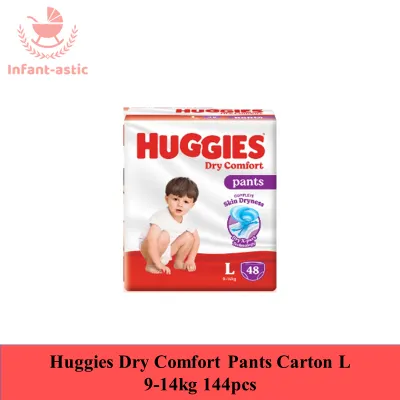
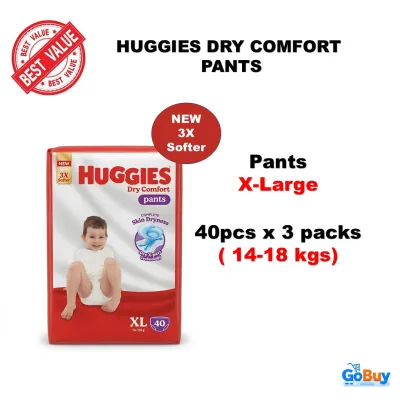
![HUGGIES DRY COMFORT BABY DIAPERS PANTS - SIZE M / L / XL / XXL [CARTON DEAL]](https://img.lazcdn.com/g/p/773795c89677c34e1ea4a52d28e17e2a.jpg_400x400q80.jpg_.webp)
![[CARTON SALES] HUGGIES Dry Comfort Pants - All Size Available (M/L/XL/XXL)](https://img.lazcdn.com/g/p/8916e32b3435ece40dee753c7c03dd5e.png_400x400q80.png_.webp)
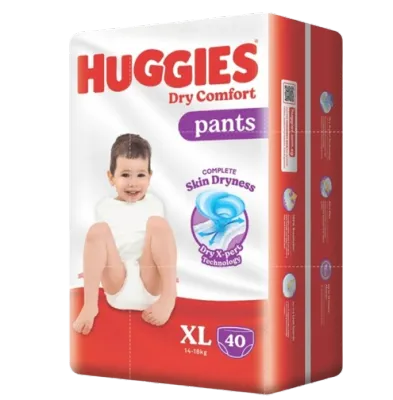
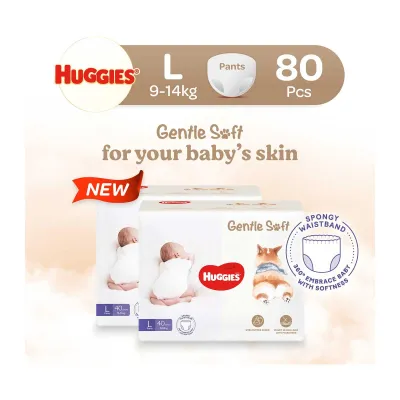
Prices are valid at publication and may change. Please refer to the product page for the latest price.
Real-world observation during a trial period is the most reliable way to assess how well a diaper handles your toddler’s specific wetting habits. Pay close attention to morning dryness after a full night of sleep, as this is often the ultimate test of a diaper’s capacity. Note whether the diaper sags excessively when full, which can pull the waistband down and create gaps, or if it maintains its structural integrity. Frequent leaks during heavy wetting periods, such as after large drinks, may indicate that the absorption rate cannot keep up with the flow, suggesting a need to try a brand with a different core structure.
Equally important to the absorbent core is the design of the leak guards, or leg cuffs, which provide the physical barrier against spills. Compare the physical placement, height, and elasticity of these guards across different diaper pants. Some brands feature double-layered leg cuffs that sit higher on the thigh, offering extra security for active toddlers who climb, run, and stretch. Ensure that the elastic is snug but gentle, as a gap in this area is a common cause of leaks, regardless of how absorbent the core material is.
Assessing Fit, Comfort, and Waistband Design
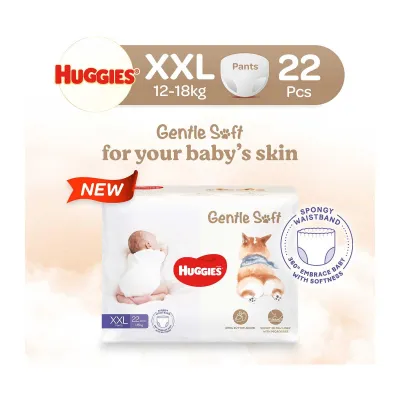
For an active toddler wearing XXL pants, the waistband design is critical for both comfort and leak prevention. Huggies Dry Pants XXL feature a highly elastic, pull-up waistband designed to mimic underwear while providing a secure hold. When comparing this to other brands, examine the waistband’s elasticity and softness by stretching it gently and feeling the inner texture. A high-quality waistband should stretch easily to accommodate a full belly after meals but retract securely to prevent the pants from slipping down during active play.

In Singapore’s warm and humid climate, breathability is another factor often highlighted on product labels, usually described as micro-pores or breathable outer covers that allow air to circulate while keeping moisture in. While you cannot easily measure airflow, you can observe your child’s skin for signs of heat retention or moisture buildup. If a diaper material lacks sufficient breathability, it can trap sweat and urine against the skin, potentially leading to irritation or redness.
Identifying observable signs of a poor fit is essential for preventing discomfort and skin issues. Check your toddler’s waist and thighs regularly after removing a diaper; deep red marks or indentations indicate that the elastic is too tight or the cut is too narrow for their build. Conversely, gaping at the legs or a waistband that sags even when the diaper is empty suggests that the size is too large or the cut is too generous. If your toddler frequently pulls at the diaper or shows restricted movement during play, the fit may be hindering their natural mobility.
The ease of application and removal is a practical consideration that varies significantly by brand design. Diaper pants are meant to simplify changes for active toddlers, allowing caregivers to pull them up quickly. For removal, most brands feature tear-away side seams. Evaluate how easily these seams tear during a change; they should rip smoothly under deliberate pressure from a caregiver but remain intact during vigorous play. Some brands also include a disposal tape on the back, which allows you to roll up and secure the soiled diaper neatly—a small but convenient feature worth checking when comparing options.
Navigating Sizing Standards and Cost Per Diaper
Sizing standards for toddler diaper pants are not universally identical across brands, meaning an XXL in Huggies Dry Pants may fit differently than an XXL from another manufacturer. Stated weight ranges on packaging are general guidelines rather than absolute rules. For instance, one brand’s XXL might cater to toddlers weighing 15 to 25 kilograms, while another might target a slightly different range. Furthermore, the physical cut—whether it is designed for a rounder belly or longer, leaner legs—can dramatically affect how the diaper sits on your child. Always cross-reference your toddler’s current weight and body shape with the specific brand’s sizing chart rather than relying solely on the letter size. Caregivers should verify the recommended development stage, weight range, and specific manufacturer warnings on the product documentation before purchasing, as suitability should never be inferred solely from the product name.
To evaluate the financial aspect of your choice, calculate the cost per diaper rather than comparing the overall price of a pack. Because pack sizes and diaper counts vary widely between brands and retailers, dividing the total retail price of the pack (for example, calculating the cost in S$ per diaper) by the number of diapers inside establishes a clear baseline for value. Keep in mind that while budget-friendly options may have a lower cost per diaper, they might require more frequent changes if their absorbency is lower, which can offset the initial savings. Balancing the unit cost with real-world performance is key to finding the most cost-effective solution.
When comparing brands, it is also important to check for dermatological testing claims or sensitive skin certifications printed on the packaging. While these labels indicate that the manufacturer has taken steps to minimize potential irritants, they do not guarantee that a specific child will not experience a reaction. If your toddler has highly sensitive skin, look for diaper pants that are free from added fragrances, elemental chlorine, and latex, and always monitor their skin closely when transitioning to a new brand.
Decision Framework: Choosing the Right Diaper Pants
To finalize your choice between Huggies Dry Pants XXL and alternative options, establish a conditional decision framework based on your toddler’s physical needs and daily routine. Consider choosing Huggies Dry Pants XXL if your child benefits from its specific waistband elasticity and you observe consistent dryness, minimal sagging, and excellent skin comfort during an initial trial period. This option is often well-suited for toddlers who require a secure, snug fit around the waist that moves naturally with their active play.
On the other hand, it may be wise to choose alternative brands if your toddler experiences fit issues such as thigh gaps, red marks from tight elastics, or if their weight-to-size ratio aligns better with a different manufacturer’s cut. Additionally, if your child shows signs of skin sensitivity or localized irritation after wearing Huggies, transitioning to a brand with different materials or specific hypoallergenic certifications is a prudent step. If skin irritation or diaper rash persists despite changing brands, stop use and consult a qualified healthcare professional for guidance.
Before making a permanent switch, verify whether your child is simply transitioning out of the XXL weight range entirely. If you are experiencing frequent leaks despite a proper fit, it may be a sign that your toddler is ready for a larger size or that it is time to begin the potty training process. Furthermore, if leaks occur exclusively overnight, consider whether specialized overnight diapers—which are engineered with higher absorbent capacities and reinforced barriers for extended wear—would be more appropriate than standard daytime diaper pants.
Frequently Asked Questions (FAQ)
When should I transition my toddler out of XXL diaper pants?
To determine when to transition your toddler out of XXL diaper pants, start by cross-referencing their current weight with the maximum weight limit printed on the diaper packaging. If your child is approaching or has exceeded this limit, it is generally time to look for a larger size or explore potty training options. However, physical signs of outgrowing the diaper are often more telling than weight guidelines alone. Look for frequent leaks that occur despite proper application, tight red marks around the waist or thighs, or a waistband that sits significantly below the hips. If the diaper pants are difficult to pull up or feel excessively tight during play, these are clear indicators that the current size no longer provides adequate coverage or comfort.
Why do diaper pants leak at night even if they are not fully saturated?
Nighttime leaks can occur even when the diaper’s absorbent core is not fully saturated, often due to fit and positioning issues rather than a lack of capacity. When putting on the diaper pants, ensure that the inner leg cuffs are fully pulled out and not tucked inward, as twisted or folded cuffs create direct pathways for moisture to escape. Active sleeping positions can also cause the diaper to shift, creating temporary gaps at the waistband or thighs where urine can bypass the absorbent material entirely. If your toddler sleeps on their stomach or side, gravity can cause liquid to pool in areas with less absorbent coverage before it can be distributed throughout the core. Adjusting the fit before bed or ensuring the waistband is pulled up high and snug can help minimize these gaps.

Community discussion
Share your experience or ask a question. Comments are reviewed before publication.