
Quick Answer: Is Huggies Black Label the Right Choice?
Choosing a premium diaper for your baby in Singapore involves balancing comfort, performance, and cost. The ideal premium diaper depends entirely on your baby’s unique body shape, skin sensitivity, and your household budget. While Huggies Black Label is positioned as a top-tier option with advanced features, parents must verify how it performs on their own baby through direct observation rather than relying solely on packaging descriptions.
Singapore’s humid climate makes breathability and fit critical to prevent diaper rash and discomfort. Before committing to bulk purchases, it is highly recommended to buy a small trial pack first. This allows you to test the fit and skin compatibility in real-world conditions without a significant financial commitment.
Understanding Premium Diaper Specifications
Navigating the world of premium diapers requires decoding various structural features and marketing terms. When evaluating Huggies Black Label and competing premium brands, start by reading the product packaging carefully. Look for information on material composition, dermatological testing claims, and manufacturing dates. In a humid environment, checking the manufacturing date is particularly useful, as prolonged storage in damp conditions can occasionally affect the diaper’s adhesive strips or wetness indicator sensitivity.
Products mentioned in this guide
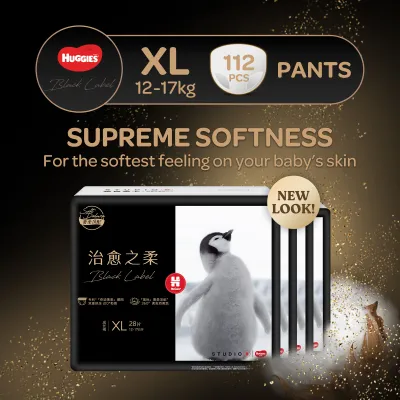
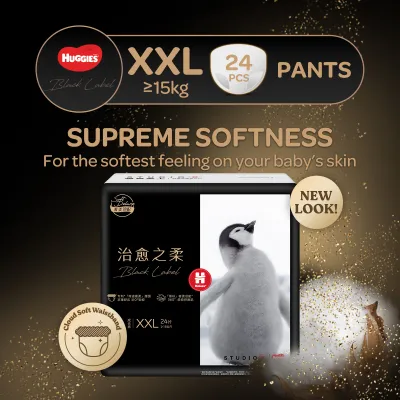
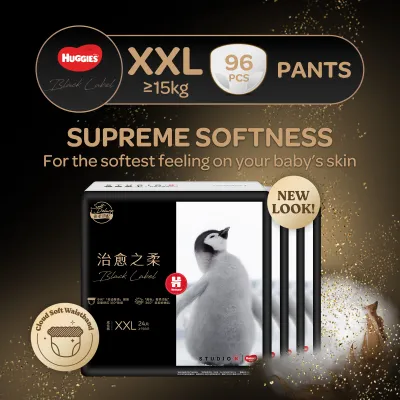
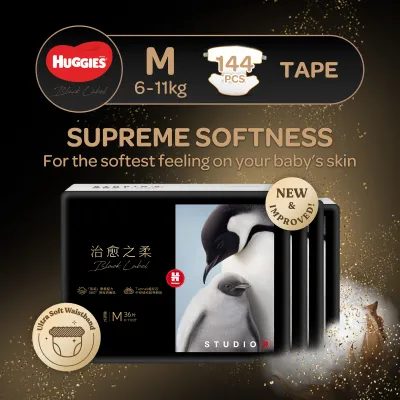
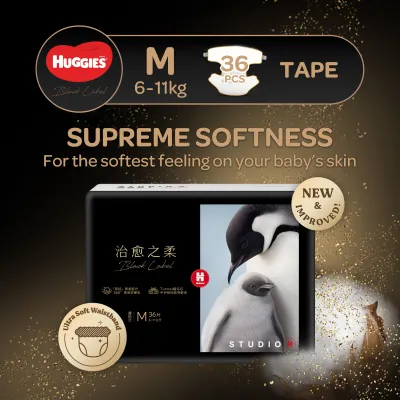
Prices are valid at publication and may change. Please refer to the product page for the latest price.

Terms like “ultra-soft,” “breathable,” or “advanced absorbency” are common manufacturer specifications. While they indicate a focus on quality, these terms are not standardized across brands and require physical verification. For instance, a diaper labeled as “breathable” should feel light and airy to the touch, allowing heat to dissipate rather than trapping moisture against your baby’s skin.
Parents should also look for visible structural elements that contribute to a diaper’s performance. Key features to inspect include the elasticity of the waistband, the design of the leg cuffs, and the presence of a clear wetness indicator. A high-quality waistband should stretch easily and recover its shape, while double-layered leg cuffs help contain messes without digging into soft skin.
Observable Dimensions for Comparing Diapers
To objectively compare Huggies Black Label against other premium brands, you can use a practical checklist based on real-world observations. Monitoring these four dimensions will help you determine which diaper suits your baby’s daily routine.
Fit and Sizing
While diaper packaging provides weight guidelines, these ranges often overlap and do not account for different body proportions. A baby with chubby thighs may require a larger size than a leaner baby of the exact same weight. When fitting the diaper, ensure you can comfortably slide two fingers under the waistband. Check the leg cuffs to ensure they flare outward rather than tucking inward, which helps prevent leaks while avoiding tight red marks on the skin.
Moisture Management
Effective moisture management is essential for keeping your baby comfortable, especially during long sleep stretches. Use the wetness indicator as a visual guide, but also perform a physical check. After typical usage intervals of three to four hours, gently touch the inner lining of a used diaper; it should feel dry to the touch. Observe whether the absorbent core clumps together or sags excessively when wet, as this can cause discomfort and restrict your baby’s movement.
Skin Compatibility
Every baby’s skin reacts differently to diaper materials and construction. Monitor your baby’s diaper area closely for any visual signs of irritation, such as redness, chafing, or heat rash. In Singapore’s warm climate, sweat can easily accumulate under tight waistbands or leg cuffs. If you notice persistent redness or irritation that does not resolve with regular diaper changes and barrier creams, discontinue use of that specific brand and consult a pediatrician.
Mobility
An active baby needs a diaper that moves with them during crawling, walking, or play. Observe the diaper’s flexibility when your baby bends or sits. The waistband should stretch smoothly without gaping at the back, which can lead to blowouts. If the diaper appears stiff or restricts your baby’s natural movements, it may be worth exploring alternative brands with more flexible materials.
Evaluating Cost and Purchasing Value
Evaluating the financial value of premium diapers involves looking beyond the initial price tag on the shelf. To find the true cost, calculate the price per diaper by dividing the total pack price by the exact diaper count inside. For example, a pack costing S$30 containing 50 diapers results in a unit cost of S$0.60 per diaper. This unit cost allows for an accurate comparison between Huggies Black Label and other premium options.
Your monthly diaper budget will naturally fluctuate as your baby grows. Newborns require more frequent changes, often up to ten to twelve times a day, which can quickly add up. As babies grow older, the frequency of changes decreases, but the cost per diaper typically increases with larger sizes. Balancing daytime and nighttime diaper choices can be an effective way to manage these ongoing expenses.
To ensure product authenticity and quality, purchase diapers only from authorized online retailers, official brand stores, or established physical pharmacies. Avoid purchasing from unauthorized parallel importers or unverified third-party sellers on online marketplaces. Diapers stored in sub-optimal, humid conditions before sale may suffer from degraded adhesives or compromised absorbent materials, which can lead to poor performance.
Decision Framework: Which Diaper Should You Choose?
To finalize your purchasing decision, use this condition-based framework to match your baby’s needs with the right diaper option.
- Choose Huggies Black Label if: Your baby shows no signs of skin irritation, the diaper fit successfully prevents leaks without leaving deep red marks on the thighs, and the calculated cost per diaper fits comfortably within your household budget.
- Choose an Alternative Premium Brand if: You observe persistent fit issues, the waistband restricts your baby's active movements, or another brand's specific sizing cut better matches your baby's current physical proportions.
- Verify First if: Your baby has a known history of skin sensitivities or eczema. Always test a small pack first and monitor the skin closely before transitioning fully to a new premium diaper line.
- Stop and Seek Professional Advice if: You notice severe diaper rash, signs of allergic reactions, or persistent leakage despite using the correct size and maintaining a frequent changing schedule.
Frequently Asked Questions (FAQ)
How do I know if a premium diaper is the correct size for my baby?
To verify the fit, check that there are no visible gaps around the leg cuffs where leaks could occur. The waistband should sit comfortably around your baby’s waist, allowing you to slide two fingers flat underneath without resistance. Additionally, look for any red marks or indentations on your baby’s thighs or waist after removing the diaper; these are clear indicators that the diaper is too tight and it is time to transition to the next size up.
Can I mix different diaper brands for daytime and nighttime use?
Yes, mixing diaper brands is a common and practical strategy for many parents. You can prioritize a highly absorbent, premium diaper like Huggies Black Label for overnight use to support uninterrupted sleep, while utilizing a more cost-effective diaper for frequent daytime changes. If you choose this approach, monitor your baby’s skin closely to ensure they do not experience irritation from switching between different materials and fits throughout the day.

Community discussion
Share your experience or ask a question. Comments are reviewed before publication.