
Finding the right disposable nappy in Singapore’s hot and humid climate requires balancing high absorbency, a secure fit, and exceptional breathability. With numerous options lining supermarket shelves and online marketplaces, parents must look beyond brand names to evaluate how a nappy performs under local conditions. A successful choice keeps your baby dry through humid afternoons and long overnight stretches while preventing friction and skin irritation. As your baby transitions from a quiet newborn to an active toddler, their diapering needs will shift, making regular reassessments of your chosen brand essential. By understanding the core engineering of modern nappies, you can systematically compare brands to find the ideal match for your baby’s unique shape and developmental stage.
Core Metrics for Evaluating Disposable Nappies
To make an objective comparison between different nappy brands, you must first establish a clear set of evaluation criteria. The three primary pillars of nappy performance are absorbency, fit, and comfort, each of which relies on distinct design elements. Absorbency is determined by the core structure, which typically utilizes superabsorbent polymers (SAP) mixed with wood pulp or arranged in specialized channels. These polymers are designed to absorb many times their weight in liquid, locking it away in a gel form to keep the surface dry.
Fit mechanics rely on the elasticity of the waistband and leg cuffs, which must provide enough tension to prevent leaks without restricting movement or causing discomfort. A well-designed nappy accommodates your baby’s natural movements, expanding and contracting as they breathe and play. Finally, comfort is indicated by the softness of the inner lining and the breathability of the outer cover, which are critical for maintaining skin health in warm climates. Evaluating these features systematically allows you to look past marketing claims and assess how a product will actually perform on your baby.
Products mentioned in this guide
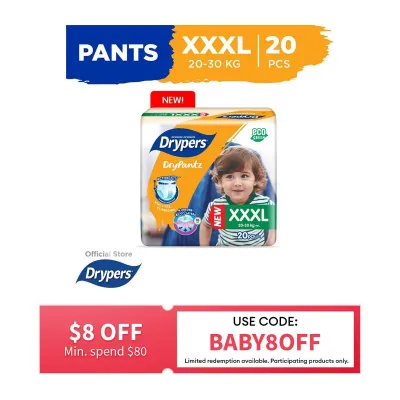
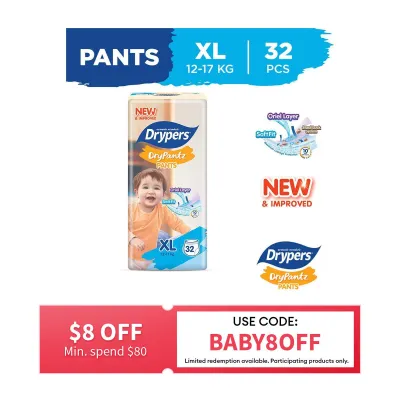
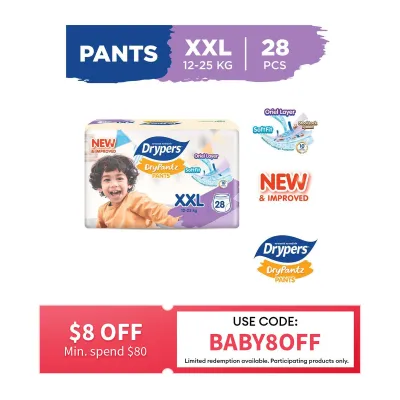
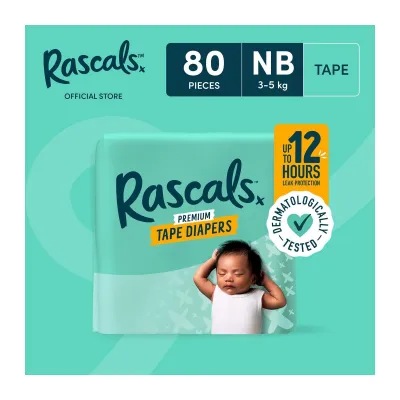
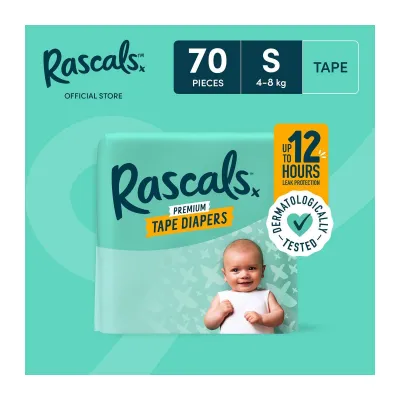
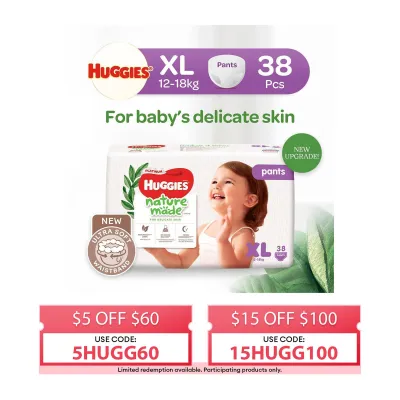

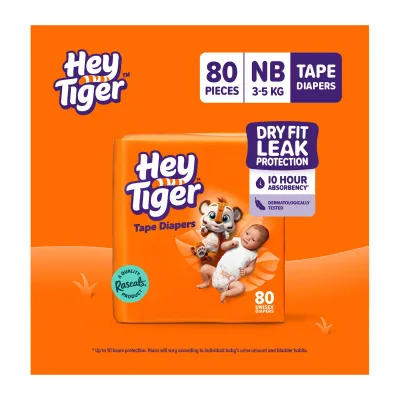
Prices are valid at publication and may change. Please refer to the product page for the latest price.
Assessing Absorbency and Leak Protection
A nappy’s primary job is to manage moisture efficiently, especially during long sleep stretches or active play. When comparing brands, examine the distribution of the superabsorbent core. High-quality nappies feature advanced channel designs that distribute liquid evenly across the entire core rather than letting it pool in one spot. This prevents the nappy from sagging and clumping, which can restrict your baby’s movement and lead to premature leaks.

Beyond the core, the height and flexibility of the leg-guard barriers play a crucial role in leak protection. These inner cuffs should stand upright and hug your baby’s thighs gently, acting as a secondary wall against sudden blowouts during active crawling or rolling. When putting a nappy on, always ensure these barriers are flared outward rather than tucked inward, as tucked cuffs are a common cause of unexpected leaks.
To monitor capacity without constantly opening the nappy, look for a reliable wetness indicator strip on the outside. This strip changes color as moisture is absorbed, providing a quick visual cue for caregivers. However, remember that an indicator is a guide; you should also feel the weight and bulk of the nappy to determine if it has reached its limit.
Evaluating Fit, Sizing, and Flexibility
A nappy can have excellent absorbency, but if the fit is incorrect, leaks and discomfort are inevitable. Because babies grow and change shape rapidly, you must match the nappy’s cut and elasticity to your baby’s specific mobility stage. For active crawlers and walkers, look for wide, stretchy waistbands and durable fastening tabs that can withstand constant twisting and bending without loosening. The waistband should also accommodate abdominal expansion after feedings to prevent digestion discomfort.
Leg cuff design is another critical factor, particularly for babies with chunkier thighs. The elastic around the legs must be soft and highly pliable to accommodate movement without digging into the skin. If you notice deep red marks after a few hours of wear, the elastic tension may be too high, or the cut may be too narrow for your baby’s build.
It is also important to adjust your sizing expectations when switching between manufacturers. Sizing guidelines based on weight are helpful starting points, but cuts vary significantly between brands. A size medium in one brand might fit snugly, while the same size in another brand might leave gaps around the waist or legs. Always check the manufacturer’s specific sizing chart and be prepared to transition to a larger size if you experience frequent leaks or notice the fastening tabs sitting too far apart.
Checking Comfort and Skin Sensitivity Factors
In Singapore’s tropical climate, skin sensitivity is a major concern for parents. High humidity and heat can trap moisture against a baby’s delicate skin, increasing the risk of diaper rash. To minimize this risk, feel the texture of the inner lining before committing to a brand. The material should feel silky and smooth to the touch, with no rough edges or stiff seams that could rub against your baby’s skin.
Breathability is equally essential for temperature regulation and moisture control. Look for nappies with micro-porous outer covers that allow hot air and moisture vapor to escape while keeping liquid locked inside. You can often identify a breathable cover by its soft, fabric-like feel rather than a plastic-like texture. A breathable outer layer helps keep the diaper area cool, reducing the likelihood of heat rash during outdoor activities.
Additionally, carefully verify the manufacturer’s labels for ingredient disclosures. If your baby has sensitive skin or a history of eczema, look for nappies that explicitly claim to be fragrance-free, lotion-free, and elemental chlorine-free. Avoiding unnecessary chemicals and additives reduces the likelihood of contact dermatitis, helping to keep your baby’s skin clear and healthy.
Decision Framework: Choosing the Right Nappy
Selecting the right nappy is not about finding a single universal winner, but rather matching a product’s specific strengths to your baby’s daily routine. For overnight use or heavy wetters, prioritize nappies designed with enhanced, high-capacity absorbent cores. These specialized nighttime options are engineered to lock away multiple wettings over ten to twelve hours, helping your baby sleep through the night without waking from dampness.
During the day, especially as your baby becomes more active, shift your focus to flexibility and contouring. A highly flexible nappy with a 360-degree stretchy waistband allows your baby to crawl, climb, and walk without restriction. These active-fit designs move with your baby’s body, reducing the risk of gaps forming during vigorous play or during long stroller walks in the park.
If your baby has highly sensitive skin or is prone to frequent diaper rash, prioritize dermatologically tested options with hypoallergenic labels. Always monitor your baby’s skin closely when introducing a new brand. If persistent redness, irritation, or a rash develops, stop using the product immediately and consult a pediatrician or qualified healthcare professional for guidance.
Calculating Value and Cost-Per-Nappy
Managing diapering expenses requires looking beyond the shelf price of a single pack. To evaluate the true financial impact, always calculate the cost per piece by dividing the total price of the pack by the number of nappies inside. This allows you to make accurate comparisons between different pack sizes and brands, as larger bulk packs or carton deals often offer a lower cost per unit.
You can also balance premium features with your budget by adopting a mixed diapering strategy. Consider using standard, budget-friendly nappies during the day when changes are frequent, and reserving premium, high-absorbency nappies for overnight use or long outings. This approach ensures your baby remains comfortable when it matters most while keeping overall household costs manageable.
Before committing to a bulk purchase of a new brand, utilize trial packs or sample requests. Many official brand stores and online marketplaces offer small travel packs or single-sample redemptions. Testing a small quantity first allows you to verify the fit, absorbency, and skin compatibility on your baby without risking the cost of a full carton.
Frequently Asked Questions (FAQ)
How often should I change a highly absorbent nappy?
Even if a nappy has a high absorbency capacity, it should still be changed regularly to maintain proper hygiene and skin health. As a general rule, newborn nappies should be changed every two to three hours, while older babies can go slightly longer. You should change the nappy immediately after every bowel movement, regardless of how recently it was put on. Leaving a wet or soiled nappy on for too long exposes your baby’s skin to ammonia and moisture, which can quickly lead to irritation and diaper rash.
Can I use a larger nappy size for better overnight absorbency?
Sizing up for overnight use is a common strategy, but it must be done with caution. While a larger nappy contains more absorbent material and can hold more fluid, it also features larger leg openings and a wider waist. If the nappy is too loose, liquid will escape through the gaps before the core has a chance to absorb it. Before sizing up, check the manufacturer’s weight guidelines to ensure your baby is near the lower limit of the next size, or consider using a dedicated overnight nappy line designed specifically for high-capacity absorption.
What should I do if a nappy leaves red marks on my baby's legs?
If you notice red marks on your baby’s legs, first determine if they are temporary elastic impressions or signs of friction and irritation. Light, temporary marks that fade quickly are normal, similar to the marks left by socks. However, if the marks are deep, persistent, or accompanied by broken skin, the nappy is likely too tight or the cut is incorrect. Try adjusting the fastening tabs to a looser setting, ensuring the leg cuffs are pulled outward rather than tucked in, or switching to a larger size or a brand with a wider, softer leg elastic. If the irritation persists or causes distress, consult a pediatrician.

Community discussion
Share your experience or ask a question. Comments are reviewed before publication.