
Keeping reusable nursing pads clean and hygienic is essential for protecting your skin and ensuring your baby’s feeding safety. Because breast milk contains fats, proteins, and sugars, used pads can quickly become breeding grounds for bacteria and mold if left damp or unwashed. Maintaining these pads involves timely changing, proper pre-wash storage, thorough washing with mild detergents, and complete drying to keep the absorbent layers functional and sanitary. By establishing a consistent care routine, you can extend the lifespan of your pads, protect your skin barrier, and maintain a clean environment for your breastfeeding journey.
Pre-Wash Handling: Storing Used Pads Safely
To maintain optimal hygiene, you should change your reusable nursing pads as soon as they feel damp. Leaving a wet pad against your skin for extended periods creates a warm, moist environment that encourages bacterial and fungal growth, which can lead to skin irritation or conditions like thrush. Instead of waiting for a set time of day, check your pads regularly throughout the day and swap them out immediately after let-downs or whenever you notice any moisture. This proactive approach is especially important during the early weeks of breastfeeding when milk supply is adjusting and leakage is often more frequent and unpredictable.
Once removed, storing your soiled pads correctly before laundry day is crucial for preventing mildew and keeping stains from setting. A small, waterproof wet bag with a zipper is an excellent temporary storage solution, especially when you are on the go, at work, or traveling. The waterproof lining keeps moisture contained, while the zippered closure prevents odors from escaping. If you are at home, you can use a small, breathable mesh basket or a dedicated laundry bin that allows air circulation, which helps prevent the trapped moisture from souring and reduces the risk of mold development. Avoid leaving damp pads crumpled up in a dark, unventilated space, as this accelerates bacterial growth.
Products mentioned in this guide
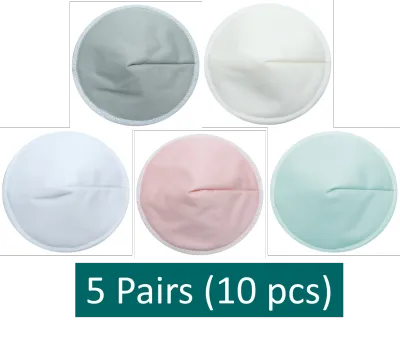
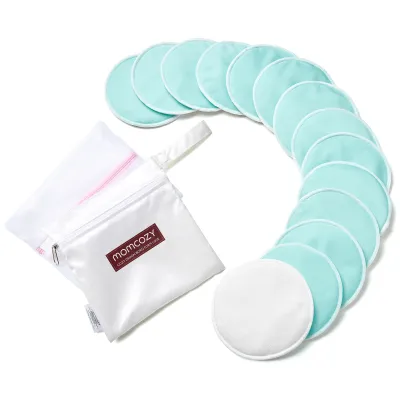
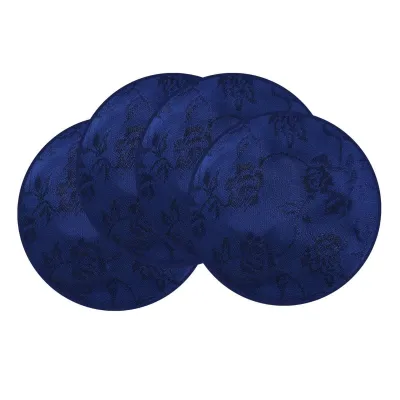
Prices are valid at publication and may change. Please refer to the product page for the latest price.
Keeping your soiled nursing pads separate from your household’s general laundry is a key step in preventing cross-contamination. Breast milk residue can transfer odors or bacteria to other fabrics, and rough items like jeans, towels, or velcro fasteners can damage the delicate fabrics of your pads. Designate a specific wash bag or container solely for your nursing pads and baby items to keep your laundry routine organized and hygienic. This separation also ensures that you can easily locate all your pads when it is time to run a dedicated load of delicate items, preventing them from getting lost in larger piles of household laundry.
Step-by-Step Washing Routine for Machine and Hand Wash
Before tossing your nursing pads into the wash, a quick pre-treatment can make a significant difference in removing stubborn milk stains and preventing yellowing. Rinse the used pads under cold running water as soon as possible to flush out excess milk proteins. Avoid using hot water during this initial rinse, as heat can bind the proteins to the fabric fibers, making the stains much harder to remove later. If a stain has already begun to set, gently rub a small drop of mild liquid detergent into the fabric with your fingers before washing, allowing it to penetrate the fibers.

For machine washing, always place your reusable nursing pads inside a zippered mesh laundry bag. This simple step prevents the small pads from getting lost in the washing machine drum, slipping into the water pump filter, or getting tangled with larger garments. It also protects the delicate outer layers and stitching from friction against other clothes. Select a gentle or delicate cycle on your washing machine to preserve the structural integrity of the pads over multiple washes, and avoid high-spin cycles that can warp the shape of the pads.
When choosing a detergent, opt for a mild, fragrance-free liquid detergent, preferably one formulated for sensitive skin or baby laundry. Avoid using fabric softeners, bleach, or detergents with optical brighteners, as these additives leave a chemical residue on the fabric. This residue can drastically reduce the absorbency of the pads over time by coating the fibers, and it may cause skin irritation for both you and your baby. Check the manufacturer’s care label to verify the recommended water temperature, which is typically cool or warm, as excessively hot water can degrade the waterproof backing of laminated pads.
If you prefer hand washing, or if you are caring for delicate materials like organic bamboo or silk, fill a clean basin with cool or lukewarm water and add a small amount of mild detergent. Submerge the pads and gently agitate them with your hands, squeezing the soapy water through the layers without twisting, wringing, or scrubbing the fabric aggressively. Rinse the pads thoroughly under running water several times until the water runs completely clear and free of soap bubbles, as residual detergent can irritate sensitive breast tissue and compromise the absorbency of the pad.
Drying Methods to Prevent Mold and Odors
Ensuring your nursing pads are completely dry is the most critical step in preventing mold, mildew, and sour odors. In humid climates, air drying requires a well-ventilated indoor space or a shaded outdoor area with good air circulation. You can hang the pads on a drying rack or lay them flat on a clean, dry towel. While a brief period in gentle sunlight can help naturally sanitize fabrics, avoid leaving your pads in direct, intense sunlight for prolonged periods, as extreme heat and UV rays can break down the waterproof polyurethane laminate (PUL) backing found on many reusable pads. If drying indoors during rainy periods, using a standing fan or placing the drying rack near a dehumidifier can significantly speed up the process and prevent a musty smell from developing.
If you prefer to use a tumble dryer, you must consult the manufacturer’s care instructions first. Some reusable pads can tolerate a low-heat or air-dry setting, while others must never be tumble dried because the heat can warp the waterproof barrier, melt synthetic fibers, or shrink natural materials. If tumble drying is permitted, keep the pads inside their mesh laundry bag to protect them from high friction and static electricity during the cycle, and avoid using dryer sheets which can leave absorbency-reducing residues on the fabric surface.
Before storing your clean nursing pads in a drawer or container, you must verify that the inner absorbent core is entirely dry. Because these pads are designed with multiple thick layers, the outer fabric may feel dry to the touch while the inner core remains damp. Gently squeeze the center of each pad and feel for any coolness or heaviness; if you suspect any residual moisture, allow them to dry for several more hours. Storing even slightly damp pads in an enclosed space can lead to rapid mold growth, rendering them unsafe for use against your skin.
Inspecting Your Pads: When to Keep and When to Replace
Establishing a regular inspection routine during your laundry process helps ensure that every pad you use is still performing effectively and safely. After each wash, perform a quick visual and tactile check of your nursing pads. Look for any signs of thinning fabric, loose stitching along the borders, or peeling of the waterproof backing. Feel the texture of the pads; if they have become excessively stiff, rough, or heavily pilled, they may cause discomfort or chafing against sensitive skin, especially during the early stages of breastfeeding when nipples are more sensitive.
You can also perform a simple absorbency test if you suspect a pad is no longer performing well. Place the dry pad on a flat surface and drop a few drops of water onto the center. If the water pools on the surface or takes a long time to sink in, the fabric fibers may be clogged with detergent residue or fabric softener, or the material may simply be worn out. If the water absorbs instantly, the pad is still highly functional and safe to use.
The lifespan of reusable nursing pads depends heavily on their material composition and how frequently they are washed. Pads made from natural fibers like organic cotton or bamboo tend to soften over time but may eventually experience fiber breakdown after dozens of wash cycles, leading to thinning and reduced capacity. Synthetic materials like polyester microfiber often retain their shape well but can accumulate mineral or detergent buildup that reduces their overall absorbency. On average, a high-quality set of pads can last for several months of continuous use, but individual wear will vary based on your laundry habits and the size of your rotation.
There are several clear, irreversible damage signals that indicate a nursing pad must be disposed of immediately. If you notice any black or grey spots that resemble mold or mildew, discard the pad right away, as these spores cannot be safely removed from the deep inner layers and pose a health risk to both you and your baby. Additionally, if a pad consistently leaks despite being freshly changed, or if the waterproof backing has cracked, peeled, or separated from the fabric, it can no longer perform its primary function and should be replaced to prevent leaks and maintain hygiene.
Troubleshooting Stains, Odors, and Fabric Wear
Over weeks of continuous use, reusable nursing pads may develop yellow stains from milk proteins and fats. To lift these stains safely without resorting to harsh chlorine bleach—which can damage fabric fibers and irritate baby’s skin—try a gentle oxygen-based stain remover or make a paste using baking soda and water. Apply the paste directly to the stain, let it sit for about fifteen minutes, and then rinse thoroughly with cold water before washing as usual. This method is gentle on the fabric while effectively breaking down organic residues.
If your pads develop a persistent sour milk odor that regular washing does not resolve, you can use a diluted white vinegar soak to neutralize the smell. Mix one part distilled white vinegar with four parts cool water in a clean basin, and submerge the clean pads for fifteen to thirty minutes. Vinegar helps break down residual milk fats and detergent buildup; however, use this method sparingly, as frequent exposure to acid can degrade the elastic edges or waterproof laminates over time. Always wash the pads normally after a vinegar soak to remove any lingering vinegar scent.
If your pads have lost their absorbency due to detergent buildup, you can “strip” them by washing them in warm water without any detergent or soap. Run them through a full cycle with an extra rinse to flush out any trapped residues. To manage fabric stiffness and pilling, which can make the pads uncomfortable to wear, try gently massaging the dry pads with your hands to loosen the fibers. If pilling occurs on cotton or bamboo surfaces, you can use a fabric shaver carefully to remove the small lint balls, taking care not to cut into the main fabric layers. If the pads remain rough and stiff despite these efforts, it is usually a sign of mineral buildup from hard water, indicating they may need to be replaced soon to maintain comfort against sensitive skin.
Frequently Asked Questions (FAQ)
Can I wash reusable nursing pads with my baby's clothes?
Yes, you can wash reusable nursing pads alongside your baby’s clothing, provided you use a mild, fragrance-free detergent suitable for infant skin. To keep the laundry organized and protect the small pads from getting tangled or lost in the wash, always place them inside a zippered mesh laundry bag before starting the cycle. Ensure that any baby clothes washed in the same load do not have exposed velcro fasteners or sharp zippers that could snag the delicate fabric of the pads.
How many reusable nursing pads do I need for a full breastfeeding journey?
The number of reusable nursing pads you need depends on your daily milk leakage and how often you plan to do laundry. For a comfortable routine, a collection of 8 to 12 pairs (16 to 24 individual pads) is generally recommended. This quantity ensures you have enough clean pads to change them multiple times a day while allowing sufficient time for washed pads to dry completely, especially during humid weather when air drying takes longer.
Are reusable nursing pads safe for sensitive skin?
Reusable nursing pads are generally safe and highly comfortable for sensitive skin, provided they are made from breathable, natural fibers like organic cotton or bamboo. To prevent skin irritation, it is essential to use a hypoallergenic, fragrance-free detergent and ensure the pads are rinsed thoroughly to remove all soap residues. Additionally, changing the pads as soon as they become damp and verifying they are completely dry before wearing them will protect your skin barrier from moisture-related irritation.

Community discussion
Share your experience or ask a question. Comments are reviewed before publication.