
Choosing the right nursing pad in Singapore’s year-round tropical climate requires balancing daily comfort, skin health, and practical lifestyle needs. The constant high humidity and heat make moisture management a primary concern for breastfeeding mothers. There is no single option that suits every mother perfectly; instead, the ideal choice depends on whether you prioritize maximum convenience and sterile hygiene or long-term cost savings and eco-friendly, breathable fabrics.
In Singapore’s warm climate, preventing moisture buildup is critical to avoiding skin irritation, chafing, and fungal infections. This means that frequent changes and high breathability are essential regardless of the type of pad you select. Understanding how different materials perform under humid conditions will help you make an informed decision that keeps you dry and comfortable.
Disposable vs Reusable Nursing Pads: Material and Design Breakdown
Understanding the construction of nursing pads helps clarify how they handle milk flow and moisture in a tropical environment. Both disposable and reusable options use distinct material layers to balance absorption and leak protection.
Products mentioned in this guide
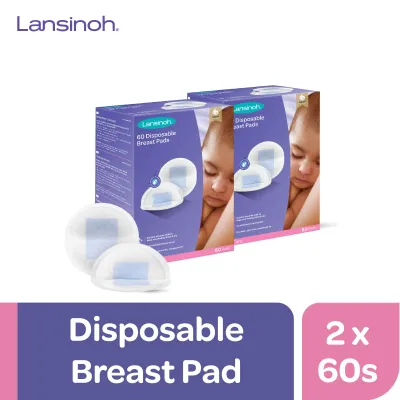
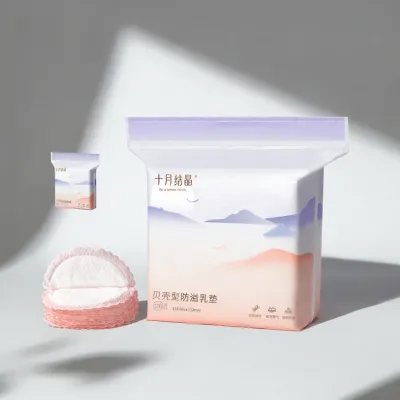
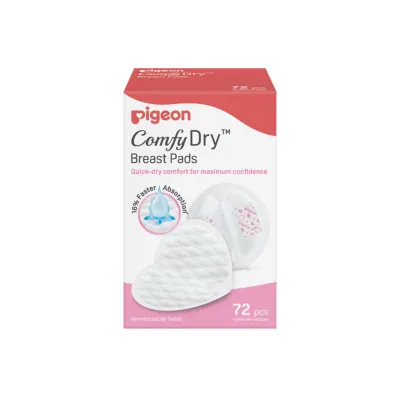
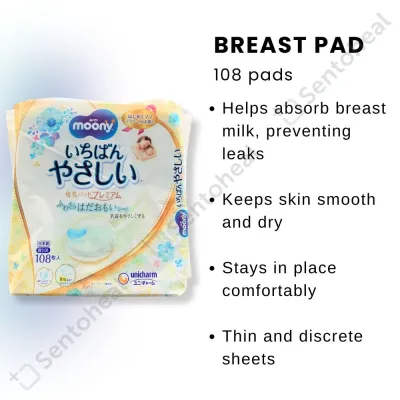
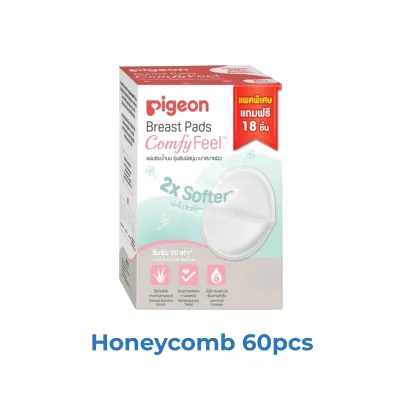
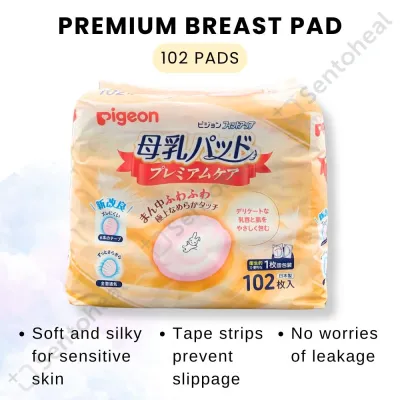
Prices are valid at publication and may change. Please refer to the product page for the latest price.
Disposable Nursing Pads
Disposable nursing pads are single-use items engineered for rapid moisture absorption and convenience. They typically feature a multi-layered design starting with a soft, non-woven topsheet that sits directly against the skin to draw wetness away.
Beneath this topsheet lies an absorbent core, which commonly utilizes wood pulp combined with superabsorbent polymers (SAP). SAP is highly efficient at turning liquid milk into a stable gel, keeping the surface dry even during heavy let-downs.
The outermost layer is a leak-proof backing, often made of a thin plastic film or a water-resistant laminate designed to protect clothing. While this design is highly effective at preventing leaks and maintaining a sterile environment, these pads are discarded after a single use, which generates continuous household waste and requires ongoing purchases.
Reusable Nursing Pads
Washable nursing pads rely on natural and synthetic fabrics to absorb milk and protect clothing. The inner layer, which rests against the breast, is typically made from soft, natural fibers such as bamboo, organic cotton, or hemp.
These materials are chosen for their gentle texture on sensitive skin and their natural breathability, which allows air to circulate more freely than synthetic disposables. Inside, multiple layers of these same absorbent fabrics are stitched together to hold moisture.
To prevent wetness from seeping through to brassieres and clothing, reusables feature an outer waterproof backing, most commonly made of polyurethane laminate (PUL). Because these pads are designed to be washed and reused hundreds of times, they require a commitment to regular laundry and thorough drying—a task that demands extra attention in Singapore’s high-humidity environment.
Comparing Performance in a Hot and Humid Climate
Evaluating how each pad type performs across key dimensions like breathability, absorbency, and hygiene is essential for maintaining skin health in tropical weather.

Breathability and Skin Comfort
Singapore’s tropical weather causes frequent sweating, which can exacerbate the discomfort of wearing nursing pads. Natural fibers like bamboo and cotton used in reusable pads are inherently more breathable than the synthetic plastics often found in disposables. This breathability helps lower the temperature within the bra cup and allows sweat to evaporate, reducing the risk of heat rash and friction-induced chafing.
Conversely, some disposable pads with dense, non-breathable plastic backings can trap body heat and humidity, creating a sauna-like environment against the skin. If you prefer disposables, it is highly beneficial to look for products specifically labeled with breathable outer membranes to mitigate this issue. Ultimately, any pad that traps moisture against the skin for extended periods will cause irritation, making airflow a key factor for daily comfort.
Absorbency and Leak Protection
Managing sudden milk let-downs, especially during the early weeks of breastfeeding when milk supply is still regulating, requires reliable absorbency. Disposable nursing pads excel in this category due to the presence of superabsorbent polymers. These polymers lock liquid away in a gel form, preventing the milk from pooling or leaking back onto the skin. This keeps the skin feeling dry even when the pad has absorbed a significant volume of milk.
Reusable pads, on the other hand, rely entirely on the physical density and thickness of their fabric layers to hold liquid. While bamboo and hemp are highly absorbent natural fibers, they do not lock moisture away chemically; once they reach capacity, they will feel damp against the skin. For heavy let-downs or overnight use, you must carefully check the manufacturer’s specifications regarding layer count and thickness, as lighter reusable pads may saturate quickly and require immediate replacement to prevent leaks.
Hygiene and Infection Risk
The warm, damp environment created inside a nursing bra in a tropical climate is highly conducive to the growth of bacteria and fungi, particularly Candida albicans, the organism responsible for nipple thrush. Disposable nursing pads offer a significant hygienic advantage because they provide a fresh, sterile surface with every change, eliminating the risk of recycling pathogens.
Reusable nursing pads can be safe and hygienic, but they carry a higher risk of bacterial or fungal colonization if they are not cleaned and dried correctly. In Singapore’s humid air, line-drying reusable pads indoors can take upwards of 24 to 48 hours, leaving them damp for long periods and allowing mildew or bacteria to establish. To ensure safety, reusable pads must be washed thoroughly—ideally in hot water—and dried completely using a mechanical clothes dryer or ironed on a high heat setting to eradicate any lingering spores before they are stored or worn again.
Cost, Convenience, and Environmental Impact
The financial and practical trade-offs between disposable and reusable nursing pads are substantial and depend heavily on your daily routine.
- Financial Investment: Reusable pads require a higher upfront investment, typically costing between S$15 and S$40 for a pack of six to twelve pads, but they can last for your entire breastfeeding journey, resulting in significant long-term savings. In contrast, disposable pads require recurring purchases, with boxes of 60 to 100 pads ranging from S$8 to S$25 depending on the brand. Over several months of exclusive breastfeeding, these recurring costs accumulate into hundreds of dollars.
- Daily Convenience: Convenience is where disposable pads hold a clear advantage, especially for busy new mothers navigating sleep deprivation. They can be thrown away immediately after use, require zero laundry maintenance, and are incredibly easy to pack in a diaper bag for outings or travel. Reusable pads add to the daily laundry burden, requiring gentle washing cycles and avoiding fabric softeners, which coat the fibers and drastically reduce their absorbency.
- Environmental Footprint: From an environmental perspective, the choice presents a classic trade-off. Disposable pads contribute directly to landfill waste, with a single mother easily discarding over a thousand pads during her breastfeeding journey. Reusable pads eliminate this physical waste but require water, detergent, and electrical energy for washing and mechanical drying, particularly in humid climates where air-drying is slow.
Decision Framework: Choosing the Right Nursing Pad for You
To determine which nursing pad fits your lifestyle, evaluate your daily routine, laundry capacity, and physical comfort needs against these specific scenarios.
Choose Disposable if:
- You prioritize maximum convenience and want to minimize daily chores during the postpartum period.
- You experience a very heavy milk flow or unpredictable let-downs that require the high-capacity lock-in technology of superabsorbent polymers.
- You are currently treating or are highly prone to nipple thrush or other skin infections, where a sterile, single-use pad is necessary to prevent reinfection.
- You travel frequently, commute often, or need a hassle-free option for your diaper bag while out of the house.
Choose Reusable if:
- You want to minimize your long-term household expenses and avoid recurring monthly purchases.
- You have sensitive skin or eczema and prefer the gentle, natural feel of organic cotton or bamboo against your breasts.
- You have regular access to a reliable mechanical clothes dryer or have the time to iron pads to ensure they dry completely.
- You are committed to reducing your personal environmental footprint and minimizing plastic waste.
Consider a Hybrid Approach: Many mothers find that a combination of both types offers the most balanced solution. You might choose to use disposable pads during the early postpartum weeks when milk supply is fluctuating and let-downs are heavy, or when you are out of the house and need quick, convenient changes. Once your milk supply regulates and you spend more time at home, you can transition to reusable pads for comfortable, breathable daytime wear, switching back to disposables at night for reliable leak protection while you sleep.
Best Practices for Nursing Pad Use in Tropical Weather
Maintaining optimal breast health and skin integrity in Singapore’s tropical weather requires strict adherence to hygiene and usage guidelines.
- Change Pads Frequently: Regardless of the type of nursing pad you choose, you should change them frequently—ideally every two to three hours, or immediately after a let-down or when they begin to feel damp. Leaving a wet pad against your skin for extended periods traps heat and sweat, which quickly breaks down the skin barrier and increases susceptibility to painful friction and infections.
- Follow Care Instructions: When using reusable pads, always refer to the manufacturer’s care label before washing. Avoid using fabric softeners or bleach, as these chemical agents coat the natural fibers and significantly reduce their ability to absorb liquid.
- Ensure Complete Dryness: In Singapore's humid climate, do not rely solely on indoor line-drying; instead, use a mechanical dryer on a warm setting or iron the pads on high heat to ensure all residual moisture is eliminated before storing them in a clean, dry container.
- Select Breathable Designs: For disposable pads, look for options that feature breathable outer backings rather than solid plastic sheets to help facilitate airflow.
- Practice Hand Hygiene: Always wash your hands thoroughly with soap and water before handling any nursing pad or touching your breasts to minimize the introduction of bacteria.
- Seek Professional Guidance: If you experience persistent nipple pain, deep cracking, itching, or signs of a localized infection such as redness, warmth, or fever, stop using the pads immediately and consult a doctor or a certified lactation consultant for professional guidance and treatment.
Frequently Asked Questions (FAQ)
Can I use reusable nursing pads if I have nipple thrush?
It is highly recommended to temporarily switch to disposable nursing pads if you are currently treating an active case of nipple thrush. Candida albicans, the yeast responsible for thrush, is highly resilient and can easily survive standard cold or warm machine washing cycles, leading to continuous reinfection of your nipples and your baby’s mouth. If you must use reusable pads during an infection, you must take extreme care to sanitize them. Wash them in very hot water (at least 60 degrees Celsius), and iron them on a high heat setting while still slightly damp to help kill any remaining fungal spores. Always consult a healthcare professional for an appropriate antifungal treatment plan for both you and your baby.
How many reusable nursing pads do I need for a hot climate?
If you plan to use reusable nursing pads exclusively in a hot and humid climate like Singapore’s, a starting inventory of 6 to 12 pairs (12 to 24 individual pads) is generally recommended. This quantity ensures you have enough clean pads to change them four to six times a day to maintain dry skin and prevent bacterial growth. It also accounts for the longer drying times associated with high humidity, especially if you do laundry every two to three days. If you do not own a mechanical clothes dryer and must rely on air-drying, you may want to increase this number to 15 pairs to ensure you never run out of fully dry pads during rainy periods or seasons with higher humidity.
Community discussion
Share your experience or ask a question. Comments are reviewed before publication.