
To ensure a foldable baby bed is safe for use in Singapore, caregivers must look beyond marketing claims and verify compliance with recognized international safety standards. Many families in Singapore opt for foldable baby beds or travel cots to save space in compact apartments or to provide a portable sleeping solution when visiting relatives. However, because these beds are designed to fold down, they inherently contain more moving parts, hinges, and joints than standard wooden cots, which introduces unique safety considerations.
While Singapore does not issue a specific, mandatory local safety mark for nursery furniture, the Consumer Product Safety Office (CPSO) monitors consumer goods to ensure they do not pose hazards to infants. A safe foldable bed must meet established structural benchmarks, such as European (EN) or American (ASTM) standards, which govern stability, material safety, and entrapment prevention. Understanding how to navigate these regulations and physically inspect a bed is the best way to protect your child.
Navigating Safety Regulations for Baby Furniture in Singapore
In Singapore’s retail landscape, nursery furniture is classified under general consumer goods. The Consumer Product Safety Office (CPSO), an agency under Enterprise Singapore, plays a critical role in safeguarding consumers by monitoring the market, investigating safety complaints, and enforcing safety requirements. While electrical appliances require a mandatory safety mark before sale, furniture relies on post-market surveillance and compliance with international safety benchmarks.
Products mentioned in this guide
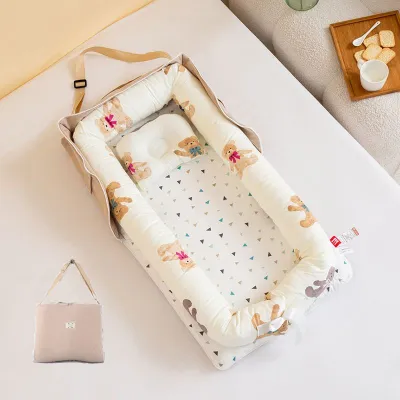
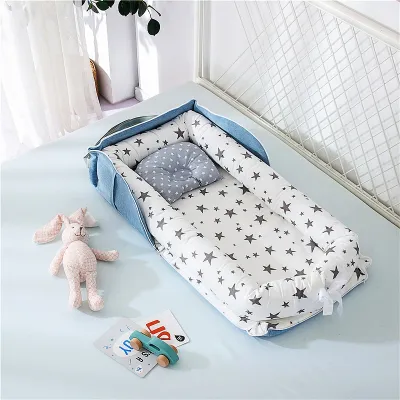

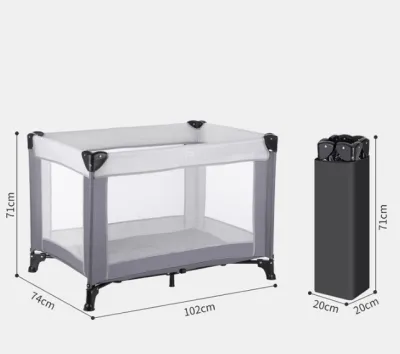
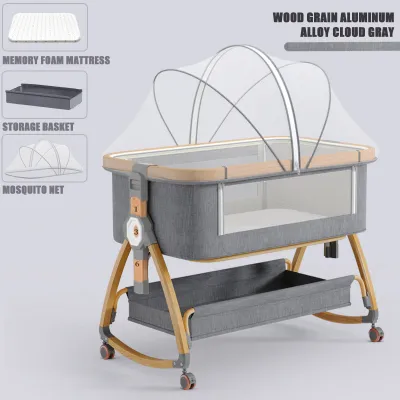
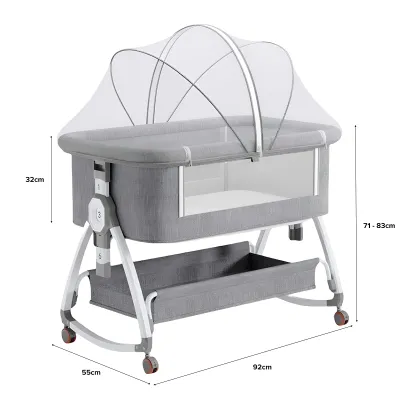
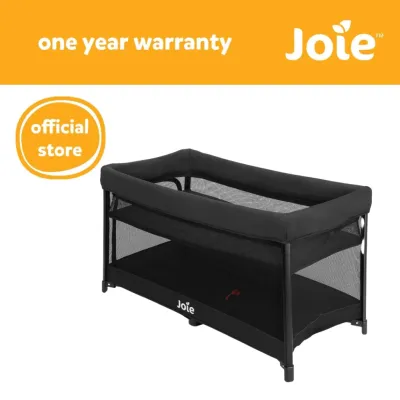
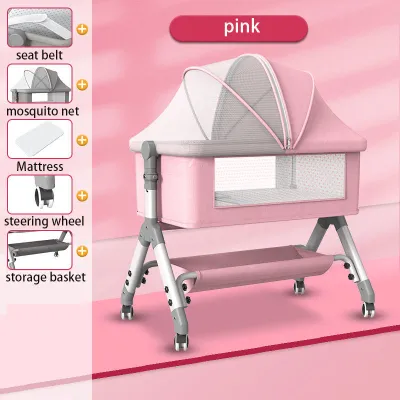
Prices are valid at publication and may change. Please refer to the product page for the latest price.
This regulatory framework means that the responsibility of verifying safety often falls on the consumer. CPSO regularly publishes safety alerts, product bans, and recall notices on its official portal when products are found to be hazardous. Caregivers should make it a habit to visit these official government portals to check if a specific brand or model of foldable baby bed has been flagged for safety hazards, structural failures, or design flaws.
When shopping on online marketplaces or physical retail stores in Singapore, consumers should verify that the product documentation explicitly references compliance with international standards. Because Singapore imports a vast majority of its baby products, relying on recognized global standards is the most reliable way to ensure structural integrity. Retailers are legally obligated under local consumer protection laws to ensure that the goods they sell are safe and fit for purpose.
Essential Physical Safety Features to Inspect
A paper certificate is only as good as the physical product in front of you. Before placing your baby in a foldable bed, a thorough hands-on inspection is essential to verify its structural safety and ensure it has not suffered damage during shipping or storage.

First, evaluate the locking mechanisms on all folding joints. A safe foldable bed must feature a dual-action locking system or an automatic safety lock that prevents the frame from collapsing accidentally. When assembling the bed, ensure that every joint locks securely into place and cannot be disengaged without deliberate, multi-step force. If a joint feels loose, wobbles, or fails to lock with a distinct, audible click, the bed should not be used.
Second, inspect the gap measurements between the mattress and the frame. There should be no significant gaps where an infant’s head, limbs, or torso could become trapped. A simple rule of thumb is that the mattress must fit snugly against all four sides of the bed; if you can fit more than two fingers between the mattress and the frame, the fit is too loose and poses a severe entrapment hazard. Never use a mattress that did not come originally with the foldable bed unless it is explicitly approved by the manufacturer.
Third, assess the mattress firmness and the breathability of the sides. The mattress must be firm enough that it does not conform to the shape of your baby’s head, which is crucial for preventing suffocation. Additionally, the side walls should feature breathable mesh or secure, well-spaced barriers to maintain adequate airflow, especially in Singapore’s warm and humid climate. Mesh sides should be tightly woven and securely attached to the frame to prevent a baby’s fingers from getting caught.
How to Verify Product Labels and Certification Claims
Authenticating safety claims requires looking closely at the product labels and requesting verification from the seller. Do not rely solely on product descriptions on ecommerce platforms that use generic phrases like “certified safe,” “premium quality,” or “approved by pediatricians” without providing concrete evidence.
Look for permanent compliance tags stitched onto the fabric, printed on the frame, or detailed in the user manual. Look for specific standard codes such as EN 716 (the European standard for children’s cots and folding cots) or ASTM F406 (the American standard for non-full-size baby cribs and play yards). These tags should include the manufacturer’s name, model number, and the specific year the standard was met, indicating that the product has undergone rigorous laboratory testing.
If you are purchasing from an online marketplace or a local distributor, ask the retailer to provide the official declaration of conformity or a copy of the third-party test report. Reputable brands and authorized distributors in Singapore will readily share these documents to prove their products have undergone testing for structural strength, chemical safety, and flammability. If a seller is evasive or cannot provide these documents, it is best to look elsewhere.
Be highly suspicious of red flags, such as missing manufacturer contact details, instructions written in poorly translated language, or the complete absence of standard reference numbers. If a seller cannot provide verifiable proof of compliance with EN 716 or ASTM F406, it is safest to choose a different product. A lack of clear labeling often points to substandard manufacturing practices that could put your baby at risk.
Safe Setup and Daily Usage Boundaries
Even the most highly certified foldable baby bed can become hazardous if used incorrectly. Establishing clear operational boundaries and following proper setup procedures is vital for daily safety.
Always adhere strictly to the manufacturer’s stated weight, height, and developmental limits. Many foldable beds and travel cots are designed only for infants who cannot yet push up on their hands and knees, sit up unaided, or climb out. Once your baby reaches any of these developmental milestones or the maximum weight limit specified in the manual, stop using the bed immediately to prevent falls.
During setup, make it a strict routine to double-check all folding joints. Listen for an audible click that indicates the hinges are fully engaged. Give the frame a firm shake to ensure it is completely rigid before placing your baby inside. Never add aftermarket mattresses, mattress toppers, pillows, or soft bedding, as these can create dangerous gaps or suffocation hazards. The bed should be kept completely bare, containing only a fitted sheet over the original mattress.
Positioning the bed correctly within your home is equally important. In compact Singapore apartments, space is often at a premium, but you must keep the foldable bed away from window blinds, curtain cords, electrical outlets, and heavy furniture. Ensure there are no hanging items, wall decorations, or climbable structures within your baby’s reach from inside the bed. Additionally, position the bed away from direct air conditioning drafts or intense sunlight to keep your baby comfortable and safe.
Warning Signs: When to Stop Using the Foldable Bed
Over time, regular folding, unfolding, and transport can cause wear and tear that compromises the bed’s structural integrity. Caregivers must regularly inspect the bed for warning signs of fatigue to prevent accidents before they occur.
Inspect the fabric and mesh sides for any fraying, tears, or loose stitching. A small tear in the mesh can quickly expand under a baby’s weight, creating a hazard where a baby’s limbs or head could get caught. Similarly, check the plastic and metal joints for any cracks, bending, or looseness in the rivets. In Singapore’s humid climate, metal parts should also be checked for rust, which can weaken the frame over time.
Pay close attention to your baby’s physical development. If your baby is able to stand up, pull themselves up using the sides, or has reached the height where the top rail is below their chest level, the risk of falling out increases significantly. This is a clear signal to transition to a standard floor bed or a full-sized wooden cot with higher sides.
If you notice any structural fatigue, loose parts, or malfunctioning locks, stop using the bed immediately. Do not attempt to repair the bed with DIY solutions, tape, or non-original parts. Consult the manufacturer or authorized distributor in Singapore to ask about approved replacement parts, or safely dispose of the bed if it can no longer be secured.
Frequently Asked Questions (FAQ)
Are second-hand foldable baby beds safe to use?
Using a second-hand foldable baby bed carries inherent risks and is generally not recommended unless you can verify its complete history. Pre-owned beds may have hidden structural fatigue, worn-out locking mechanisms, or missing instruction manuals. They might also conform to outdated safety standards or have been subject to a product recall that the previous owner overlooked. If you must use a second-hand bed, thoroughly inspect all joints, ensure the mattress fits perfectly with no gaps, verify that all original labels are intact, and cross-reference the model number with global recall databases before use.
Do travel cots and foldable baby beds require the same safety standards?
Yes, travel cots and foldable baby beds are structurally similar and generally fall under the same safety standards, such as EN 716 or ASTM F406. However, their intended use can differ. Travel cots are often designed with thinner, firmer mattresses intended for short-term, supervised sleep during travel. If you plan to use a foldable bed as your baby’s primary, everyday sleeping space, you must ensure it is explicitly certified for unsupervised, long-term sleep. Always check the manufacturer’s instructions regarding sleep duration and ensure the mattress provided is firm and fits the frame perfectly without any modifications.

Community discussion
Share your experience or ask a question. Comments are reviewed before publication.