
To ensure a baby swing is safe for your child, you must verify that it complies with recognized international safety standards, features a robust physical design, and is used strictly according to the manufacturer’s guidelines. A baby swing can be an invaluable tool for soothing a fussy infant, but because it involves mechanical motion and elevates your baby off the ground, verifying its safety credentials is a non-negotiable step before purchase. By understanding what to look for on the packaging, how to inspect the physical frame, and how to operate the device safely, you can create a secure environment for your little one.
How to Identify and Verify Official Safety Certifications
When shopping for a baby swing, the first line of defense is verifying that the product has undergone rigorous testing by independent, accredited laboratories. These tests evaluate structural integrity, material toxicity, electrical safety, and stability under dynamic conditions. Because safety regulations are updated periodically to address newly identified hazards, you should look for compliance with the most current standards.
In many global markets, specific standards govern infant swings. For instance, in the United States, look for compliance with ASTM F2088, which is the standard consumer safety specification for infant swings. In Europe, the equivalent standard is EN 16232. For families in Singapore, consumer goods must meet the safety requirements monitored by the Consumer Product Safety Office (CPSO). These standards ensure that the swing has been tested for mechanical hazards, entrapment risks, and structural strength.
Products mentioned in this guide
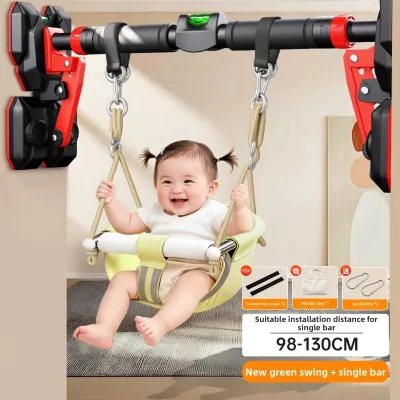
Prices are valid at publication and may change. Please refer to the product page for the latest price.
You can typically locate these certification marks on a permanent tracking label affixed to the swing’s frame, usually on the underside of the seat or near the base. The certification should also be clearly printed on the retail packaging and within the first few pages of the user manual. If a product listing online claims compliance but does not show the physical mark on the product, treat this as a red flag.
To verify the authenticity of these claims, you can request a copy of the Children’s Product Certificate (CPC) or the official test report directly from the retailer or manufacturer. Reputable brands will readily provide these documents upon request. Once you have the report, you can cross-reference the testing laboratory’s name and the product’s model number with official regulatory databases to confirm that the certification is valid and has not expired or been falsified.
Essential Physical Safety Features to Inspect
Beyond verifying paperwork, you must physically inspect the swing—or carefully evaluate detailed product specifications—to ensure its design minimizes the risk of injury. The physical construction of the swing must be robust enough to handle daily use and the shifting weight of an active baby.

The restraint system is the most critical physical safety feature. A 5-point harness is highly recommended over a 3-point harness because it secures the baby at the shoulders, hips, and crotch. This design prevents the infant from sliding downward, climbing out, or rolling over, which are common causes of falls. Inspect the harness straps to ensure they are wide enough to distribute pressure comfortably and made of durable, tightly woven webbing. The buckle mechanism should require a firm, deliberate press from an adult to release, ensuring that older siblings or the baby cannot accidentally undo it.
Next, assess the stability of the swing’s base. A safe swing must have a wide footprint and a low center of gravity to prevent tipping, especially when operating at its highest speed setting. Look for frames constructed from sturdy metal rather than lightweight plastic. The feet of the swing should have non-slip rubber or silicone grips to prevent the unit from sliding across smooth flooring. Gently push the frame from different angles when it is assembled to check for excessive wobble or flexing in the joints.
Finally, verify the clearly stated weight and developmental limits. These limits must be permanently printed on a warning label attached to the seat or frame. A safe swing will specify both a minimum and maximum weight limit, as well as developmental milestones, such as when a child begins to sit up unassisted. Never exceed these limits, as doing so can strain the motor, compromise the structural integrity of the frame, and increase the risk of the swing tipping over.
Safe Usage Boundaries and Manufacturer Warnings
Even the most highly certified swing can become hazardous if used incorrectly. Understanding the safe usage boundaries defined by the manufacturer is essential for preventing accidents and ensuring your baby remains secure during use.
The most critical rule of baby swing safety is that swings are designed exclusively for awake, supervised use. They are not safe environments for sleep. The inclined position of a swing seat can cause an infant’s head to tilt forward onto their chest, which can compress their airway and lead to positional asphyxiation. If your baby falls asleep while in the swing, you must immediately transfer them to a safe, flat, and firm sleep surface, such as a cot or bassinet. Never leave a baby unattended in a swing, and always keep them within your direct line of sight.
Proper assembly is another vital factor in maintaining safety boundaries. Always follow the manufacturer’s step-by-step assembly instructions precisely, ensuring that every screw, bolt, and locking pin is securely tightened. Do not make any unauthorized modifications to the frame or motor. Additionally, avoid using aftermarket accessories, such as extra cushions, head supports, or toys that did not come with the original product. These items can interfere with the proper fit of the harness and introduce suffocation hazards.
Lastly, you must recognize the physical milestones that indicate it is time to stop using the swing. Most manufacturers warn that you must discontinue use as soon as your baby reaches the maximum weight limit or begins attempting to sit up unassisted, roll over, or climb out of the seat. Continuing to use the swing past these milestones significantly increases the risk of falls and structural failure.
What to Do If a Swing Lacks Clear Safety Information
In the modern retail landscape, especially on online marketplaces and ecommerce platforms, you may encounter baby swings that lack clear safety information, brand names, or user manuals. Purchasing these products poses a significant risk to your child’s safety.
If you find a swing that interests you but lacks clear safety certifications or manufacturer details, pause the purchase immediately. Contact the seller or distributor and request the user manual, safety certificates, and contact information for the manufacturer. If the seller is unable or unwilling to provide these documents, or if they offer vague assurances instead of official test reports, do not buy the product. A lack of transparency is a strong indicator that the product has not undergone proper safety testing.
Before buying any baby swing, it is also wise to check public consumer safety and recall databases. In Singapore, you can check the product recall lists and safety alerts published by the Consumer Product Safety Office. Internationally, databases like the US Consumer Product Safety Commission (CPSC) or the European Safety Gate provide comprehensive records of recalled children’s products. Search these databases using the brand and model number to ensure the swing has not been flagged for safety defects.
Ultimately, the safest choice is to opt for alternative products from reputable brands that prioritize transparency. Choose manufacturers that make their safety standards, user manuals, and customer support channels easily accessible online. Investing in a swing with a verifiable safety record provides peace of mind and ensures that you are placing your baby in a thoroughly tested and secure product.
Frequently Asked Questions (FAQ)
Are second-hand baby swings safe to use?
Using a second-hand baby swing can be a cost-effective option, but it requires extreme caution. Before accepting or purchasing a pre-owned swing, you must conduct a thorough safety audit. Check the frame, joints, and plastic components for signs of structural fatigue, hairline cracks, or deep scratches that could compromise strength. Inspect the harness webbing for fraying, tears, or worn stitching, and ensure the buckle still clicks securely into place.
You must also verify the exact model number and manufacture date, which are typically found on a sticker on the frame. Use this information to search official recall databases to ensure the swing has not been recalled for safety issues. Finally, never use a second-hand swing if it is missing the original manufacturer’s user manual, assembly hardware, or any of its original parts. If you cannot verify the history of the swing or if it shows signs of heavy wear, it is safest to decline it.
How often should I inspect the swing for wear and tear?
You should perform a quick visual inspection of the baby swing before every single use. This daily check takes only a few seconds but is crucial for catching immediate hazards. Ensure that the harness straps are not twisted or frayed, the buckle functions correctly, the seat fabric is securely attached to the frame, and there are no loose toys or blankets in the seat area.
In addition to daily checks, conduct a deeper structural inspection once a month. Check all screws, bolts, and joints to ensure they remain tight and have not loosened from the swing’s motion. Examine the battery compartment for any signs of corrosion or leaks, and inspect the power cord for fraying or exposed wires if the swing uses an electrical outlet. As your baby grows and gets heavier, pay close attention to how the swing moves; if you notice any unusual wobbling, squeaking, or motor strain, discontinue use immediately and consult the manufacturer.

Community discussion
Share your experience or ask a question. Comments are reviewed before publication.