
When selecting a baby swing, prioritizing safety features is the most critical step to ensure your infant remains secure and comfortable. A well-designed swing offers a soothing motion, but it must also feature a robust restraint system, a stable frame, and clear developmental limits to prevent accidents. For parents in Singapore, where space-saving nursery gear is common, evaluating these safety elements in person or through verified specifications is essential before making a purchase.
While a swing can be an excellent tool for calming a fussy infant, it is not a set-and-forget device. Every model comes with specific operational boundaries, weight limits, and structural designs that dictate how and when it can be used safely. Understanding these features allows you to make an informed decision that protects your baby while providing the hands-free convenience you need.
Before committing to a purchase, it is vital to look beyond aesthetic appeal and focus on the engineering of the swing. From the complexity of the harness to the stability of the base, each component plays a crucial role in preventing falls, tipping, and other common nursery hazards. This guide outlines the essential safety features you must verify to ensure your chosen swing meets the highest safety standards.
Products mentioned in this guide
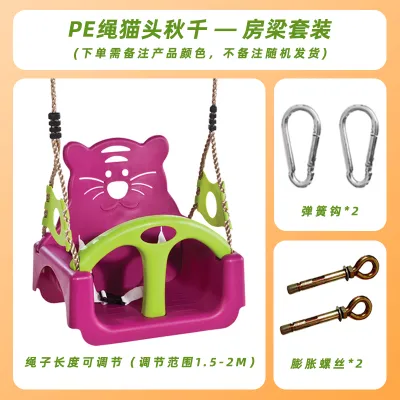
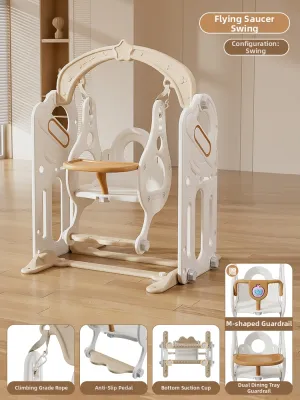
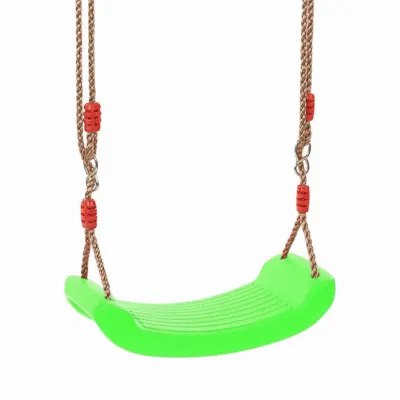
Prices are valid at publication and may change. Please refer to the product page for the latest price.
Harness and Restraint Systems
The harness is your baby’s primary defense against falls, making it the most critical safety component to inspect. When comparing models, you will generally encounter three-point and five-point harness systems. A five-point harness, which secures the baby at the shoulders, hips, and crotch, is highly recommended for maximum security. This design prevents the baby from sliding upward, leaning too far forward, or attempting to climb out as they grow more active.
In contrast, a three-point harness only secures the waist and crotch. While this may suffice for very young, immobile infants, it offers less protection as your baby develops core strength and begins to wiggle. A five-point system distributes forces more evenly and ensures the baby remains centered in the seat, minimizing the risk of positional issues or accidental slips.
Beyond the number of points, you must inspect the physical buckle and adjustment mechanisms. The buckle should require a firm, dual-action press to release, ensuring that older siblings or the baby cannot easily undo it. The shoulder and waist straps must be independently adjustable to allow a snug fit over different clothing thicknesses, especially in humid climates where babies might wear lighter onesies.
Additionally, verify that the seat design incorporates anti-slip features. A robust crotch strap is essential to prevent the baby from sliding down into a position that could compromise their airway. Some models also feature non-slip backing or textured fabrics on the seat pad to keep the infant securely positioned, even during active swinging motions.
Stability and Structural Design
A baby swing must remain firmly anchored to the floor during operation, making structural stability a paramount concern. The stability of a swing is largely determined by its base width-to-center-of-gravity ratio. A wider, low-profile base distributes the weight more effectively, significantly reducing the risk of the unit tipping over when the swing is in motion or if a pet or sibling bumps into it.

When evaluating a swing for a typical Singapore apartment, where floor space may be limited, it can be tempting to choose a model with a highly compact footprint. However, you must ensure that compactness does not compromise stability. Look for frames constructed from sturdy metals, such as steel or aluminum, rather than lightweight, flexible plastics. The joints where the frame connects must be robust, with secure locking mechanisms that prevent the swing from folding unexpectedly during use.
If the swing features a folding design for easy storage, inspect the safety locks that keep the frame open. These locks should require a deliberate, multi-step action to disengage, ensuring they cannot be triggered accidentally. A frame that collapses under pressure poses a severe risk of trapping or injuring your baby.
To truly assess stability, perform a physical wobble test if you are shopping in a physical store. Gently push the frame from different angles to see how much it sways or lifts. If you are purchasing online, carefully review structural feedback from verified users, paying close attention to any mentions of the swing shifting, sliding, or lifting off the ground when set to its highest speed or maximum weight capacity.
Weight, Age, and Developmental Limits
Every baby swing is engineered to support a specific weight range and developmental stage, and exceeding these limits can lead to structural failure or tipping. Before buying, locate the manufacturer’s official product label or instruction manual to verify the minimum and maximum weight capacities. Never rely solely on the baby’s age as a guide, as infants grow at vastly different rates.
It is equally important to recognize the developmental milestones that signal it is time to stop using the swing. Even if your baby has not reached the maximum weight limit, you must discontinue use as soon as they can sit up independently, attempt to climb out of the seat, or begin to roll over. An active baby can easily shift their center of gravity, causing the swing to become unstable and potentially tip over.
For newborns, the seat’s recline adjustment is a critical safety feature. Newborns lack the neck strength to support their heads, meaning a semi-upright seat can cause their head to flop forward, potentially obstructing their airway. Ensure the swing offers a deep, secure recline option that keeps the baby’s head and neck fully supported in a safe, aligned position.
As your baby grows, you will need to adjust the recline to a more upright position to match their developmental stage. Verify that the adjustment mechanism locks securely into place and cannot be easily jarred loose. Always consult the specific product documentation to confirm the recommended recline angles for your baby’s weight and age.
Certifications and Safety Standards to Verify
With numerous baby products available on ecommerce platforms, verifying official safety certifications is the best way to ensure a swing has been rigorously tested. Look for recognized safety standard marks on the product packaging, label, or user manual. Standards such as ASTM F2088 in the United States or EN 16232 in Europe indicate that the swing has undergone strict testing for stability, structural integrity, and chemical safety.
When shopping online, be cautious of unbranded or generic swings that lack clear manufacturer details or origin information. These products often bypass standard safety evaluations and may use substandard materials or weak locking mechanisms. A reputable manufacturer will clearly state compliance with international safety standards and provide accessible customer support for safety inquiries.
It is crucial to verify that the safety certification applies to the specific model number you are purchasing, rather than just the brand as a whole. Manufacturers frequently update designs, and older or alternative versions of a swing may not carry the same safety ratings. You can cross-reference the model number on official safety database websites to confirm its certification status.
Additionally, check for any active product recalls before finalizing your purchase. Government safety databases and manufacturer websites maintain up-to-date lists of recalled baby gear. Purchasing a certified, non-recalled model ensures that you are bringing a product into your home that meets current, stringent safety expectations.
Safe Usage and Supervision Boundaries
Even the most technologically advanced safety features cannot replace active caregiver supervision and proper usage. A baby swing is designed solely for supervised, awake activity and must never be used as a substitute for a crib or bassinet. If your baby falls asleep in the swing, you must transfer them to a firm, flat sleeping surface immediately to reduce the risk of sleep-related accidents.
The placement of the swing within your home is another critical safety factor. Always position the swing on a flat, level floor surface. Never place it on elevated surfaces like tables, countertops, or sofas, as the motion of the swing can cause it to shift and fall. Ensure the area around the swing is clear of hazards, keeping it well away from stairs, windows, blind cords, electrical outlets, and heat sources.
Regular maintenance and inspection are essential to keep the swing in safe working order. Before each use, quickly check for any signs of wear and tear, such as frayed harness straps, loose screws, or cracked plastic joints. If you notice any unusual noises, a change in the swinging motion, or structural instability, stop using the swing immediately and contact the manufacturer for guidance.
Lastly, always follow the manufacturer’s instructions regarding power sources. If the swing uses an AC adapter, ensure the cord is kept completely out of reach of your baby and any siblings to prevent entanglement hazards. If using batteries, check them regularly for leaks or corrosion, which can damage the swing’s electronics and pose a chemical hazard.
Frequently Asked Questions (FAQ)
Can I let my baby sleep in a swing?
No, you should never let your baby sleep in a swing. The semi-upright position of a baby swing can cause an infant’s head to tilt forward, potentially compressing their airway and leading to positional asphyxiation. If your baby falls asleep while swinging, gently transfer them to a firm, flat crib, bassinet, or play yard as soon as possible to ensure safe sleep.
Are second-hand baby swings safe to use?
Second-hand swings can carry hidden risks, such as missing parts, structural wear, or expired materials that compromise safety. If you choose to use a pre-owned swing, thoroughly inspect the harness for fraying, test the frame’s stability, and verify that the model has not been recalled. Always obtain the original instruction manual to ensure you are using the swing correctly.
What should I do if the swing stops moving unexpectedly?
If the swing stops moving unexpectedly, immediately remove your baby from the seat and place them in a safe location, such as a crib. Do not attempt to force the swing to move manually. Check the power source, whether it is an AC adapter or batteries, and consult the manufacturer’s troubleshooting guide or customer service before attempting any repairs.
Community discussion
Share your experience or ask a question. Comments are reviewed before publication.