
When looking for a baby sitz bath in Singapore, it is natural to prioritize safety by searching for products with official regulatory stamps. However, a key regulatory distinction exists that every parent should understand: physical bathing hardware, such as plastic sitz bath basins, does not receive direct Health Sciences Authority (HSA) certification. Instead, HSA regulates the chemical bath additives, herbal solutions, and medicated washes you might pour into the bath. Physical basins are governed by general consumer product safety standards under Enterprise Singapore. Ensuring your baby’s safety requires a two-part approach: verifying any bath solutions through the HSA database and thoroughly inspecting the physical basin’s design and materials.
Understanding HSA Rules for Baby Bath Products
The Health Sciences Authority (HSA) is Singapore’s national regulator for health products, but its oversight is strictly defined by product categories. Physical baby sitz baths—the plastic or silicone basins designed to fit over a toilet seat or sit on a flat surface—are classified as general consumer goods. Because they do not contain active pharmaceutical ingredients and do not perform a primary medical function, they do not undergo HSA evaluation, registration, or certification. Instead, these physical items fall under the purview of Enterprise Singapore, which ensures consumer products sold locally meet basic safety standards.
In contrast, any liquid, powder, tablet, or herbal blend added to the sitz bath water is subject to strict HSA regulation. If you use a gentle baby wash, a soothing oatmeal bath powder, or a specialized herbal solution to help heal diaper rash or circumcision wounds, these items are classified as cosmetic products or therapeutic products. Under Singapore law, all cosmetic products must be notified to the HSA before they can be supplied locally. This notification process requires the local importer or manufacturer to declare that the product complies with safety standards, contains approved ingredients, and is manufactured under hygienic conditions.
Products mentioned in this guide
![[SG Stock] Over-The-Toilet Perineal Soaking Sitz Bath Basin Tub for Hemorrhoidal Relief / Postpartum](https://img.lazcdn.com/g/p/216a7308a0be63883d81874d6dcc1075.jpg_400x400q80.jpg_.webp)
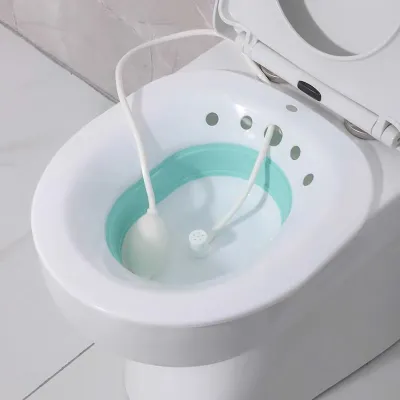
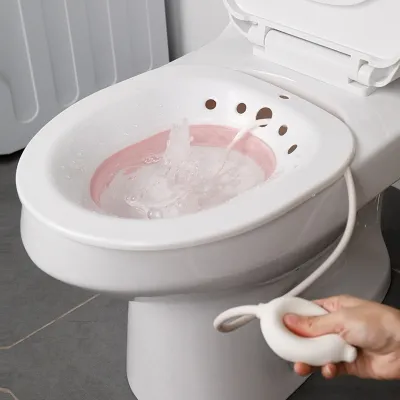
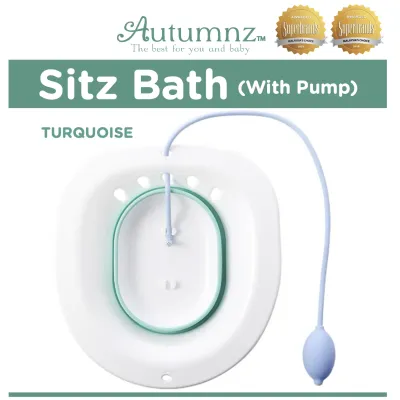
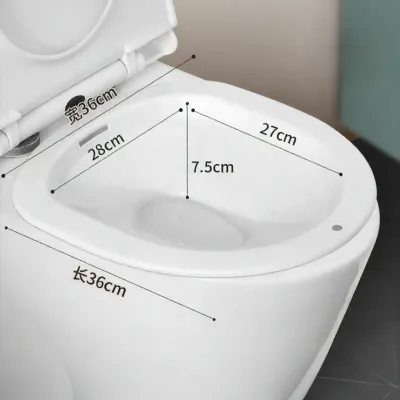
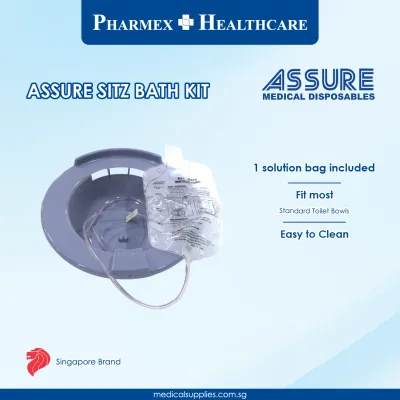
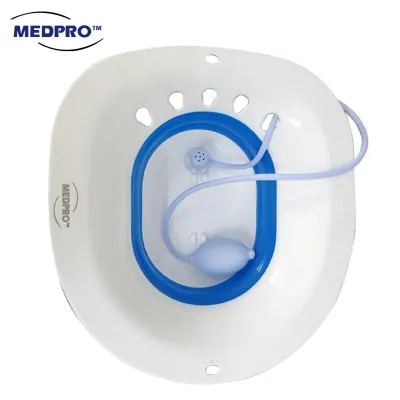
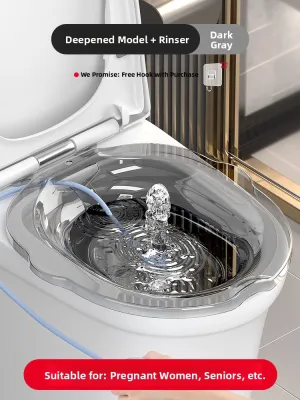
Prices are valid at publication and may change. Please refer to the product page for the latest price.
Furthermore, infant care products are subject to much stricter ingredient restrictions than adult cosmetics under the ASEAN Cosmetic Directive, which Singapore adopts. For instance, certain preservatives, fragrance allergens, and chemical compounds are heavily restricted or entirely banned in products intended for children under three years of age due to their highly permeable skin. This is why verifying the regulatory status of any additive is so critical; a product that has bypassed the HSA notification process may contain ingredients that are unsafe for an infant’s developing system.
For medicated solutions that contain active clinical ingredients to treat specific skin conditions, a more rigorous therapeutic product registration is required. These products must undergo full scientific evaluation by the HSA to prove their safety, quality, and efficacy before they can be sold over the counter or prescribed by a pediatrician. Understanding this division of regulatory responsibility helps you avoid falling for misleading marketing claims that promise “HSA-certified” plastic tubs, allowing you to focus your scrutiny on what actually goes into the bathwater.
How to Verify HSA Compliance for Baby Products
To ensure the bath additives you use in your baby’s sitz bath are safe and legally sold in Singapore, you can independently verify their regulatory status. The HSA maintains a public, searchable database known as the HSA Infosearch portal. This online tool allows parents to check whether a cosmetic product has been properly notified or if a therapeutic product is registered. By entering the exact brand name, product name, or the local distributor’s details into the database, you can instantly confirm if the product is cleared for sale in the local market.

To use the portal effectively, navigate to the “Health Products Search” section on the official HSA website. Select the appropriate category—such as “Cosmetic Products” or “Registered Therapeutic Products”—and enter your search terms. If the product is registered, the database will display its registration or notification status, the name of the local dealer, and the country of manufacture. If a search yields no results, it is highly possible the product has not been notified to the HSA, meaning its safety and ingredient profile have not been declared to local authorities.
When purchasing bath additives, always inspect the product packaging for specific compliance indicators. Legitimate cosmetic products sold in Singapore are required to display clear labeling in English. This label must include a full list of ingredients, the batch number, the expiry date, and the name and address of the local company responsible for placing the product on the market. While cosmetic notifications do not typically print a prominent registration number on the front label, the presence of complete local distributor details is a strong indicator of regulatory compliance, as these companies are legally accountable to the HSA.
Be highly vigilant against common red flags when shopping online or in local shops. Any physical plastic sitz bath basin marketed with an “HSA-approved” logo is a major red flag, as the authority does not issue such approvals for non-medical hardware. For bath additives, red flags include packaging that lacks English labeling, missing ingredient lists, or vague distributor information. Additionally, be skeptical of products making dramatic therapeutic claims—such as promising to instantly cure severe eczema or infections—without a valid HSA therapeutic product registration number, as genuine medical claims require rigorous scientific backing.
Key Safety and Design Checks for Baby Sitz Baths
Because physical baby sitz baths do not undergo HSA certification, the responsibility of evaluating their physical safety lies with the caregiver. The first step is verifying the material composition of the basin. Look for clear manufacturer labels indicating that the plastic is non-toxic, food-grade, BPA-free, and phthalate-free. High-quality polypropylene (PP) or medical-grade thermoplastic elastomers (TPE) are excellent choices, as they do not leach harmful chemicals when exposed to warm water and are easy to sanitize between uses.
Ergonomics and stability are critical to preventing physical injuries during a sitz bath. If the basin is designed to fit over a standard toilet bowl, ensure it has a wide, sturdy rim and non-slip silicone pads on the underside to prevent it from shifting while your baby is seated. For standalone basins, the base must be completely flat and wide enough to prevent tipping. Run your fingers along all edges, seams, and contours of the product before use; there should be no sharp plastic flashing, rough edges, or manufacturing defects that could scratch your baby’s delicate skin.
Water temperature and bath duration are also vital safety considerations. An infant’s skin is much thinner and more sensitive than an adult’s, making them highly susceptible to scalds. Always use a reliable bath thermometer to ensure the water temperature is lukewarm, ideally between 37 and 38 degrees Celsius. Keep the sitz bath duration brief—typically between 10 to 15 minutes—unless otherwise directed by your pediatrician, to prevent the baby’s skin from becoming overly dry or macerated.
Always match the dimensions and weight limits of the sitz bath to your baby’s current developmental stage. Newborns and young infants who cannot yet support their own heads require specialized bath supports or constant manual cradling by the caregiver. Never use a sitz bath designed for older toddlers on a younger infant who lacks trunk control. Most importantly, remember that no safety feature can replace active caregiver supervision. Drowning can occur silently in less than two centimeters of water; always maintain hands-on contact with your baby throughout the entire bathing process and never leave them unattended for any reason.
Where to Buy Safe and Compliant Baby Bath Products
To minimize the risk of purchasing counterfeit, expired, or unregistered baby products, carefully select your retail channels in Singapore. Sourcing your baby’s sitz bath hardware and bath additives from established brick-and-mortar pharmacies—such as Guardian, Watsons, or Unity—or major department stores is the safest approach. These retailers have robust supply chains and source their inventory directly from authorized local distributors who comply with HSA notification requirements and Enterprise Singapore safety standards.
If you prefer the convenience of online shopping, exercise extra caution on e-commerce platforms. Prioritize official brand stores or recognized “Mall” sellers, which are verified by the platforms to sell genuine products. Avoid purchasing bath additives from parallel importers or unverified third-party sellers, as these products may not have been stored in temperature-controlled environments, potentially compromising their safety and efficacy. Always read customer reviews, check the seller’s local rating, and verify their return policy before making a purchase.
In terms of budgeting, high-quality, safe plastic sitz baths in Singapore typically range from S$15 to S$40, while reputable, HSA-notified soothing bath additives can range from S$10 to S$30. Investing in verified products from reputable channels ensures you are not exposing your infant to hazardous materials or unlisted chemical ingredients.
If you purchase a baby bath product and discover it lacks proper English labeling, has a broken safety seal, or causes your baby to develop skin redness, hives, or irritation, take immediate action. Stop using the product immediately and gently rinse your baby’s skin with clean, lukewarm water. If the irritation persists or seems severe, consult a pediatrician right away. You can also report suspected unregistered cosmetic products or unsafe consumer goods to the HSA or Enterprise Singapore to help protect other families in the community.
Frequently Asked Questions (FAQ)
Do all baby sitz baths require HSA registration?
No, physical baby sitz bath basins do not require HSA registration. Physical basins are classified as general consumer products and are overseen by Enterprise Singapore to ensure they meet basic mechanical and material safety standards. However, any liquid solutions, herbal blends, or medicated powders that you add to the sitz bath water do fall under HSA regulation. These additives must be notified as cosmetics or registered as therapeutic products with the HSA before they can be legally sold in Singapore.
What should I do if a product lacks a visible HSA registration number?
If a cosmetic bath additive lacks a visible registration or notification number, it is not necessarily non-compliant, as cosmetic products are not legally required to print their notification numbers on the packaging. However, they must display the local importer’s name and address, a full English ingredient list, and a batch number. If these details are missing, or if you suspect the product is unregistered, you should contact the distributor to request proof of HSA notification. If they cannot provide it, avoid using the product and report it to the HSA.

Community discussion
Share your experience or ask a question. Comments are reviewed before publication.