
When shopping for a baby crib in Singapore, the most critical step is verifying that the product complies with recognized international safety standards. Look for certifications such as the European standard (EN 716), the American standard (ASTM F1169), or the international standard (ISO 7175). Because Singapore’s consumer protection framework requires general consumer goods to be safe, these certifications serve as your primary assurance that a crib has undergone rigorous testing for structural integrity, material safety, and physical dimensions.
An infant spends a significant portion of their first years sleeping unsupervised in a crib, making the nursery environment a primary focus for safety. A certified crib is engineered to prevent physical hazards that a parent might not easily spot on a showroom floor or in an online listing. By understanding what these standards cover and how to verify them, you can make an informed decision that protects your child from preventable sleep-related accidents.
Why Safety Standards Are Non-Negotiable for Baby Cribs
Safety standards are not arbitrary design guidelines; they are precise engineering requirements developed to mitigate severe physical risks. The primary hazards associated with uncertified or poorly designed cribs include limb or head entrapment, suffocation, falls, and sudden structural collapse. When a crib lacks proper certification, there is no guarantee that the materials used can withstand the daily wear, shifting, and weight of a growing, active baby.
Products mentioned in this guide
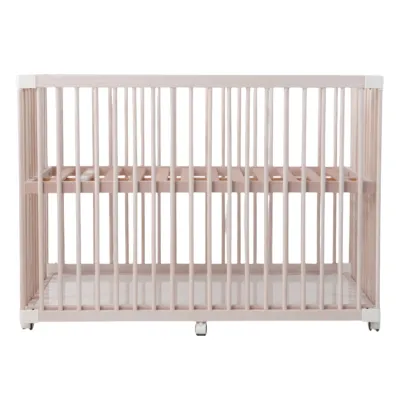
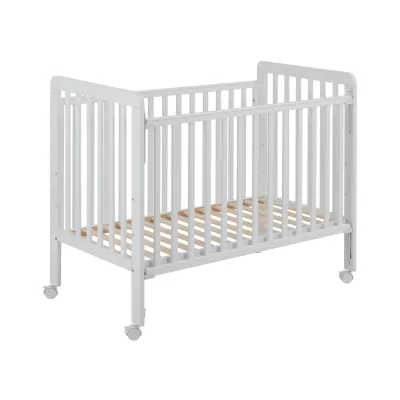
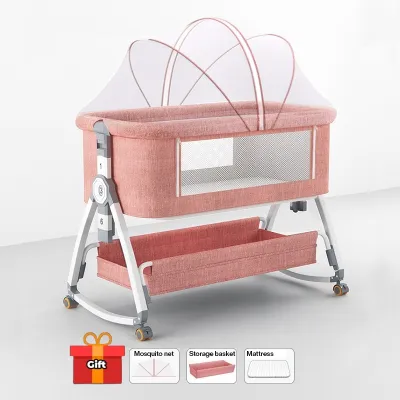
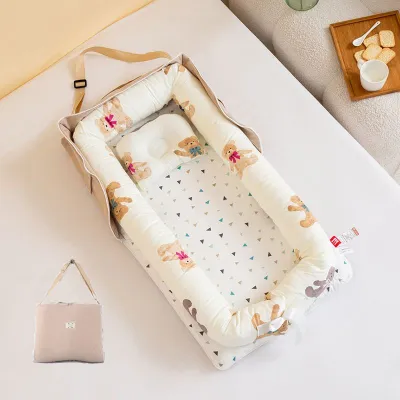

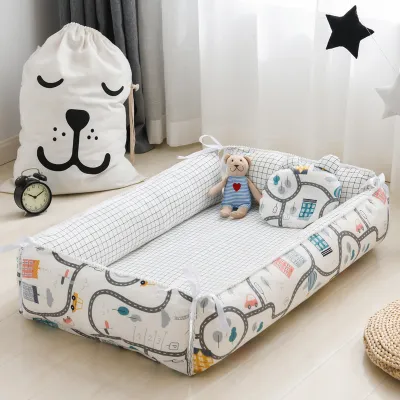
Prices are valid at publication and may change. Please refer to the product page for the latest price.
These rigorous standards dictate strict tolerances for every physical dimension of the crib. For instance, they regulate the exact distance allowed between slats, the minimum height of the side rails, and the strength of the load-bearing hardware. Furthermore, certified cribs must undergo chemical testing to ensure that paints, varnishes, and plastics do not contain harmful levels of lead, phthalates, or volatile organic compounds (VOCs) that a teething baby could ingest.
It is easy to be swayed by visual appeal, aesthetic trends, or a brand’s premium reputation, but these factors cannot substitute for verified structural safety. A beautifully crafted wooden crib or a trendy minimalist design is only safe if it has been physically tested to meet established safety criteria. Relying solely on appearance or price leaves your child vulnerable to hidden manufacturing flaws or design deficits.
How to Identify and Verify Safety Certifications on Product Labels
To ensure a crib is truly safe, you must know how to locate and read the safety standard declarations. Before making a purchase, inspect the physical frame of the crib, its packaging, and the accompanying user manual. Manufacturers of certified cribs typically print the standard codes directly on a permanent label, which is often located on the inner side of the headboard, the mattress base, or one of the end panels.

Look for specific, recognized standard codes. The European standard EN 716 (often written as EN 716-1 or EN 716-2) is highly common in Singapore and covers children’s cots and folding cots for domestic use. The American standard ASTM F1169 governs full-size baby cribs, while ISO 7175 represents the international standard for children’s cots. If you see these codes printed on the product or in the documentation, it indicates the design has been manufactured to comply with these specific safety frameworks.
If the product labels are unclear, missing, or if you are purchasing from an online retailer, do not hesitate to request official compliance certificates or test reports. Reputable distributors and retailers should be able to provide documentation from independent testing laboratories (such as TÜV, SGS, or Intertek) confirming that the specific model has passed safety evaluations. If a seller is unable or unwilling to provide this proof, it is best to look elsewhere.
Be highly skeptical of vague marketing terms such as “baby-safe,” “non-toxic,” “eco-friendly,” or “organic” when they are not backed by verifiable standard references. These terms are often used loosely for promotional purposes and are not legally binding definitions of structural safety. Only a specific standard code indicates that the crib has undergone standardized physical and chemical testing.
Essential Physical Safety Checks to Perform Before Purchase
While certifications provide peace of mind, performing your own physical inspections—either in-store or immediately upon delivery—adds an extra layer of security. The first physical check to conduct is the slat spacing test. The distance between the crib slats must be narrow enough to prevent a baby’s head, torso, or limbs from slipping through and becoming trapped. Standard safety guidelines dictate that this gap must not exceed 60mm (6cm). You can easily verify this using a standard measuring tape; if the gap is wider than 60mm, the crib is unsafe.
Next, evaluate the mattress fit, which is crucial for preventing suffocation and entrapment. The mattress must fit snugly within the crib frame with virtually no gaps. Perform the “two-finger test” by sliding your fingers between the edge of the mattress and the crib side. If you can fit more than two fingers (approximately 3cm) into the gap, the mattress is too small for the crib. A gap this size poses a severe risk where a baby could roll over and become wedged.
Carefully inspect the crib’s hardware and overall construction. Run your hands along the wooden or metal surfaces to check for protruding screws, sharp edges, rough splinters, or open corner posts. Any hardware that sticks out can catch on a baby’s clothing, particularly around the neck area, presenting a strangulation hazard. Ensure all bolts, brackets, and support hangers are flush with the frame and securely tightened.
Additionally, pay close attention to the side rail design. Drop-side cribs, which feature a side rail that slides down to make accessing the baby easier, have been heavily restricted or banned under several international standards due to mechanical failures. Over time, the plastic tracks or metal hardware on drop-side mechanisms can warp, break, or detach, creating a dangerous V-shaped gap where an infant can become trapped. For optimal safety, opt for a fixed-side crib, which offers superior structural stability and eliminates the risks associated with moving side parts.
Navigating Consumer Protection and Product Recalls in Singapore
In Singapore, consumer product safety is overseen by official regulatory bodies, such as the Consumer Product Safety Office (CPSO). While the CPSO monitors general consumer goods to ensure they do not pose safety hazards, parents should actively cross-check product models against official consumer safety portals and global recall databases before buying. Manufacturers regularly issue recalls for design defects that only become apparent after prolonged use, so checking these registries is a vital step.
When purchasing a crib, evaluate the credibility of the seller. This is especially important when shopping on online marketplaces or dealing with third-party vendors who ship products from overseas. Ensure the seller has a reliable physical presence or an established reputation in Singapore, a clear return policy, and accessible customer service. Buying from unauthorized or obscure online sellers increases the risk of acquiring counterfeit products or models that do not comply with local safety expectations.
Always retain your proof of purchase, receipts, and warranty documentation. Once you receive the crib, check if the manufacturer offers a product registration card or online registration portal. Registering your purchase ensures that the manufacturer can contact you directly in the event of a safety recall or product update. Keeping these records also simplifies the process if you ever need to make a warranty claim or return a defective item.
Safe Assembly and Ongoing Maintenance Requirements
Even the most highly certified crib can become hazardous if it is assembled incorrectly or poorly maintained. When assembling the crib, follow the manufacturer’s instruction manual precisely. Do not skip any steps, and use only the hardware provided in the packaging. Never substitute missing screws or brackets with generic hardware store alternatives, as they may not match the thread, strength, or dimensions required to keep the structure stable.
Establish a routine inspection schedule to maintain the crib’s structural integrity over time. Once a month, check all connection points, bolts, and mattress support brackets to ensure they remain tight. The natural movement, shaking, and bouncing of a growing baby can gradually loosen hardware. Inspect the wood or metal for any signs of wear, such as hairline cracks, splintering, or peeling paint, and address these issues immediately.
It is vital to know when to stop using the crib or when to seek professional assistance. Always refer to the manufacturer’s documentation for specific weight and height limits. As a general rule, once your child is able to stand up or climb out of the crib, or when the height of the top rail is less than three-quarters of the child’s height, it is time to transition them to a toddler bed. If the crib suffers structural damage, such as a cracked frame or broken slat, stop using it immediately. Do not attempt DIY structural repairs on critical load-bearing parts; instead, contact the manufacturer for authorized replacement parts or replace the crib entirely.
Frequently Asked Questions (FAQ)
Are second-hand or inherited baby cribs safe to use?
Using a second-hand or inherited crib carries significant safety risks and is generally not recommended unless you can verify its complete history and compliance. Older cribs may have been manufactured before modern safety standards were established, meaning they might feature dangerous drop-side mechanisms, unsafe slat spacing, or toxic lead-based paints. Furthermore, older wooden frames can suffer from structural fatigue, hairline fractures, or warped joints from being assembled and disassembled multiple times.
If you must use a second-hand crib, perform a rigorous inspection. Ensure you have the original manufacturer’s instruction manual and verify that every single piece of original hardware is present with no DIY substitutions. Check that the slat spacing is under 60mm, the mattress fits perfectly with no gaps, and there are no signs of splintering, peeling paint, or loose joints. If the crib is more than ten years old, lacks clear manufacturing labels, or has any missing or damaged parts, reject it immediately in favor of a newly certified model.
Do all baby cribs sold on e-commerce platforms need to meet local safety standards?
While consumer protection laws in Singapore require goods supplied locally to be safe, enforcement can be highly complex on e-commerce platforms, particularly for cross-border shipments. When you purchase a crib directly from an overseas seller via an online marketplace, the product may bypass local retail inspections, leaving the responsibility of safety verification entirely on you as the buyer.
To protect your baby, actively filter online listings to find reputable sellers who explicitly state compliance with recognized standards like EN 716 or ASTM F1169. Avoid unbranded, unusually low-priced cribs that lack detailed product descriptions, clear manufacturer contact information, or verifiable safety certifications. Before clicking purchase, message the seller directly to ask for copies of their safety test reports; a legitimate seller committed to child safety will readily provide this documentation.

Community discussion
Share your experience or ask a question. Comments are reviewed before publication.