
Navigating the baby food aisle in Singapore can feel overwhelming, especially when trying to determine which products are genuinely organic. To ensure you are buying only organic baby food that is truly certified, you must look beyond marketing buzzwords on the front of the packaging and verify the official certification seals, inspect the ingredient list for synthetic additives, and purchase from reputable, authorized distributors. While many brands use terms like “natural,” “pure,” or “wholesome,” these claims are often unregulated marketing terms that do not guarantee organic farming practices.
In Singapore, where the vast majority of baby food is imported, parents rely on international standards to verify the integrity of their purchases. Understanding how these global standards apply to the products on local shelves is the first step toward making informed nutritional choices for your infant. By learning to decode labels and verify certifications, you can confidently select baby foods that support your child’s development without exposing them to unwanted chemical residues.
Recognizing Legitimate Organic Certifications on Baby Food
When evaluating organic baby food, the first line of defense is recognizing the official seal of a legitimate, third-party certification body. These logos indicate that the product has met rigorous standards governing soil quality, animal raising practices, pest control, and the use of additives. However, not all organic claims on a package carry the same weight, and understanding the nuances of labeling is essential.
Products mentioned in this guide
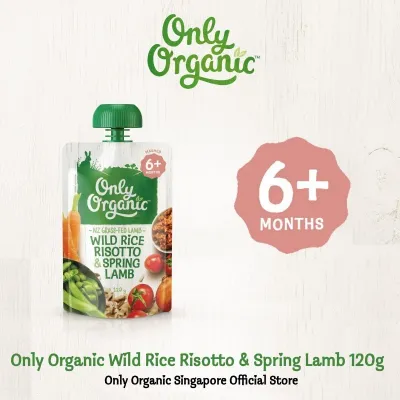
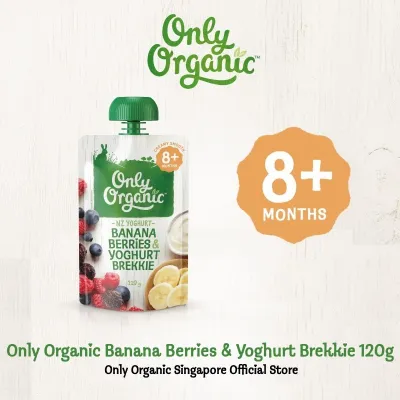
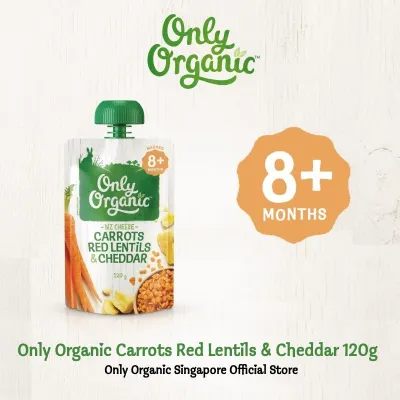
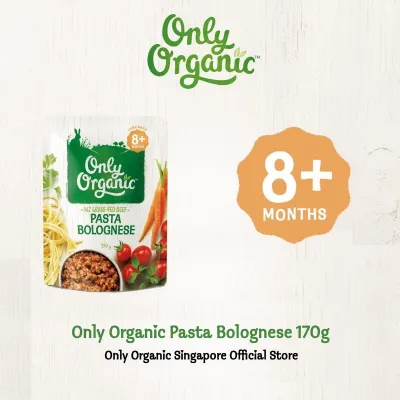
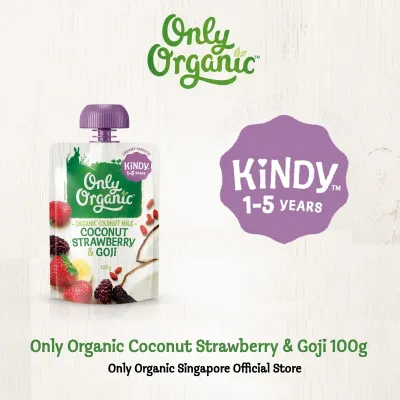
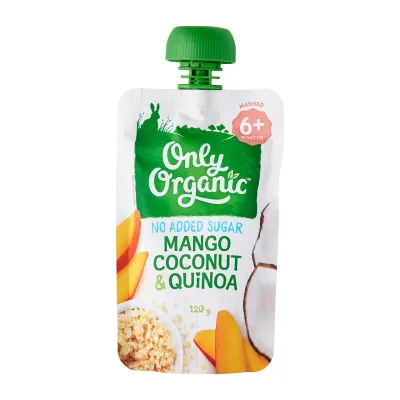
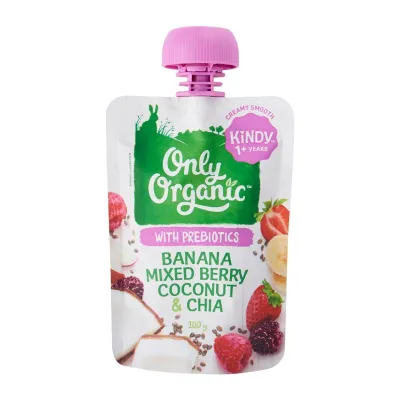
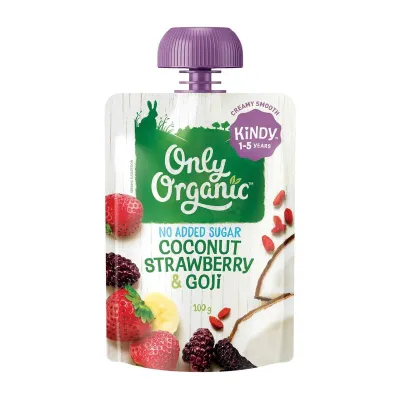
Prices are valid at publication and may change. Please refer to the product page for the latest price.
A key distinction to make is between products labeled “100% Organic,” “Organic,” and “Made with Organic Ingredients.” A “100% Organic” label guarantees that every single ingredient, excluding water and salt, is certified organic. A product labeled simply “Organic” must contain at least 95% certified organic ingredients, with the remaining 5% consisting of approved non-agricultural substances or non-organic agricultural products that are not commercially available in organic form. On the other hand, products stating they are “Made with Organic Ingredients” contain at least 70% organic ingredients, but they cannot display the official organic seal of most certification bodies on the front of the package.
In Singapore, you will primarily encounter imported baby foods certified by major international organizations. The United States Department of Agriculture (USDA) Organic seal is highly common; it prohibits the use of synthetic fertilizers, genetic engineering, and irradiation. The European Union Organic logo, represented by a leaf made of stars against a green background, signifies compliance with strict European standards that emphasize ecological balance and biodiversity. For products imported from Australia and New Zealand, look for the National Association for Sustainable Agriculture Australia (NASAA) logo or the BioGro New Zealand seal, both of which enforce stringent organic agricultural practices in the Oceania region.
To ensure that a logo on a package is not counterfeit, you can perform a quick verification check. Legitimate organic products must display the name or code of the certifying body on the information panel, often near the ingredient list or distributor details. Many certification bodies maintain public, searchable online databases where you can enter the brand name or the specific operator license number printed on the packaging. Verifying these details provides peace of mind that the product has indeed undergone the rigorous auditing process required to carry the organic label.
Decoding Ingredient Labels to Avoid Synthetic Additives
Even when a product carries an organic certification, reading the ingredient list remains a crucial step in selecting the best nutrition for your baby. The ingredient list provides a transparent view of what actually goes into the pouch or jar, allowing you to bypass front-of-pack marketing claims. By law, ingredients are listed in descending order of weight, meaning the first few ingredients make up the majority of the product.

When examining the label, actively look for and avoid synthetic additives, artificial colors, and chemical preservatives. Truly organic baby foods rely on natural preservation methods, such as pasteurization and acidic ingredients like organic lemon juice concentrate, rather than synthetic preservatives like sodium benzoate or potassium sorbate. Artificial colors and synthetic flavors are strictly prohibited in certified organic foods, so their absence is a strong indicator of a clean product. If you spot chemical-sounding names that you cannot identify, it is wise to research them or choose an alternative with a simpler ingredient profile.
Another common issue in commercial baby food is the inclusion of hidden sugars, high sodium levels, and unnecessary thickeners. Some brands use fruit juice concentrates, maltodextrin, or cane sugar to sweeten vegetable purees, which can accustom your baby’s palate to excessively sweet tastes early in life. Look for purees that contain only the whole vegetable or fruit listed on the front, without added sugars or sodium. Additionally, check for non-organic thickeners and stabilizers such as modified food starch, carrageenan, or xanthan gum, which are sometimes added to improve texture or extend shelf life but offer no nutritional value to your growing infant.
To fully understand the organic integrity of a product, check the declared percentage of organic ingredients, which is often listed at the bottom of the ingredient panel. By selecting only organic products with transparent ingredient lists, you can avoid unnecessary fillers. A high-quality organic baby food should ideally consist of 100% organic agricultural ingredients. If a product contains non-organic components, they should be minimal and clearly identified. By prioritizing short, recognizable ingredient lists where whole, organic foods occupy the top positions, you ensure your baby receives nutrient-dense meals free from unnecessary fillers.
Building a Shortlist of Trustworthy Organic Baby Food Brands
Creating a shortlist of reliable organic baby food brands requires a systematic approach that goes beyond simply picking attractive packaging from the shelf. Parents should evaluate brands based on their transparency, sourcing practices, and commitment to safety. A trustworthy brand will openly share information about where their ingredients are grown, how they are processed, and the steps taken to maintain a clean supply chain.
Sourcing transparency is a key indicator of a brand’s integrity. Look for companies that provide detailed information on their official websites about their partner farms and agricultural practices. Some brands even offer batch-tracking tools that allow you to enter a code from the packaging to see the exact origin of the ingredients in that specific pouch. This level of traceability demonstrates that the brand maintains strict oversight over its entire supply chain, reducing the risk of contamination or ingredient substitution.
In addition to sourcing, investigate whether the brand conducts independent, third-party testing for contaminants. While organic farming prohibits synthetic pesticides and chemical fertilizers, heavy metals like lead, arsenic, and cadmium can still exist naturally in the soil and be absorbed by crops. Reputable baby food brands proactively test their raw ingredients and finished products for heavy metals, pesticide residues, and microbial safety. Brands that publish these testing results or make them readily available to consumers demonstrate a high level of accountability and safety leadership.
Finally, verify the brand’s compliance with local food safety regulations and its historical safety record. All baby food imported into Singapore must meet the strict standards set by the Singapore Food Agency (SFA). Before introducing a new brand to your baby, check the SFA website for any recent food recall notices or safety alerts associated with the manufacturer. A clean recall history and consistent compliance with international food safety standards are essential criteria for any brand on your shortlist.
Navigating Retail Channels for Authentic Organic Baby Food
Where you purchase your baby food is just as important as the brand you choose. In Singapore, parents have access to a wide variety of retail channels, including specialized organic grocers, major supermarket chains, and official brand stores on online marketplaces. Each channel offers distinct advantages, but they also require different levels of vigilance to ensure product authenticity and safety.
Specialized organic grocers and major supermarket chains with dedicated organic sections are generally highly reliable. These retailers typically establish direct relationships with authorized distributors, minimizing the risk of counterfeit products entering the supply chain. When shopping on online marketplaces or ecommerce platforms, it is critical to buy directly from the brand’s official flagship store or an authorized local distributor. Be cautious of third-party sellers offering significantly discounted prices, as these products may be parallel imports that have not been stored or transported under optimal conditions.
Singapore’s tropical climate, characterized by high temperatures and humidity, poses a unique challenge for storing preservative-free organic baby food. Heat can accelerate the degradation of nutrients and compromise the seal of pouches and jars, leading to spoilage or bacterial growth. When ordering baby food online for home delivery, ensure the retailer uses temperature-controlled transport or delivers the products promptly. Avoid leaving delivered packages in hot outdoor areas, such as riser cupboards or doorsteps, for extended periods.
Upon receiving your purchase, always inspect the packaging thoroughly before feeding your baby. Check that the expiration dates are clearly legible and well within the safe consumption window. Inspect the physical integrity of the seals: glass jars should have a safety button on the lid that is firmly sucked down and pops only upon opening, while pouches should not be bloated, leaking, or punctured. If you notice any signs of damage or improper storage, contact the retailer immediately for a replacement rather than risking your child’s health.
Safe Introduction and Feeding Practices for Organic Solids
Introducing solid foods is an exciting milestone in your baby’s development, but it must be approached with care and proper safety protocols. Before starting your infant on any solid foods, including certified organic options, consult your pediatrician or a qualified healthcare professional. They can help assess your baby’s developmental readiness, which typically occurs around six months of age, and provide personalized guidance based on your child’s growth and health history.
It is important to remember that an “organic” label does not mean a product is automatically allergen-free or suitable for every stage of development. Common allergens such as wheat, soy, dairy, fish, and tree nuts can all be certified organic. When introducing new organic foods, follow the single-ingredient rule: introduce one new food at a time and wait three to five days before introducing another. This practice allows you to easily identify the source of any potential allergic reaction, such as skin rashes, digestive upset, or breathing difficulties.
Proper food hygiene and storage are critical when handling organic baby food, as the absence of synthetic preservatives makes them more susceptible to bacterial contamination. Once a jar or pouch of organic baby food is opened, it must be stored in the refrigerator and consumed within the timeframe specified by the manufacturer, which is typically 24 to 48 hours. Never feed your baby directly from the pouch or jar if you plan to save the remainder for later; saliva from the spoon introduces bacteria into the container, where it can rapidly multiply. Instead, spoon a small portion into a clean bowl and discard any leftovers from that bowl once the feeding session is complete.
Frequently Asked Questions (FAQ)
Is homemade baby food safer than store-bought certified organic options?
Making baby food at home allows you to have complete control over the ingredients, sourcing, and preparation methods. You can select fresh, certified organic produce from local markets and prepare purees without any added salt, sugar, or stabilizers. However, commercial certified organic baby foods offer the advantage of convenience and are subject to strict food safety regulations, including rigorous testing for microbial pathogens and contaminants that are difficult to replicate in a home kitchen. If you choose to make homemade purees, it is essential to source certified organic raw ingredients, maintain immaculate kitchen hygiene, and follow safe food storage guidelines to prevent spoilage.
Do organic baby foods contain heavy metals?
Organic certification primarily focuses on prohibiting the use of synthetic pesticides, herbicides, and chemical fertilizers during farming. It does not guarantee that the food is entirely free from heavy metals, as metals like lead, arsenic, and cadmium occur naturally in soil and water and can be absorbed by crops regardless of farming methods. To minimize your baby’s exposure, look for organic brands that actively conduct and publish third-party heavy metal testing. Additionally, offer your baby a diverse diet by rotating different types of grains, vegetables, and fruits, rather than relying heavily on a single crop like rice, which tends to absorb higher levels of arsenic from the soil.

Community discussion
Share your experience or ask a question. Comments are reviewed before publication.