
Using a breast pump effectively requires more than just turning it on; it involves understanding your body’s let-down reflex and adjusting the device to match your comfort and milk flow. The Spectra S2 is designed with customizable settings and a closed-system mechanism to support hygienic and efficient milk expression. This guide outlines the proper techniques, settings, and maintenance routines to help you maximize your milk output while ensuring a comfortable pumping experience.
In Singapore’s fast-paced environment, balancing daily routines with breastfeeding goals often means maximizing every minute of your pumping session. Setting up a comfortable space and understanding how your body responds to the pump’s settings can make a significant difference in both your physical comfort and your daily milk yield. By learning how to customize the cycle speeds and vacuum levels, you can tailor each session to mimic your baby’s natural feeding patterns.
Preparing for Your Pumping Session
Creating a clean, organized, and relaxing environment is the first step toward a successful pumping session. Before you begin, wash your hands thoroughly with soap and water. Assemble the pump parts, ensuring that the closed-system components are completely dry and securely connected. The silicone membrane of the backflow protector must be fitted snugly between the front and back cases; a loose connection here will cause a significant drop in suction and may allow air leaks that compromise the pump’s efficiency.
Products mentioned in this guide
Prices are valid at publication and may change. Please refer to the product page for the latest price.
Finding the correct flange size is critical for both comfort and optimal milk expression. A flange that is too small can cause painful friction and restrict the milk ducts, while a flange that is too large may draw too much of the areola into the tunnel, causing swelling and blocking milk flow. To find your starting size, measure the diameter of your nipple base before a pumping session, excluding the areola, and refer to the manufacturer’s sizing guidelines. Keep in mind that nipple size can change postpartum, so it is wise to reassess the fit if you experience persistent discomfort.
Your physical comfort directly influences your body’s ability to release milk. In a warm, humid climate, setting up your pumping station in a cool, air-conditioned room or a quiet, private corner can help you relax. Stress and physical discomfort trigger adrenaline, which actively inhibits oxytocin—the hormone responsible for the let-down reflex. To encourage a faster let-down, consider applying a warm compress to your breasts or practicing gentle breast massage for a few minutes before you turn on the device.
Understanding Spectra S2 Settings and Modes
The Spectra S2 features a dual-phase system designed to mimic the natural nursing patterns of an infant. The first phase is Massage Mode, indicated by a symbol that looks like wavy lines on the digital screen. This mode operates at a fast, fixed cycle speed of 70 cycles per minute with a lighter vacuum. It is designed to stimulate the nerve endings in the nipple, signaling your body to release milk. Starting your session in this mode helps trigger the initial let-down quickly and gently.

Once your milk begins to flow in steady drops or streams, you should transition to Expression Mode. This mode operates at a slower cycle speed, which you can adjust between 38 and 54 cycles per minute, combined with a highly customizable vacuum range. Expression Mode mimics the deeper, slower draws of an actively feeding baby who is swallowing milk. Adjusting the cycle speed downward as you increase the vacuum can help empty the breasts more thoroughly.
When adjusting the vacuum settings, prioritize comfort over maximum power. A common misconception is that higher suction yields more milk, but excessive suction can cause pain, tissue inflammation, and breast swelling, which actually restricts milk flow. Start at the lowest vacuum level and gradually increase it one step at a time until you find your maximum comfortable suction. If you feel any pinching or pain, lower the setting immediately.
For added convenience, the device includes a built-in night light with multiple brightness levels, which is highly useful for nighttime pumping sessions without disturbing a sleeping baby or partner. The integrated digital timer automatically tracks the duration of your session, helping you monitor your pumping schedule and prevent accidental over-pumping.
Step-by-Step Guide to Pumping with Spectra S2
To begin your session, center the assembled flanges over your nipples, ensuring a secure seal against your skin. Turn on the device; it will default to the last setting used. If it starts in Expression Mode, immediately press the Massage Mode button to switch to the rapid stimulation phase. Keep the vacuum level low, between level 1 and 3, and remain in this mode for approximately two to three minutes until you observe milk starting to drip or feel the tingling sensation of a let-down.
Once milk flow is established, press the Massage Mode button again to transition into Expression Mode. Begin with a cycle speed of 54 and a low vacuum level. Gradually adjust the vacuum upward to a level that feels firm but entirely comfortable. As the milk flow begins to steady, you can experiment with lowering the cycle speed to 46 or 42 while slightly increasing the vacuum, which helps draw out the richer, high-fat hindmilk.
Incorporating hands-on pumping techniques can significantly improve your session’s efficiency. While the pump is running, use your free hand to gently massage your breast from the chest wall toward the flange. Applying gentle, steady pressure with your fingers or the palm of your hand helps release milk from deeper ducts and ensures the outer and lower quadrants of the breast are thoroughly emptied. This technique is particularly helpful if you feel localized fullness or firm areas.
If your milk flow slows down to occasional drops before your session is complete, you can cycle back to Massage Mode. Switch the device back to the fast cycle speed for two to three minutes to stimulate a second let-down reflex. Once the milk begins to flow steadily again, return to Expression Mode to continue emptying the breasts. This alternating pattern can help maximize output during a single session.
Always conclude your session safely to protect your delicate breast tissue. Before pulling the flanges away from your body, turn off the power button on the device. Removing the flanges while active suction is still applied can cause micro-tears, bruising, or soreness on the nipples. Once the pump is off, gently insert a finger under the edge of the flange to break the vacuum seal before lifting it away.
Troubleshooting Common Pumping Issues
A sudden drop in suction or milk output is often caused by minor wear and tear on the pump’s consumable parts rather than a mechanical failure of the motor. Start your troubleshooting by inspecting the silicone duckbill valves. These small valves stretch and flex with every cycle, and even a microscopic tear or warped edge can cause a complete loss of suction. Inspect them weekly and replace them if they appear stretched or do not close completely when the pump is off.
Next, examine the backflow protectors and the tubing. Ensure the silicone membranes inside the backflow protectors are clean, dry, and free of cracks. The tubing must be firmly pushed onto both the pump ports and the backflow protectors to maintain an airtight seal. If you notice the tubing slipping off easily, the ends may have stretched, and trimming a tiny portion off the tip or replacing the tubing entirely will restore a secure connection.
If you experience pain, swelling, or nipple damage during or after pumping, stop the session immediately and lower the suction settings. Persistent pain is a clear indicator that something is incorrect, such as an improper flange size or a vacuum level that is set too high. If adjusting these variables does not resolve the discomfort, consult a qualified lactation professional or healthcare provider to assess your pumping technique and breast health.
Cleaning and Maintaining Your Spectra S2
Proper hygiene and maintenance of your pump parts protect your infant’s health and preserve the longevity of your equipment. Immediately after completing a session, disassemble all parts that have come into contact with breast milk. Rinse these parts under cold, running water to wash away residual milk proteins and fats, which can quickly dry and become difficult to remove.
Wash the rinsed parts in warm, soapy water using a mild dishwashing liquid and a dedicated cleaning brush. Avoid using harsh abrasive pads that can scratch the plastic, as tiny scratches can harbor bacteria. Rinse the parts thoroughly in clean water and allow them to air-dry completely on a clean, dedicated drying rack in a well-ventilated area. In humid climates, ensuring parts dry completely is essential to prevent mold growth.
Refer to the manufacturer’s instructions for daily sterilization guidelines. While many hard plastic parts can withstand boiling water or steam sterilization, frequent exposure to high heat can accelerate the degradation of silicone components like duckbill valves and backflow membranes. If you use a UV sterilizer, check the manufacturer’s manual to ensure your specific parts are compatible, as UV light can cause certain plastics to become brittle over time. Replace consumable silicone parts regularly to maintain consistent suction performance.
Frequently Asked Questions (FAQ)
How long should a typical pumping session with the Spectra S2 last?
A typical pumping session generally lasts between 15 and 20 minutes. It is important to avoid pumping past 20 to 25 minutes per session, as prolonged suction can cause nipple tissue fatigue, swelling, and inflammation without yielding additional milk. Pay close attention to your body’s physical cues; once the milk flow slows to occasional drops and your breasts feel soft, light, and empty, the session is complete.
Does the Spectra S2 have a built-in rechargeable battery?
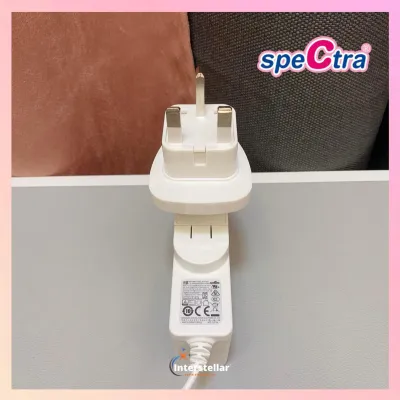
The Spectra S2 is a plug-in model that requires a continuous connection to an electrical outlet via its power adapter to operate. It does not contain an internal rechargeable battery. If portability and cordless use are essential for your daily routine, you will need to set up your pumping station near a reliable power source or consider alternative models from the manufacturer designed for cordless operation.
What should I do if milk enters the tubing?
Because the Spectra S2 utilizes a closed-system design with a physical backflow protector, milk should not enter the tubing under normal operating conditions. If you observe moisture, condensation, or milk inside the tubing, turn off the pump motor immediately. Detach the tubing, wash it, and allow it to air-dry completely before your next session, or replace it entirely. Inspect the backflow protector membrane for tears, warping, or improper assembly to prevent future moisture from reaching the pump motor.

Community discussion
Share your experience or ask a question. Comments are reviewed before publication.