
Combined pumping and breastfeeding routines offer excellent flexibility for modern parents, but they also present unique challenges in managing milk leakage. When you alternate between direct nursing and using a breast pump, your body continuously adjusts its milk production, often resulting in unexpected let-downs and leaks between sessions. Properly using a Lansinoh breast pad is one of the most effective ways to stay dry, comfortable, and confident throughout this demanding routine. By understanding how to position, secure, and transition these pads, you can protect your clothing and maintain optimal skin health.
To get the most out of your breast pads, it is essential to integrate them seamlessly into your daily feeding and pumping schedule. This guide provides a comprehensive approach to preparing your routine, positioning the pads for maximum coverage, transitioning smoothly between feeding methods, and troubleshooting common issues like leaks and skin irritation.
Preparing for a Combined Pumping and Nursing Routine
Before starting your daily routine, take a moment to examine the packaging of your Lansinoh breast pads. The manufacturer’s instructions outline the specific design elements of the pads, which typically include a highly absorbent polymer core, a breathable waterproof outer layer to protect clothing, and adhesive strips on the back. Familiarizing yourself with these features ensures you place the pad with the correct side facing your skin and utilize the adhesive backing effectively.
Products mentioned in this guide
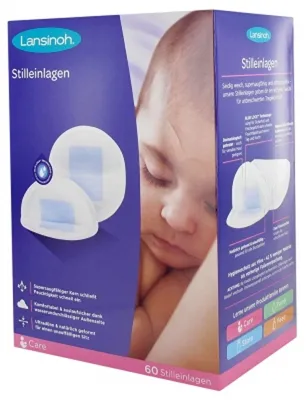
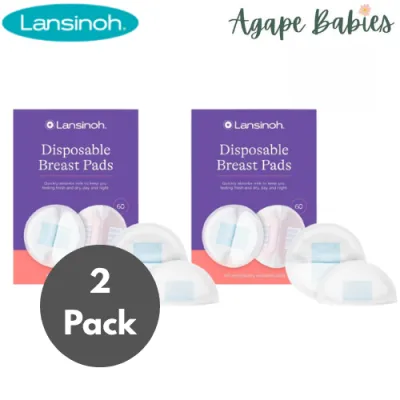
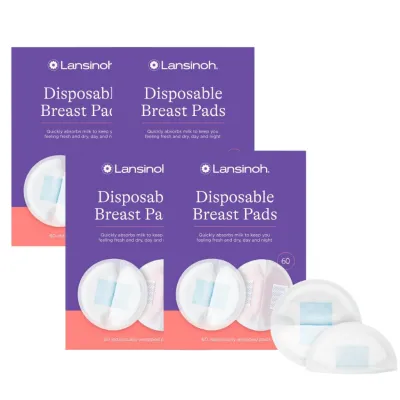
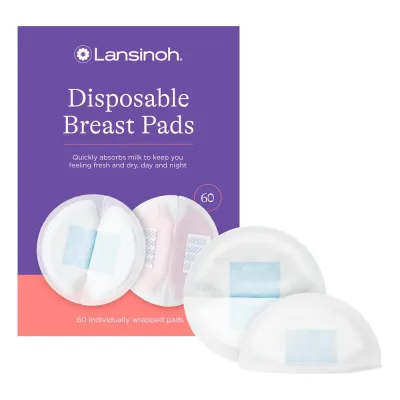
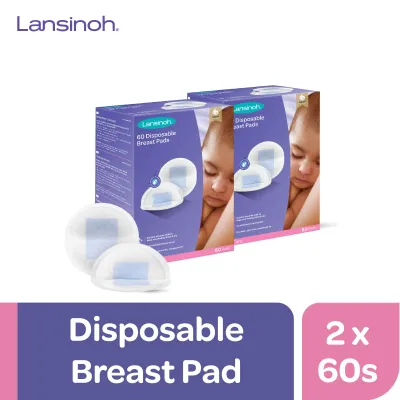
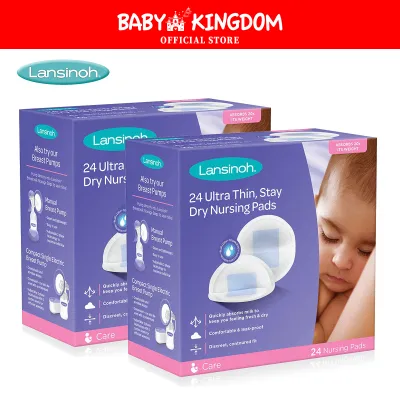
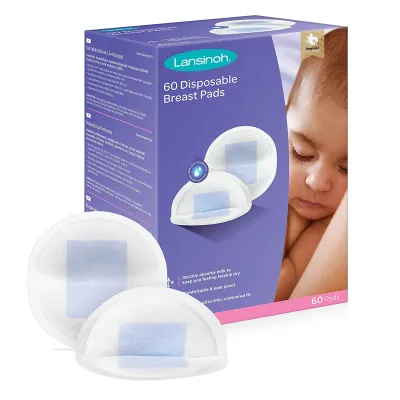
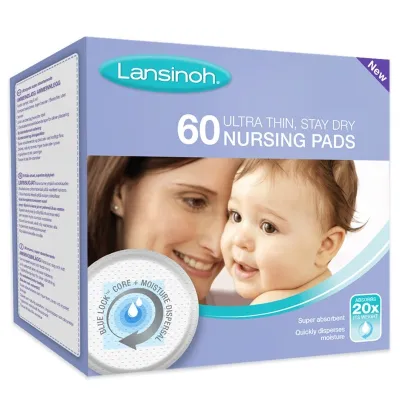
Prices are valid at publication and may change. Please refer to the product page for the latest price.
Creating a dedicated, clean changing station in the areas where you feed and pump can significantly streamline your day. Having a small basket stocked with fresh breast pads, gentle skin wipes, and a small waste bin near your nursing chair and your breast pump setup saves time and minimizes stress. This setup allows you to swap out damp pads immediately without having to leave your baby or interrupt your pumping workflow.
It is also important to understand the distinct roles of your feeding equipment. Breast pads are designed to absorb passive leaks and let-down between sessions, whereas pump flanges are used to collect active milk flow during extraction. Never attempt to wear a breast pad inside a pump flange while pumping, as this blocks the suction and prevents milk from entering the collection bottle. Keep these items separate and use them only for their intended purposes.
Step-by-Step Guide to Positioning and Wearing the Pads
To begin, always wash your hands thoroughly with soap and water before handling a fresh breast pad. Unwrap the pad carefully to keep the inner lining sterile. Position the center of the pad directly over your nipple. This alignment is crucial because the center contains the highest concentration of absorbent material, which is designed to capture the initial, rapid flow of a let-down reflex.

Once the pad is centered against your breast, carefully peel the protective paper off the adhesive strips on the back of the pad. Press the adhesive firmly against the inner fabric of your nursing bra cup. Securing these strips prevents the pad from shifting or bunching up when you move, walk, or adjust your bra for feeding. If your bra has removable foam inserts, you may find it easier to adhere the pad directly to the permanent inner lining of the cup.
Pay close attention to how your nursing bra fits once the pads are in place. The bra should offer gentle, even support without pressing too tightly against your breast tissue. Excessive compression from a tight bra or an improperly positioned pad can restrict milk flow, potentially leading to painful clogged ducts or mastitis. If you feel localized pressure or notice red marks on your skin, loosen your bra straps or try a larger cup size.
Finally, use your fingers to smooth out the outer edges of the pad against the bra cup. Any folded edges or wrinkles can rub against sensitive skin, causing friction, chafing, or localized irritation. Ensuring the pad lies completely flat creates a seamless profile under your clothing and keeps your skin comfortable throughout the day.
Transitioning Between Breastfeeding and Pumping
When it is time to pump, always remove your breast pads completely before positioning your breast pump flanges. Attempting to leave a pad partially folded inside the bra cup can break the vacuum seal of the pump, reducing suction efficiency and potentially spilling collected milk. Removing the pad also prevents it from getting caught in the pump parts, which could tear the outer layer and release absorbent polymers.
Immediately after you finish a pumping session, dry your skin gently with a clean cloth and apply a fresh, dry breast pad. The stimulation from pumping often triggers a secondary let-down reflex or residual dripping shortly after the machine is turned off. Placing a dry pad right away protects your bra and clothing from these post-pump leaks.
If you are transitioning directly from a pumping session to nursing your baby, take a moment to check your bra’s alignment. The physical stretching of the bra cups during pumping can sometimes cause the bra to sit differently on your body. Ensure the bra is repositioned correctly and that the breast pad is centered before offering the other breast to your baby.
To maintain the hygiene and absorbency of your unused pads, store them in a clean, dry drawer or container away from humid environments like bathrooms. Exposure to moisture in the air can degrade the absorbent core before you even wear them. Keeping them in their original individual wrappers until the moment of use helps protect them from dust and household contaminants.
Knowing When and How to Change Your Breast Pads
Regularly check the condition of your breast pads throughout the day. If you notice any visual dampness on the surface, feel a heavy sensation in your bra, or observe moisture spreading toward the outer edges of the pad, it is time for a change. Leaving a wet pad against your skin creates a warm, damp environment that can compromise skin integrity.
Always consult the manufacturer’s instructions on the product packaging for specific guidelines on maximum wear time and hygiene recommendations. While individual milk leakage volumes vary, changing your pads frequently—even if they do not feel completely saturated—helps maintain a clean environment for your baby’s mouth and your own comfort.
When disposing of used pads, fold them in half with the wet side facing inward and wrap them in the wrapper of the fresh pad or a piece of clean tissue. Dispose of them in a designated waste bin. In public or shared spaces, proper disposal is essential for maintaining hygiene and showing courtesy to others who use the facilities.
Monitor your breasts and nipples daily for any signs of skin irritation. If you experience persistent redness, soreness, itching, or a burning sensation—which can sometimes indicate a fungal infection like thrush—stop using the pads immediately. Keep the skin clean and dry, and consult a qualified lactation consultant or healthcare professional to receive an accurate assessment and appropriate care plan.
Troubleshooting Leaks and Discomfort
If you experience unexpected leaks, start by evaluating the fit of your nursing bra. A bra that is too loose allows the breast pad to shift away from the nipple, while a bra with stiff underwires or tight cups can cause the pad to fold or bunch up. Opt for soft, supportive, wire-free nursing bras that hold the pad flat and secure against your skin.
Moisture from heavy leaks or repeated adjustments of your bra cups during feeding can cause the adhesive strips to lose their grip. If the pad begins to slip, replace it with a fresh one rather than trying to re-stick a damp pad. A shifting pad not only fails to catch leaks but can also cause uncomfortable friction against sensitive skin.
It is also important to manage expectations regarding pad capacity. During periods of high milk supply or intense let-down reflexes, a single pad cannot hold excess moisture indefinitely. If you experience heavy leaking, plan to change your pads more frequently rather than waiting for them to reach their maximum capacity, which can lead to overflow leaks.
Adjust your bra strap tension to find a balance between security and comfort. The straps should be tight enough to keep the bra cups and pads flush against your body, preventing gaps where milk could escape. However, they must not be so tight that they dig into your shoulders or chest, which can restrict lymphatic drainage and milk flow.
Frequently Asked Questions (FAQ)
Can I reuse a breast pad if it is only slightly damp?
No, disposable breast pads are designed strictly for single use. Reusing a damp pad, even if it only has a small amount of moisture, increases the risk of bacterial and fungal growth on your skin. To protect your skin health and maintain proper hygiene for your nursing baby, always discard used pads and apply a fresh, dry one after every feeding or pumping session.
Should I wear breast pads while sleeping during a pumping routine?
Yes, wearing breast pads at night is highly beneficial, especially when you are maintaining a regular pumping and nursing schedule. Nighttime let-downs can be unpredictable and heavy. To keep the pads securely in place without restricting your milk flow, wear a comfortable, wire-free sleep bra that provides gentle support without tight elastic bands or underwires.
How do I prevent the pad from sticking to my skin?
To prevent a breast pad from sticking, change it before it becomes completely saturated or dry. When milk dries on the pad’s surface, it can cause the top sheet to cling to your skin. When removing the pad, gently peel it away from your bra cup first, then carefully lift it off your breast rather than pulling it quickly, which minimizes friction and protects sensitive skin.

Community discussion
Share your experience or ask a question. Comments are reviewed before publication.