
Quick Answer: Essential Steps for Placement and Changing
To prevent leaks and skin irritation, start by washing your hands thoroughly and ensuring your breast skin is completely dry. Unpack your breast pad, peel off the adhesive backing, and secure the pad firmly to the inside of your bra cup, centering it directly over your nipple.
Change the pad as soon as it feels damp or heavy, or at least every three to four hours. This consistent routine maintains a healthy skin barrier and prevents moisture-related discomfort, especially in warm climates.
Preparing for Use: Hygiene and Initial Checks
Before handling any nursing accessories, proper hygiene is paramount to protect both yourself and your baby. Wash your hands with soap and warm water for at least twenty seconds, drying them with a clean towel. This simple step prevents the transfer of environmental bacteria to your sensitive nipple area, which is particularly vulnerable during the breastfeeding journey.
Products mentioned in this guide
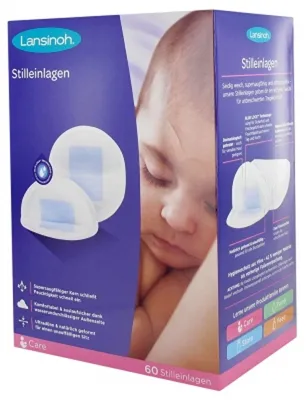
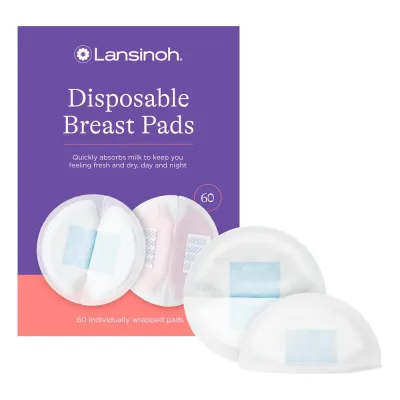
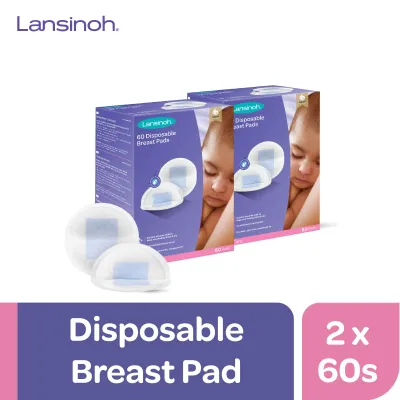
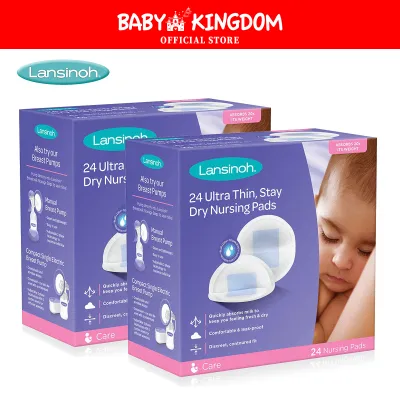
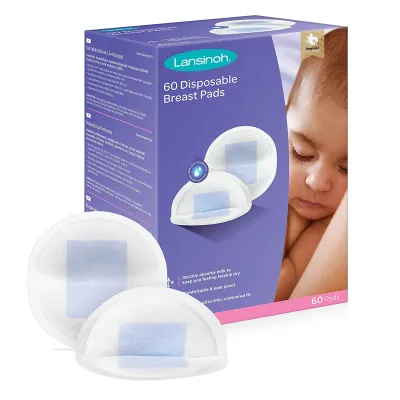
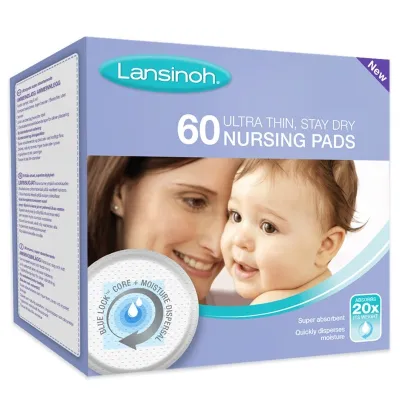
Prices are valid at publication and may change. Please refer to the product page for the latest price.

Next, inspect the breast pad before application. If you are using disposable options, check the individual wrapping for any punctures, tears, or signs of exposure to moisture. For reusable cloth pads, ensure they have been washed according to the manufacturer’s instructions and are completely free of lint, detergent residue, or dampness. Using a damaged or pre-exposed pad compromises its absorption capacity and can introduce unwanted contaminants.
Finally, prepare your skin. If you have recently nursed or pumped, gently pat the breast and nipple dry with a clean, soft cloth. In Singapore’s warm and humid climate, trapping sweat or residual breast milk under a pad can quickly lead to skin breakdown. Allowing your skin to dry completely before applying the pad creates a clean, dry starting point that significantly reduces the risk of irritation.
Step-by-Step Guide to Positioning the Pad Correctly
Proper positioning is the key to both discreet wear and reliable leak protection. To begin, unwrap the pad and locate the adhesive backing strips. Carefully peel away the protective paper to expose the adhesive.
Secure to the Bra, Not the Skin Always attach the adhesive side directly to the inner fabric of your bra cup. Never apply the adhesive directly to your skin, as this can cause severe pain, skin tearing, and irritation when removing the pad. If you are using non-adhesive reusable pads, place them gently inside the cup, ensuring they sit flat against the fabric.
Center the Pad Align the center of the pad directly over your nipple. This is where the milk flow originates during a let-down, and centering ensures the core absorbent material captures the liquid immediately. An off-center pad is one of the most common causes of unexpected leaks, as the milk can bypass the absorbent core entirely.
Smooth the Edges Gently smooth out the edges of the pad against your bra cup. This prevents the pad from bunching or folding over itself. Bunching not only creates unsightly lumps under your clothing but also concentrates pressure on specific areas of the breast, which can lead to localized friction and discomfort.
Adjust Your Bra Fit Once the pad is secured, adjust your nursing bra to ensure a snug but comfortable fit. The bra should hold the pad firmly against your breast without shifting. However, avoid wearing a bra that is too tight. Excessive compression can restrict milk ducts, limit healthy milk flow, and increase friction against the sensitive nipple skin.
Building a Changing Routine to Prevent Skin Irritation
Maintaining a consistent changing routine is essential for preserving skin health, especially when dealing with the constant moisture of breastfeeding. The skin on and around the nipple is delicate, and prolonged exposure to wetness can weaken the skin barrier, leading to painful rashes or infections.
Recognize the Cues Do not wait for a pad to become completely soaked or for a leak to occur before changing it. Pay attention to tactile cues. If the pad feels heavy, cool, damp, or stiff, it is time for a replacement. Even if the pad looks dry from the outside, the inner absorbent core may be saturated.
Establish a Proactive Schedule Your changing frequency should align with your personal let-down patterns and milk supply. During the early weeks of breastfeeding when supply is regulating, you may need to change pads more frequently. A good baseline is to change the pad after every feeding session or every three to four hours. In humid environments, sweat can accumulate alongside milk, making more frequent changes necessary to keep the skin dry.
Prioritize Air-Drying Whenever you change your breast pad, take a few moments to let your skin air-dry. Leaving your breasts exposed to the air for a few minutes helps restore the natural skin barrier and prevents moisture from being continuously trapped. This simple practice is highly effective in preventing friction-related soreness.
Know When to Pause If you notice persistent redness, itching, or a burning sensation, pause the use of disposable pads. You may want to switch to highly breathable, unbleached cotton reusable pads, or allow your skin to rest without pads when resting at home. If the irritation does not improve, consult a healthcare professional or a lactation consultant to evaluate your skin.
Troubleshooting Leaks, Shifting, and Discomfort
Even with careful application, you may occasionally encounter issues like leaks, shifting pads, or physical discomfort. Understanding how to troubleshoot these common problems can help you stay comfortable and confident throughout the day.
Preventing Side Leaks If you experience leaks around the sides of the pad, check your bra sizing and cup shape. A bra that is too loose will allow the pad to gap away from your skin, letting milk escape. Ensure your bra cups fully enclose your breasts and hold the pad flat. If the pad is misaligned, re-center it directly over the nipple.
Managing Pad Shifting Active movement can cause breast pads to shift out of place. To secure them better, choose pads with reliable adhesive zones and wear them with structured, full-coverage nursing bras rather than loose sleep bralettes. If you prefer reusable pads without adhesive, look for bras with built-in pockets designed to hold inserts securely.
Friction vs. Moisture Irritation It is important to distinguish between different types of discomfort. Friction discomfort typically feels like a chafing or rubbing sensation, often caused by a rough pad surface or a shifting bra. Moisture irritation, on the other hand, usually presents as a dull ache, persistent damp warmth, redness, or a rash. Addressing friction requires securing the pad or switching to a softer material, while moisture irritation requires more frequent changes and air-drying.
When to Seek Professional Care While minor irritation can often be managed with hygiene adjustments, certain symptoms require professional medical attention. Stop using breast pads and consult a doctor or lactation consultant immediately if you experience cracked or bleeding nipples, localized warmth, swelling, severe pain, fever (which can indicate mastitis), or a persistent rash that does not improve with dry care.
Frequently Asked Questions (FAQ)
Can I reuse a disposable breast pad if it is only slightly damp?
No, disposable breast pads are strictly designed for single-use and should never be reused, even if they only feel slightly damp. The absorbent materials inside disposable pads are formulated to lock away moisture, but once exposed to breast milk, they become a breeding ground for bacteria and fungi. Reusing a damp pad increases the risk of introducing these microorganisms to your nipples and baby’s mouth, potentially leading to painful skin infections or thrush. Always discard disposable pads after removal.
Should I use breast pads while sleeping?
Using breast pads while sleeping is a practical way to manage nighttime leaks, but it requires extra care to balance absorption with skin health. Prolonged moisture exposure during the night can compromise your skin barrier. If you choose to wear pads to bed, use a comfortable, breathable nighttime nursing bra that keeps the pads flat. Change the pads immediately before going to sleep and as soon as you wake up. If you experience heavy nighttime leaks, consider placing a soft towel underneath you to allow your skin to breathe without pads for part of the night.
How do I know if my skin irritation is from the pad or a fungal infection?
Simple skin irritation from friction or moisture typically presents as mild redness or chafing that improves quickly when you keep the area clean, dry, and exposed to air. In contrast, a fungal infection like thrush often causes distinct symptoms. These include intense, persistent itching, burning, shiny or flaky skin on the nipple and areola, and shooting pains deep within the breast during or after feeding. If you observe these warning signs, stop using breast pads, practice strict hygiene, and consult a healthcare provider for an accurate diagnosis and appropriate treatment.

Community discussion
Share your experience or ask a question. Comments are reviewed before publication.