
Transitioning from diapers to using an adult toilet is a major milestone in your child’s development. While a standard toilet is designed for adult proportions, it can make a toddler feel unstable and physically unsupported. Introducing a squat stool toilet setup helps bridge this gap by providing a secure platform for your child’s feet, elevating their knees, and aligning their body in a natural squatting posture. This ergonomic adjustment makes bowel movements easier and less straining, which builds your child’s confidence and supports a smoother potty training journey.
Why Proper Positioning Matters During Potty Training
When a child sits on a standard adult toilet without foot support, their legs dangle freely. This dangling position creates tension in the pelvic floor muscles, specifically the puborectalis muscle, which wraps around the lower colon and maintains a bend to prevent accidental leakage. When this muscle remains tense, the pathway for stool is restricted, requiring the child to strain to achieve a bowel movement.
Elevating the feet on a squat stool relaxes the pelvic floor muscles and straightens the lower colon. This natural squatting posture allows gravity and abdominal pressure to assist in gentle elimination, reducing the need for straining.
Products mentioned in this guide
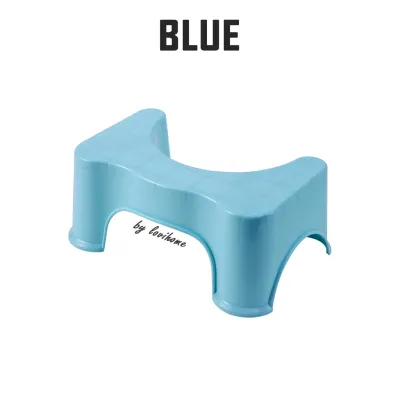
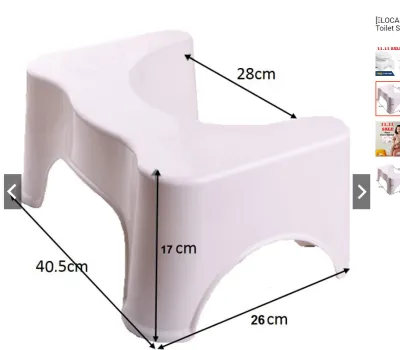
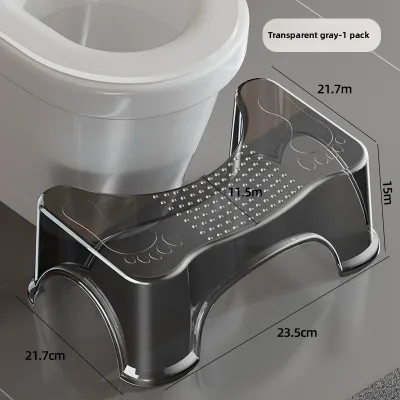
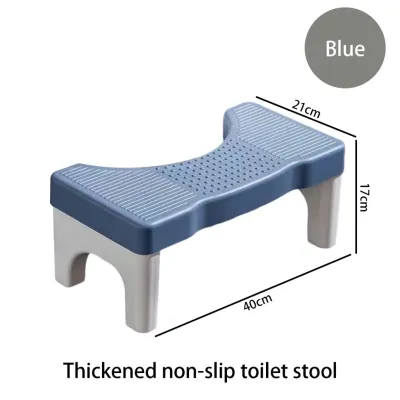
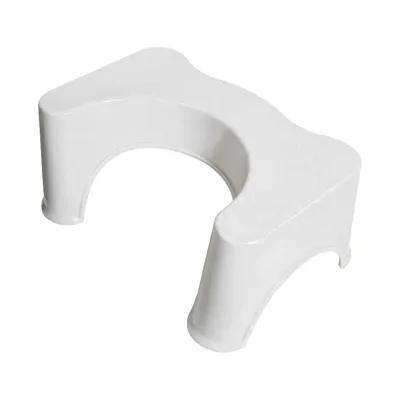
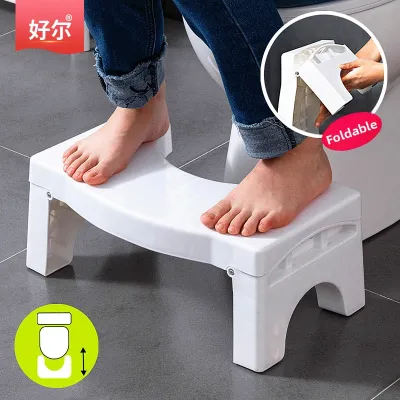
Prices are valid at publication and may change. Please refer to the product page for the latest price.
Parents should watch for observable signs that a child is struggling due to improper positioning. These signs include dangling legs, an arched or rigid back, holding onto the toilet seat tightly, grunting, or expressing anxiety during bowel movements. Recognizing these physical cues early allows you to introduce a supportive stool before negative associations with toilet visits develop.
How to Choose the Right Squat Stool for Your Toilet
Selecting the right squat stool toilet accessory requires evaluating your specific bathroom setup and your child’s physical needs. Start by measuring the height of your toilet bowl from the floor to the rim. Compare this with your child’s leg length to ensure the stool is tall enough to elevate their knees slightly above their hips when they are seated, without being so high that climbing becomes a safety hazard.

Given that bathroom floors are frequently wet and humid, verifying the presence of non-slip features is essential. Look for stools that feature robust, slip-resistant rubber feet on the bottom to prevent sliding on tiled surfaces. The top surface where your child stands should also have a textured, high-traction pattern to prevent slips, especially when they are wearing socks or have wet feet.
Consider the stool’s overall stability, weight capacity, and how it fits into your bathroom layout. A wider base generally offers better stability and prevents tipping if your child steps near the edge. If you have limited space, look for contoured designs that wrap closely around the base of the toilet bowl when not in use, or foldable models that can be stored easily. Always check the manufacturer’s label to verify the specific weight limits and ensure the product is suitable for your child’s size.
Finally, read the manufacturer’s documentation for specific age and developmental stage recommendations. Avoid assuming suitability based on product names alone; instead, verify that the stool’s dimensions and design match your child’s current motor skills and balance capabilities.
Step-by-Step Guide to Introducing and Using the Squat Stool
- Step 1: Low-Pressure Introduction: Start by introducing the stool in a low-pressure environment outside the bathroom. Place the stool in your child's play area or living room for a few days before moving it to the toilet. Allow them to explore, climb, and sit on it during playtime. This familiarization helps demystify the object, turning it into a friendly, everyday tool rather than an intimidating bathroom fixture.
- Step 2: Demonstrating Proper Foot Placement: Once the stool is moved to the bathroom, show your child where their feet should go. Guide them to place their feet flat and wide apart on the textured grips. Check their posture when they sit: their knees should be positioned slightly higher than their hips, creating an approximate 35-degree angle that mimics a natural squatting position.
- Step 3: Safe Climbing and Positioning: Teach your child a consistent routine for getting onto the toilet. They should step onto the stool, turn around slowly while holding onto a secure support—such as a child-sized toilet seat insert with handles—and gently lower themselves onto the seat. Ensure they feel stable at each step of this transition to prevent sudden slips or loss of balance.
- Step 4: Encouraging a Relaxed Posture: Encourage your child to lean forward slightly from the hips, resting their elbows on their thighs if comfortable. Use positive, calming language to help them relax their abdominal and pelvic muscles rather than pushing forcefully. Avoid rushing them; instead, let them sit comfortably for a few minutes while their body adjusts to the natural elimination posture.
Troubleshooting Common Potty Training Challenges With a Stool
If your child displays fear of climbing or hesitation regarding the stool’s height, do not force the issue. You can temporarily place the stool against a wall for extra stability during practice climbs, or use a lower step until they build confidence. Offering steady hand-holding and verbal encouragement during the transition can significantly ease their anxiety.
If you notice your child sliding forward on the toilet seat or struggling to keep their feet on the stool, check the alignment of the toilet insert and the stool’s distance from the bowl. Adjust the stool closer to the toilet so their thighs are well-supported, or consider adding a non-slip seat reducer to keep them securely centered.
While a squat stool is an excellent tool to support natural bowel movements, it is not a cure for underlying medical issues. If your child experiences persistent pain, severe straining, chronic constipation, or displays extreme anxiety around bowel movements, pause the training. Consult a pediatrician or healthcare professional to address any physical discomfort before resuming stool use.
Safety Checks and Daily Maintenance for Toilet Stools
Bathrooms are naturally humid environments where moisture, soap residue, and splashes can quickly accumulate. Clean the stool weekly using mild, child-safe soap and warm water to prevent the buildup of mold, mildew, or slippery films. Pay close attention to the underside and the rubber feet, as these areas are highly susceptible to trapping moisture.
Regularly inspect the stool for structural integrity. Check that the non-slip rubber pads on the feet are securely attached and not worn down. If you are using a folding or adjustable model, inspect the hinges, locking mechanisms, and joints for any signs of cracking, loosening, or wear that could compromise stability.
Always supervise your child during the initial stages of using a squat stool. Even as they gain confidence and motor skills, stay close by to assist with climbing and positioning until they can consistently demonstrate safe balance and coordination. Adjust your level of supervision based on their developmental progress and the manufacturer’s safety guidelines.
Frequently Asked Questions (FAQ)
When Is a Child Ready to Use a Toilet Squat Stool?
A child is typically ready to transition to a toilet squat stool once they have developed the gross motor skills required to climb a low step and maintain their balance while turning around. This readiness often aligns with the transition from a standalone potty chair to the adult toilet, usually around two to three years of age. Always verify the manufacturer’s age and weight recommendations on the product packaging before introduction.
Can a Regular Step Stool Replace a Squat Stool?
While a regular flat step stool helps a child reach the toilet seat, it often lacks the specific height and contoured design needed to achieve an optimal squatting posture. Specialized squat stools are typically taller and curved to fit snugly around the toilet base, allowing the child’s feet to be positioned wider and higher. If using a regular step stool, ensure it is tall enough to elevate your child’s knees above their hips to provide similar ergonomic benefits.
How to Clean and Maintain a Squat Stool in a Humid Bathroom?
To maintain hygiene in a humid bathroom, wipe down the stool regularly with a diluted, non-toxic disinfectant or mild soapy water. After cleaning, ensure the stool is completely dry before placing it back on the floor, as trapped moisture underneath can lead to mold growth and compromise the grip of the rubber feet. For folding models, periodically open and close the mechanism to ensure no water is trapped inside the joints.

Community discussion
Share your experience or ask a question. Comments are reviewed before publication.