
Potty training is a major milestone that requires patience, consistency, and the right tools. To help your toddler transition successfully from a small potty chair to an adult toilet, a toilet foot stool is an invaluable accessory. By elevating your child’s feet, this simple tool helps them achieve the optimal squatting posture required for comfortable and complete elimination. Using a toilet foot stool correctly involves choosing the right height for your child’s size, introducing it gradually to build confidence, and guiding them into a stable, forward-leaning position.
This guide covers everything you need to know to integrate a foot stool into your potty training routine safely and effectively. By focusing on proper positioning and physical comfort, you can help your toddler build the confidence they need to master this new skill.
Why Proper Posture Matters During Potty Training
When toddlers transition to a standard adult toilet, their legs often dangle in the air. This dangling position is not just uncomfortable; it also makes bowel movements physically more difficult. Anatomically, sitting on a standard toilet seat without foot support keeps the pelvic floor muscles partially contracted. This contraction acts as a natural barrier to elimination, requiring more effort from your child.
Products mentioned in this guide
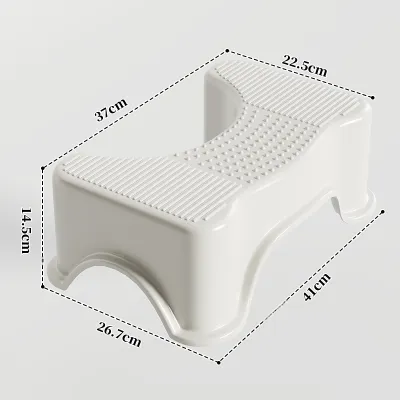
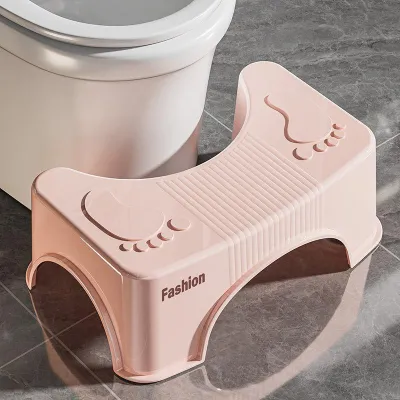
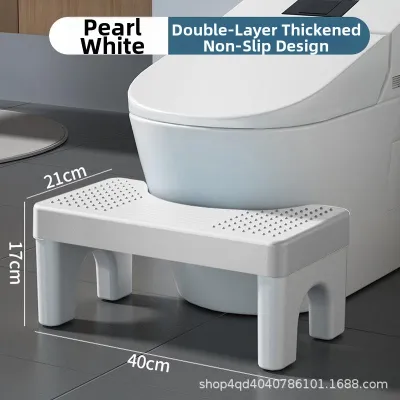
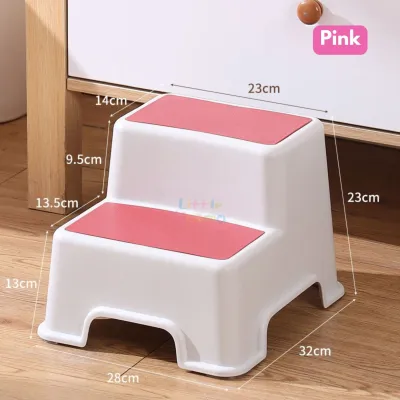
![[MUMof2boys] Kids 2-Step Anti-Slip Stool for Bathroom & Toilet Training – Toddler Safety Step Stool](https://img.lazcdn.com/g/p/be8bd22f9e1b0e16b60f4496256fd05b.png_400x400q80.png_.webp)
Prices are valid at publication and may change. Please refer to the product page for the latest price.
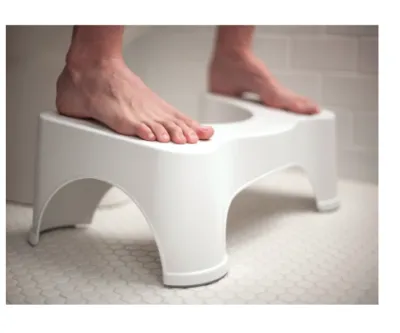
Elevating the feet into a squat-like position relaxes the pelvic floor muscles, allowing for a straight, unobstructed path for bowel movements. Raising the knees above the hips changes the angle of the pelvis, which significantly reduces the need for straining. Toddlers who strain are at a higher risk of developing painful bowel movements or constipation, which can quickly lead to potty training regression.
Providing a solid surface for their feet also offers crucial psychological comfort. When children feel physically secure and grounded, they are less likely to experience the fear of falling into the toilet bowl. This sense of stability allows them to relax their abdominal muscles, making the entire process smoother and more positive.
How to Choose a Safe and Suitable Toilet Foot Stool
Selecting the right stool requires evaluating your child’s physical dimensions alongside your bathroom layout. The primary goal is to find a stool height that allows your toddler’s knees to rest comfortably above their hip level when they are seated on the toilet. For younger or shorter toddlers, a taller stool or a multi-step design is often necessary to achieve this angle.

Safety features are paramount when choosing bathroom gear. Look for stools with non-slip treads on the top surface to prevent slipping when your child has wet feet or is wearing socks. The base of the stool must feature rubberized feet or a continuous non-slip grip to prevent it from sliding across smooth bathroom tiles when your child steps onto it.
Material durability and ease of maintenance are also critical. In humid bathroom environments, non-porous materials like heavy-duty plastic are highly practical because they resist moisture and are easy to sanitize. Always check the manufacturer’s specified weight capacity limits to ensure the stool can safely support your growing child during daily use.
Step-by-Step Guide to Introducing the Foot Stool
Introducing a new object into the bathroom routine can sometimes trigger resistance or anxiety in a toddler. To prevent this, allow your child to explore and play with the stool in a familiar, low-pressure setting first. Let them carry it around the living room, sit on it while reading a book, or decorate it with child-safe stickers to build a positive association.
Once the stool is moved into the bathroom, demonstrate how to use it safely. Show your child how to step up and down while holding onto your hands or a stable wall surface. Practice this stepping motion several times as a fun game before actually attempting to use the toilet.
Next, establish a consistent sequence for every bathroom visit. Guide your toddler to pull down their pants, step up onto the stool, turn around carefully, and sit down on the toilet seat. Once seated, ensure they place both feet firmly flat on the stool surface. Repeating this exact sequence during every potty break helps build muscle memory and routine.
Guiding Your Toddler into the Correct Potty Position
Achieving the correct physical alignment on the toilet is essential for effective and comfortable elimination. Start by checking your child’s foot placement on the stool. Their feet should be flat, pointing forward, and spaced approximately shoulder-width apart to provide a stable, balanced foundation.
Observe the alignment of their knees and hips. The stool height should keep their knees slightly higher than their hips, with their thighs angled slightly outward. This positioning mimics a natural squatting posture, which is the most efficient physical alignment for bowel movements.
Encourage your toddler to lean forward slightly from the hips, resting their elbows on their knees. You can prompt this movement by asking them to look at a favorite book or play with a small hand toy held at knee level. Leaning forward naturally increases abdominal pressure gently, aiding elimination without straining.
If your toilet seat is particularly high, your child’s arms may not comfortably reach their knees. In these cases, verify if a secondary hand support, such as a toilet seat insert with built-in handles, is helpful. This extra support keeps their upper body stable while their lower body remains properly positioned on the foot stool.
Safety Checks and Daily Maintenance
To ensure the long-term safety and hygiene of the foot stool, establish a quick weekly inspection routine. Regularly check the rubber grips and non-slip pads on both the top surface and the bottom base. Look for signs of wear, peeling, or loss of traction, and replace the stool if the safety grips begin to degrade.
Clean the stool frequently with mild, child-safe disinfectants to prevent mold, mildew, or bacterial buildup. Bathrooms are naturally humid environments, and moisture can easily collect under the stool or in molded plastic crevices. Wipe the stool dry after cleaning and ensure the bathroom floor underneath is kept dry.
Proper storage is also important for household safety. When the stool is not in use, slide it snugly against the base of the toilet bowl or store it in a designated dry corner. This keeps the bathroom walkway clear and prevents the stool from becoming a tripping hazard for other family members.
Troubleshooting Common Foot Stool Challenges
If your toddler resists using the stool or expresses fear of stepping up, do not force the issue. Try lowering the stool height temporarily or using a wider, lower step to build their confidence. Offering plenty of positive reinforcement and letting them watch you use a similar foot stool can also help normalize the behavior.
Slipping issues can occur if the bathroom floor is wet or if dust accumulates on the stool’s rubber feet. If you notice the stool shifting when your child steps on it, verify that the floor is completely dry. Wipe the rubber feet of the stool with a damp cloth to remove any dust or soap residue that might reduce traction.
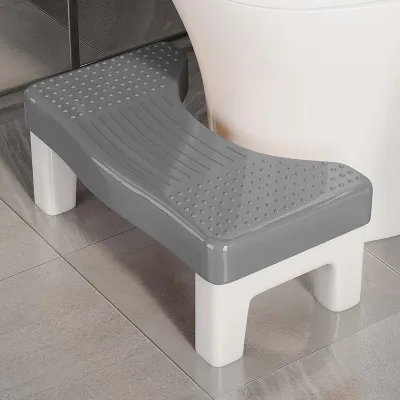
Managing space constraints in smaller bathrooms can be challenging when introducing toddler gear. If space is limited, look for compact, U-shaped stools that wrap closely around the base of the toilet bowl when not in use. Alternatively, foldable stool designs can be easily collapsed and stored upright in a nearby cabinet or behind the bathroom door.
Frequently Asked Questions (FAQ)
Can a regular household step stool be used instead of a specialized toilet foot stool?
While a regular household step stool can elevate a child’s feet, it is often not the safest or most effective option for potty training. Standard household stools are typically designed for reaching high places and may be too tall, narrow, or unstable for a toddler to stand on and turn around safely. Specialized toilet foot stools are designed with a wider, more stable base, non-slip surfaces optimized for bare feet, and a contoured shape that fits snugly around the toilet base to prevent tipping.
At what age or height should my toddler stop using a toilet foot stool?
There is no specific age at which a child must stop using a toilet foot stool, as readiness depends on their physical growth and comfort. You can assess if your child has outgrown the stool by observing their posture when they sit directly on the standard toilet seat. If their feet can rest completely flat on the bathroom floor while their knees remain at or slightly above hip level, they no longer require the elevation provided by the stool.

Community discussion
Share your experience or ask a question. Comments are reviewed before publication.